

Many lymphatic support products, even those containing only one herb, contain blends of different herbs. Even when an herb is familiar to readers, their role in the mix of herbs to support the lymphatic system can be less well known and be considered in a review of such health products.
The majority of the herbal ingredients that are used in a formula for lymphatic support are used in a variety of other situations. You may want to know what the traditional use of each of the herbs that are reviewed here is, and look at the research behind their use in several different situations as well.
This article discusses 7 of the herbs within lymphatic support products and provides information on the historical use of the herbs and the existing research on their possible health benefits.

Cleavers
Traditional herbalism has listed Cleavers as a lymphatic tonic. As a herb it is traditionally used in lymphatic support herbal formulas made with roots, leaves and stems of the plant.
Understanding how the lymphatic system functions helps one understand the typical uses of the herb in traditional herbalism for which there is background information. A review from 2023 outlining human lymphatic transport helps to better understand the typical uses of the above plant for which there is background information and how it may relate to current marketing claims of herbs used for lymphatic support.
With this in mind, you can make a more informed choice when comparing the best lymphatic drainage drops. Check the amount of cleavers in each serving and review the full ingredient list to understand what the product contains before deciding whether it suits your needs.
Red Root
Also known as Ceanothus americanus, the Red Root is a plant used in North American Herbalism. Traditionally it has been used to support the spleen and the lymph nodes. Thus it is often included in herbal blends aimed at supporting the lymphatic system.
This long history of use with various different systems of the body and many different symptoms leads to the fact that the Red Root is also used for various menstrual problems in traditional Herbal Medicine, as discussed in a 2022 review of herbal remedies for the various different symptoms associated with menstrual health problems.
 Dandelion Root
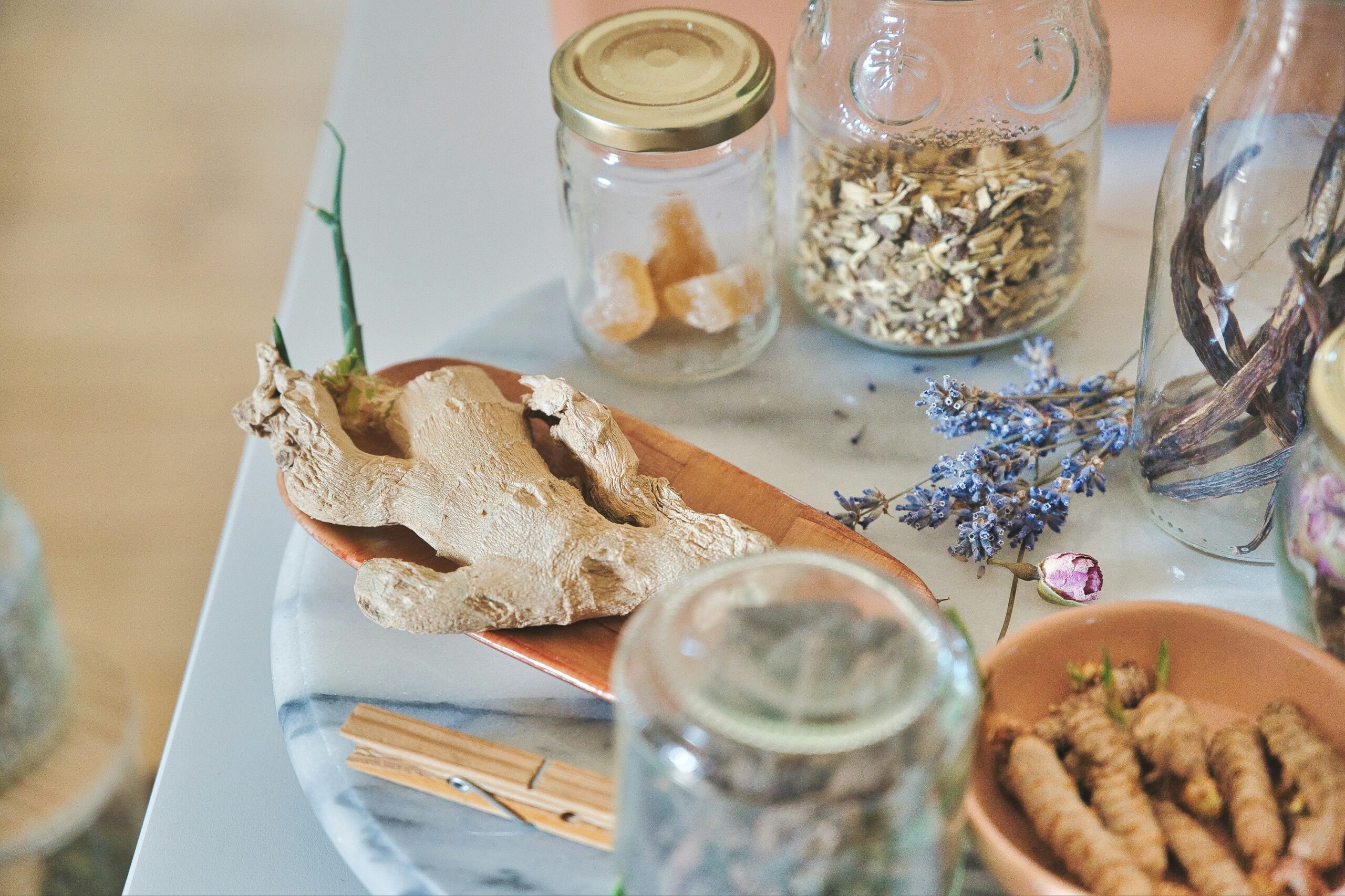
Traditional uses of the dandelion root have focused on aiding in the digestive system. Some may look to Dandelion for its mild diuretic properties and increasing urine output. Again, remember urine production and lymphatic flow are two very different processes. While increasing urine may provide temporary relief for swollen legs, it has no effect on improving your lymphatic system.
So, although increasing urine output may affect lymph flow, this is in fact a separate process to increasing lymph flow. There is limited evidence to show the effects of dandelion in human health studies. This information is taken from the National Center for Complementary and Integrative Health’s website on dandelion.
Burdock Root
Burdock Root is a root that can be eaten as a vegetable in salads and other dishes in many parts of the world. Burdock Root is used in many herbal supplements intended to promote overall health and well-being as well as to support skin health. It is also used in detoxification and body cleaning herbs and products.
Claims for the herb to help detox or support the body’s natural clearing processes for waste are plentiful for Burdock Root as well as other herbs and supplements. Burdock does have some scientific studies to support its possible effects for health as well as use in traditional herbal remedies but there is not enough evidence to support its use specifically for supporting lymphatic health.
Turmeric
Turmeric is one of the oldest medical spices known. As a bright yellow spice it is used in curry dishes and as a supplement to support health. The active substance of turmeric is curcumin which has been studied for its anti-inflammatory and anti-oxidative properties.
While there is some evidence that the curcumin in turmeric may reduce inflammation and oxidative stress, and a recent systematic review and meta-analysis including 103 randomized controlled trials found moderate evidence of benefit for a number of outcomes including sore muscles and joints, relief of digestive discomfort, improving recovery from exercise, skin problems, memory and mood problems, menstrual and other female health issues, and side effects of chemotherapy, the evidence regarding lymphatic system support is limited.
Note that supplements that contain a high concentration of turmeric may cause stomach upset, and herbs can interact with other medicines so it is wise to speak with a health care provider who can evaluate the supplement for you and let you know if it is safe for your use.
Ginger
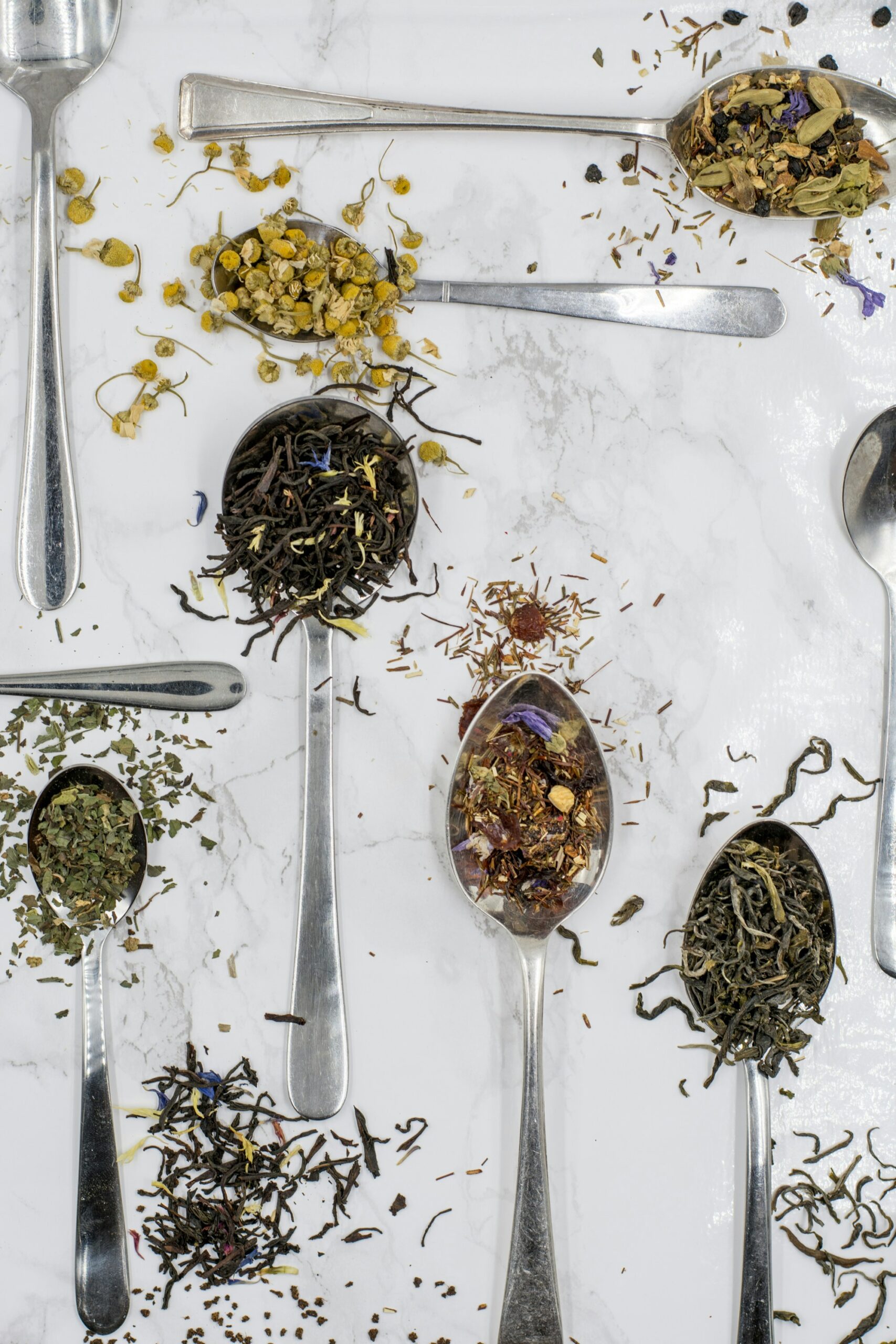
Ginger is a common spice used for cooking and has been traditionally used to treat nausea of digestive origin. There is some interest in the antioxidants and anti-inflammatory compounds found in ginger including those that may affect inflammation and oxidative stress of interest in natural health support of health measures related to inflammation and oxidative stress.
Ginger is most commonly recognized as a spice for culinary use but can also be used for nausea. So, why are some of the lymphatic support formulas on the market that contain herbs for digestive use, including ginger? Most likely because they are a broader botanical formula and you can look up the effects of the other herbs in the formula as well.
Be aware of the concentration of ginger in your supplement. Some forms of concentrated ginger can cause heartburn or upset your stomach. Always check for interactions with any medications you are taking and seek advice from a health professional before starting to take any herbal supplements.
Milk Thistle
As mentioned previously, there are many different herbal supplements that are currently on the market today that contain Milk Thistle. Primarily, these supplements are comprised of seeds that are of the Milk Thistle plant and contain silymarin, which are said to possibly aid in liver health measures.
There are many studies on milk thistle for liver problems. The evidence is mixed for these uses of milk thistle. As noted earlier, more research is needed to determine the effects of these herbal remedies. In the meantime, herbal products can be helpful for general liver health.
If you are on medication or have an health problem and are considering taking a herbal supplement then it is wise to have it checked by a health professional for any possible interactions with your prescribed or over the counter medicines.
Bottom Line
So, you want to know about each of these herbs for supporting the lymphatic system? Well, many of them have long histories of use for a variety of health concerns, such as digestion and liver health. The body of evidence to support their use in supporting lymphatic flow and overall lymphatic health is often weak and definitely more research is warranted.
Be sure to check out the ingredient list for the herbal supplement you are considering. Look for the amount of each ingredient and find out if there are any cautions or interactions with medicines listed. Talk with your health care provider before taking any new herbal supplements, especially if you are taking any medicines on a regular basis. Seek immediate medical care if you experience sudden swelling or swelling that persists.
Written by jeffery@healthybox.org