

Recovery has become a major part of the modern wellness conversation. Athletes, recreational lifters, runners, and adults managing demanding schedules are increasingly exposed to options ranging from hydration therapy and micronutrient infusions to peptide-based programs.
But these approaches are not interchangeable, and “recovery” can mean very different things depending on the person. For one individual, the priority may simply be replacing fluids after travel or strenuous activity. For another, it may involve persistent muscle or joint discomfort that requires proper medical evaluation. Others may be exploring newer therapies they have encountered through wellness clinics, podcasts, or social media.
Understanding the difference between established recovery fundamentals, supportive wellness services, and investigational therapies is important before deciding what belongs in a personal recovery plan.

Start With the Basics of Recovery
No infusion or peptide program replaces the foundations of recovery.
Adequate sleep, appropriate nutrition, sufficient protein and overall energy intake, hydration, progressive training, and enough time between demanding sessions remain central to physical recovery. Persistent pain, swelling, weakness, loss of function, or symptoms following an injury should also be evaluated rather than simply treated as normal post-exercise soreness.
This matters because wellness treatments are sometimes marketed using broad terms such as “repair,” “regeneration,” or “optimization.” Those words can sound clinically specific even when the supporting evidence is still developing.
A more useful question is: What problem am I actually trying to solve, and what evidence exists for the option I am considering?
Where Do Recovery Peptides Fit?
Peptides are short chains of amino acids that can participate in signaling processes throughout the body. Some peptide-based medications have well-established medical uses, while many of the compounds promoted in wellness and recovery settings remain investigational.
Two names frequently encountered in recovery-focused discussions are BPC-157 and TB-500 or related thymosin beta-4 compounds. They are often marketed around tissue recovery, exercise recovery, or musculoskeletal wellness.
However, enthusiasm online should not be confused with established clinical evidence.
The U.S. Food and Drug Administration has identified important evidence and safety gaps around several compounded peptide substances, including BPC-157 and TB-500-related substances. These products should therefore not be presented as proven treatments for repairing tendons, ligaments, muscles, or injuries.
Some clinics combine recovery-focused peptides into programs. For example, a Wolverine Stack peptide program may bring multiple compounds into one clinician-guided pathway. From a consumer perspective, the important issue is not the name of the stack but what is actually included, why each ingredient is being considered, what evidence supports its use, its regulatory status, and how the patient is monitored.
That distinction is especially important for active adults who may encounter peptide products sold online without meaningful clinical oversight.
What About IV Therapy for Recovery?
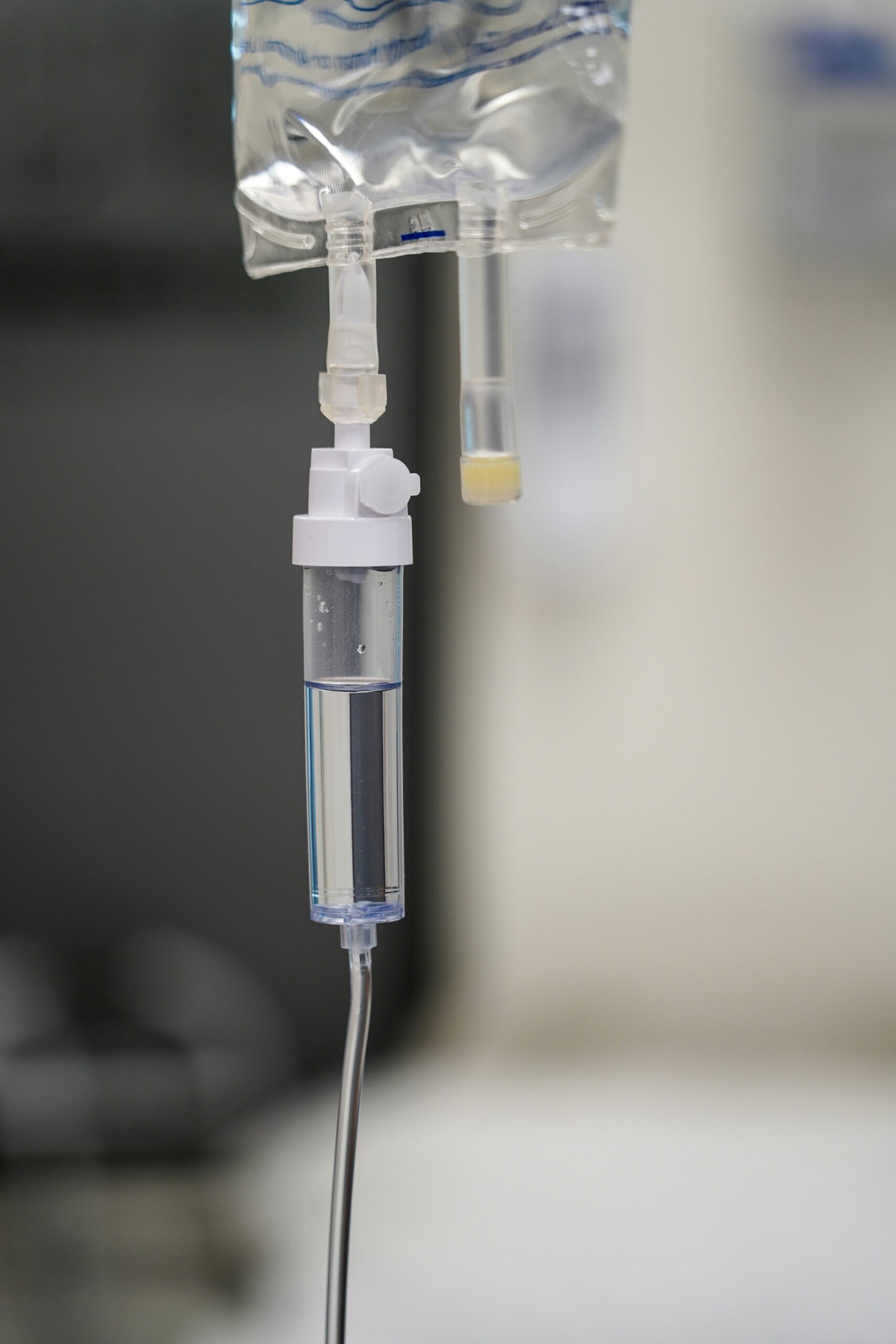 Intravenous therapy belongs in a different category.
An IV delivers fluid and other included substances directly into the bloodstream. In conventional medicine, IV fluids and nutrients have clear roles when clinically indicated. Wellness clinics have expanded this concept into elective hydration and micronutrient infusions.
The practical advantage of an IV is straightforward: substances administered intravenously bypass the digestive tract. That does not, however, mean that every IV combination has been proven to improve athletic recovery, energy, immunity, or general wellness in otherwise healthy adults.
This is an important distinction when evaluating popular formulations such as the Myers Cocktail.
A Myers IV drip generally refers to an intravenous combination of vitamins and minerals, although the exact formulation may differ between providers. Research on Myers-style micronutrient therapy is limited. A small randomized placebo-controlled study in people with fibromyalgia found no statistically significant difference between the IV micronutrient group and placebo on its measured outcomes, illustrating why broad claims about recovery or symptom improvement should be approached cautiously.
For active adults, the right questions are therefore less about whether an IV is “good for recovery” in general and more about the ingredients, dose, reason for administration, individual health status, and expected benefit.
Peptides and IV Therapy Serve Different Purposes
It is easy to group peptides, hydration drips, vitamin infusions, and injections together under the label of “recovery therapy.” Clinically, that can be misleading.
Hydration therapy primarily addresses fluid administration. Micronutrient IVs introduce specific vitamins or minerals. Peptide programs involve biologically active compounds with very different mechanisms, evidence levels, safety profiles, and regulatory considerations.
Someone researching IV therapy options should therefore look beyond a menu of product names and determine what each option contains, whether it fits the intended goal, and what level of medical oversight is involved.
The same principle applies to peptides. A product should not be chosen simply because another athlete used it or because it is described online as a “recovery peptide.”
Why Clinical Oversight Matters
The more biologically active or experimental a treatment becomes, the more important appropriate medical oversight becomes.
Compounded medications are not FDA-approved in the same way as approved prescription drugs. The FDA does not evaluate compounded products for safety, effectiveness, and quality before they are marketed, and the agency has specifically highlighted quality and safety concerns associated with some compounded peptide substances.
A responsible provider should therefore be able to explain what is being offered without relying on exaggerated promises.
Before beginning a peptide or IV program, useful questions include:
- What exactly is being administered, and at what dose?
- Is the therapy FDA-approved for the proposed use, compounded, off-label, or investigational?
- What human evidence supports the proposed benefit?
- What are the known and unknown risks?
- Are there medication interactions or health conditions that could make the treatment inappropriate?
- Where is the medication or injectable product sourced?
- Who administers or supervises the treatment?
- What happens if side effects or unexpected symptoms occur?

A Better Way to Think About Recovery
The most useful recovery strategy is rarely the one with the longest list of treatments.
Instead, start with the recovery fundamentals, identify the actual problem, and then decide whether an additional therapy has a reasonable role.
For ordinary post-exercise fatigue, that may simply mean hydration, nutrition, sleep, and appropriate training recovery. Persistent or unusual symptoms deserve medical assessment. Elective IV therapy may be considered by some adults after discussing its ingredients and purpose with a qualified professional.
Peptide programs require even greater scrutiny because the evidence and regulatory status can vary substantially from one compound to another.
For active adults interested in newer recovery options, the goal should therefore be informed decision-making rather than chasing the newest intervention. A credible clinic should be comfortable discussing not only potential benefits, but also limitations, uncertainty, sourcing, safety, and alternatives.
That is ultimately a much stronger sign of quality than any promise of faster healing or guaranteed recovery.
Written by Emily Hayes (becleannjunior@gmail.com)