

It can take all day to do what normally wouldn’t. Put on clothes, get some sleep, drive to the store. These are just a few things that will require more time. Create a daily recovery routine that follows your doctor’s advice and reflects how much you can safely do each day.
Your accident can also affect you financially. Whether that be not working or dealing with your insurance. A personal injury attorney can inform you about what claims you may have. But remember to consult with your doctors on your medical issues.
This article discusses how to create a daily routine to help you recover from your injuries.
How to Recover From Injuries Every Day
- Create a Daily Recovery Routine
- Take Care of Your Paperwork
- Schedule Your Day
- Exercise and Rest
- Sleep and Mental Health
- Track Your Injuries
- Change Your Routine
- One Day at a Time
Create a Daily Recovery Routine
After you leave the hospital, collect all your papers. This will include any instructions on medications, follow-up dates, etc. Make sure you understand what your doctor or rehab team tells you to do.
Learn what you can and cannot do. What you should watch out for. Whether it’s lifting, driving, not putting weight on your leg, taking care of a wound, going back to work, etc. Everyone will have different restrictions based on their injury.
Have a designated place for your notes, phone numbers, etc. Make sure you know who to call for each issue. Once you have that, write down a few things you want to focus on for the day. Go to your physical therapy and eat healthy meals.
Take Care of Your Paperwork
There will be plenty of paperwork, calls, and bills to take care of during your recovery. Set aside time to organize your receipts, mileage, and respond to any important emails/messages. If you are unable to do this yourself, ask a family member or friend.
If someone else was at fault for your accident you may want to learn more about your rights. For a possible injury claim in Dallas, you can read about legal representation at https://freeseandgoss.com/dallas-personal-injury-lawyer/. Keep claim questions separate from medical advice, and don’t delay needed treatment while sorting out paperwork.
Losing income from your job can be stressful, too. The U.S. Bureau of Labor Statistics recorded 888,100 cases involving days away from work in private industry in 2024 due to occupational injuries or illnesses.
Organize any notes you may have regarding work.

Schedule Your Day
Make sure to allow time to do these activities, but don’t put yourself on a strict schedule. Have certain times you do these things and the rest is up to you.
- Wake up, have breakfast, take any medication and schedule any doctor’s appointments you may have for the day.
- Do your exercises or whatever activity you have been instructed to do. Have lunch and allow yourself to rest.
- Complete one house chore or paperwork if you are able to and take a break.
- Get ready for the next day and continue doing what your doctor has told you to. Try to go to bed at a normal time.
This is just a rough idea of what your day could look like. Depending on what type of injury you may have had it could be completely different.
Keep your drinks, food, and any needed items close to you. Move any necessary items to lower shelves and remove any trip hazards from your path. This will help you do more around your home and stay safer.
If you are not allowed to drive, have someone take you to your appointments. Make sure you have your schedule for the next day ready and ask for help if needed.
If you are not able to do something that day, skip it and let your doctor know if it continues.
Exercise and Rest
 As mentioned above, rest is important when recovering from injuries. You should also exercise as your doctor tells you to. Figuring out how much is the hard part.
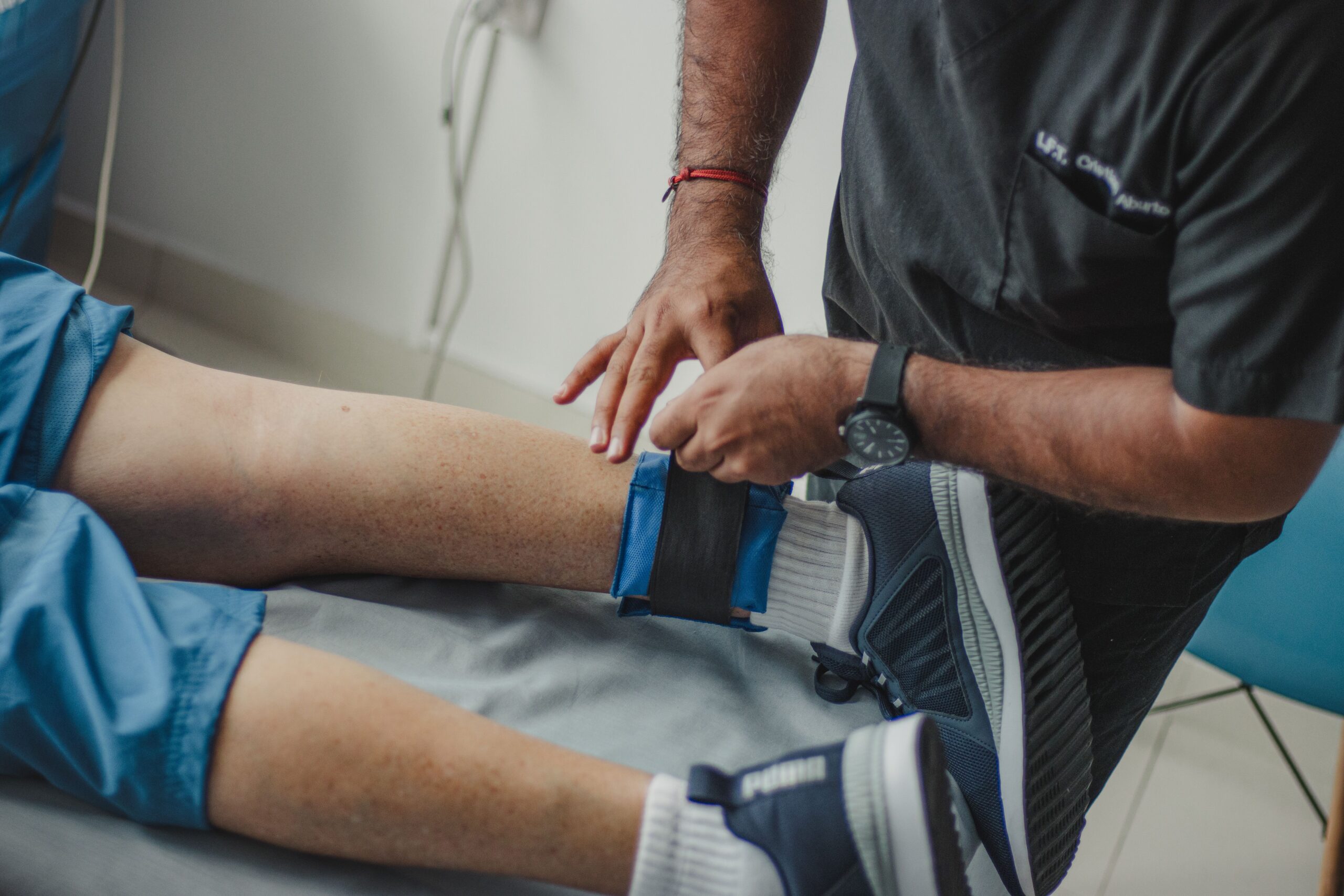
Do what your doctor or therapist tells you to do. Do not overdo it by doing more reps, distance, weight, etc. Your physical therapist can tell you when to advance your exercises.
Break up your chores into smaller tasks. Maybe get dressed, sit for a bit, make a meal, etc. If you are using a crutch, brace, etc. Make sure to follow instructions on how to wear it and use it properly.
Pay attention to your body and what it is telling you. If you experience any increased pain, swelling, loss of balance, or any other symptoms contact your doctor.
Try to do what you are able to and not overdo it.
Sleep and Mental Health
You may be stressed about money, household, and what happened to you. Allow yourself to sleep and enjoy things that you used to do before your injury.
Try to have meals at similar times and allow yourself to get to bed on time. Make your bed comfortable, and ask your doctor how to support the injured area while sleeping. Contact your doctor if you are having trouble sleeping due to medication or pain.
Allow yourself to enjoy hobbies, speak with friends, or get outside if you are able to.
If you are experiencing anxiety, depression, nightmares, etc. Contact your doctor and ask whether support resources are available.
Track Your Injuries
 Keeping a log of your injuries can be helpful. It allows you to see what you can do and what you’re still working on.
You should write down:
- Any pain or symptoms you are experiencing
- Medications you are taking and any side effects
- Appointments you have and any questions you may have for your doctor
- Chores you were able to do, needed help with, or weren’t able to do
Don’t overanalyze your body and what you are feeling throughout the day. Just keep a log for your doctors.
Change Your Routine
Always follow what your doctor tells you to do. Get emergency help for severe trouble breathing, chest pain, or sudden confusion. For other new or worsening symptoms, follow your discharge instructions or contact your care team promptly.
Some injuries will have symptoms you should look out for. Make sure you know what to do and who to call if it happens outside of your doctor’s hours. Don’t wait until your next appointment if your instructions tell you to go to the ER.
Once you have your next appointment, medication, or physical therapy, change your routine to fit your needs.
One Day at a Time
Having a routine you can live with will help you recover from your injuries. Focus on your medical needs, allow yourself to rest, ask for help, and enjoy the little things you can do each day.
You don’t have to accomplish everything on your list each day. Just have a plan that allows you to get through the day.
Written by Lisa Moletto (lisa@blogoutreach.co.uk)