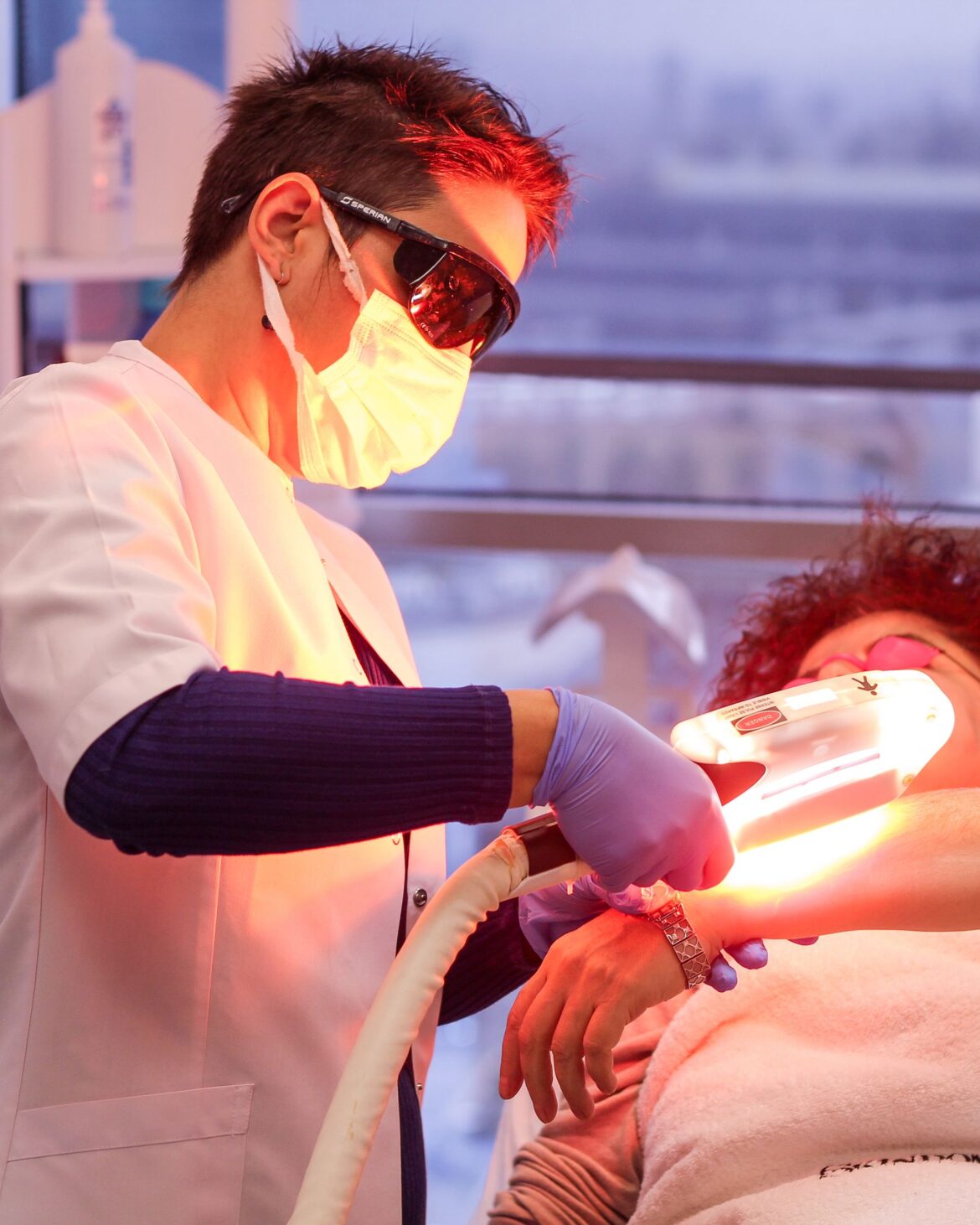
Red light panels are popping up everywhere in treatment rooms now. Before you jump into your first session, take a few minutes to think about the one body part that always gets ignored when people do sales demos: The eyes.
Eyes handle so much on their own. Your pupil tightens, your eyelids drop and your blink reflex kicks in before you even make a conscious move. But red light panels? That’s a whole different kind of light, and clients are asking for it more and more. That is why protective eyewear for red light sessions has become crucial in clinics.
How panels fit into sessions
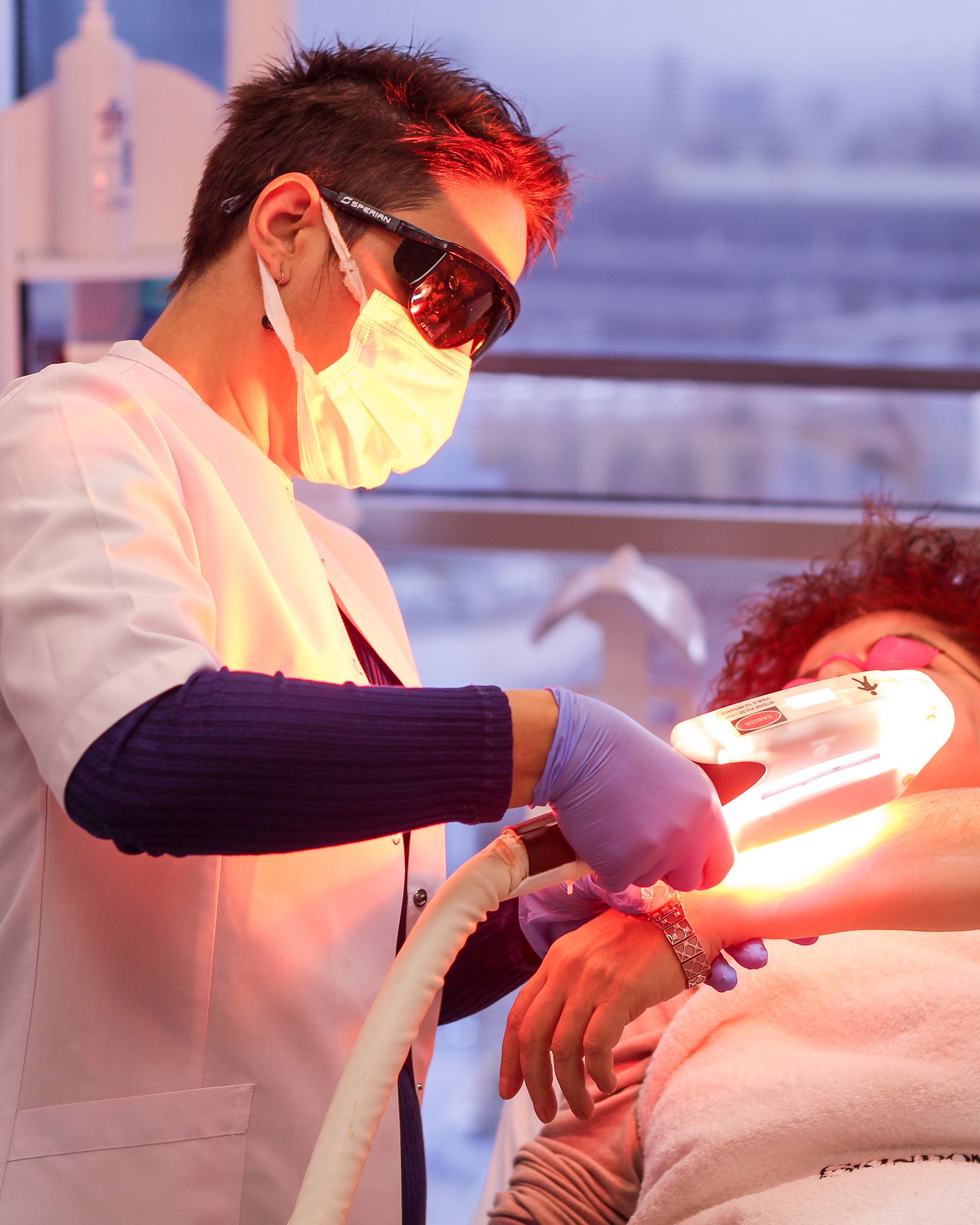
Most places either use a panel on a stand set at a certain distance, or a handheld device that you move slowly over one spot at a time. Sessions only last a few minutes, but demand keeps rising; Grand View Research puts the market at $533.8 million in 2025.
Why it feels so bright up close
These panels cram a lot of LEDs onto a small surface. NoIR points out that most devices mix visible red and near-infrared. If you’re running a session longer than ten minutes near someone’s face, with a panel above 40 mW/cm², you do need eye protection. And the thing is, near-infrared is invisible, so you can’t just squint or look away. The typical “too bright” warning signs don’t show up. The light might feel harsh, so wearing protective glasses just makes sense.
Why both you and your client need eyewear
Most manufacturers recommend eye protection for both the client and the practitioner. You’re going to spend hours in the room, picking up stray light every time you walk by. And there’s research to back this up. A JAMA Ophthalmology study from 2026 tested myopia devices and found that two laser-based models hit ANSI exposure limits in under three seconds, even though the treatment time was supposed to be 180 seconds.
Choosing the right eyewear
Red light therapy glasses let you see while blocking harmful bands. Wraparound goggles for red light therapy sit closer to the face. If clients want pitch-black darkness, blackout goggles for red light therapy are an option, but they won’t work if you need to move around during a session. You need to match the protective glasses for red light therapy to the wavelengths your device uses. There’s a huge range of light therapy goggles and glasses out there, so it’s worth double-checking the specs. Regular sunglasses won’t cut it.
Written by publications@bazoom.com