
Introduction
Varicose veins are a widespread condition affecting millions worldwide, often as a result of weakened valves preventing blood from returning to the heart easily. Not only is this discomforting but it can have lasting consequences for overall vascular and muscle health as well. Therapists working with clients experiencing varicose veins must recognize this link between vein health and muscular function.
Manual and movement therapists depend on this knowledge to meet the special needs of their clients, including varicose veins affecting muscles. Understanding this relationship allows therapists to provide better care while developing effective treatment strategies.
What Are Varicose Veins?

Blood clot in human legs illustration (deep vein thombosis)
Varicose veins, often found on legs, are swollen and twisting veins caused by weak or damaged valves inside veins that impair blood flow, leading to pooled blood in them which causes them to expand and bulge outwards. This condition often occurs as blood pools within them causing them to bulge enlarging the veins to their full extent and increase in size over time.This process is explained in detail by the Mayo Clinic.
Varicose veins can result from several factors, including aging, pregnancy, obesity and long periods of standing or sitting. All these circumstances increase pressure on veins over time, eventually leading to valve damage that manifests as heavy legs, swelling and visible enlarged veins – as well as possible symptoms like itching or skin discoloration near affected veins.
Therapists treating clients suffering from varicose veins must understand both the causes and symptoms.
How Varicose Veins Affect Muscle Health
Varicose veins can have an enormously detrimental effect on muscle health by interfering with proper blood circulation. When this occurs, oxygen delivery to muscles becomes decreased leading to fatigue and discomfort during physical activities.According to Physio-Pedia, this restricted blood flow can also hinder the removal of waste products from the muscles, further contributing to discomfort and soreness.
Muscle cramps and weakness are other complications caused by varicose veins. Reduced circulation disrupts muscle performance over time, leading to reduced endurance. Without enough blood supply, muscle atrophy may set in. To protect oneself against further complications in the future, early identification and management of varicose veins must occur in order to avoid long-term issues.
Venous insufficiency caused by varicose veins can interfere with muscle recovery after exercise or injury, delaying recovery times. Due to inadequate blood flow, which limits nutrients necessary for tissue repair, healing times increase.Research published in a PMC article highlights how these conditions can affect tissue regeneration and overall muscle health.
Therapists play an invaluable role in mitigating these effects. Through targeted interventions such as massage therapy, stretching exercises and strengthening exercises they can help improve circulation and alleviate symptoms while providing education on lifestyle modifications and referrals to specialists when necessary for comprehensive care.
Role of Manual and Movement Therapy in Managing Varicose Veins
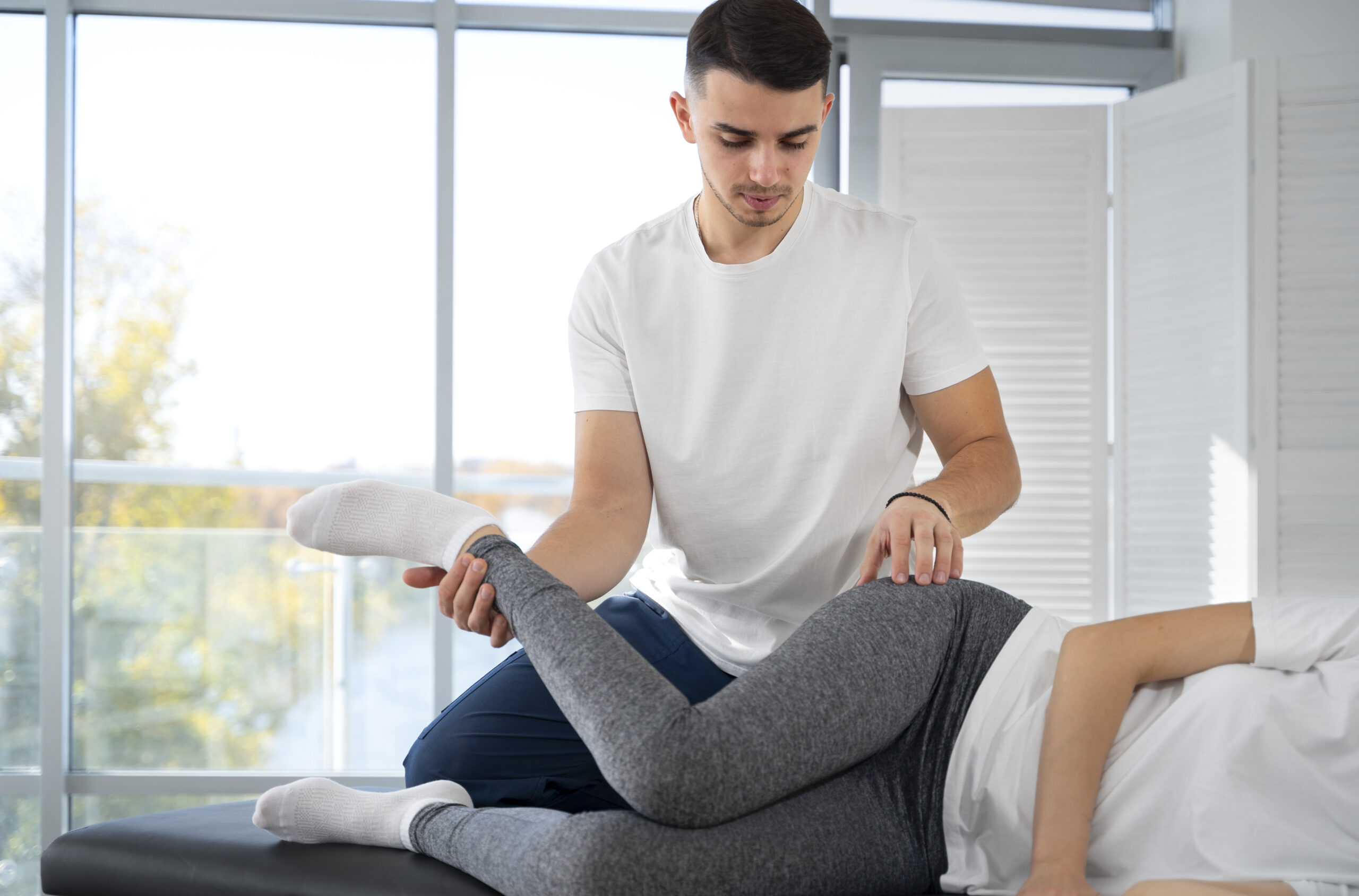
Manual and movement therapy can play a pivotal role in helping manage varicose vein symptoms. Gentle massage can promote better blood circulation while relieving discomfort caused by swollen veins. According to LearnMuscles.com, massage can also help relieve muscle tension and improve overall tissue health, making it an effective tool for managing symptoms.
Stretching and strengthening exercises are equally vital in order to relieve pressure from vein walls and strengthen muscles surrounding affected veins. Calf raises or gentle yoga poses are particularly beneficial, helping improve blood flow while decreasing swelling. Physio-Pedia highlights that consistent movement reduces the risk of complications and supports overall vascular health.
Compression therapy can also be an invaluable intervention, providing relief to clients suffering from varicose veins. Wearing compression garments helps improve venous return by applying gentle pressure to legs to encourage blood to return back toward the heart. Combining manual therapy techniques with compression therapy increases its benefits further and can provide long-term relief to clients living with varicose veins.
For therapists in specific areas, such as Mesa, collaborating with specialists can offer a more comprehensive approach. Referring clients to vein clinics, such as the Elite Vein Clinic in Mesa, ensures they receive specialized care, including advanced medical interventions if needed. This combination of therapy and medical expertise addresses both immediate symptoms and underlying conditions.
Preventive Measures for Muscle and Vein Health
Maintaining a nutritious and hydrating routine are critical to good vascular health. A diet rich in fruits, vegetables and whole grains promotes good circulation while decreasing inflammation; keeping blood fluid helps prevent strain on veins. As noted by Johns Hopkins Medicine, proper nutrition and hydration play a crucial role in preventing varicose veins.
Regular physical activity is another effective way to preserve muscle and vein health. Low-impact exercises like walking, swimming and cycling help boost blood flow without overstretching the veins; additionally these activities strengthen leg muscles which support veins for proper circulation. Physio-Pedia recommends incorporating such exercises into daily routines to reduce the risk of venous insufficiency.
Posture and ergonomics are also key in supporting vein health, helping prevent blood from pooling in the veins. Elevating legs when resting helps promote circulation while proper posture during work helps ensure healthy veins. Even small adjustments like elevating legs during rest periods or maintaining proper posture during work can make a substantial impactful difference when it comes to decreasing venous pressure.
Regular checkups are important, particularly for individuals at increased risk from factors like age, pregnancy or family history of varicose veins. Early detection and intervention can reduce complications while supporting long-term vein health.
When to Refer Clients to a Specialist
Varicose veins often require medical intervention, as indicated by persistent pain, significant swelling, skin ulcers or any change in color around affected veins. Signs indicating this need include persistent discomfort, significant skin ulceration or changes to skin color around affected veins.According to the Mayo Clinic, these symptoms may suggest complications like blood clots or advanced venous insufficiency.
Therapists play an invaluable role in recognizing signs during sessions. If symptoms persist or do not improve through manual and movement therapy, referral to a specialist should be made. Collaborative care between therapists and medical professionals ensures clients receive both symptom relief as well as appropriate medical treatment.
Therapists in Mesa often benefit from referring clients to local specialists like Elite Vein Clinic for comprehensive care. Clinics like Elite Vein Clinic in Mesa provide advanced evaluation and treatments for varicose veins – complementing manual and movement therapists’ work in providing care.
Conclusion
Understanding how varicose veins impact muscle health is of vital importance for therapists. Varicose veins can cause discomfort, reduced muscle function, and slower recovery rates; by employing preventive measures like proper posture and physical activity to keep clients’ veins and muscles healthier; massage therapy or stretching could be used effectively to manage symptoms effectively.
Collaboration among medical professionals ensures clients receive comprehensive care. Referring clients to specialists can open up access to more advanced treatments. Therapists with the appropriate knowledge and approach can make a dramatic impactful difference to clients’ well-being.
Author’s Detail
Name:- Dorothy Price
Email Address:- dorothyprice196@gmail.com