


Introduction
Varicose veins, an increasingly prevalent condition where veins expand and twist out of their normal flow, compromising normal blood flow, leading to poor circulation, swelling, discomfort, and leg heaviness. Therapists frequently encounter clients dealing with this issue and can play an essential part in managing symptoms effectively.
Manual therapy can be an invaluable asset in aiding circulation in those living with varicose veins, by increasing blood flow and decreasing venous pressure, manual therapies can alleviate discomfort while simultaneously improving muscle function. This article offers practical techniques and insights for supporting clients dealing with circulation issues caused by varicose veins.
Understanding Circulation Challenges in Varicose Veins
Varicose veins occur when the valves in veins become damaged or weaker, restricting blood from returning to its source, which results in it pooling in veins and eventually leading to venous insufficiency.Over time, this impaired circulation can cause discomfort and swelling in the affected areas, as explained in Physio-Pedia.
Poor circulation caused by varicose veins can result in uncomfortable leg heaviness, cramping, and persistent swelling that makes everyday tasks even harder to accomplish. Overtime these symptoms can become worse with prolonged standing or sitting and make life even more challenging.Medanta highlights how these symptoms reduce quality of life and increase the need for targeted therapeutic interventions.
Therapeutic care can be instrumental in meeting these challenges. By increasing blood flow and relieving venous pressure, therapists can assist clients in managing symptoms while preventing further complications. Early intervention is key for overall vein and muscle health.
Benefits of Manual Therapy for Varicose Veins
Manual therapy can be an effective solution to improve circulation in those suffering from varicose veins. By encouraging blood flow toward the heart, techniques like gentle massage help promote circulation while simultaneously relieving pooled veins and relieving pressure in affected veins. Manual therapy addresses any associated circulatory issues linked to varicose veins.
Manual therapy plays an essential role in alleviating symptoms caused by varicose veins. It can reduce pain and swelling while improving overall comfort for clients undergoing therapy sessions; making manual therapy an invaluable asset for treating discomfort caused by varicose veins.
Integrating manual therapy with other treatments provides a holistic approach to care. Combining manual therapy with lifestyle changes such as exercise or compression therapy increases its efficacy.A ScienceDirect article emphasizes that multimodal care is essential for addressing both symptoms and the root causes of venous insufficiency.
By combining these methods, therapists can provide comprehensive support, helping clients manage symptoms while improving their overall vascular health.
Key Manual Therapy Techniques for Circulation Improvement
Massage Therapy
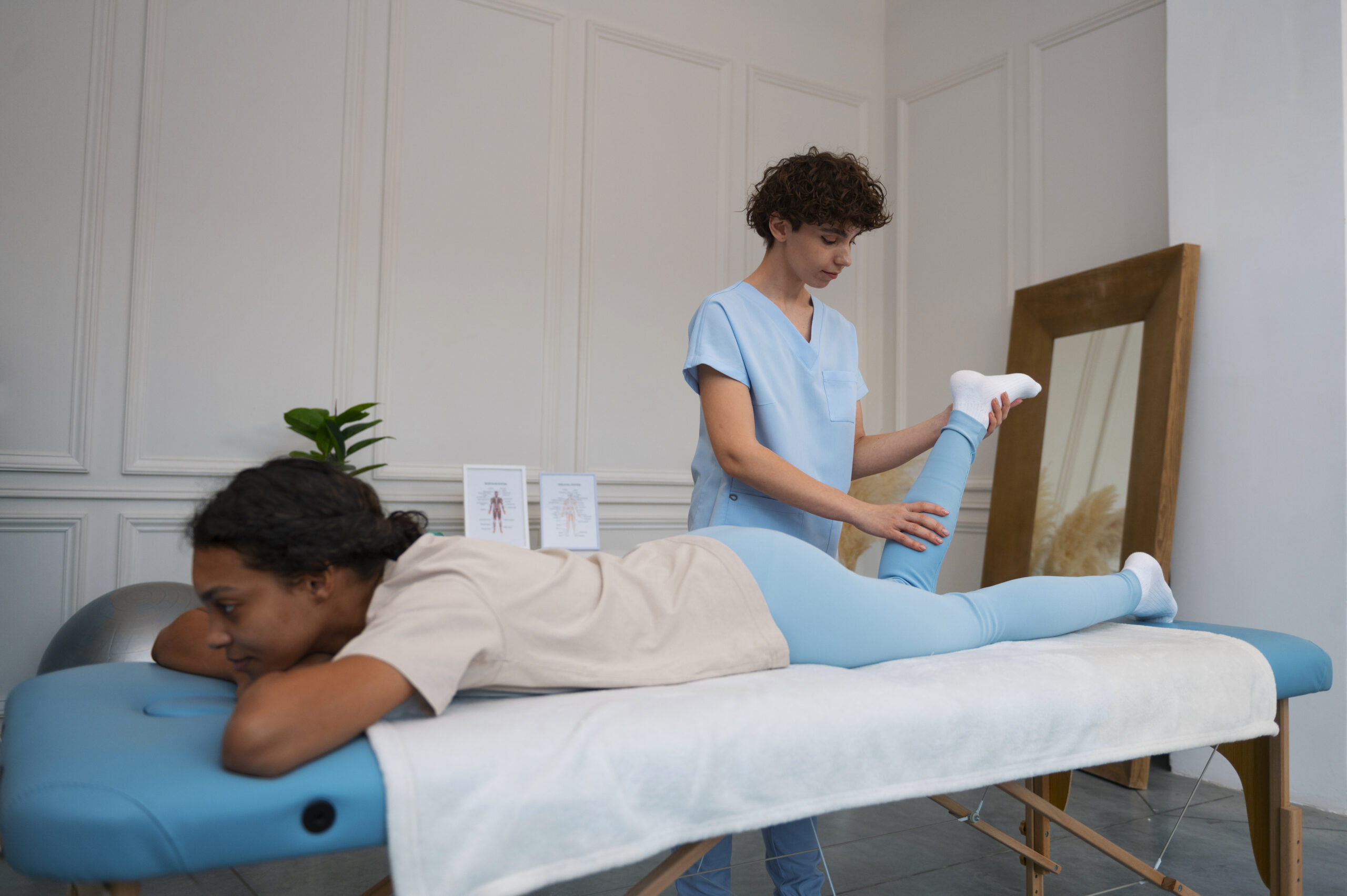
Massage therapy can be an invaluable aid in aiding circulation in those living with varicose veins. Effleurage (long sweeping strokes) and lymphatic drainage (gently stimulating lymphatic system) techniques have proven successful at encouraging venous return, thus relieving swelling and tension from affected areas. When performing these techniques it’s essential to apply gentle pressure in order not to aggravate already damaged veins further.
Skin Taping
Skin-taping techniques have recently come under widespread attention for their ability to increase circulation and promote vascular health. By lifting the skin slightly, taping creates a space which improves blood flow and lymphatic drainage – particularly beneficial when it comes to swelling reduction and increased venous return. Therapists can integrate taping techniques into their sessions as part of ongoing support for clients dealing with circulation difficulties.
Joint Mobilization and Stretching
Joint mobilization and stretching exercises are additional methods used by physical therapists to increase blood flow. Mobilizing joints increases flexibility while stimulating circulation to extremities; stretching exercises like ankle pumps or calf stretches further improve blood flow while decreasing stiffness. According to Medanta, these techniques are particularly helpful in relieving symptoms like heaviness and discomfort.
Tips for Integration
Therapists should combine multiple techniques into a customized treatment plan for optimal results. Beginning with massage, adding skin taping for long-term support and including joint mobilization/stretching exercises into their approach can provide a comprehensive plan to boost circulation and manage symptoms effectively.
Combining Manual Therapy with Exercise
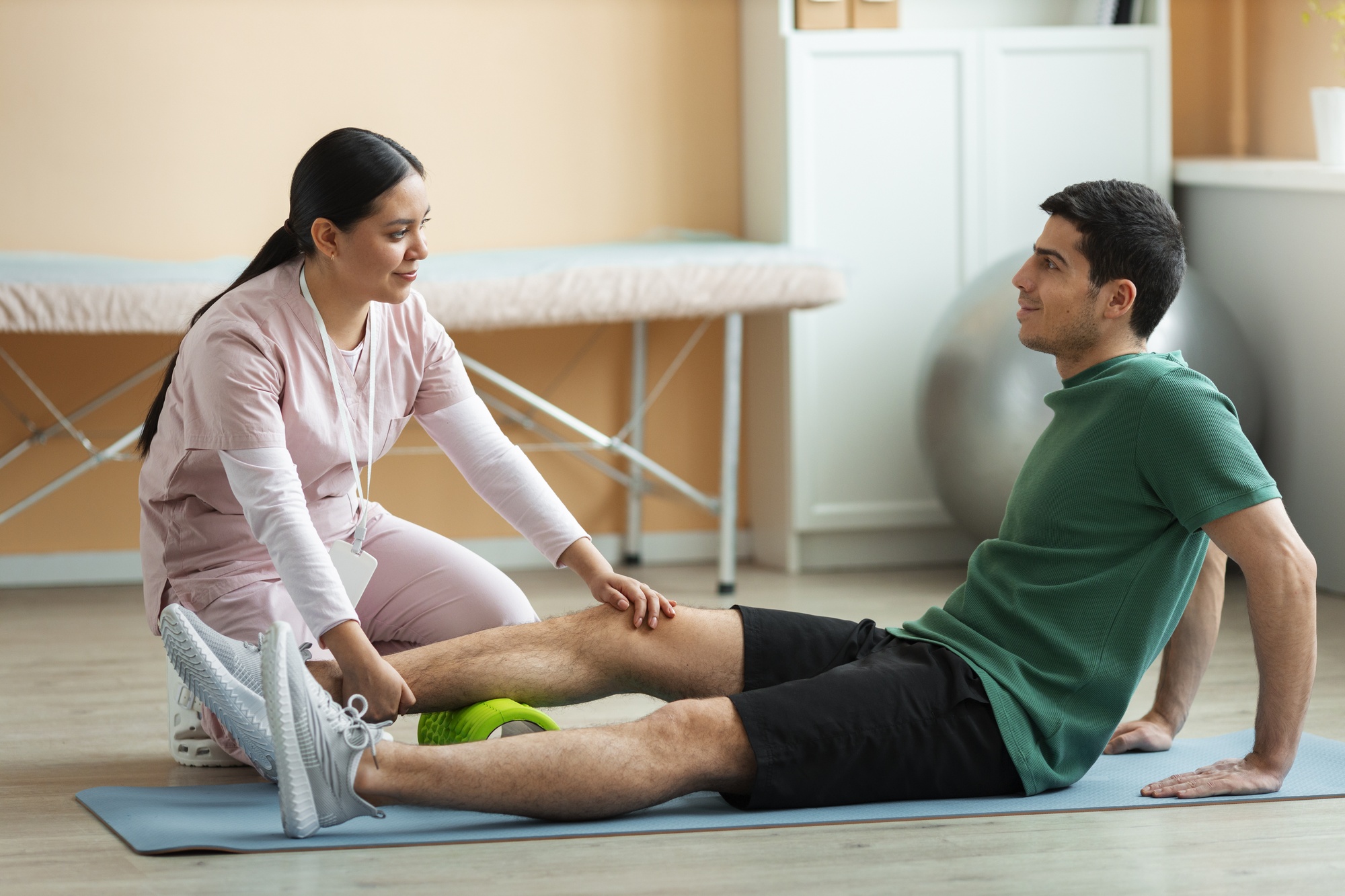
Low-impact exercises such as walking and swimming are proven ways to improve circulation, complement manual therapy and supplement acupuncture treatments. Walking helps activate calf muscles that act like pumps to circulate blood back to the heart while swimming can reduce pressure on veins while encouraging movement – an excellent choice for individuals suffering from varicose veins. Medanta emphasizes the importance of incorporating such exercises to enhance blood flow and reduce symptoms.
Combining exercises with manual therapy techniques such as massage and stretching helps increase circulation and vein health. Massage and stretching provide essential preparation for movement by relieving tension and increasing flexibility; exercise continues this positive momentum by maintaining blood flow and decreasing venous pressure.Research published in a PMC article highlights the effectiveness of combining physical activity with therapeutic interventions to manage venous insufficiency.
Therapist guidance is key to making exercise routines safe and effective, tailoring them specifically to each client’s condition while emphasizing movements that promote circulation without straining muscles. By integrating manual therapy and exercise therapy techniques together, therapists provide a comprehensive solution to managing varicose veins while improving quality of life for their clients.
Importance of Referrals and Collaboration
In some cases, varicose veins require medical treatment. Persistent swelling, intense pain, or ulcers near the affected veins are signs that medical intervention may be necessary. These symptoms can indicate complications such as advanced venous insufficiency or blood clots, as discussed in ScienceDirect.
Therapists play an invaluable role in recognizing these signs and referring clients to vein specialists for additional treatment. Working together, therapists and medical professionals ensure their clients receive a holistic approach that addresses both symptoms and root causes; using manual therapy in combination with medical treatments helps clients achieve more satisfying results.
For example, therapists in Naples can refer clients to the Fort Vein Clinic in Naples, a vein specialist clinic offering advanced evaluation and treatment for varicose veins. Partnering with such specialists enhances the overall care plan, ensuring clients receive the support they need.
Conclusion
Manual therapy is an invaluable asset in improving circulation and alleviating symptoms for those living with varicose veins. Massage, skin taping, and joint mobilization techniques such as massage can reduce swelling, alleviate discomfort, and enhance better blood flow – with exercises provided alongside this approach to care to ensure comprehensive support from professionals.
Therapists should adopt and work collaboratively with vein specialists in using these techniques and working toward optimal results for their clients. Timely and effective care can significantly enhance quality of life while helping clients manage their condition better and promote improved vascular health.
Author’s Detail
Name:- Dorothy Price
Email Address:- dorothyprice196@gmail.com

