

Introduction
Varicose veins, also known as spider veins, are swollen, twisting veins which typically appear in the legs. Varicose veins form when vein valves weaken allowing blood to pool resulting in symptoms such as swelling, discomfort and heaviness in legs.These issues can impact mobility and overall quality of life, as explained in trusted health resources.
Manual therapy offers a non-invasive solution for managing symptoms like these by increasing circulation, decreasing swelling, relieving tension and improving lymphatic drainage techniques like massage and lymphatic drainage. When combined with other treatments like compression therapy or medical interventions, manual therapy can lead to better long-term results for clients.
Understanding Varicose Veins and Their Effects
Varicose veins are enlarged, twisting veins caused by weak or damaged vein valves that allow blood to pool in one area instead of moving efficiently in its normal course, leading to varicose veins swollen by standing or walking pressure as described by vein health resources. They tend to affect legs more often because their veins bear this burden of standing and walking pressure than elsewhere on the body, such as resources on vein health.
Varicose vein symptoms typically include pain, swelling, leg heaviness and visible bulging veins. Some individuals may also experience itching or burning sensations around affected veins.These symptoms can worsen after long periods of standing or sitting, as noted in articles about vein-related symptoms.
Varicose veins can severely limit mobility and quality of life over time, from pain and discomfort to swelling that prevents certain clothing or footwear from fitting properly, leading to emotional distress from the visible appearance of veins. Therefore, understanding these effects is key in providing appropriate care and support to individuals living with varicose veins.
Manual Therapy Techniques for Managing Varicose Veins
Massage Therapy
Gently massaging varicose veins is an effective way to manage them, as it improves circulation and decreases swelling by encouraging blood flow towards the heart. Regular massage can also ease discomfort and relieve the feeling of heaviness in legs; however, deep pressure or aggressive techniques must be avoided as these could damage already compromised veins. This is supported by guidelines on vein health, which emphasize the importance of gentle methods for safe and effective care.
Lymphatic Drainage
Lymphatic drainage is another proven manual therapy option for varicose veins. This gentle technique promotes fluid movement and reduces swelling by stimulating the lymphatic system, while also helping remove toxins from tissues for overall vein health benefits. According to trusted health resources, lymphatic drainage can provide significant relief for individuals dealing with fluid retention associated with varicose veins.
Myofascial Release
Myofascial release addresses tightness in muscles and tissues caused by poor circulation. By relieving tension, increasing flexibility, and encouraging better blood flow to affected areas, myofascial release provides relief and enhances overall circulation. By targeting tightness directly, it complements other treatments while improving overall circulation.
Practical Integration
Therapists can combine various techniques into a tailored treatment plan tailored to the client’s individual needs, for instance beginning with lymphatic drainage to decrease swelling and then adding massage and myofascial release creates an effective approach to managing symptoms and improving comfort.
Lifestyle and Self-Care Recommendations to Support Therapy

Staying active is key to managing varicose veins effectively. Low-impact exercises like walking and swimming help increase blood flow, reduce pressure in veins, prevent stiffness, and promote overall cardiovascular health.
Compression stockings are another effective way of supporting vein health, providing gentle pressure to help blood return more efficiently back towards the heart, thus reducing swelling and discomfort. Compression therapy can especially prove useful for individuals who spend long hours sitting or standing.
Hydration and diet play an integral part in reducing inflammation and improving circulation, by keeping blood flowing smoothly; drinking enough water keeps blood fluidized while eating fruits, vegetables, and whole grains helps promote vascular health. Reducing salt consumption may also help minimize swelling.
In addition to these self-care measures, clients should seek professional evaluation for more advanced care. Clinics like NYC Vein Docs specialize in comprehensive treatments for varicose veins, offering options that complement manual therapy and self-care strategies. Combining these approaches ensures better outcomes and long-term relief from symptoms.
Benefits of Manual Therapy for Varicose Veins
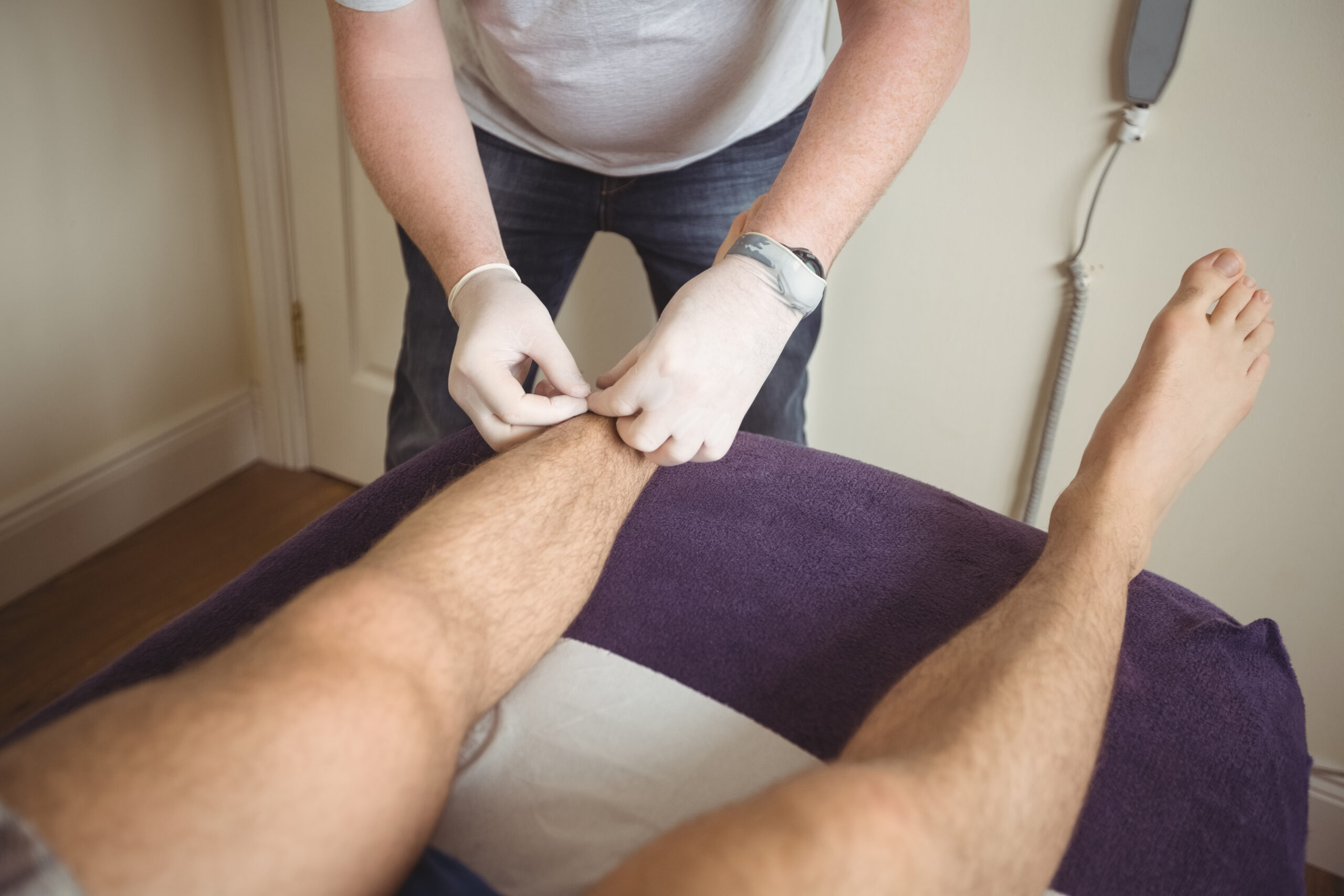
Manual therapy can offer considerable relief to those living with varicose veins. Massage and lymphatic drainage techniques such as these provide considerable comfort, including reduced swelling, alleviating pain and alleviating feelings of leg heaviness. By increasing circulation more efficiently these therapies help blood flow more smoothly reducing discomfort while improving daily activities.
Manual therapy’s aim of increasing circulation also results in greater mobility for clients, making it easier for them to walk, stand or perform other physical tasks. This enhancement in mobility can substantially enhance overall quality of life for those experiencing persistent symptoms.
Manual therapy not only relieves immediate symptoms, but it can also lower the risk of varicose vein complications like blood clots and skin ulcers which become more likely when blood flow is restricted severely. According to resources on vein health, improving circulation through therapy can lower the likelihood of these complications, promoting long-term vascular health.
The Importance of Integrative Care
Combining manual therapy and medical treatments for varicose veins can offer clients comprehensive relief. Medical options like vein ablation or sclerotherapy address their root causes by closing or removing damaged veins; while manual therapy provides essential circulation improvement while helping manage symptoms such as swelling and discomfort.
Working with vein specialists can bring significant improvements for clients. Experts offer advanced diagnostic tools and treatments tailored specifically to the severity of each condition, while working together enables therapists to ensure their clients receive comprehensive care that addresses both symptoms and causes of varicose veins – providing immediate comfort as well as long-term benefits to vascular health.
Conclusion
Manual therapy is an effective solution to ease swelling and discomfort caused by varicose veins. Massage, lymphatic drainage, and myofascial release techniques can improve circulation while alleviating symptoms and increasing quality of life.
Therapists should implement these techniques into their practice and collaborate with medical professionals for comprehensive care. Combining therapy with medical treatments and lifestyle changes produces optimal results, encouraging clients to remain active, adopt healthy habits, and seek specialized attention from providers such as vein clinics can help take charge of their condition and enhance overall well-being.
Author’s Detail
Name:- Dorothy Price
Email Address:- dorothyprice196@gmail.com