


Introduction
Recognizing signs of poor vein health is an integral component of client care that should not be ignored. Informing clients about these indicators during therapy sessions can lead to improved health outcomes and help avoid long-term complications.
Manual and movement therapists play an invaluable role in helping identify symptoms related to vein issues. During therapy sessions, they may notice physical signs that clients might not notice, such as swelling, skin discoloration or visible veins – early recognition can make an enormous difference when it comes to treating vein health concerns before they worsen further.
Vein911’s Palm Harbor clinic can assist clients in timely detection and referral to vein specialists to ensure appropriate care, while avoiding invasive treatments. Poor vein health – including conditions like venous insufficiency – can cause pain, limited mobility, and other complications if left untreated; so recognising these risks is crucial to providing comprehensive client support services.
Understanding Vein Health and Common Disorders
Veins play an essential part in circulation by returning blood back to its source – in particular in the lower extremities where gravity forces veins against muscle contractions and one-way valves to push upward and deliver it back to its heart. When these valves become weak or fail, blood can pool in the veins, leading to a condition called venous insufficiency.
Varicose veins, spider veins and deep vein thrombosis (DVT) are three disorders frequently linked with poor vein health. Varicose veins are large twisted veins found most commonly on the legs while spider veins may occur closer to the surface of skin but can indicate similar issues. Deep vein thrombosis (DVT), on the other hand, involves blood clot formation in deeper veins which could result in life-threatening complications – with symptoms including swelling, discoloration of skin discoloration and ongoing leg discomfort.
Therapists should pay particular attention to vein health because it has an impactful direct impact on physical activity and recovery. Conditions such as venous insufficiency can limit circulation and cause discomfort; by recognizing any issues early during therapy sessions clients can address them before they worsen – this proactively supports better therapeutic results as well as improved overall health for clients.
Visible and Physical Signs of Poor Vein Health
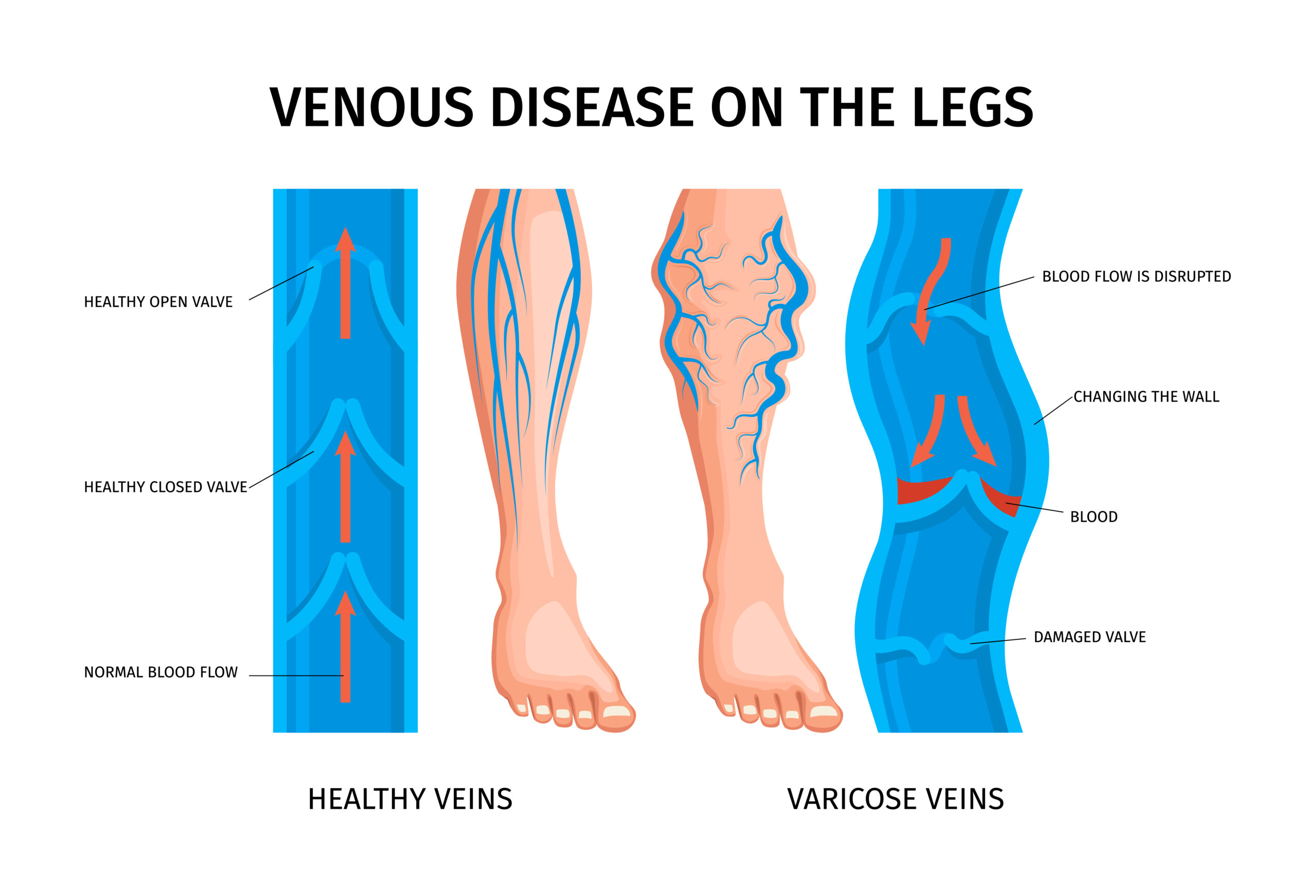
Poor vein health often manifests itself through physical symptoms that therapists can detect during sessions. Clients may report experiencing leg pain, heaviness, or swelling after standing or sitting for extended periods. Therapists might notice visible symptoms like varicose veins (commonly referred to as varicose) or spider veins on clients’ legs – visible signs can include varicose or spider veins – as well as changes in skin texture such as darkened patches or redness which indicate deeper issues within.
Therapists offer an invaluable service in recognizing signs and symptoms related to vein-related problems. By regularly performing massage or movement therapy sessions on clients’ legs and feet – an area in which vein issues often manifest themselves – massage therapists have the opportunity to identify subtle changes that clients might miss.
An occupational therapist might, for instance, notice a client’s frequent complaint of leg heaviness or discomfort and notice mild swelling or an abnormal vein more pronounced than usual upon closer inspection. Based on this observation alone, they could initiate a conversation regarding vein health issues by explaining these signs might point towards vein issues and suggesting consultation with a vein specialist; early conversations like these not only help clients address symptoms quickly but can prevent more serious complications over time.
Educating Clients About Poor Vein Health
Therapists play an invaluable role in helping their clients understand the significance of vein health. Engaging clients proactively on this issue will encourage them to take necessary steps early and prevent symptoms like leg swelling, pain or visible veins from being ignored. Utilizing simple language ensures they feel more open to learning from therapy sessions.
Providing practical advice can empower clients to manage mild symptoms or prevent worsening conditions. Simple lifestyle changes like regular exercise, elevating the legs while resting, and wearing compression stockings can improve blood flow and reduce discomfort. These steps are easy to follow and can be very effective in the early stages.
Therapists should remind clients to visit a vein specialist when their symptoms persist or worsen, to explore advanced and non-surgical treatments like sclerotherapy that is used to address vein issues like varicose veins. Clinics like Vein911 provide this procedure that is designed to treat symptoms while also preventing further complications.
Education clients is key to improving overall health as well as developing trusting relationships that encourage an in-depth approach to wellness.
Role of Therapy in Preventing Vein-Related Complications

Physical therapy and massage can play an essential part in supporting healthy circulation and warding off vein-related issues. Both therapies help increase blood flow by relieving venous stasis – where blood pools in veins due to limited movement – as well as stimulating it through manual techniques or guided exercises to avoid or limit vein issues altogether.
Therapists can introduce clients to effective preventive techniques. Encouraging calf muscle activation during sessions is an effective way to promote blood flow; as these muscles act like natural pumps for veins in the legs. Reminding clients to move their legs frequently when sitting or lying down can also contribute to maintaining healthy circulation – these small actions could make a big difference when it comes to decreasing risk for vein complications.
Therapists can empower clients by teaching them simple self-care practices in between sessions. Stretching, leg elevation and gentle exercises such as walking can all support circulation; those at higher risk for vein issues may benefit from wearing compression stockings as well. By integrating these techniques into daily life, clients can actively improve both their vein health and overall well-being.
Highlighting Advanced Vein Care Options
Modern, non-invasive treatments offer effective solutions for clients suffering from advanced vein health issues. Ultrasound-Guided Foam Sclerotherapy utilizes special foams to close off problematic veins while Endovenous Laser Treatment (EVLT) uses laser energy to seal damaged veins. Both options can be performed outpatient with minimal discomfort and allow patients to quickly return to daily activities.
Early identification of vein problems is paramount. By addressing symptoms at their initial stages, early intervention can sometimes prevent more invasive procedures from being needed, improve recovery rates and decrease risks like ulcers or deep vein thrombosis.
Clients who need specialized vein care can benefit from consulting experienced professionals. Clinics like Vein911 in Palm Harbor offer these advanced treatments in a patient-centered environment. By referring clients to trusted specialists, therapists can ensure they receive the most appropriate care for their condition. These advanced options, combined with early detection, empower clients to take control of their vein health and improve their quality of life.
Conclusion
Therapists play an essential role in recognizing and treating vein health issues. By observing visible signs and understanding physical symptoms during therapy sessions, therapists can guide clients toward early intervention for improved outcomes. By identifying issues early, clients can take proactive steps that reduce risks while increasing quality of life.
Integrating vein health discussions into everyday practice can make an immense difference. Therapists should educate clients on the significance of vein care while offering helpful tips for managing symptoms.
Empowering clients with knowledge can build trust between therapist and client, and lead to stronger therapist-client relationships. By taking an active part in their health, clients can increase overall wellness while feeling supported throughout their journey.
Author’s Detail
Name:- Dorothy Price
Email Address:- dorothyprice196@gmail.com

