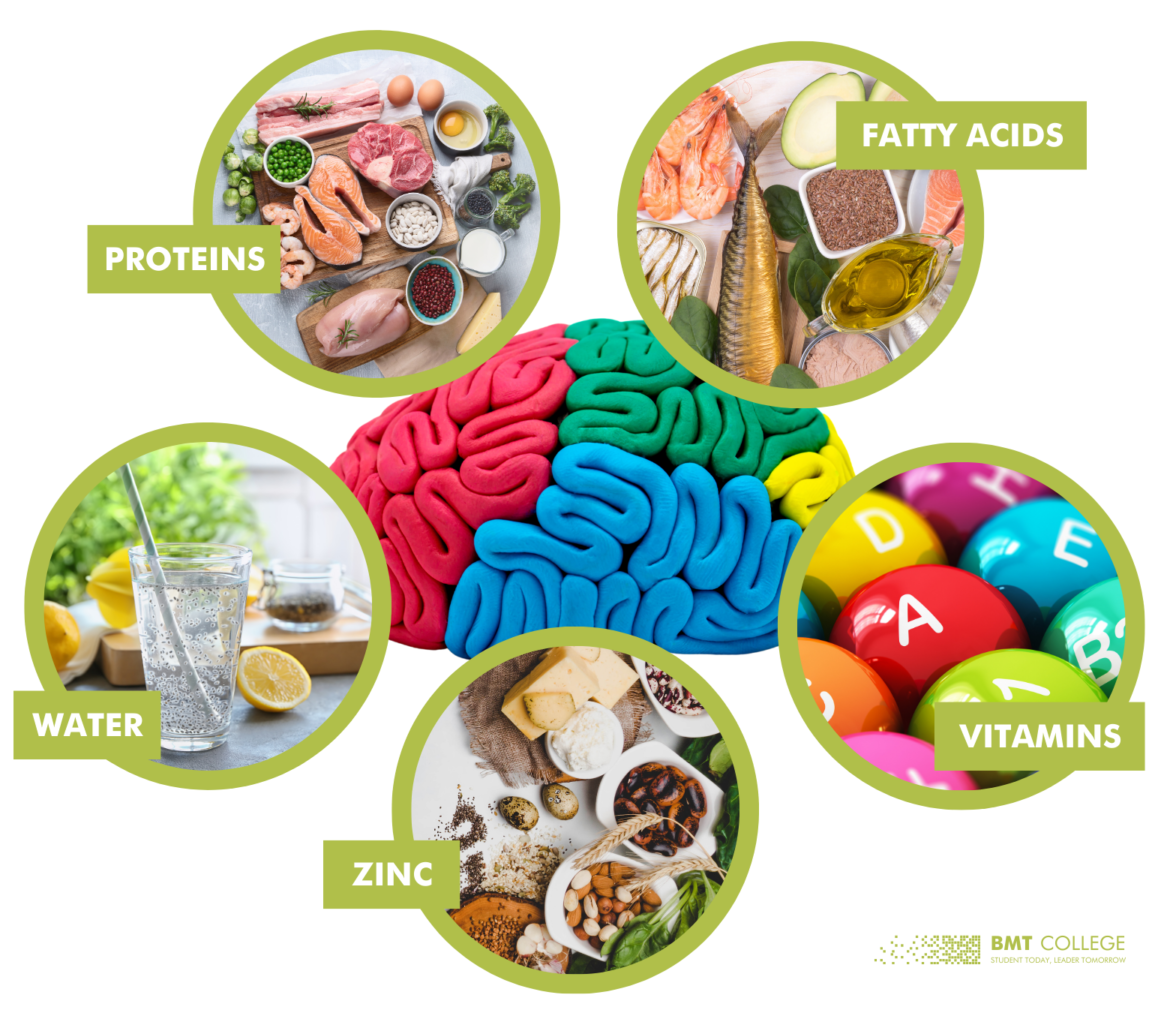
Let’s be real—college eating habits are a disaster. Between instant noodles, vending machine snacks, and enough caffeine to power a small city, actual nutrition isn’t exactly a priority. But here’s the thing: what you eat has a massive impact on how you feel, how well you focus, and even how you handle stress. You wouldn’t put the wrong fuel in a car and expect it to run perfectly, right? Same deal with your body and brain.

Why Does Nutrition Even Matter?
Look, no one’s saying you need to eat like a fitness influencer, but if you’re constantly running on junk food, don’t be surprised when you feel like garbage. Eating better isn’t about counting calories or obsessing over every ingredient—it’s about making sure your brain actually has the nutrients it needs to function.
The benefits of healthy nutrition for students go beyond just staying in shape. Good food helps with focus, memory, and keeping your energy levels stable so you don’t crash mid-class. Plus, eating well means fewer sick days, better sleep, and less stress. And let’s be honest—who wouldn’t want to feel less like a zombie during morning lectures?
Healthy Eating Habits and Student Health
So how do you actually eat healthy when you’re broke and busy? It’s not as complicated as it sounds. You don’t need to meal-prep like a pro or drop a fortune on organic groceries.
Start simple:
- Swap out processed snacks for something with actual nutrients (nuts, fruit, yogurt—you get the idea).
- Drink water. No, seriously. Half of the time you feel exhausted, you’re probably just dehydrated.
- Get some protein in your meals so you’re not starving an hour later.
- Cut back on sugar-loaded drinks unless you like feeling jittery and then crashing.
Healthy eating habits and student health are all about small choices adding up. And if you’re thinking, “Yeah, but I don’t have time,” remind yourself that cooking a basic meal takes the same amount of time as waiting in a fast food line.
And if school is overwhelming and you need a little extra help, sometimes outsourcing an assignment can take the pressure off. Services where you can buy an essay exist for a reason—so you can actually have time to take care of yourself.
The Impact of Nutrition on Academic Performance
Ever eaten a giant greasy meal before class and then felt like your brain just… stopped working? That’s not a coincidence. What you eat actually affects your ability to think, learn, and focus.
A solid diet—one with protein, whole grains, and healthy fats—keeps your brain running at full capacity. The impact of nutrition on academic performance is real. Research shows that students who eat a balanced diet do better in school, remember more, and can actually concentrate for longer than five minutes. Crazy, right?
And if you’re drowning in deadlines and need an extra hand, https://kingessays.com/term-paper/ can take some of the academic load off while you focus on keeping your brain fueled.
Dietary Choices and Student Well-Being

Food doesn’t just affect your body—it affects your mood, too. Ever been super cranky and realized you hadn’t eaten all day? Yeah, your brain needs fuel. And eating garbage all the time can actually make stress, anxiety, and even mild depression worse.
Dietary choices and student well-being are connected in ways most people don’t think about. If you want to keep your mood in check:
- Eat real food, not just whatever’s fastest.
- Get some fiber (yes, this actually affects your mental state).
- Cut back on energy drinks and excessive caffeine—your nervous system will thank you.
- Eat foods rich in magnesium (dark chocolate, nuts, leafy greens) to help with stress.
If you’re feeling overwhelmed, start small. Even swapping one meal a day for something nutritious can make a difference.
Balanced Nutrition for Improving Student Health
The good news? You don’t have to eat perfectly to be healthy. The bad news? Living off fast food and energy drinks will catch up to you. The trick is balance—eating mostly decent meals but still enjoying your favorite foods without guilt.
Balanced nutrition for improving student health is about making choices that don’t feel like a chore. Some people do better with three meals a day, others prefer smaller, frequent meals—find what works for you. Just make sure you’re getting:
- Carbs for energy
- Protein for focus
- Healthy fats for brain function
And don’t stress too much about perfection. Even choosing whole grain bread over white or swapping chips for fruit once in a while adds up.
The Bottom Line
Your diet affects literally everything—your energy, your focus, your mood, even how well you sleep. But eating better doesn’t have to be complicated, expensive, or time-consuming. A few simple changes can make a huge difference in how you feel and perform academically.
At the end of the day, eating better isn’t about being perfect. It’s about making smarter choices so you don’t feel like a burnt-out mess halfway through the semester. And honestly? That’s worth a little effort.
Written by Erica R. Gibson – gibsonericar@gmail.com