

What are Teeth Aligners?
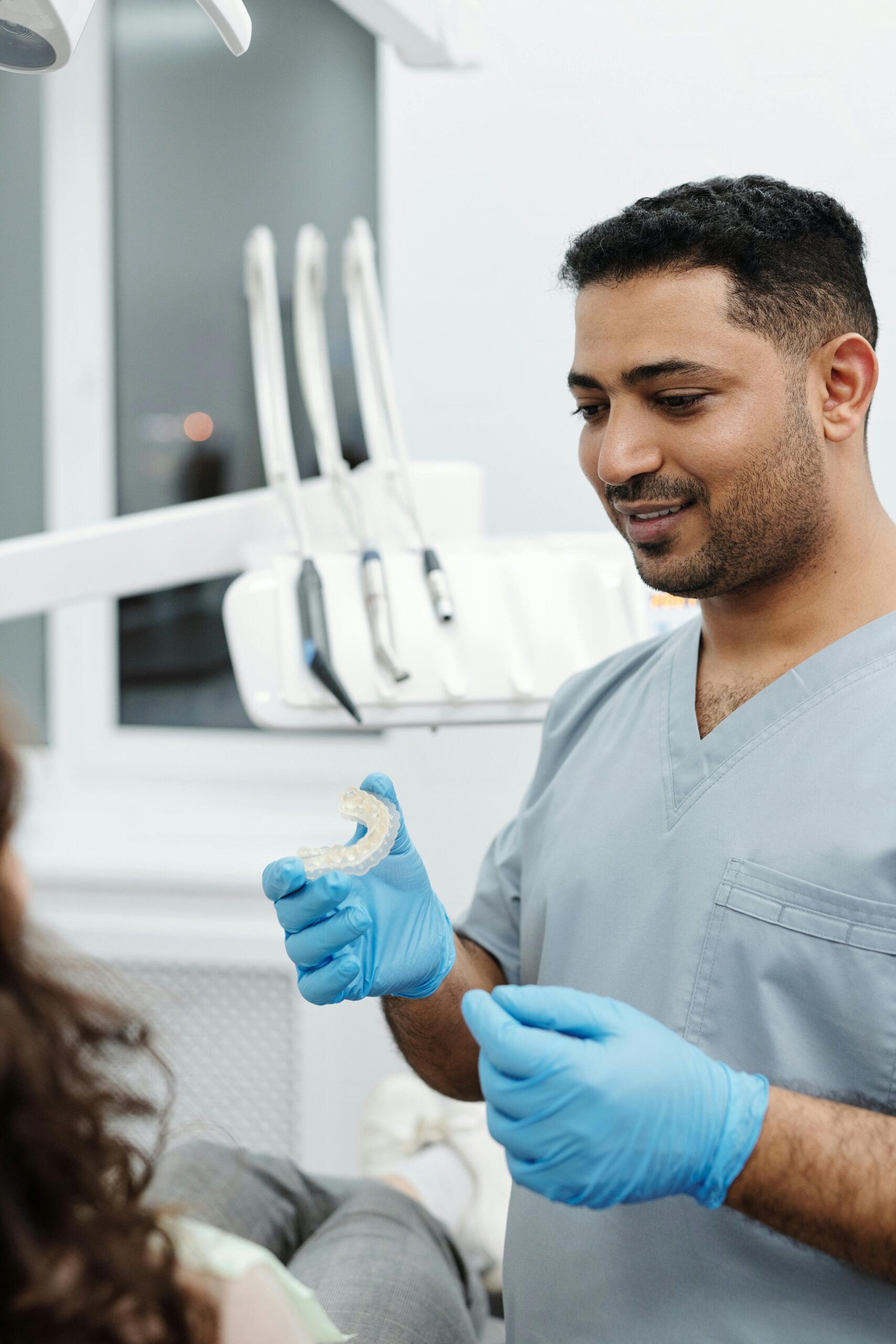
Teeth aligners are a modern way to straighten your teeth without using metal braces. They are clear, plastic trays designed to fit over your teeth and slowly move them into the right position. Unlike traditional braces, they do not have wires or brackets, making them more comfortable and less noticeable.
How do Teeth Aligners work?
Teeth aligners work by applying gentle pressure on your teeth to shift them gradually. You will receive a set of aligners, each slightly different from the previous one. Every two weeks, you switch to a new set, moving your teeth step by step into their perfect place. The entire process usually takes between 6 to 18 months, depending on how much your teeth need to be adjusted.
Benefits of Teeth Aligners
- Invisible Look – Since they are clear, most people won’t even notice you’re wearing them.
- Comfortable Fit – No sharp brackets or wires that can poke your gums.
- Removable – You can take them out while eating or brushing your teeth.
- Better Oral Hygiene – Since they are removable, you can clean your teeth more easily compared to braces.
- Fewer Dental Visits – Unlike braces, you don’t need to visit the dentist every few weeks for adjustments.
- Less Dietary Restrictions – With traditional braces, you must avoid hard, sticky, or chewy foods that could damage the wires and brackets. Aligners allow you to eat whatever you like, as long as you remove them first.
- No Risk of Metal Allergies – Some people are allergic to metal used in braces. With aligners, you don’t have to worry about that at all.
Who can use Teeth Aligners?
Teeth aligners are great for teenagers and adults who want a straighter smile. However, they may not work for very complex dental problems. A dentist or orthodontist will check your teeth and decide if aligners are right for you.
Aligners are ideal for people with:
- Mild to moderate crowding or spacing issues
- Slightly crooked teeth
- Relapsed teeth after previous braces treatment
However, they may not be suitable for severe cases of misalignment or bite problems. In such cases, braces or other orthodontic treatments might be recommended instead.
If you are seeking expert dental consultation abroad, such as in Dubai, you can easily find a reputable dental clinic in Karama or nearby areas that is ready to assist you on your journey to a perfect smile.
How to use Teeth Aligners correctly
- Wear them for at least 20-22 hours a day.
- Remove them only when eating, drinking anything other than water, or brushing your teeth.
- Clean them daily to avoid bacteria buildup.
- Switch to a new set as per your dentist’s instructions.
- Store them in a case when not in use to prevent losing or damaging them. • Avoid hot beverages while wearing them, as heat can warp the plastic.
Are there any disadvantages?
Like any treatment, teeth aligners have a few downsides:
- Requires Discipline – You must wear them consistently for the best results.
- Mild Discomfort – Some people may feel slight pressure when switching to a new set, but it goes away in a few days.
- Can Be Lost or Damaged – Since they are removable, there is a risk of misplacing them.
- May Not Work for Severe Cases – If you have a complicated bite issue, braces might be a better solution.
- Higher Cost – Aligners tend to be more expensive than traditional metal braces.
How much do Teeth Aligners cost?
The cost of teeth aligners varies depending on the brand and the complexity of your treatment. On average, they can range from INR 80,000 to above 1,00,000. Some dental clinics offer payment plans to make them more affordable.
Taking care of your Teeth Aligners
To keep your aligners clean and clear:
- Rinse them with water every time you remove them.
- Use a soft toothbrush and mild soap to clean them (avoid toothpaste, as it can scratch them).
- Store them in their case when not in use to prevent loss or damage.
- Avoid using hot water to clean them, as it can deform the aligners.
- Use an aligner cleaning solution if needed to prevent staining.
Are Teeth Aligners better than Braces?
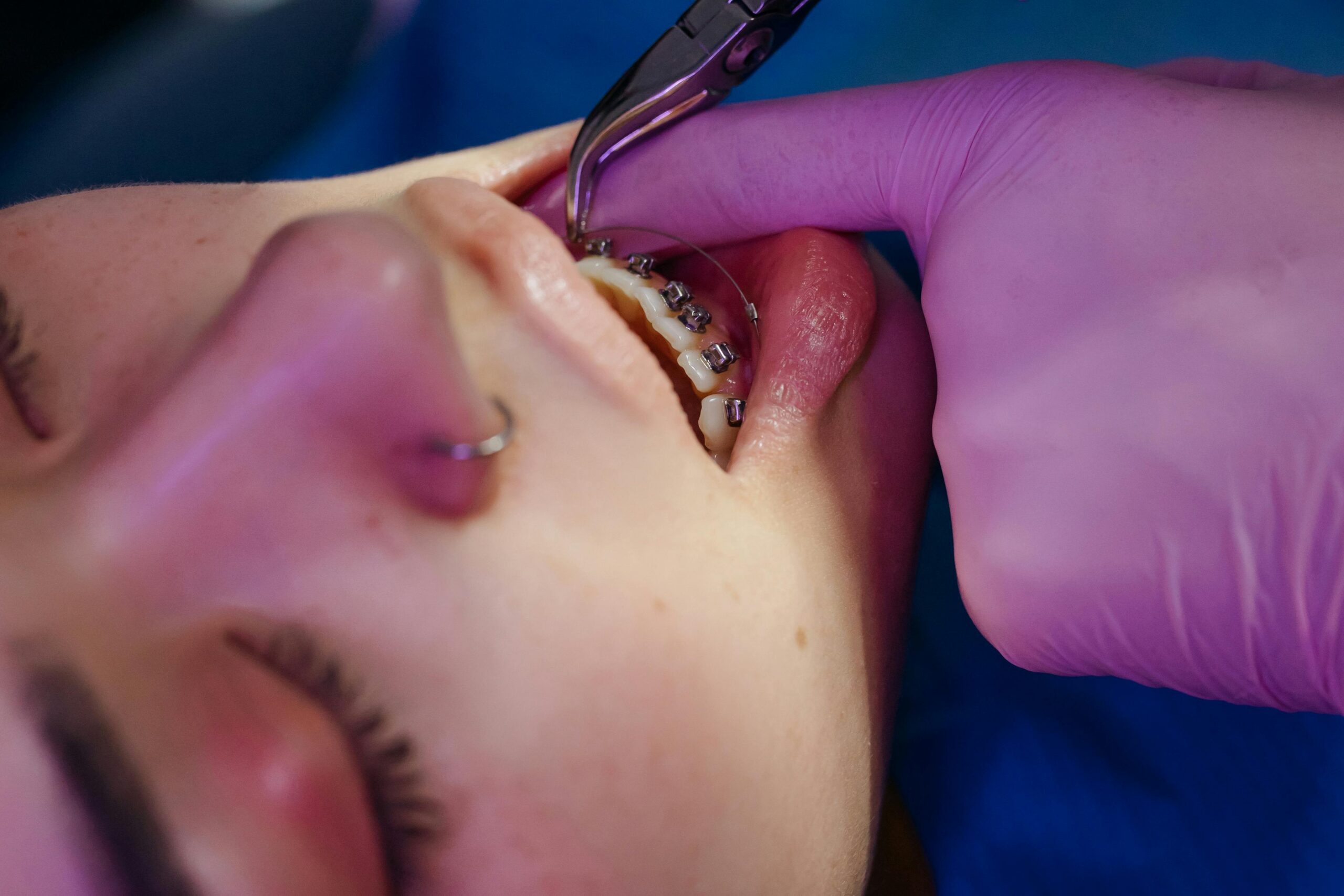
Both braces and aligners are effective for straightening teeth, but the right choice depends on your needs. Aligners are better for people who want a discreet, comfortable, and removable option. However, for severe misalignment, traditional braces might be a better choice.
Comparison between Aligners and Braces:
| Feature | Aligners | Braces |
| Visibility | Nearly invisible | Highly visible |
| Comfort | More comfortable | Can cause irritation |
| Removability | Can be removed | Fixed in place |
| Cleaning | Easier to maintain oral hygiene | Harder to clean |
| Effectiveness | Best for mild to moderate cases | Works for all cases |
| Adjustments | No frequent visits needed | Requires regular
adjustments |
| Restrictions | No food restrictions | Avoid certain foods |
Tips for a successful Teeth Aligners journey
- Follow your dentist’s instructions carefully.
- Be patient, as results take time.
- Keep an extra case with you to store your aligners when eating.
- Take progress photos to track your improvements.
- If you lose an aligner, contact your dentist immediately to avoid delaying your treatment.
- Wear your retainers after treatment to maintain your new smile.
Teeth aligners are a fantastic way to get a straight smile without the hassle of braces. They are easy to use, comfortable, and almost invisible. If you have always wanted straighter teeth, talk to a dentist and see if aligners are the right fit for you. A confident smile is just a few months away!
Investing in aligners not only improves your smile but also boosts your confidence. Whether you’re preparing for an important event, improving your appearance, or simply taking care of your oral health, aligners provide a convenient and effective solution. Remember, a great smile can change your life!
Written by media@blogmanagement.io