

You work out. You lift, you push, you move your body with purpose. That part’s obvious. It’s where the sweat happens. But the part most people don’t think enough about is what comes next: recovery.
Maybe you’ve noticed it’s taking longer than expected to bounce back. Or you’re sore more often than not. Or you’re doing everything “right” in the gym but not seeing the results you expected.
If that sounds familiar, we’re here to help.
We will walk through what muscle recovery really is, what helps speed it up, and what mostly just feels good without doing much. You’ll come away with a better sense of how to train smarter, stay injury-free, and get more from the work you’re already doing.

What Recovery Actually Is
Your Muscles Break Down to Build Up
Every time you work out—especially if you’re lifting or doing intense movement—you’re creating tiny tears in your muscles. That’s not a bad thing. Those tears are how your body knows it needs to rebuild, stronger than before. Recovery is when that rebuilding happens.
Soreness Doesn’t Always Mean Progress
Yes, you might feel sore after a hard session, especially if you’ve done something new. But soreness doesn’t automatically mean you’re building muscle. It just means your body’s adjusting. If you’re sore all the time, it could mean your recovery isn’t keeping up.
Recovery Is Part of the Workout
Think of recovery not as something separate from training but as part of it. What you do in between workouts—sleep, food, rest—directly affects how much progress you’ll make and how good you’ll feel doing it.
What Really Helps Muscles Recover
Sleep Is Where the Work Gets Done
During sleep, your body goes into repair mode. It rebuilds tissue, balances hormones, and resets your system. If you’re not sleeping enough, it’s like trying to build muscle with half the materials missing. Even just one night of poor sleep can throw off your whole routine.
Nutrition Fuels the Rebuild
Recovery needs fuel. Protein helps rebuild muscle while carbohydrates help restore energy stores. Healthy fats support hormone function and reduce inflammation. And hydration? Just as important. Even being slightly dehydrated can slow down recovery.
Gentle Movement Speeds the Process
When you’re sore, it’s tempting to just rest completely. But light activity, like walking, stretching, or easy cycling, helps improve blood flow, clear out waste products, and bring nutrients to your muscles. You’ll feel better faster.
Stress Slows Everything Down
Mental stress takes a toll on physical recovery. When your body is always in a state of tension, it doesn’t prioritize muscle repair. That’s why managing stress through rest, downtime, and even short breaks from screens or noise can make a real difference.
What Feels Good but Doesn’t Do Much
Massage can help ease tension and make you feel more relaxed. It might also help with circulation. But it won’t magically rebuild muscle or erase soreness. Think of it as a supplement to recovery, not the main tool.
Cold plunges or ice baths can help with soreness, especially after long or intense sessions. But if you’re aiming for muscle growth, using cold therapy right after lifting might actually slow that down. Timing and context matter.
Compression sleeves, massage guns, and infrared lights—they all have some potential benefits. But they’re not a replacement for sleep, food, and rest. They’re optional, not essential.
Supplements – What’s Worth Your Time
The Everyday Helpers
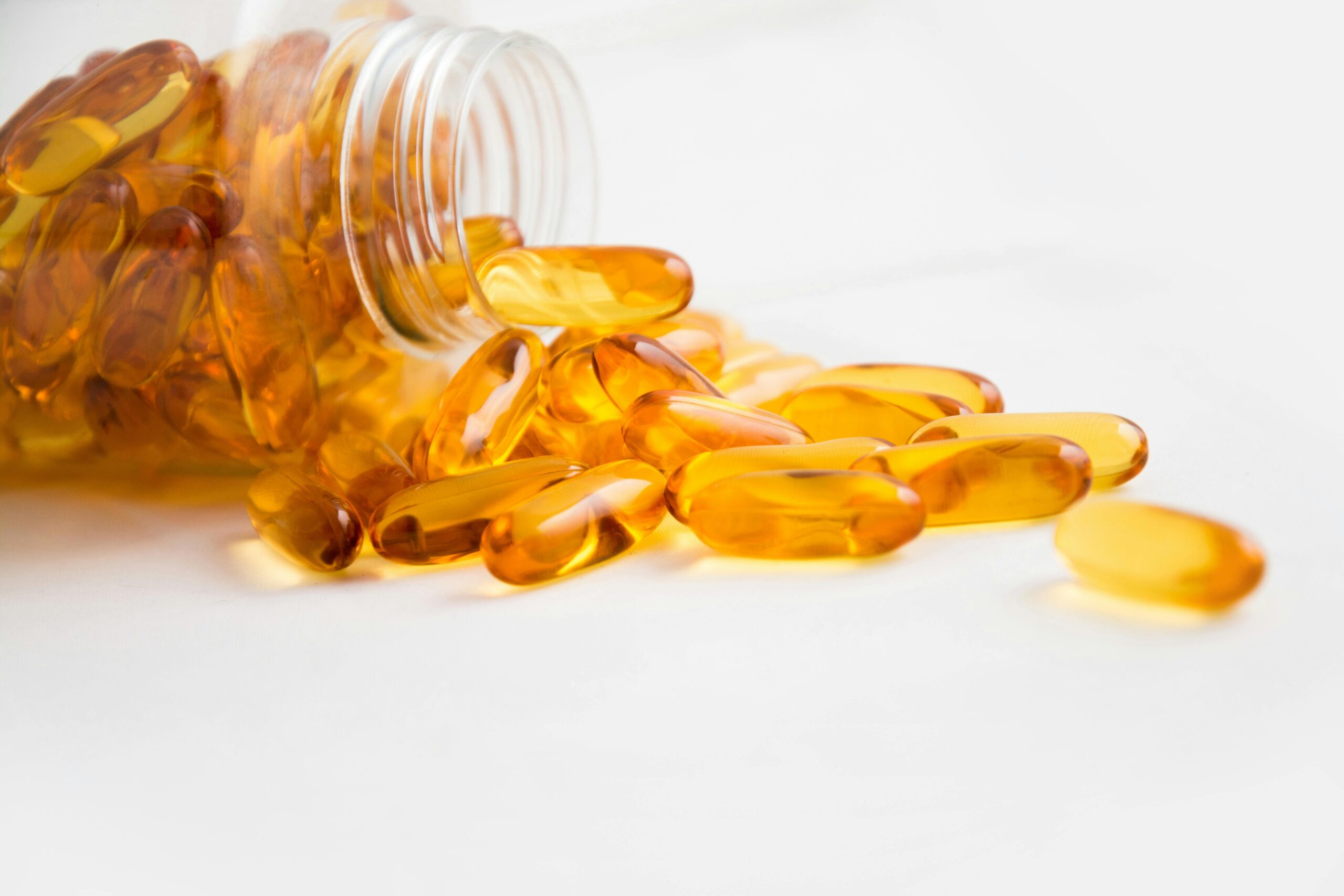
Some supplements have built a strong reputation for a reason. Creatine is one of the most studied and reliable options. It supports muscle growth, boosts strength, and helps speed up recovery. Protein powders can help you hit your daily intake goals, especially when you’re training hard or on the go. Omega-3 fatty acids, usually from fish oil, may help reduce muscle soreness and support joint health.
Then, there are micronutrients like magnesium, zinc, and vitamin D. These might not get as much hype, but they play key roles in muscle repair, sleep quality, hormone production, and overall recovery. If you’re low on any of them, it can slow things down without you realizing why.
Peptides
Peptides are getting a lot of buzz lately, and for good reason. These short chains of amino acids help signal the body to repair and regenerate. Compounds like BPC-157 and TB-500 have become especially popular among people recovering from injuries or trying to speed up tissue healing. Many users report quicker recovery, less inflammation, and relief from lingering issues.
If you’re curious about peptides, the first step is getting solid, trustworthy information. Exploring Peptides is a great resource for that. Here, you’ll find out how these compounds work, what to watch out for when sourcing them, and what to expect. Since research is still evolving and quality can vary depending on where you buy from, it’s key to stay informed and cautious.
Like anything new you’re adding to your routine, the smart move is to do your homework, ask questions, and make sure you’re getting products from a reputable source. Used responsibly—and ideally with guidance from a healthcare provider who understands them—peptides could be a valuable part of your recovery game plan.
What Slows Recovery Down
Soreness Isn’t a Goal
Trying to be sore after every session isn’t necessary, and it’s often a sign you’re not recovering well enough. Recovery doesn’t mean you’re not working hard. It means you’re giving your body time to actually adapt and grow.
Painkillers Can Get in the Way
Using anti-inflammatories like ibuprofen all the time might dull soreness, but it can also interfere with the body’s natural repair process. It’s okay to use them occasionally, but they shouldn’t be a regular part of your post-workout routine.
Skipping the Basics
It’s tempting to chase after “quick fixes”, like fancy drinks, high-tech gadgets, or new supplements. But if your sleep, food, stress, and training balance aren’t dialed in, the extras won’t move the needle much.
Final Thoughts
You don’t need a tracking app to know if you’re recovering well. Are your workouts improving? Are you sleeping soundly? Do you feel ready for your next session, or are you dragging? That’s the data that matters.
Not every day needs to be intense. Progress comes from working hard and then giving your body time to respond. That might mean full rest days or easier sessions mixed in with the tougher ones. It’s not slacking—it’s strategy.
Recovery doesn’t need to be complicated. Sleep, eat well, move gently on off days, and manage your stress. Do those things consistently, and everything else becomes easier and more effective.
Written by media@blogmanagement.io

