

Imagine you’re out for a walk in your neighborhood. Maybe you’re heading home from the park or just enjoying the fresh air. Then a dog you don’t know rushes up and bites you. It’s quick, it’s scary, and it leaves a mark.
But after a moment, you look at the bite and think, “Well, it’s not that bad”. Maybe it doesn’t bleed much. Maybe it stings, but you’re fine otherwise. So you go home, wash it with soap and water, throw on a bandage, and try to forget about it.
A lot of people do the same thing. It’s understandable. Nobody wants to sit in a waiting room for what looks like a minor injury. But here’s the truth: ignoring a dog bite can lead to some serious problems, both for your health and possibly your future.
This article will walk you through what can happen if you don’t get proper medical care after a dog bite. From hidden infections to long-term damage and even legal trouble you might not see coming.
Let’s get into it.

Infections You Can’t See Right Away
Dog bites don’t have to look dramatic to cause trouble. Even small puncture wounds can trap bacteria under the skin. Dogs carry all kinds of germs in their mouths, and once those germs get inside a bite wound, they can start to spread fast.
At first, everything might seem okay. The skin closes up, the pain settles down, and you go about your week. But after a day or two, the area might start to swell. It could turn red or feel warm to the touch. Maybe it starts to throb, or you notice a bit of pus. These are all signs of infection, and they don’t get better on their own.
In some cases, the infection can spread beyond the bite itself and enter the bloodstream, which is called sepsis. That can become a medical emergency. What started as a small bite could suddenly turn into a hospital stay.
The Legal Angle
Let’s say the bite turns out to be more serious than you first thought. Maybe you end up with medical bills, time off work, or scarring that affects how you look or feel. At that point, you might start thinking about talking to a personal injury lawyer and whether you can hold the dog’s owner responsible.
That’s a reasonable question. But here’s something most people don’t know: if you didn’t see a doctor after the bite, it’s going to be much harder to prove your case.
When you get medical treatment, your visit is recorded. There’s a clear note of what happened, how serious it was, and what kind of care you needed. That paperwork is incredibly important if you ever decide to file a legal claim. Without it, it becomes your word against theirs.
In some situations, the owner is automatically responsible, especially if the bite was unprovoked. But even if the law is on your side, you still need proof that the injury happened and that it affected your life in real ways. Seeing a doctor helps protect both your health and your rights.
Diseases You Might Not Be Thinking About
When people hear “dog bite”, they don’t always think about rabies. But it’s something doctors consider very seriously, especially when the dog is unfamiliar or its vaccination history is unknown. Rabies is extremely rare in pets, but when it does happen, it’s deadly. and once symptoms appear, there’s no cure.
That’s why rabies shots are started quickly after a bite if there’s any chance the dog could be carrying it. It’s a precaution, but an important one. You don’t want to be guessing with something like that.
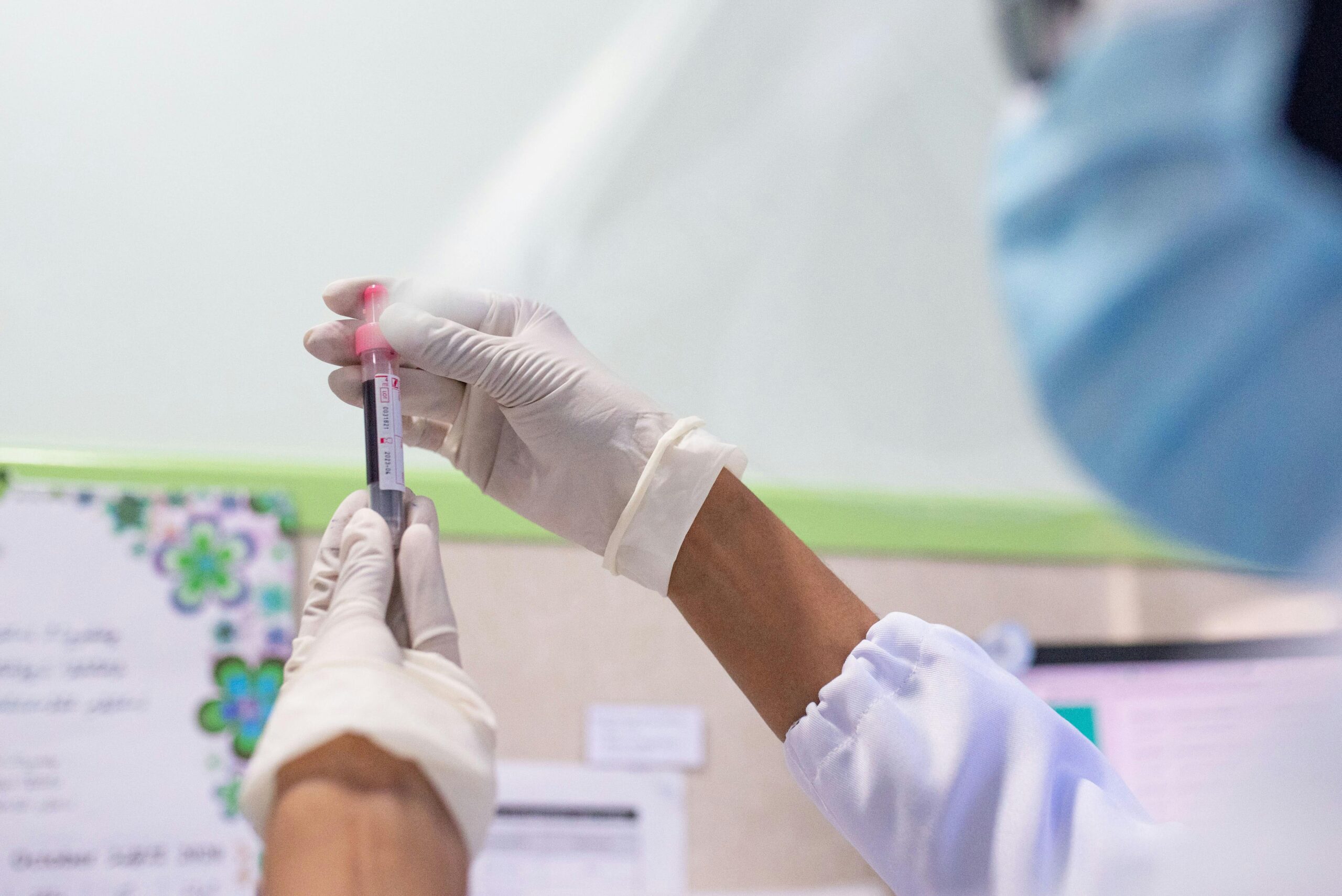
Tetanus is another infection that can come from dog bites. It’s caused by bacteria that enter through cuts or punctures, especially deep ones. If it’s been several years since your last tetanus shot, your doctor may recommend a booster just to be safe.
The Long-Term Damage You Might Not Expect
Besides infection, there’s also the risk of physical damage to things under the skin — nerves, tendons, or joints. Hands and fingers are especially vulnerable since they’re packed with small, sensitive structures. If a bite hits the wrong spot and you don’t treat it right away, you could end up with limited movement or lasting pain.
Bites to the face, arms, or legs can also leave scars, especially if they don’t heal well. If you don’t get the wound properly cleaned and cared for, you’re more likely to have visible reminders down the line.
And while most people focus on the physical injuries, there’s often an emotional piece, too. Kids, especially, feel anxiety around dogs after being bitten. That stress can stick around, and early medical help can often include support for the mental side of healing as well.
How Do You Know If You Should See a Doctor?
If you’re wondering whether a dog bite is serious enough for medical help, here’s a simple way to look at it: if the skin is broken, go get it checked. You can’t always tell how deep a wound is just by looking at the surface.
And if the bite is on your hands, face or near a joint, don’t wait. These areas are more likely to have complications. The same goes if the bleeding doesn’t stop quickly, if you start to feel sick or feverish, or if you’re not sure when your last tetanus shot was.
Even if the dog belongs to someone you know, you should still ask if it’s up to date on its rabies vaccinations. If there’s any doubt, a doctor can help you figure out the next steps.
Final Words
Getting bitten by a dog is scary, even when the injury seems small. But what matters most is what you do afterward. A quick rinse and a bandage might seem like enough at the moment, but without real medical care, you’re risking a lot more than a little scar.
Infection, lasting damage, disease — none of these things are worth leaving to chance. And if you end up needing legal support later on, having a doctor’s note in your file can make all the difference.
So, if a dog bite happens to you or someone you care about, don’t brush it off. Get it looked at. It could be the easiest decision you make that saves you a whole lot of trouble down the line.
Written by media@blogmanagement.io