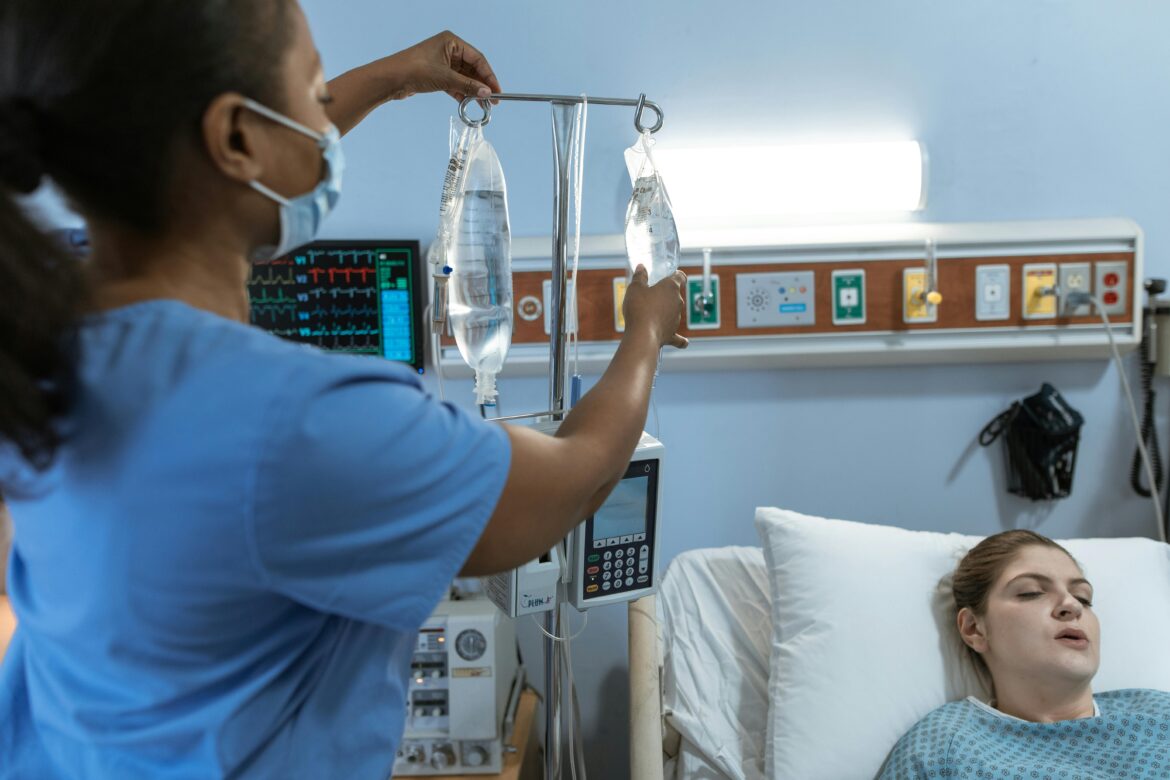
You might not know this, but the U.S. needs nearly 200,000 new nurses every year just to keep up with retirements and growing demand. That’s wild, right? And if you’ve spent years as a massage therapist or bodyworker, you’re already sitting on a goldmine of skills — hands-on know-how, anatomy smarts, genuine connection. So why not shift from kneading knots to caring at the bedside?
So let’s break it down — how to take what you already know, find the right path into nursing, get licensed, and step into your first role without losing the care and connection that brought you here in the first place.

Why Bodyworkers Make Great Nursing Candidates
If you’ve spent years doing bodywork, you already know how to read people — not just their muscles, but their moods, their tension, the way they breathe. That kind of intuition is gold in nursing. Patients don’t always say what’s wrong. Sometimes, you just have to feel it. You’ve been doing that for years.
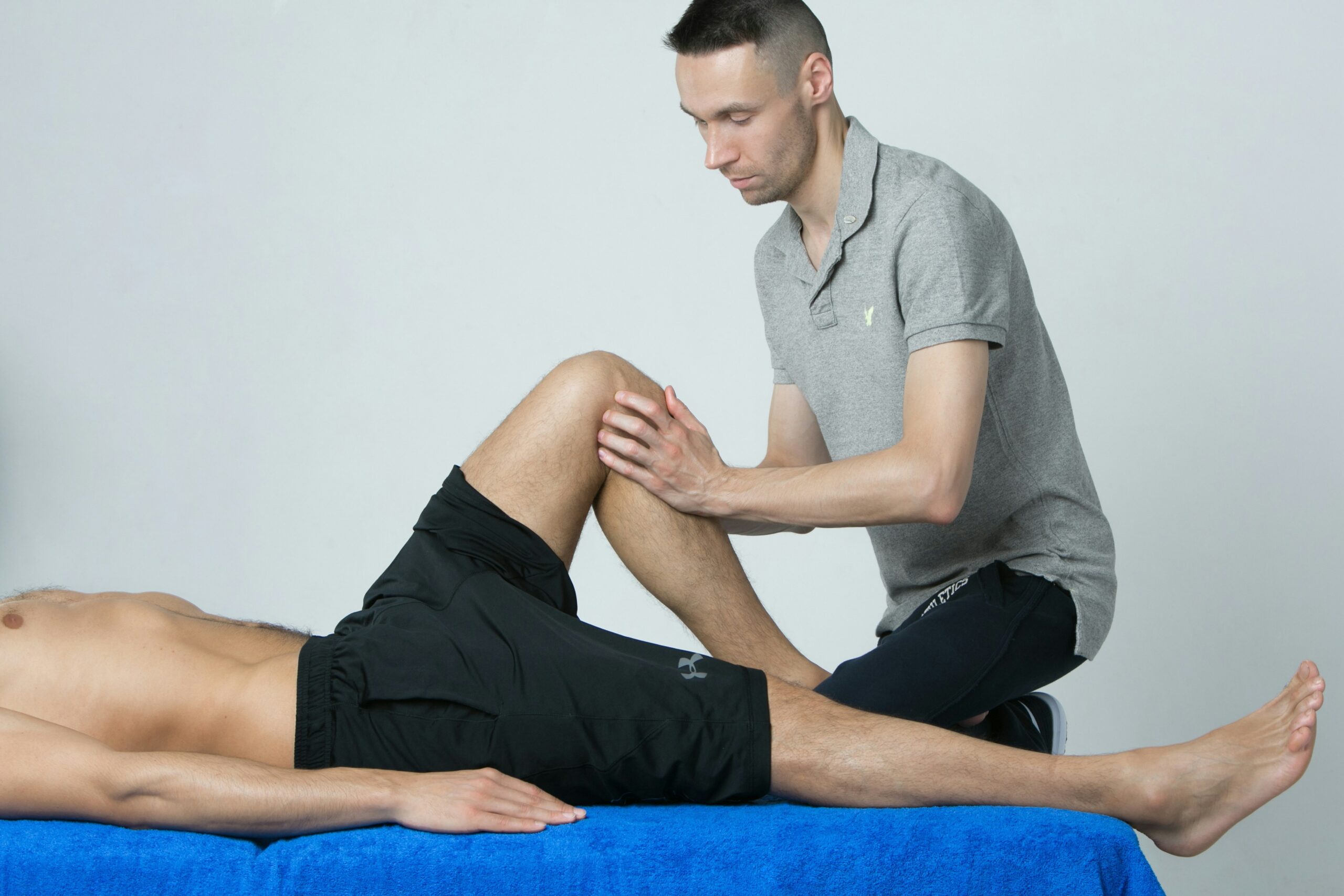
There’s also the anatomy side. You’ve probably got more practical knowledge of the human body than most nursing students walking into their first class. You know origin, insertion, referral patterns. That puts you ahead when it comes to assessment, palpation, and understanding what the body’s trying to say.
And let’s not forget hands-on skill. You’re comfortable with touch. You know how to use your body without hurting yourself. Nurses who come in without that awareness often burn out — fast.
But maybe the most important piece? You’ve built real relationships with your clients. You listen. You care. You know how to show up. And in a hospital or clinic, that’s everything.
If you’re wondering whether bodywork gives you a leg up in nursing, the answer’s yes. What you’ve done already matters. You’re just shifting the setting — not the heart behind the work.
Education & Training Pathways
So, where do you even start? Nursing has layers. You don’t have to jump straight into a four-year degree — there are flexible ways in.
Pick Your Starting Point
If you’re brand new to clinical work, becoming a Certified Nursing Assistant (CNA) is often the quickest way in. It takes just a few weeks and puts you in direct contact with patients fast. From there, you can level up into an LPN/LVN program, which usually takes about a year. Want to go further? Many students jump into an Associate Degree in Nursing (ADN) or aim straight for a Bachelor of Science in Nursing (BSN), depending on their timeline and goals.
Use What You Already Know
If you’ve taken anatomy, physiology, or kinesiology in your bodywork training, some schools might accept those credits. That could cut down on the time — and the cost. Community colleges and hybrid BSN programs are especially open to adult learners with prior education.
Study Smart
Most nursing programs require the TEAS (Test of Essential Academic Skills). A strong score can set you apart. Instead of guessing your way through it, take time to improve your nursing school application with real practice and prep.
What to Expect in School
Once you’re in, you’ll cover everything from pharmacology to pediatrics. You’ll rotate through classroom learning, hands-on labs, and clinical placements in hospitals or clinics. It’s fast-paced and full-on — but if you’ve worked a packed massage schedule and still shown up with care and focus, you’re more ready than you think.
Getting Licensed & Certified
Nursing school is only part of the journey — the next big hurdle is licensure. And yes, it’s a serious step, but it’s doable.
First up, the NCLEX. If you’re going the RN or LPN/LVN route, this is the big exam. It’s computer-adaptive, which means it adjusts to your answers as you go. Feels intense, but with the right prep, you’ll get through it.
Each state has its own board of nursing with its own set of hoops: background checks, application fees, documentation of clinical hours. It’s red tape, but you only do it once.
And after that? You’re in. But don’t toss the books just yet. Nursing requires continuing education to stay licensed — especially if you want to specialize. Down the line, you might look at certifications in areas like wound care, pain management, or even holistic nursing. If you’ve got a niche interest, chances are, there’s a credential for it.
Transitioning: Practical Tips & Mindset
Shifting into nursing isn’t just about hitting the books. It’s about reframing your experience and staying grounded while everything changes around you. Here’s how to make the leap feel less overwhelming:
- Lead with your strengths.
You already understand the body. You’ve built trust with clients. That’s huge. When applying or interviewing, frame your bodywork background as a major asset — not a side note. - Get hands-on exposure.
Volunteer in a hospital. Shadow a nurse for a shift or two. This gives you a clearer picture of different settings and helps you figure out where you fit — ICU? Pediatrics? Home health? - Build your network.
Join a local or national nursing association. Talk to students, instructors, practicing nurses. These connections can open doors, answer questions, and help you find your footing. - Take care of yourself.
Nursing can be physically and emotionally draining. Develop routines that help you recharge. Keep some of the self-care practices you used during your bodywork days. They still work — and now you’ll need them more than ever.
You’re not starting over. You’re just redirecting your skills with more tools in hand.
Where Your Healing Skills Go Next
You don’t have to start from scratch. You’ve already built trust, learned anatomy, and developed the kind of presence that can’t be taught. Nursing just adds new tools to your kit.
So what now? Look into programs. Talk to an advisor. Sign up for a TEAS prep course. Shadow a nurse. Take one step that moves you forward.
This isn’t about leaving something behind. It’s about expanding what you’re already good at. The hands-on care. The empathy. The commitment to healing.
From bodywork to bedside — it’s a leap worth taking. And you’re more ready than you think.
Written by reyesarjaypaul@gmail.com