

Back surgery isn’t exactly anyone’s idea of a good time. But when pain has been holding you back for months or even years, disc replacement surgery can feel like hitting the reset button. Of course, surgery is only half the story. The other half? Getting your muscles back in shape so your spine has the support it needs.
Think of recovery like rebuilding a team: the surgeon fixed the MVP (your spine), but now the rest of the squad (your muscles) needs conditioning before you’re back in the game.
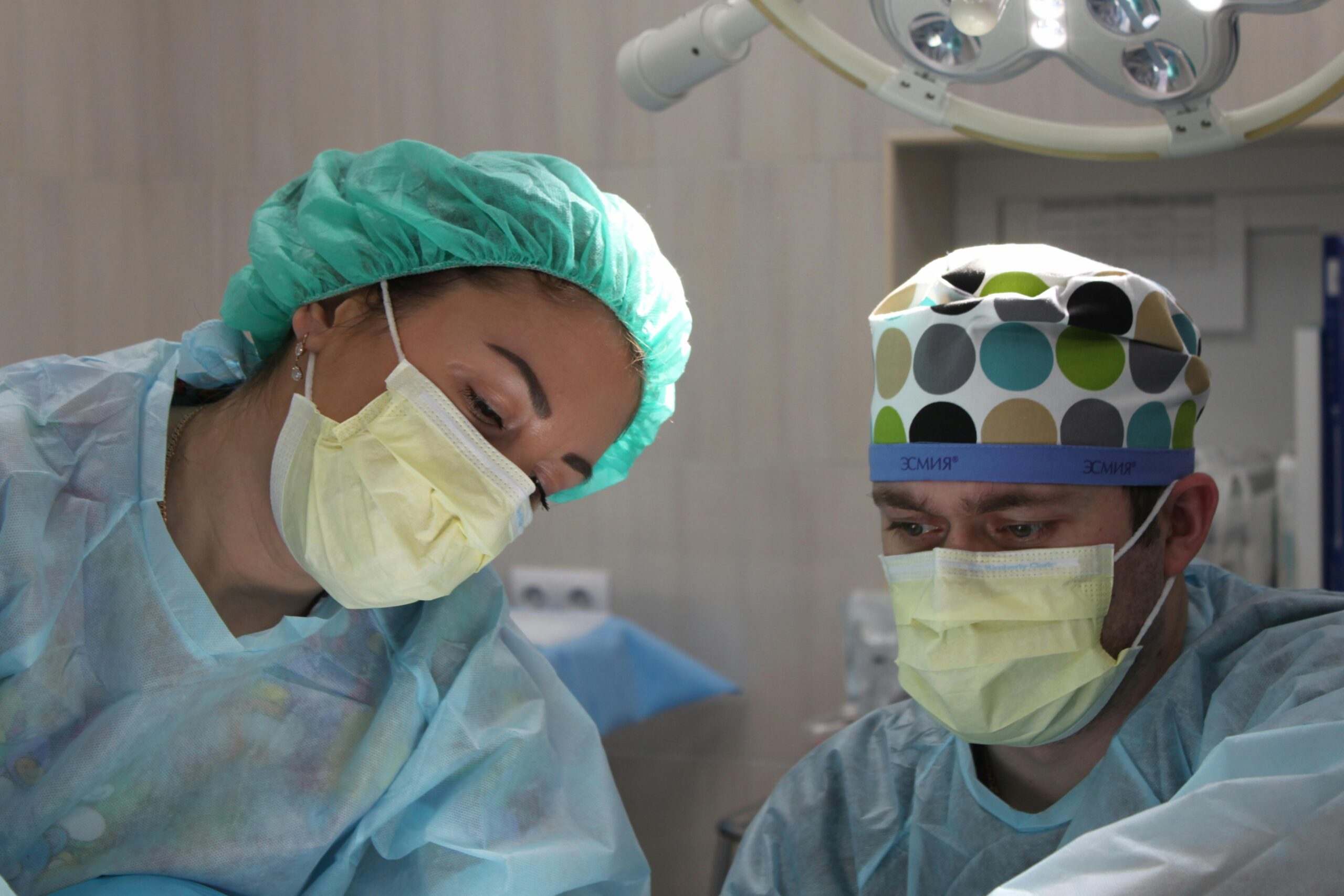
What Exactly Happens in Disc Replacement?
Your spine resembles a Jenga block structure which contains soft cushions between each block. The spinal discs function as cushions between vertebrae which become painful when one disc deteriorates. The surgical procedure involves replacing the damaged disc with an artificial one that duplicates the natural movement of spinal discs.
The main advantage of this procedure stands out because it preserves spinal flexibility. Your muscles need to readjust to the new spinal flexibility because they previously operated in a stiff and painful environment. The actual recovery process begins at this point.
Why Muscles Play Such a Big Role
Your muscles perform multiple functions which extend beyond creating a fit appearance when wearing a printable T-shirt. Your muscles function to maintain spinal stability while absorbing impacts and enabling you to perform twisting movements and bending actions and grocery carrying without losing control.
The muscles in your body weaken and become stiff when you remain inactive because of persistent pain. The muscles which were dormant during surgery need to return to their active state after the procedure. Your muscles will develop stiffness and your body will lose balance and you might experience another injury if you do not rebuild them. Proper training of these muscles will transform them into your spine’s protective defense mechanism.
Early Recovery: Celebrate the Small Wins
In the first couple of weeks, don’t expect to crush workouts or hit the gym. Early recovery is all about gentle movement and keeping blood flowing. Short hallway walks, learning how to get in and out of bed without strain, and simply sitting upright comfortably are all victories worth celebrating.
Yes, it’ll feel like baby steps but baby steps are exactly what rebuild confidence and endurance.
Physical Therapy: Your Personal Game Plan

Enter physical therapy: your built-in coach for recovery. Your therapist won’t hand you dumbbells right away. They will start with small, controlled moves like pelvic tilts or gentle stretches. These wake up the core and back muscles without putting stress on your healing spine.
As you progress, the plan shifts toward resistance bands, light weights, and more challenging exercises. Common goals include:
- Core strength to stabilize the spine
- Hip and glute work for balance and posture
- Back extensions to rebuild lower-back stamina
- Leg exercises for walking and climbing stairs
- Flexibility training to prevent stiffness
It’s less about “pushing through” and more about pacing yourself. The mantra here: steady beats speedy.
Which Muscles Need the Spotlight?
Not all muscles need equal attention after surgery. Some deserve the front row in your recovery routine:
- Abs and obliques: Your built-in brace.
- Erector spinae (lower back muscles): The muscles that keep you standing tall.
- Glutes: Strong glutes take pressure off the spine.
- Hamstrings and quads: Essential for walking and lifting without strain.
Training these groups ensures everything works together rather than letting one area take on all the stress.
Food for Thought
Here’s the fun part: recovery meals matter. Think of food as fuel for muscle repair.
- Protein from chicken, beans, and eggs helps rebuild tissue.
- Vitamin C found in oranges, peppers, and strawberries supports collagen production.
- Calcium and Vitamin D work together to keep bones and muscles strong.
- Omega-3 fatty acids in salmon and walnuts help fight off stiffness and swelling.
And water? Don’t skip it. Dehydration makes muscles crampy and slow to recover.
The Mental Side: Don’t Underestimate It
Recovery isn’t just a physical marathon but a mental one too. Some days you’ll feel like a champ; other days, progress feels painfully slow. That’s normal.
Keeping a journal of “wins” like walking farther than yesterday helps you see progress you might otherwise overlook. Lean on friends, family, or support groups for encouragement, and remember recovery is a journey, not a sprint.
How Long Until You’re Back to Normal?
Everyone’s recovery looks a little different, but here’s a ballpark timeline:
- Weeks 1–2: Walks and light movement.
- Weeks 3–6: Structured physical therapy begins.
- Weeks 6–12: Strengthening exercises and daily chores.
- Months 3–6: Build stamina and flexibility.
- Months 6–12: Return to sports, work, and your favorite activities.
According to the Cleveland Clinic, roughly 80% of patients report major pain relief after disc replacement surgery. That relief makes all the effort with muscle recovery even more rewarding.
Long-Term Habits for a Stronger Back

Recovery doesn’t stop when the incision heals. If you want your spine and muscles to stay strong for the long haul, a few lifestyle habits go a long way:
- Keep up with regular exercise from mix cardio, strength, and stretching.
- Watch your posture at desks, in cars, even while standing in line.
- Use ergonomic chairs and furniture when you can.
- Stay at a healthy weight to reduce strain on your back.
- Stretch daily—tight muscles = cranky spine.
Think of it as maintenance for your “new and improved” back.
Final Thoughts
Disc replacement surgery fixes the structure, but your muscles are what keep you moving. With physical therapy, smart nutrition, patience, and a little grit, you’ll rebuild strength and confidence one step at a time.
The best part? Recovery is about reclaiming your freedom to move, play, and live without being weighed down by back pain.
Written by kathleennialla@gmail.com

