

Anxiety is one of the biggest triggers of chronic fear. It aggravates your worries. You may only seek temporary relief from anxiety, which eventually makes your problems bigger over time. Every time you try to avoid the discomfort, it returns more vigorously. So, the main query is how to break the anxiety cycle?
To do that, you have to perceive your anxiety in a positive light and find healthy ways to counter it. Let’s dig deeper to find out how your anxiety cycle works and why you keep circumnavigating the anxiety loop. We will also explore the necessary steps needed to reduce stress in daily life.
The first step is to understand the cycle thoroughly. Then you must learn proven methods to stop it, regain control, and develop a stronger mental resolve.
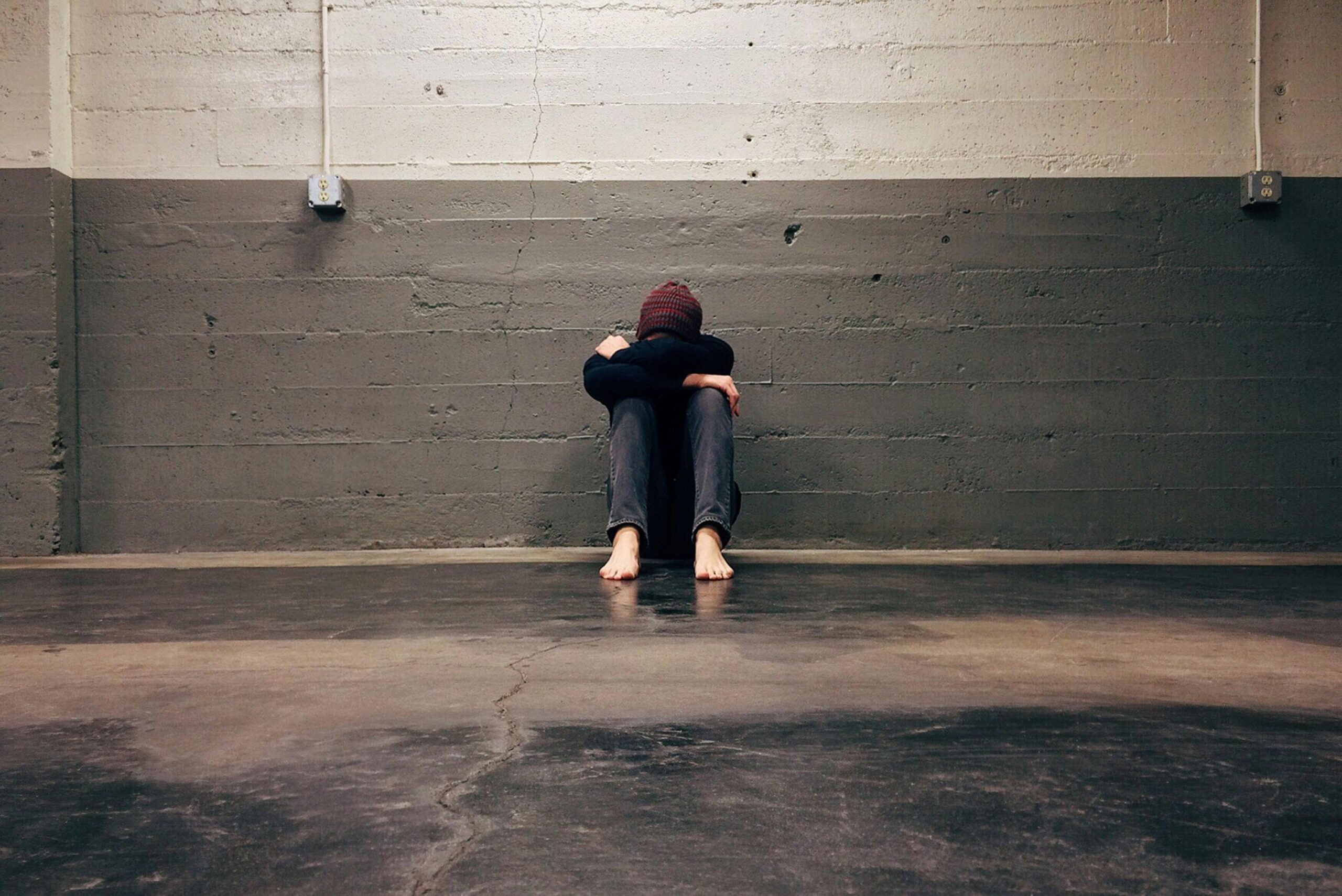
Understanding the Anxiety Cycle and Its Impact
There are some common stages of the anxiety cycle. Each of these stages affects the body and mind in characteristic ways. It gradually leads to avoidance at first, followed by frequent discomfort and long-lasting impact on your mental state, if you don’t act promptly.
What Is the Anxiety Cycle?
This cycle is a recurring fear loop that eventually leads to avoidance and temporary relief. It starts with a unique trigger that gradually triggers the anxiety. The trigger might be anything, ranging from a memory from the past, a word task, or a social event.
The general tendency is to avoid the triggering element to find relief from the discomfort. However, experts say that avoidance offers only short-term relief. Meanwhile, the original fear stays embedded within you, often creating an anxiety spiral that intensifies over time.
As you keep seeking short-term relief from various triggers, your life becomes limited. So, you must recognize the stages of anxiety. A clear understanding will help people understand why the loop never ends. Breaking this cycle often requires a more structured approach, which is why many individuals choose to engage in quality therapy in Glasgow to gain practical ideas for long-term recovery.
The Role of Avoidance in Maintaining Anxiety
Avoidance plays a central role in keeping the anxiety cycle active. By ignoring triggers, you forcibly reinforce comfort. Additionally, this approach breeds the thought that if the trigger relapses, it would be detrimental to you and your mental health.
For instance, people who are scared of public speaking usually avoid presentations. By doing so, they find momentary relief; however, they find it even harder to participate in presentations going forward. This is a toxic pattern that merely adds strength to the anxiety, making you succumb to it completely.
You must break avoidance and welcome gradual exposure to all feared situations. Take small steps if needed, and create your own coping mechanism, which should not be short-term avoidance.
However, some individuals may suffer from complex anxiety triggers and hence seek professional help too. You can find psychiatry services in Los Angeles that guide you through acute steps and help you acquire a lifelong habit of dealing with anxieties.
Common Anxiety Symptoms and Physical Effects
Anxiety affects both the mind and body. Mental symptoms often include constant worry, racing thoughts, and difficulty focusing. These thoughts can feel overwhelming and interfere with daily tasks.
Physical symptoms are just as common. They may include:
- Rapid heartbeat
- Sweaty palms
- Shortness of breath
- Muscle tension
- Upset stomach
If you have one or many of these effects, it is natural for you to feel that your medical condition is disrupted. Such a feeling is bound to induce fear. As time passes, your whole body enters a state of alert, which in turn leads to fatigue and disrupted sleep cycles.
How Anxiety Disorders Affect Mental Health
They extend beyond occasional worry. Anxiety stresses relationships, individual work performance, and quality of life. If you experience constant fear, it will restrict you from achieving your goals and freely exploring social connections.
Moreover, chronic anxiety might also lead to exclusive conditions like depression, substance abuse, and sleeping problems. Eventually, you feel stuck with your situation and start feeling absolutely hopeless.
However, you can still make a comeback. Professional treatment, such as therapy, medications, and such aids, helps people manage symptoms and terminate the cycle of anxiety. With appropriate support, you can better manage triggers. It enables you to reduce the sustainable health impacts and restore normalcy.
Professional treatment, such as therapy or medication, helps individuals manage symptoms and break harmful cycles. Engaging in online therapy in Ontario can give you structured support and practical strategies, allowing you to work with experienced therapists no matter where you are, helping you regain control and restore balance.
With the right support, people can learn healthier responses to triggers and reduce the long-term impact on mental health.
Proven Strategies to Break the Anxiety Cycle
People can reduce anxiety by changing their response to stress, utilizing therapy methods that reshape thought patterns, practicing calming techniques, and cultivating long-term habits that strengthen mental well-being. Each approach works differently, but together they create practical tools to stop anxiety from taking control.
Acceptance, Self-Compassion, and Shifting Mindset
Anxiety is never a welcome feeling. It creeps in and stays lifelong. You try to push it away, fight it, wrestle it, but somehow that just makes it louder. Almost all of your efforts fall on deaf ears..
So, stop fighting it and adopt more profound and effective techniques.
It’s a peculiar idea, but perhaps letting it be is the key. Not giving up and just noticing. Speak to yourself like:
“Oh hey, anxious thought. Didn’t expect you today.” No drama. No judgment. Just letting it pass through like background noise.”
And then there’s this whole thing about self-compassion. Sounds soft, but it’s kind of powerful. Instead of beating yourself up, what if you spoke to yourself the way you would to a friend?
“You’re doing okay.” “This is hard, but you’re not alone.”
Scribbling a kind note in your journal might help. It doesn’t have to be poetic. Just real stuff.
Anxiety takes a toll on you. But it’s also human. Everyone deals with it. Some more than others. Doesn’t mean you’re broken.
Mindset shift helps too. Think like:
“What if this feeling isn’t forever? What if it’s just a wave?” You ride it. You don’t drown. Saying stuff like “This will pass” — it’s not magic, but it opens up space.
Create space to breathe. To respond instead of react. That’s one of the static and usually most effective solutions that people jostling with anxiety can try out.
Cognitive Behavioral Therapy and Professional Treatments
Cognitive behavioral therapy (CBT) is one of the most effective treatments for anxiety disorders. It helps people to spot distorted thoughts and replace them with more accurate and helpful ones. For example, someone who fears social rejection may learn to test those fears by gradually engaging in safe social situations.
Exposure therapy, a branch of CBT, reduces fear by carefully facing triggers in a controlled way. This method teaches the brain that feared situations are not as dangerous as they seem.
Other professional treatments may include biofeedback, which utilizes sensors to monitor the body’s reaction to stress, and anti-anxiety medication, which can help reduce symptoms, making therapy more manageable.
A therapist can help people combine these tools. The structured support of therapy often makes it easier to stay consistent and break the cycle of avoidance.
Mindfulness, Meditation, and Relaxation Techniques
If you are dwelling on a memory, you can find solace in mindfulness. Being mindful allows you to focus on the present and let go of past issues. Meanwhile, it instills confidence in you, making you feel that you can easily change the future.
You can start with regular practice. Gradually overpower your anxious thoughts and focus on current affairs. If you need an external push to focus on the present, consider seeking help through deep breathing, listening to music, or speaking with close people about current issues.
Meditation is another effective technique that helps build awareness and retain calm. You can easily indulge in 5 to 10 minutes of gentle exercise every day, which can help prevent stress spikes. That’s why I prefer guided meditation sessions, body scans, and other relevant techniques.
Additionally, you can resort to deep breathing, tissue relaxation, and actively take part in yoga to regulate anxiety and physical symptoms.
Building Resilience and Long-Term Mental Wellness
Short-term actions break the anxiety loop and start a journey towards well-being. However, you need a concrete and sustainable habit that generates resilience. You can indulge in regular exercise, a balanced diet, and establish a decent sleep cycle. These elementary practices build your body’s stress-conceiving capability.
You can also incorporate other health routines that include goal setting, generating social connections, and supportive cycles where you can resort to them, in case your triggers hit you badly. For instance, limit your screen time or reduce your daily coffee intake. Instead, you can indulge in daily workouts and create helpful cycles that offer real human support wherever you are feeling down.
The bottom line is to find a long-term resolution to your anxiety. One of the most effective ways to do this is by combining practical habits with therapeutic intervention tools. This approach helps in creating better mental wellness. The same strategy also minimizes the risk of succumbing to the same anxiety cycle in the near future.
Take Charge; Break Your Anxiety Cycle
Suppose you want to break the anxiety cycle, put in steady and relentless efforts along with crucial planning. Small changes, such as improving sleep, adopting a healthier diet, and reducing caffeine intake, are recommended for optimal health.
When these approaches fail, you must confront your stress directly. Don’t shy away. Take small steps to address your fear. Practice acceptance and gradually embrace long-term change, rather than offering short-term relief.
Written by media@blogmanagement.io

