

We tend to think of the gut and the skin as two separate worlds, one internal, one external. But in truth, they’re deeply connected. The immune system which defends the digestive system also determines how the skin responds to stress and inflammation and imbalances.
The gut–skin axis shows that digestive system problems create skin symptoms which appear as these conditions. Research on inflammatory bowel diseases (IBD) which includes ulcerative colitis demonstrates how gut health affects brain function.
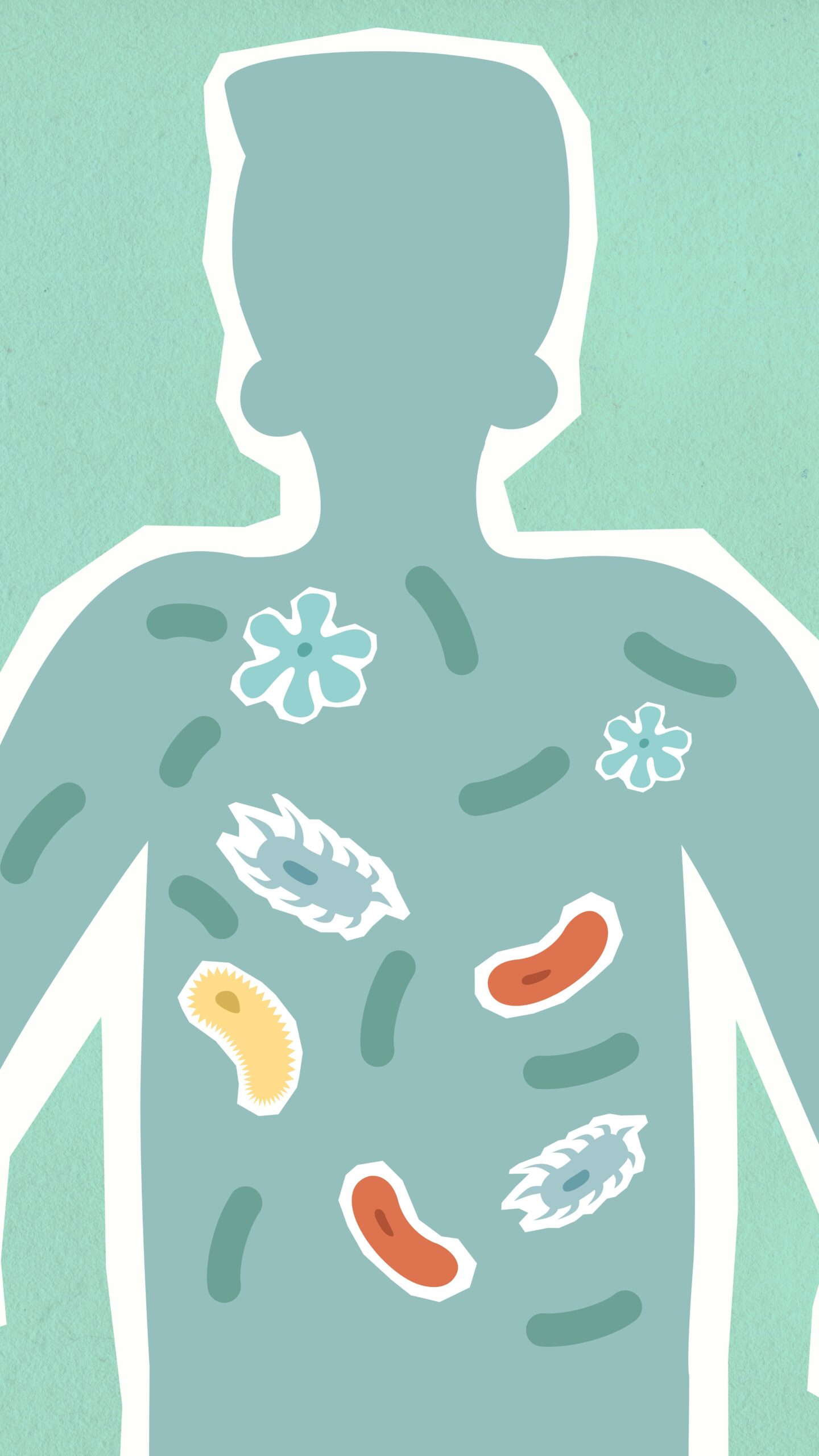
The Gut–Skin Axis: One System, Two Voices
Your skin and digestive tract share more similarities than most people realize. The two elements operate as protective barriers which prevent outside threats from entering while keeping the system stable from within. The body contains two defense systems which maintain continuous surveillance of all substances that pass through them.
The gut inflammation produces signals which activate immune responses that spread to other body parts including the skin. The medical field now recognizes gut health as a vital element which affects dermatology practice.
The breakdown of intestinal barrier function allows certain substances including bacterial pieces and inflammatory cytokines to enter the bloodstream which leads to immune system confusion and subsequent skin reactions that appear unconnected.
How Digestive Inflammation Shows Up on the Skin
Digestive inflammation produces various skin symptoms which help doctors identify its presence. The skin shows different signs which doctors use to diagnose digestive inflammation.
The colon becomes the main target of inflammation which affects people who have ulcerative colitis. The immune system-wide inflammation produces skin symptoms which duplicate the internal body processes.
Common inflammatory skin conditions associated with ulcerative colitis include:
- Erythema nodosum: tender red bumps, usually on the shins.
- Pyoderma gangrenosum creates painful ulcers which become dangerous when left untreated because they spread quickly.
- Psoriasis and eczema-like rashes: linked to immune dysregulation and chronic inflammation.
These conditions extend beyond skin surface because they affect the entire body. They’re visible signs of internal inflammation – the body’s way of expressing immune imbalance beyond the gut.
Recognizing Skin as a Messenger, Not a Mystery
The skin reactions function as vital diagnostic markers which doctors must identify to make proper diagnoses. The combination of ongoing rash with abdominal pain and bowel movement irregularities suggests an inflammatory disease condition.
For patients, recognizing that a rash might be connected to their digestive health can lead to faster diagnosis and more effective treatment. People with ulcerative colitis often experience skin problems before doctors diagnose their gut condition because their body starts showing signs of internal imbalance.
The discovery of this relationship leads healthcare providers to adopt a complete treatment method which addresses the complete inflammatory network instead of focusing on individual organs.
Why Stress and the Nervous System Matter
Inflammation exists as a standalone process. The immune system experiences negative effects from chronic stress and sleep deprivation and emotional strain which lead to increased gut and skin reactions. Poor sleep can disrupt the circadian rhythm and gut microbiome balance, which can raise inflammation signals that show up in digestion and on the skin.
The nervous system maintains continuous operation to exchange information with the immune system. When one is overstimulated, the other often follows suit. The body experiences flare-ups of ulcerative colitis and skin breakouts when stress levels become high.
The nervous system finds relaxation through practices which include deep breathing and yoga and mindfulness which create a positive impact on gut and skin recovery. They help downregulate inflammation by shifting the body out of “fight-or-flight” mode.
Nutrition and Microbiome: Internal Roots of External Health
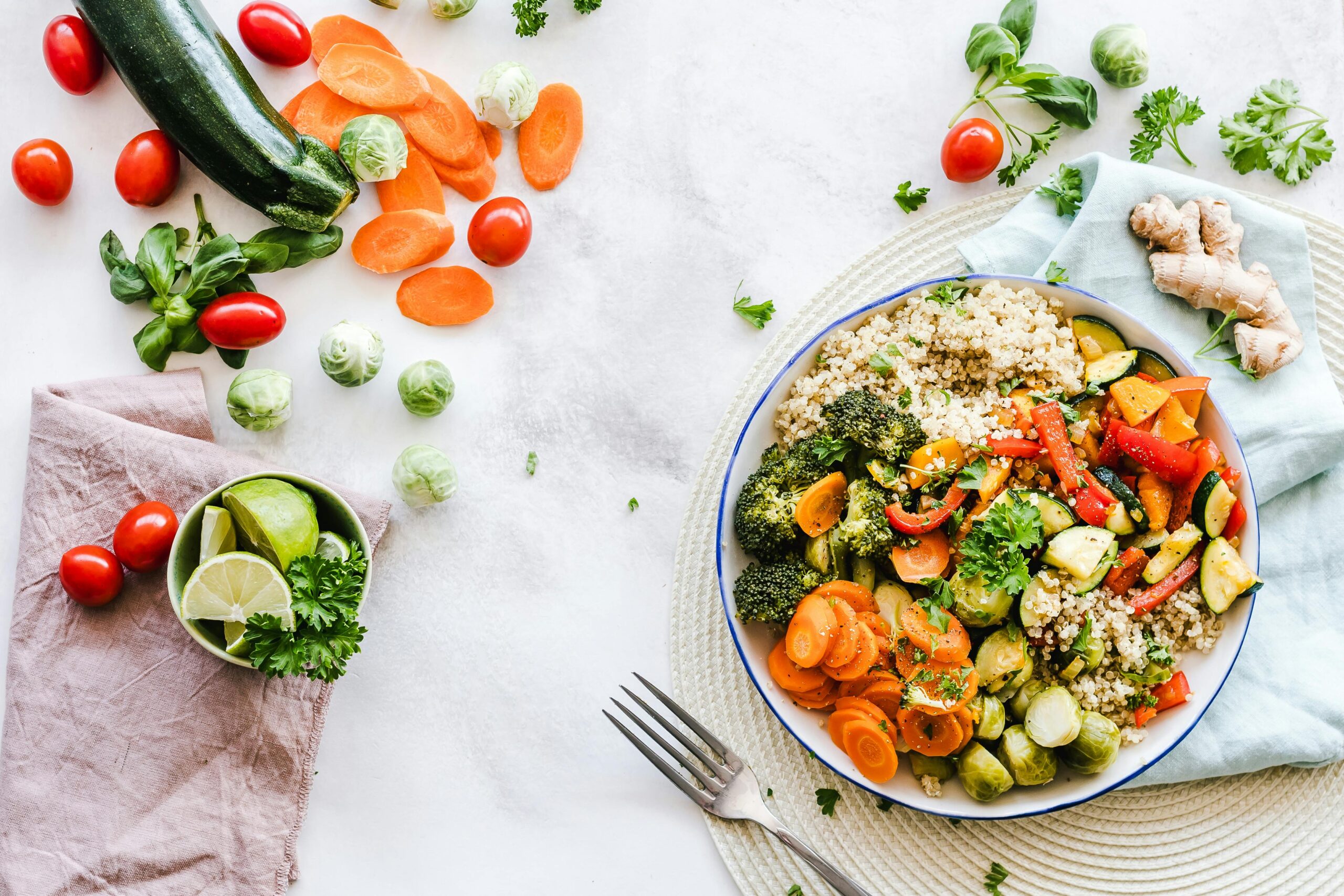
The gut microbiome functions as a vital system which helps preserve immune system equilibrium. The body benefits from diets containing fiber and antioxidants and omega-3 fatty acids because these nutrients support beneficial bacteria which produce short-chain fatty acids that control body-wide inflammation.
Highly processed foods together with sugar and alcohol consumption lead to gut permeability problems known as “leaky gut” while triggering inflammatory responses in the body.
People who have ulcerative colitis need to work with dietitians to find foods which help during flare-ups by eating soft-cooked vegetables and lean proteins and probiotic-rich foods like yogurt or kefir when their body allows it. The practice of supporting gut health through internal methods will decrease the occurrence of inflammatory skin symptoms in the long run.
Treating the Whole System
The relief from rashes through topical creams does not lead to lasting results because patients need to treat their gut inflammation to achieve true improvement. The treatment of ulcerative colitis requires patients to receive medication along with stress management techniques and dietary modifications.
The healing process of one system benefits from coordinated care between gastroenterologists and dermatologists because their treatment approaches support each other. Biologic therapies which focus on particular inflammatory pathways have proven effective in treating both intestinal and skin symptoms of IBD patients.
Listening to the Body’s Language
Skin reactions can be frustrating, but they also offer valuable information. The human body functions as a single network system which unites all its parts into a unified system.
A rash appearance requires you to determine what substance caused the skin reaction. but “what’s happening inside?”
The test results will show more than your digestion health because they will also reveal your body’s inflammation levels and stress response and immune system strength.
Your skin contains more information about your gut health than most people recognize. The detection of redness and irritation and texture changes in the skin will help identify early signs of inflammation which can prevent its progression.
People need to understand their current state before they can start their healing process.
Final Thought
The body uses inflammation as its method to send messages. The body doesn’t separate the gut from the skin, or the mind from the immune system. It’s one continuous conversation.
The process of achieving full body recovery needs us to maintain gut equilibrium while handling stress and treating skin reactions as part of a complete system.
Written by media@blogmanagement.io