

Shoulder injuries are interesting. The pain feels manageable, the operation feels breezy, and the experience generally feels more like an annoyance. However, it is not the case—shoulder injuries are infamous for their poor recovery window and timeframe.
In fact, shoulder injuries can take up to two years for complete recovery. This is true even if the surgery goes well. As a result, having a detailed understanding of post-operative care is absolutely crucial. It decides how long it will take for you to recover.
This article explores practical strategies for shoulder recovery, emphasizing a holistic approach that blends medical guidance with everyday adaptability. The goal is not just to heal but to restore confidence in movement and prevent setbacks that could prolong rehabilitation.

Crucial Aspects of Post-Operative Shoulder Injury
Your shoulders are quite resilient. They are meant to take impact if things go wrong. However, it also means that it can take longer to heal if you injure it. A simple ligament tear can have a healing period of up to a year; add surgery to the mix, and that becomes a challenge.
Many people recovering from shoulder injuries have complained that they never fully recovered. The movement feels restricted, and the damaged area never functions as well as it used to. As a result, it is crucial to understand what needs to be done and how it should be done.
Tip #1: Understanding Early Recovery Window
The foremost thing to understand is that every injury comes with a recovery window. This remains true for a shoulder injury as well. The initial phase, within 48 hours of surgery, is crucial. This sets the tone for the rest of the journey.
Pain, swelling, and general stiffness are all very common after surgery. As a result, your surgeon might prescribe routine pain medications. In some cases, surgeons also prescribe cold therapy to reduce inflammation and relieve stiffness.
Another crucial thing is to get plenty of rest. This means that you need to sleep well. Try sleeping in a reclining position to take the pressure off your weight. Another thing, do not sleep with the arm brace on, unless your physician advises it. Wearing the brace for an extended period can cause pain in your wrist and elbow.
Tip #2: Protect But Do Not Over-Isolate
Immobilization is the key to healing a shoulder injury. However, complete and absolute isolation of your shoulder is not advisable. What we mean is that the sling or brace is your biggest friend, but overusing it can stiffen the arm.
Try making slight movements at the wrist, elbow, and shoulder to keep the blood flowing. Do not overexert yourself and create another accidental injury. Then again, keeping immobile would increase swelling and could hinder the process.
Try not to lift weights or do complicated movements, as that can loosen the screw or whatever is in there. But try moving your hand or doing the exercises your doctor showed you. This would ease the pain and stiffness.
Tip #3 Adapting Your Lifestyle
One of the harshest truths about a shoulder injury is that your life will not be the same as before. There will be some challenges you will face going forward. For example, a leading platelet-rich plasma therapy, such as PRP in Miami, is making headway to minimize that scope, but the challenges will not diminish overnight.
Therefore, the obvious step that you must take is to shape your life in a way that complements your injury. For example, if the injury was a biking injury, please do not get on the saddle right after the surgery. Take that time to heal properly and get back into the game.
Other than that, you will also need to make other changes. All of which can be quite minor, but they can still greatly impact your recovery.
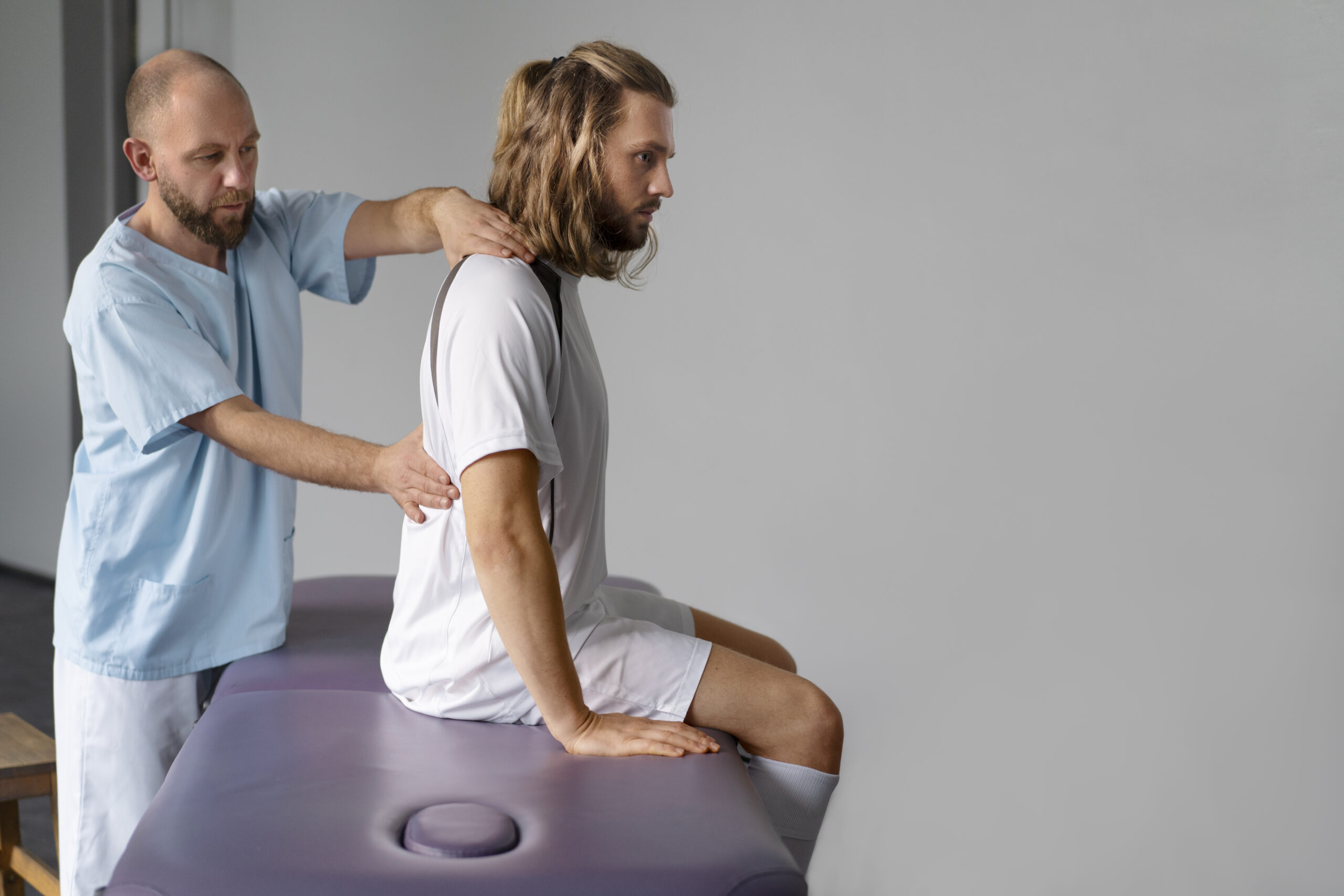
Tip #4 Role Of Physical Therapy
The role of a physical therapist is crucial in the long run. You can rope in the best surgeons around the world, but still not see results if you do not understand the importance of physical therapy.
Many people try to walk the DIY route, but they end up doing worse than they were. Therefore, please bring in a professional who can help you get the job done. This is crucial and must be done effectively.
Hence, we suggest that you do not discredit the importance of physical therapy under any circumstances.
Can It Go Back To Normal?
This is one of the biggest questions people often ask. Will it go back to normal? In all honesty, it all depends upon your fracture. If the fracture is undisplaced, the chances of it healing normally are quite high.
However, if the fracture is displaced, the chances of it returning to normal are comparatively lower. Therefore, please temper your expectations and trust the process. This is because such injuries are difficult to manage and take time to heal.
Written by media@blogmanagement.io