


Physiotherapy offers a number of specialties in the ever-changing world of healthcare. Physical therapists serve patients in many settings that need specific expertise. Most physical therapy clinics employ Doctors of Physical Therapy (DPTs). These professionals hold a 4-year bachelor’s degree and a clinical doctorate. They must also pass the national licensure exam. Physical Therapist Assistants (PTAs) play a vital role too. These licensed professionals complete a 2-year associate’s degree and master anatomy, therapeutic modalities, and exercises.
The rehabilitation team extends beyond clinical practice. Seven core professions make up this team: audiology, occupational therapy, physical and rehabilitation medicine, physiotherapy, prosthetics and orthotics, rehabilitation nursing, and speech and language therapy. Anyone looking at a physical therapy career should know that the American Board of Physical Therapy Specializations (ABPTS) recognizes eleven board-certified clinical specializations. These certifications show advanced expertise in fields like orthopedics, neurology, pediatrics, and sports therapy. This piece takes you through the different types of physical therapists working in settings of all sizes – from hospitals and community roles to specialized clinical positions.
Physical Therapists in Hospital and Acute Care Settings
Physical therapists play a crucial role in healthcare teams at hospitals. They provide specialized care in many acute care settings. These professionals handle immediate medical needs and build a foundation for their patients’ long-term recovery and rehabilitation.
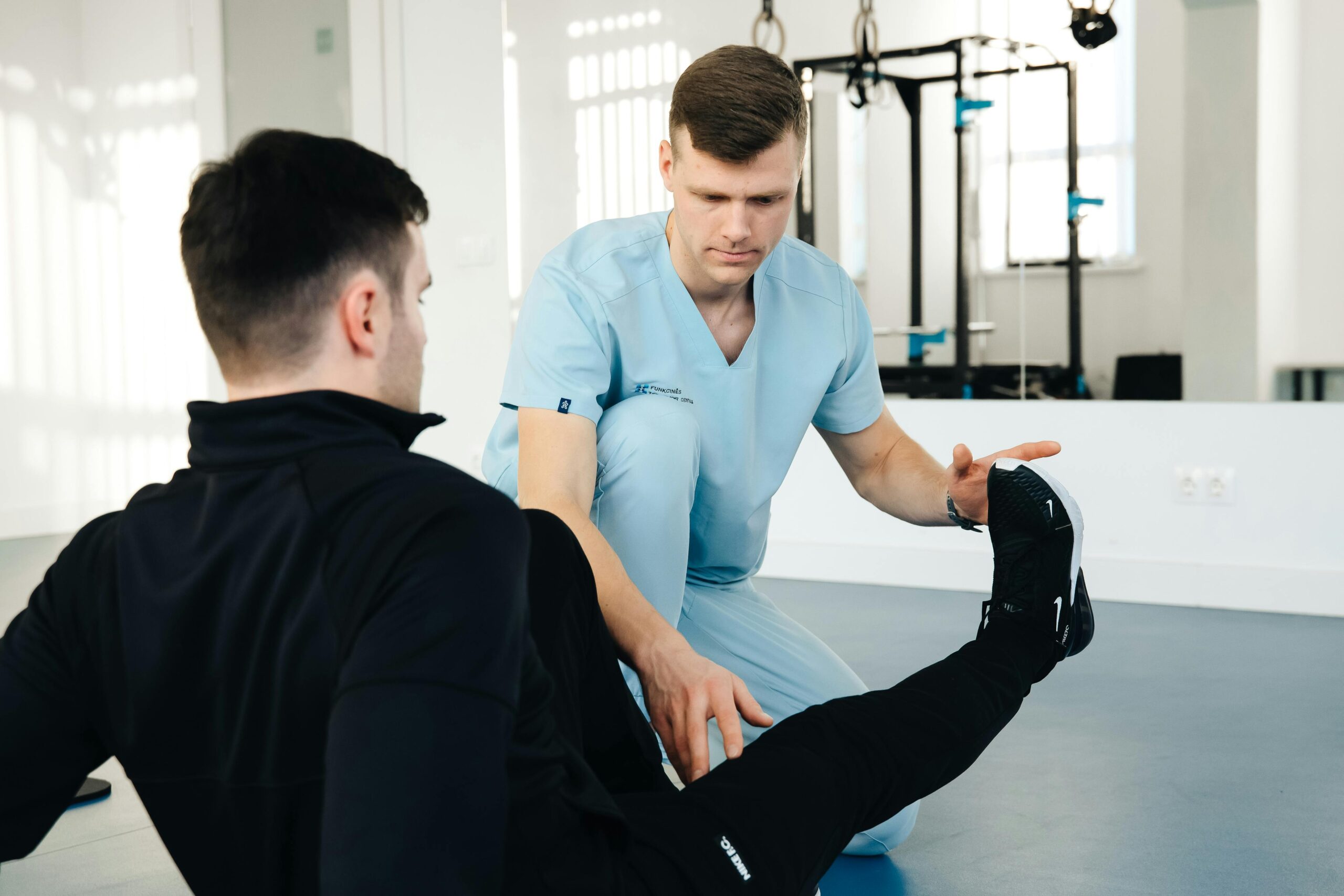
In hospital environments, effective care depends on strong coordination between physical therapists, nurses, physicians, and support staff. When teams are fully staffed and able to respond quickly to patient needs, therapy plans can begin earlier and progress more consistently. In some facilities, this support may include solutions such as healthcare staffing with Nursa, which helps hospitals maintain adequate clinical coverage during high-demand periods. Having the right professionals available allows physical therapists to focus on mobility, safety, and functional recovery while the broader care team works together to support patient outcomes.
Inpatient Rehab (IRF/ARU) Physical Therapist
Physical therapists in inpatient rehabilitation work at specialized facilities or dedicated hospital units called acute rehabilitation units (ARUs). Their patients need intensive therapy – at least three hours of skilled therapy services daily, five days a week. These specialists focus on one-on-one therapy sessions instead of general treatment. They meet weekly with other healthcare professionals to make sure patients reach their goals. Working with physiatrists – doctors certified in physical medicine and rehabilitation – they create recovery plans tailored to each patient. Their patients range from those with joint replacements and brain injuries to people recovering from strokes and neurological disorders. Patients typically stay two to three weeks, based on their abilities and support at home.
ICU Physical Therapist
ICU physical therapists help critically ill patients, including those who need mechanical ventilation and complex medical care. Their work reduces complications like pneumonia, blood clots, and lengthy hospital stays. These experts create safe treatment guidelines after a complete assessment of patients with acquired weakness. A national survey shows ICU physical therapists mainly focus on helping patients regain mobility and do therapeutic exercises. Staffing shortages remain the biggest challenge, especially in academic hospitals compared to community facilities.
Emergency Department Physical Therapist
Emergency department physical therapists represent a new trend in healthcare. They assess patients with falls, injuries, and mobility problems. When PTs help with emergency care, treatment time drops by more than two hours compared to care from ED physicians alone. Their presence also leads to fewer hospital admissions. A year-long study of 1,296 patients showed promising results. Only 24.3% needed admission after seeing physical therapists in emergency departments. The rest either went home (47.8%) or to rehabilitation facilities (27.9%). These specialists boost patient satisfaction, reduce medication needs, and cut down unnecessary imaging tests.
Acute Care Physical Therapist
Acute care physical therapists work with urgent medical conditions in hospitals of all sizes. They team up with other healthcare professionals to handle movement problems from complex medical conditions. Most of their patients have total joint replacements, fractures, strokes, cancer-related physical issues, or need post-surgical care. They prevent complications, manage pain, help patients move early, and suggest the right rehabilitation after discharge. Their early intervention strategies help reduce hospital readmissions and healthcare costs.
Community-Based and Home Health Physical Therapy Roles

Physical therapists work beyond hospital walls. They bring essential care to various community settings and adapt their expertise to help patients where they live, learn, and receive ongoing care.
Home Health Physical Therapist
Home health physical therapists provide one-on-one rehabilitation where patients live, adapting care to the person’s routines, space, and available support. They commonly help people recovering from surgery, illness, or chronic conditions through balance work, strengthening, manual therapy, and guidance for caregivers. Visits typically last 45–60 minutes, while care may continue for six to eight weeks depending on individual needs. For practices coordinating treatment outside the clinic, Fusion is a rehab therapy EHR platform that combines scheduling, documentation, progress tracking, billing, and shareable home exercise plans. These tools can keep instructions and records organized as therapists work toward safer movement, fewer falls, less pain, and greater independence.
Adult Day Care Physical Therapist
Adult day care centers have physical therapists who work in comfortable spaces where seniors get medical care while staying social. These centers give older adults who need daytime supervision an alternative to long-term care facilities. Therapy here helps with flexibility, strength, endurance, posture, and balance through stepping, stretching, and muscle-building activities. These treatments help reduce symptoms of conditions like Parkinson’s disease and arthritis. They also help seniors rely less on pain medication.
School Physical Therapist
School-based physical therapists make sure students with disabilities get the right education support. They help create Individualized Education Programs (IEPs) and use therapy strategies that help students handle physical challenges at school. These PTs work closely with occupational therapists, speech therapists, teachers, and parents to create treatment plans that match curriculum goals. They help students hit developmental milestones, get better at walking and running, and join in group activities.
Skilled Nursing Facility (SNF) PT
Physical therapy plays a key role in skilled nursing facilities’ care plans. SNF physical therapists create therapy plans that focus on three key areas: strength training, fall prevention, and pain management. Short-term residents get help recovering mobility after joint replacements or orthopedic injuries. Long-term residents benefit from treatments that slow down conditions like Parkinson’s disease. This is a big deal as it means that SNF physical therapists help residents live better by increasing independence and reducing unnecessary hospital visits.
Specialized Clinical Physical Therapy Roles

Physical therapists with specialized training earn board certifications that showcase their advanced expertise in treating specific conditions and patient groups. These clinical specialists bring unique skills to the rehabilitation team and tackle complex health challenges through targeted interventions.
Neurological Physical Therapist
Neurological physical therapists help patients with developmental, systemic, and traumatic disorders that affect the neuromuscular system. The board has certified 4,557 specialists in this category as of June 2023. These professionals treat patients with traumatic brain injuries, strokes, spinal cord injuries, Parkinson’s disease, and multiple sclerosis. Therapists must complete 2,000 hours of direct patient care in neurology within the last 10 years to get certification, with 25% occurring in the last three years. They can also qualify by completing an APTA-accredited neurology residency. Many facilities specifically seek these credentials, offering higher salaries and abundant employment opportunities.
Cardiopulmonary Physical Therapist
Cardiopulmonary specialists treat patients with heart and lung conditions, ranging from heart attack recovery to managing respiratory diseases like COPD. These specialists need current Advanced Cardiac Life Support (ACLS) certification and must show their participation in clinical data analysis projects related to cardiovascular and pulmonary care. Their expertise includes cardiopulmonary rehabilitation, pulmonary function testing, and invasive hemodynamic monitoring. These professionals know how to improve lung capacity, lower resting heart rate, and reduce their patients’ stress and anxiety effectively.
Oncology Physical Therapist
The oncology specialty, launched in 2019, has certified 68 specialists who work with cancer patients throughout treatment and recovery. These therapists address rehabilitation needs across musculoskeletal, neuromuscular, integumentary, cardiovascular, and pulmonary systems. Research shows cancer survivors report fair or poor health almost three times more often after treatment. They’re also twice as likely to experience psychosocial disabilities compared to people without cancer. Specialists must complete 2,000 hours of direct patient care in oncology within the last decade or finish an APTA-accredited oncology residency. They also need to submit a case report showing specialty practice.
Pelvic Health Physical Therapist
Pelvic health specialists excel at assessing and treating the pelvic floor and surrounding muscles, joints, and tissues. Their patients deal with urinary or fecal incontinence, pelvic organ prolapse, pelvic pain, sexual dysfunction, pregnancy-related issues, postpartum recovery, diastasis recti, constipation, and bowel dysfunction. Most specialists work one-on-one with patients in private settings and provide manual therapy, targeted exercise, biofeedback, and education. Women’s health specialists must complete 2,000 hours of direct patient care or an APTA-accredited residency, plus submit a case study showing their specialty practice.
Vestibular Rehabilitation PT
Vestibular rehabilitation therapists focus on treating dizziness and balance disorders from inner ear problems. Their specialized therapy reduces vertigo, dizziness, gaze instability, imbalance, and fall risk. These specialists use three main methods: habituation exercises that trigger dizziness positions, gaze stabilization exercises to control eye movement, and balance training to improve steadiness during daily activities. Patients with BPPV (Benign Paroxysmal Positional Vertigo) receive specific repositioning maneuvers instead of traditional exercises. Research confirms that vestibular rehabilitation reduces fall risk, improves balance, decreases dizziness symptoms, and helps stabilize vision.
Pediatric Physical Therapist
Pediatric specialists treat physical conditions in children from birth to 21 years who have traumatic, developmental, and systemic disorders. More than 2,200 certified pediatric specialists help children with developmental delay, cerebral palsy, spina bifida, Down syndrome, neuromuscular disorders, orthopedic conditions, brain injuries, and autism spectrum disorders. Board certification requires 2,000 hours of direct patient care in pediatrics within the last decade or completion of an APTA-accredited pediatric residency. These specialists promote independence, mobility, strength, and endurance while helping children reach developmental milestones and making caregiving easier.
Conclusion
Physical therapy continues to play an essential role in modern healthcare, supporting movement, independence, and long-term recovery. From hospitals to community-based settings, physical therapists help patients restore function, reduce complications, and improve daily mobility. Understanding the wide range of specialties highlights how adaptable and impactful the profession has become.
As patient care grows more complex, teamwork within rehabilitation settings becomes increasingly important. Strong collaboration between therapists and other healthcare professionals helps ensure consistent treatment, smoother transitions, and better recovery outcomes. When care teams work in sync, patients benefit from clearer guidance and more effective therapy plans.
Across all settings, physical therapy remains centered on helping people move safely and confidently. By focusing on functional improvement and individualized care, therapists support long-term health while helping patients maintain independence and quality of life.
Written by denise.smith.writing@gmail.com

