
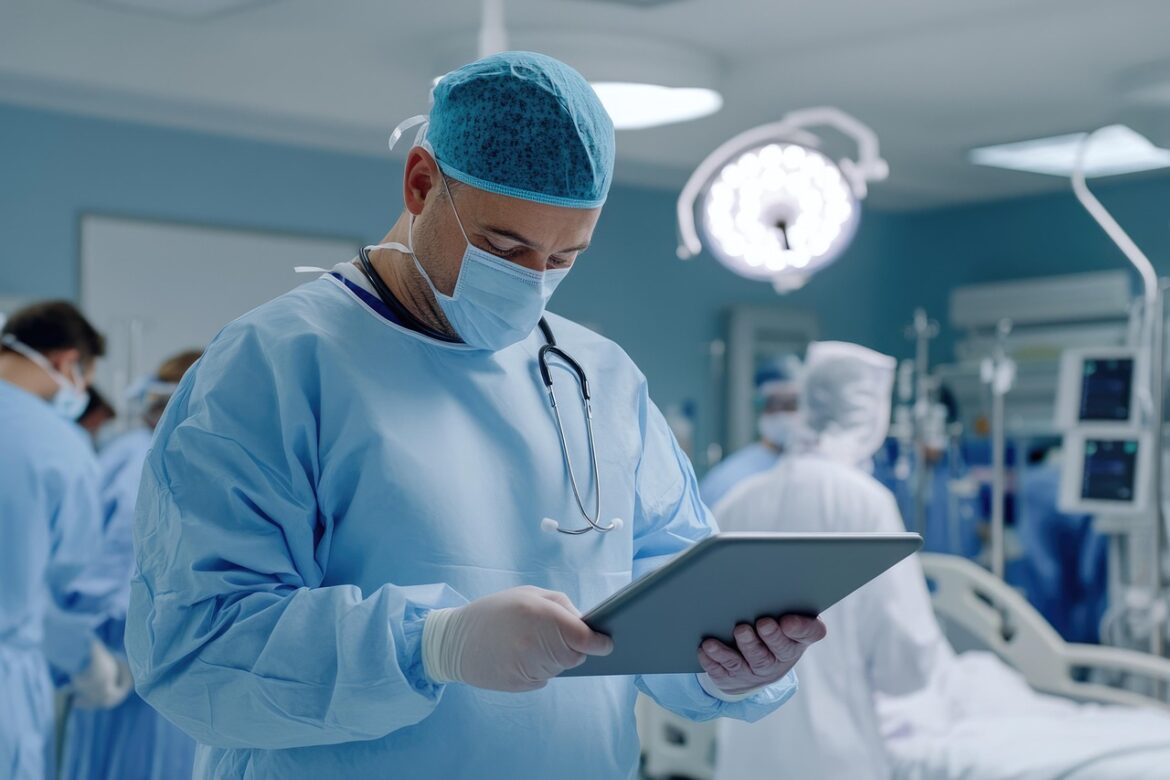
Hospitals are perhaps the most difficult place to operate in today’s society as they run 24/7 with multiple pieces of specialized equipment, thousands of visitors each day, and patients needing continuous monitoring. This is leading to an increasing difficulty in maintaining safety.
The volume of data on this issue supports the fact that healthcare workers experience a higher rate of workplace violence than many other sectors. According to Labor Statistics, the majority of non-fatal workplace violence from 2018 was directed at healthcare workers (73% of all reported cases). Other research suggests that anywhere from 8% to 38% of individuals who work in health care experience physical violence during their career(s), and even more experience verbal threats or harassment during their tenure.
All of these hazards impact everyone at their facility, employees and patients alike. When hospitals utilised traditional CCTV camera systems to record events happening in their facility, they were only able to view those events at a later time. Unfortunately, CCTV systems have no ability to prevent or stop incidents while they are happening; they can only provide evidence after the incident has occurred.
Today’s emergence of “Smart” Hospitals will alter our perceptions of hospitals. With AI integration and current surveillance technologies, passive surveillance has transitioned to being a proactive safeguard by identifying risk projections as well as monitoring the patient´s health condition or helping hospital employees with current duties.
The Rise of Smart Hospitals
Hospitals that use advanced technology, such as the use of IoT and AI to improve their service level and thus improve their patient’s experience are classified as “Smart Hospitals”. These types of hospitals are able to connect the hospital’s medical devices, monitoring systems, and infrastructure to create a “super network” with the purpose of maximizing the efficiency of the hospital.
Artificial intelligence is already reshaping healthcare by improving diagnostics, optimizing hospital workflows, and assisting clinicians in decision making. When applied to security infrastructure, AI enables hospitals to analyze live video feeds automatically, detect patterns, and generate alerts when unusual activity occurs. Platforms such as Coram illustrate how an ai security system can transform traditional hospital cameras into intelligent monitoring tools that provide real-time visibility across healthcare facilities. Coram’s hospital camera platform monitors environments continuously and uses analytics to detect threats such as unauthorized access, suspicious behavior, or emergency situations, allowing staff to respond quickly and maintain a safe care environment.
This evolution is turning traditional security cameras into intelligent monitoring systems capable of understanding activity within hospital environments and supporting faster decision making for healthcare teams.
Why Hospital Security Has Become More Complex
Hospitals face a unique set of security challenges as opposed to other types of buildings because they’re typically open to the public and have a constant influx of visitors, staff, and patients moving through various departments.
Places like the emergency department, intensive care unit, nursery, pharmacy, and parking garage all present the opportunity for varying types of safety risks. Additionally, many parts of the hospital require enhanced protection due to the sensitive nature of the information or equipment in that area, such as medications, patient records, and expensive medical equipment.
More healthcare workers are being subjected to violence in the workplace today than ever before. The evidence shows that nurses have 16 times greater risk of being a victim of a violent act in the workplace compared to workers in other fields; therefore, better security systems are necessary.
Due to the limitations of traditional security measures (i.e. manual monitoring and still-image camera systems), combating crime within complex systems is extremely difficult due to the lack of coverage and timely response. With hundreds of video feeds to monitor at the same time, human monitors simply cannot be aware of all incidents that take place within any hospital given the current technology.
The absence of dependable automated systems has resulted in an increase in demand for intelligent systems that can automatically detect risks when they occur.
How AI Security Cameras Work in Hospitals
Using algorithms based on computer vision combined with machine/deep learning, security cameras with artificial intelligence analyze live video feeds in real time. Rather than just capturing footage, the AI camera will be able to determine whether an event is occurring within a specific area.
By way of example, AI can identify atypical behaviors, recognize items, determine if someone has entered a restricted area, or create paths of where patients were walking around in the halls of a hospital.While traditional (human monitored) security systems rely on a person viewing every video feed for irregular activities, AI cameras are able to view every video feed automatically from the time it is received until it is finished and can notify the security team if an irregular activity was seen.
Security teams and hospital administrators no longer need to search for incidents; they can respond to them.
Improving Patient Safety Through AI Monitoring
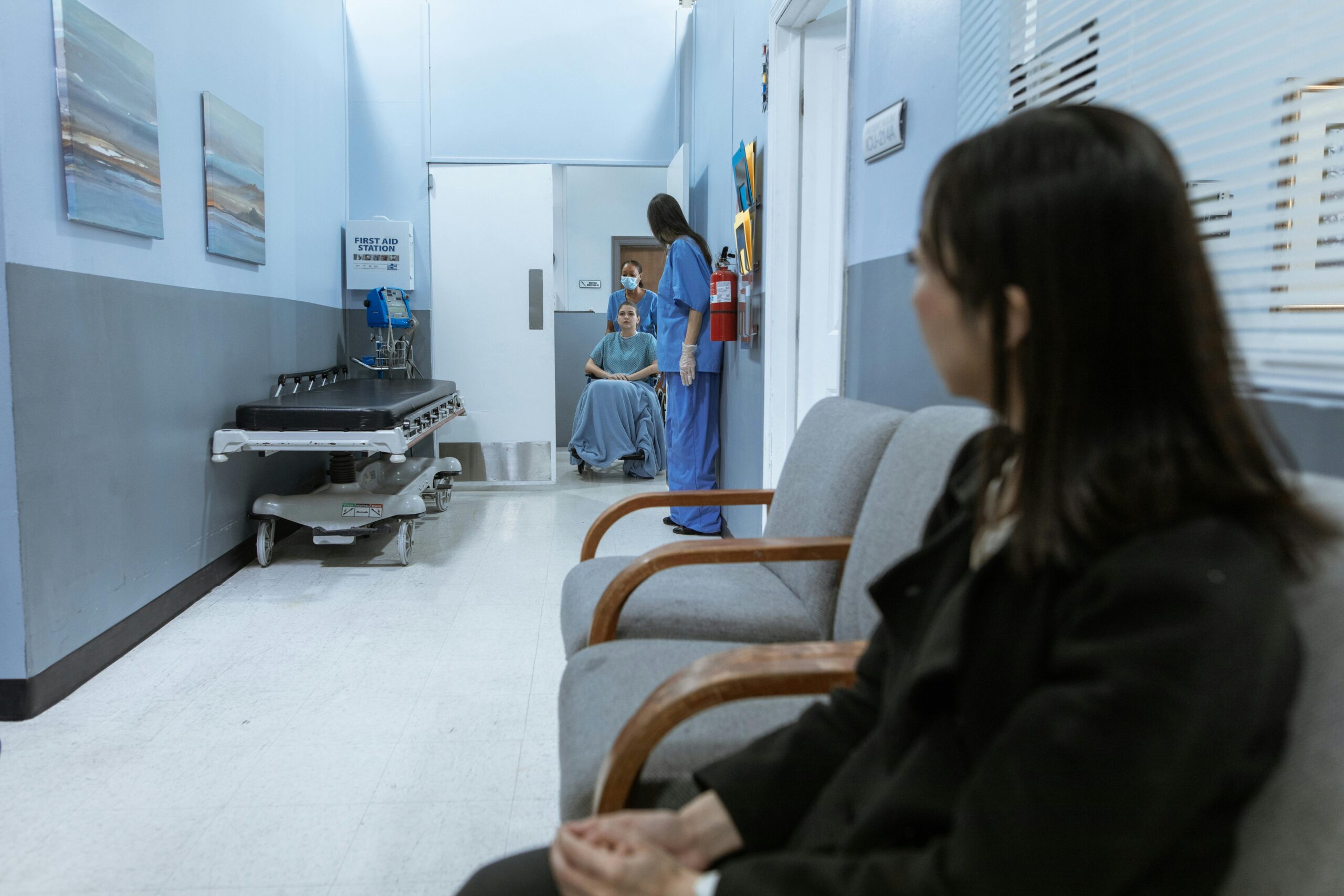
Hospitals can greatly benefit from implementing Artificial Intelligence (AI) security cameras through enhanced safety measures for patients. Patients admitted into Intensive Care Units (ICU), Elderly wards & Rehabilitative wards often require constant observation. AI systems use technology such as these to observe how patients move about their space and determine if there are any safety risks (i.e., falling out of bed or wandering).
AI systems that have advanced monitoring capabilities track a patient’s movement & determine when they leave their bed unexpectedly, & also if they have entered an area that is off-limits. When this type of behavior is detected, the AI system will instantaneously notify the nursing staff or caregiver. Studies have shown how AI video monitors can track patients so the appropriate staff can monitor their movements & actions inside of hospital rooms, allowing the hospital to potentially minimize risk for high fall patients.
In addition, continuous monitoring allows hospital staff to respond more quickly to emergency situations without needing to have someone physically monitoring each individual room at all times.
Protecting Healthcare Workers
Healthcare professionals face significant workplace safety risks. Emergency departments and psychiatric wards often deal with highly stressful situations that can escalate quickly. AI security cameras help hospitals protect staff by detecting aggressive behavior or suspicious activity early. When unusual movements, physical confrontations, or crowd disturbances occur, the system can notify security teams immediately.
Early detection gives hospitals valuable time to intervene before incidents escalate into serious threats. It also allows administrators to analyze trends in workplace incidents and implement preventive measures. In addition to safety, these systems provide recorded evidence that can be used to investigate incidents and support legal documentation when necessary.
Monitoring Critical Hospital Areas
Hospitals contain many high-risk areas that require strict monitoring. Pharmacies store controlled medications that can be targeted for theft or misuse. Laboratories contain sensitive equipment and biological materials that must be protected. AI surveillance systems help hospitals monitor these areas more effectively by automatically detecting unauthorized access, unusual behavior, or suspicious movement patterns.
For example, AI cameras can track who enters restricted zones, monitor storage areas for medication tampering, and alert security staff when activity occurs outside normal operating hours. By automating these processes, hospitals can improve compliance with safety regulations and maintain better control over sensitive environments.
Enhancing Operational Efficiency
Security cameras powered by artificial intelligence also contribute to operational efficiency in hospitals.
By analyzing movement patterns, AI systems can provide insights into patient flow, waiting times, and staff movement across departments. These insights allow administrators to identify bottlenecks and improve hospital workflows. For example, hospitals can analyze foot traffic patterns in waiting areas to determine when additional staff are needed at reception desks or triage stations. Similarly, AI analytics can help hospitals manage visitor access and crowd control during busy periods. These insights transform surveillance systems into valuable operational tools rather than purely security solutions.
Integrating AI Surveillance with Hospital Technology
One major advantage of AI surveillance is its ability to integrate with existing hospital infrastructure. Modern systems can connect with electronic health records, access control systems, and medical monitoring devices. This integration creates a unified safety platform that allows hospitals to respond quickly to incidents. For example, when a security camera detects unusual activity near a patient room, the system can automatically notify nurses through hospital communication systems. Some advanced systems can also integrate with medical devices to monitor patient vitals and detect anomalies that may require immediate medical attention.
This level of integration helps hospitals create safer and more responsive environments for both patients and staff.
Privacy and Ethical Considerations
Despite the benefits of AI surveillance, hospitals must also address privacy concerns. Patient confidentiality is a fundamental principle of healthcare, and any surveillance system must comply with strict data protection regulations. Hospitals must ensure that video data is stored securely and accessed only by authorized personnel. Many AI systems are designed with privacy features such as data encryption, role-based access controls, and anonymized analytics to protect patient identities.
By implementing clear policies and transparent communication, hospitals can balance safety improvements with respect for patient privacy.
The Future of AI Surveillance in Healthcare
In future years, the use of AI in security at hospitals will become extremely important.
Systems may include improved facial recognition as well as predictive detection of threats; smart buildings can be linked to hospital security systems too. With “edge computing,” hospital systems can process video data locally on a device instead of sending video data to a far-off data center to process, thus cutting down on the time needed to respond after an event has occurred. As healthcare systems continue to use digital technologies, AI-enabled security cameras are expected to be an essential part of the healthcare infrastructure moving forward.
The use of AI security cameras will improve the level of security provided by hospitals and lead to improved outcomes for patients, decrease the amount of time needed to conduct operations, and create safer working environments for healthcare personnel.
Conclusion
Recent advancements in technology have changed our healthcare systems, making them ‘smarter’ by increasing the use of technology and creating intelligent healthcare facilities. A substantial portion of this improvement comes from the use of Artificial Intelligence (AI), allowing traditional monitoring systems or surveillance systems to be enhanced and made more useful for improving the safety of patients and employees.
Given increases in the occurrence of workplace violence and the complexity of operations hospitals face, hospitals can no longer depend entirely upon manual monitoring and older surveillance systems. The advent of AI enabled surveillance cameras provides hospitals with an opportunity to detect potential security threats sooner, react faster in an emergency situation, and ultimately improve overall hospital operations.
AI enabled surveillance will be an integral part of digital innovations that healthcare systems are adopting; thus making AI surveillance an integral part of improving hospital safety and providing superior care for patients.
Written by mackeywallace36@gmail.com
FAQs
What are AI security cameras in hospitals?
AI security cameras are surveillance systems that use artificial intelligence and computer vision to analyze video footage automatically. They can detect unusual behavior, monitor patient safety, and alert hospital staff when potential threats occur.
How do AI cameras improve patient safety?
AI cameras can monitor patient movements, detect fall risks, identify restricted area violations, and provide real-time alerts to healthcare staff when unusual activity occurs.
Are AI security systems safe for patient privacy?
Yes, when implemented correctly. Hospitals use encryption, secure data storage, and strict access controls to ensure surveillance systems comply with healthcare privacy regulations.
Can AI cameras replace hospital security staff?
No. AI surveillance systems are designed to support security teams, not replace them. They help detect incidents faster so staff can respond more effectively.
Why are hospitals adopting AI surveillance technology?
Hospitals are adopting AI surveillance because it improves safety, reduces response times, enhances operational efficiency, and helps manage complex healthcare environments more effectively.