
You probably know that sweat is more than just water loss from the body – it’s also a way in which you lose vital minerals including the commonly known sodium, but also essential minerals like potassium, magnesium and calcium, and replenishing these is as simple as incorporating certain foods into your diet.
Potassium has been identified as a “nutrient of concern” for American adults and children, because the average intake is determined to be below the recommended level, according to the 2020-2025 Dietary Guidelines for Americans. The NIH found that on average all age groups do not meet the recommended intake of magnesium from foods and beverages. Interestingly, of the 178 study participants in a recent PubMed published study only 1% met 100% of the Dietary Reference Intake for all 5 studied electrolytes and only 13% met 100% of the Dietary Reference Intake for three or more of the studied electrolytes.
A new survey found that Americans are not getting enough of several important nutrients. But it’s easy to add them to your diet with a trip to the grocery store.

Potassium Sits in Familiar Places
One medium-sized banana contains 422 mg of potassium, which is 12% of the male adequate intake level set by the Institute of Medicine. Of course, it’s well known that bananas are the most famous provider of this mineral — but did you know that it’s also amazingly abundant in many other foods?
Most people know that Vitamin A is found in fruits, but did you know it’s also found in humble root vegetables like the potato? One medium-sized baked potato contains 610% of the Daily Value for Vitamin A, and that’s serving skin and all! Other root veggies, such as sweet potatoes and squash, are also chock-full of the vitamin, with high levels present in both the flesh and the skin. Lentils, often found in soups, stews and curries, are also packed with the vitamin, providing 731% of the Daily Value per 1-cup serving.
Avocados are rich in healthy fats and also a great source of potassium with half of one Hass avocado providing 345 mg. Tomato products (canned tomatoes and tomato paste) are also a good source of the mineral and are easily usable in sauces and stews.
Did you know that beans are an easy food to remember when trying to get enough potassium? Black beans, kidney beans, and white beans are all high in potassium, as well as fiber and protein. One cup of cooked white beans, for example, has over 1,000 mg of potassium.
Sodium Gets a Bad Reputation It Partially Deserves
Sodium is often portrayed in a negative light due to its potential to increase blood pressure. But while it is true that excessive intake of sodium can have this effect, it is important to remember that this essential nutrient serves several critical roles in the body. Sodium helps support muscle and nerve function and serves as a balance regulation tool in the body, making sure the body has adequate water levels.
Sweating transfers some of the body’s sodium out onto the skin surface. However this is then washed away in the next sweat. Table salt is another common source of sodium in the diet. Many preserved foods like pickles, olives and other fermented vegetables also contain a lot of sodium. Cheese contains a lot of sodium with calcium. Foods high in sodium include feta and parmesan.
Salted nuts are good for marathoners because they contain sodium to replace what you lose in sweat, as well as magnesium, an important mineral. Other options are almonds and cashews.
When Whole Foods Fall Short
Most people can meet their electrolyte needs through food alone, according to Cleveland Clinic, though heavy sweating increases requirements beyond what meals typically provide. Athletes, outdoor workers, and those in hot climates often face gaps that spinach, bananas, and lentils cannot fill on their own.
In these cases, some turn to coconut water, salted broths, or the best hydration powders to cover losses quickly. The goal remains the same: replace what the body expels. Food provides the foundation, but knowing when to add supplemental sources matters for anyone pushing physical limits.
Dark Leafy Greens Do Double Duty
Many greens contain calcium and magnesium, making them perfect for detoxifying and mineral balancing. One cup of cooked spinach contains 157 mg of magnesium, a mineral lacking in most modern diets that is over 10 times the Daily Value (DV) for this important nutrient. Spinach and the other greens also contain calcium, but they are high in oxalates that block some of the minerals from being absorbed.
Other Greens: Although not as high in fat soluble vitamins, Collard Greens have more calcium in a more bioavailable form than most other greens, and can become especially more bioavailable when cooked with a small amount of fat. Kale is terrific served raw in salads and can also be added to smoothies.
This gorgeous leafy green is full of magnesium and potassium, and has a flavor that is far milder than some of the more bitter greens out there.
Dairy and Its Alternatives
Milk remains one of the most accessible sources of calcium. One cup of whole milk provides about 276 mg of calcium alongside potassium and a small amount of sodium. Yogurt, especially Greek yogurt, offers similar benefits with added protein.
Fortified plant milks can match or exceed dairy in calcium content, though absorption varies depending on the source and fortification method. Almond milk and oat milk often contain added calcium carbonate. Check labels because formulations differ between brands.
Cheese contributes calcium and sodium simultaneously. Hard cheeses like cheddar and gouda contain more calcium per ounce than soft varieties.
Seeds and Nuts Carry Magnesium
Pumpkin seeds rank among the highest food sources of magnesium. One ounce provides approximately 156 mg, which exceeds 35% of the daily recommendation for most adults. They taste fine on their own or sprinkled over oatmeal and salads.
Sunflower seeds and flaxseeds also contribute magnesium, though in smaller amounts per serving. Chia seeds absorb water and swell, which some people find helpful for hydration when added to beverages or puddings.
Almonds and cashews provide magnesium alongside healthy fats. A handful of almonds offers around 80 mg of magnesium along with protein and fiber.
Fish and Seafood Bring Sodium Naturally
Salmon, sardines and canned tuna are typically low in sodium when consumed without added salt. Many varieties of canned tuna are also a good source of calcium, especially if they include bones. The bones become soft during the canning process and are therefore consumable.
It’s worth noting that cooked shrimp is fairly high in sodium for a protein: three ounces has about 800 milligrams. Of course, that number will depend on the seasonings and other ingredients you use to prepare it.
Building Meals That Cover the Bases
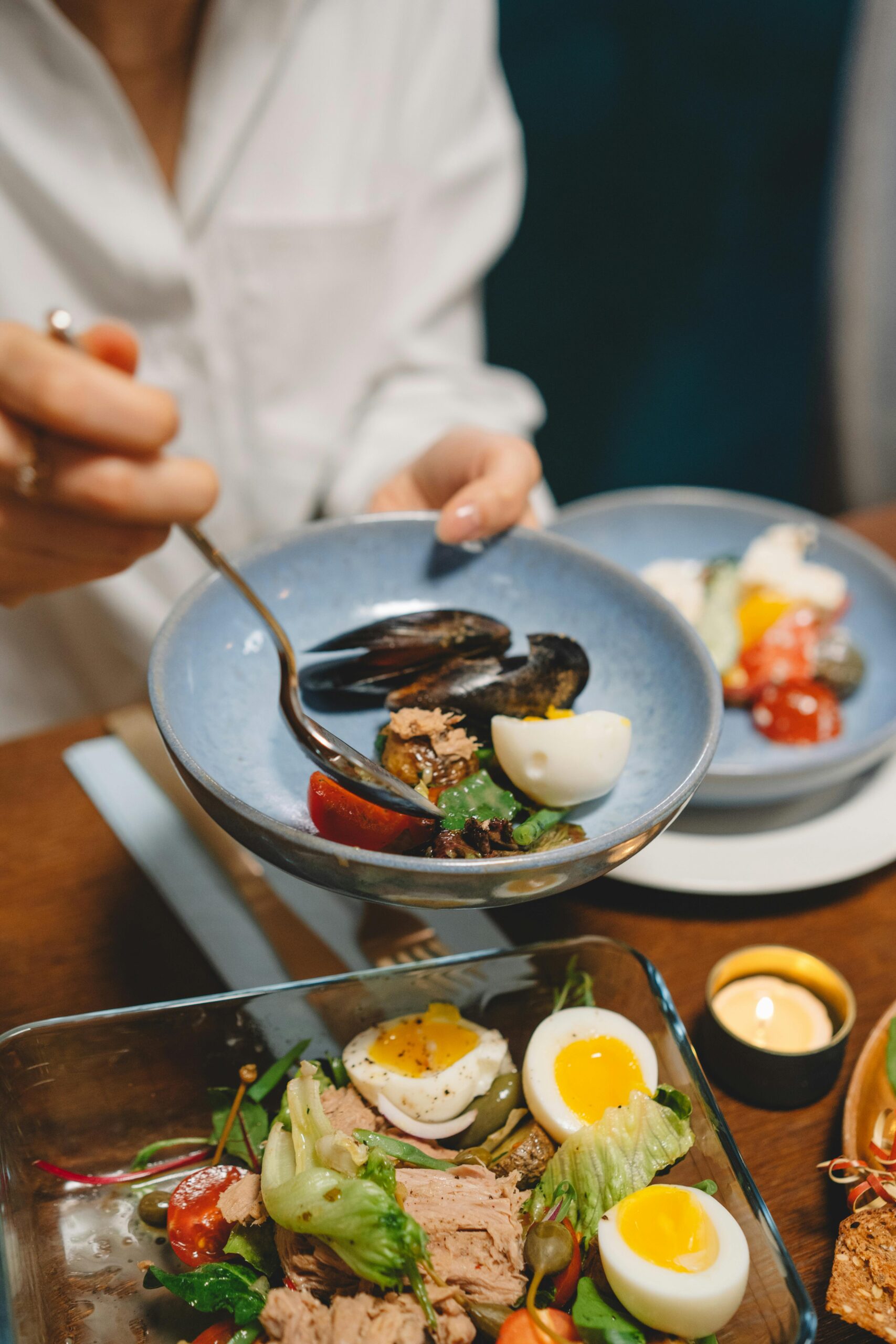
Simple really. A baked potato with some sautéed spinach and a piece of grilled salmon. All those ingredients are rich in potassium, magnesium, calcium and sodium. A squeeze of lemon and sprinkle of salt and we have all the flavours of the dish, plus a few trace minerals as well.
Just as your boxing training in the rain serves to improve your performance, breakfast provides a multitude of benefits you may not even realise are occurring before you’ve eaten lunch. Our trainer Tim explains why incorporating these simple yet nourishing meals into your daily routine can help aid your fitness goals. Tim combines a bowl of oatmeal with some pumpkin seeds, sliced banana and a glass of milk to ensure he is hitting all the main electrolytes by lunch time. Alternatively, blending a cup of Greek yogurt with some chia seeds and handful of almonds will also provide you with the necessary energy boost and nutrition required throughout the day.
In addition to counting all the other daily activities, your snacks can also contribute to your total daily count. There are many choices you can make at snack time, and some popular ideas include nuts (such as salted almonds), cheese, and spread avocado on whole grain toast.
Cooking Methods Matter Less Than You Think
You might think that boiling vegetables into a limp, mineral-deficient mush is the only way to extract their key vitamins and minerals. However, most of those leached nutrients actually end up in the cooking water—provided you use that as the basis for a hearty soup, stew, sauce, or gravy instead of discarding it down the drain. But there are even better ways to bring out the nutritional potential of your produce.
Raw plant foods provide a good supply of minerals which are present in the food, whereas cooking makes more nutrients available. But at the end of the day, balance is everything.
You don’t have to incorporate all of the electrolyte-containing foods into your diet all at once. Instead, you can spread them out throughout the day and allow your body to absorb them much like it would absorb more dense nutrients. Adding these foods to your meals and snacks throughout the day can help keep the nutrients of these foods from overwhelming your digestive system while at the same time supplying your body with the necessary amounts of electrolytes. Including foods that are high in potassium and magnesium in your meals and snacks, including your breakfast, lunch, dinner and snacks, will help to keep your body supplied with the needed electrolytes all day long.
Written by davidgareth.np@gmail.com