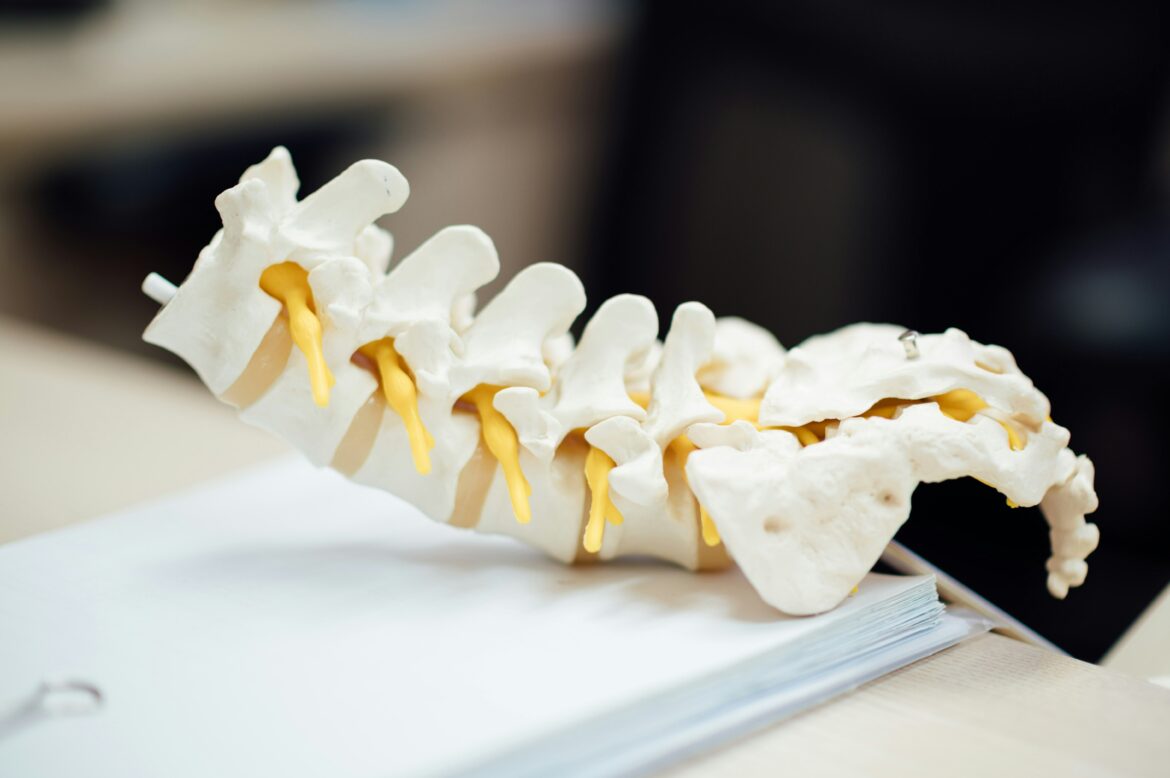
The many parts of the human back work in perfect harmony to enable us to stand upright and move around freely. The spine is a column of many bones that fit together like a wheel and gear system, allowing us to twist and turn. Like any system of moving parts, the failure of a single joint can have far reaching consequences, affecting not only the spine but other areas of the body as well.
While many spinal defects which cause back pain can now be repaired by fixed fixation between bones, the body still has to adapt to the post-repair healthy spine and the demands of daily activity. Understanding these changes will help to optimize the long term health of the patient.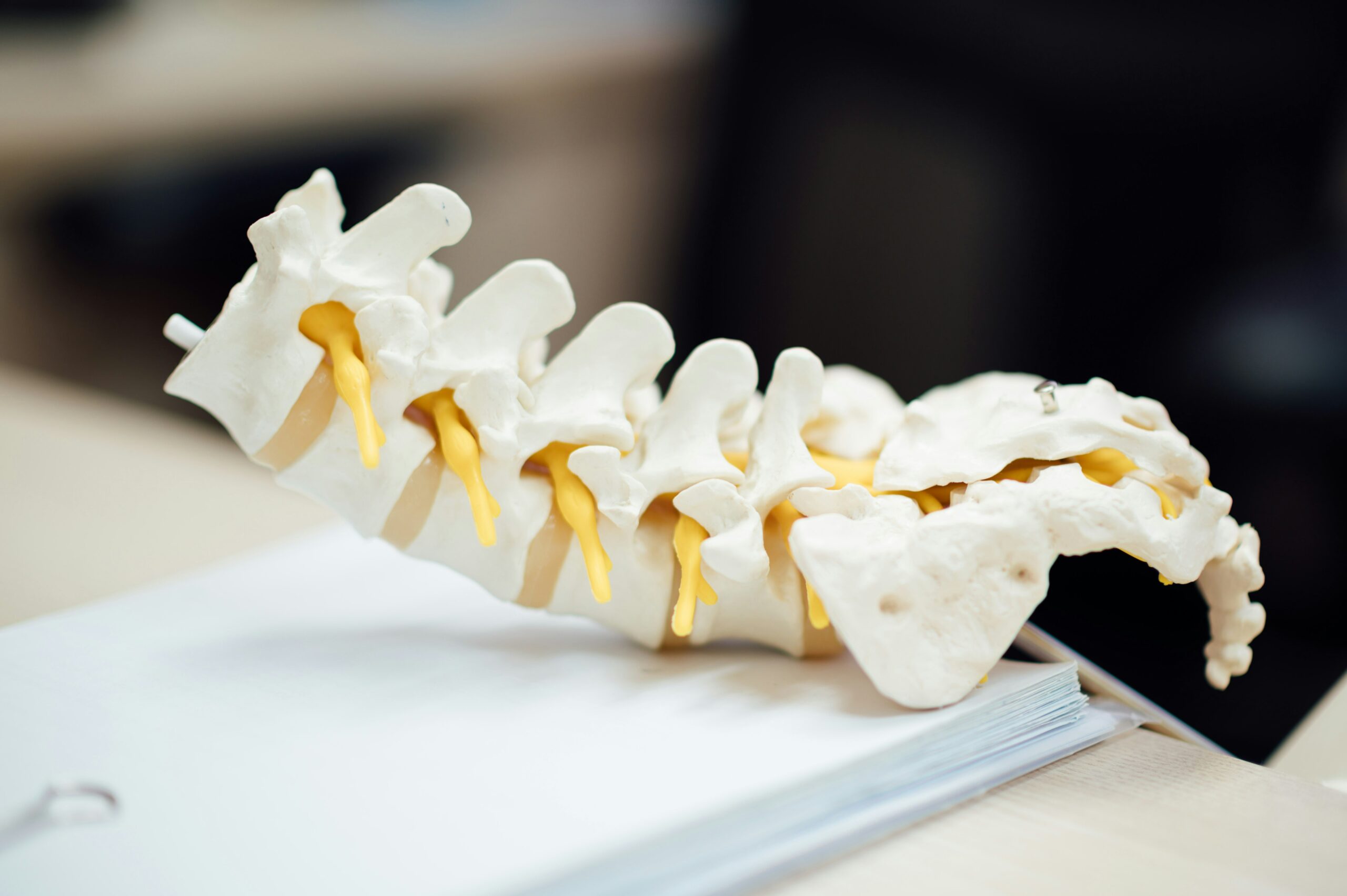
Understanding Spinal Kinematics
The common perception of the spine is that of a stiff rod connecting the head and body. In reality, the spine is actually a stack of 24 separate bones that move in coordination with each other, and for optimal function every individual joint and disc must be functioning properly. As the spine ascends, the bones become progressively heavier and larger. Before these bones can accept the load, the loads must be absorbed and distributed by the individual joints and discs.
To have your body functioning at its best, it is essential that mechanical load is distributed evenly across the spine. If this does not occur, small imbalances in load can over time lead to degenerative changes, pain, stiffness or mechanical stress on certain areas of your spine.
Kinematics can refer to the movement of individual parts of your spine, or to how all of your spine moves as a system, in relation to how your head, torso, neck, back and hips move. If one part of your spine becomes restricted or less mobile it will require other parts to move more to keep the system functioning optimally. Therefore each spine has unique patterns of movement.
The Impact Of Fusion On Movement
Doctors often suggest procedures to stabilize the vertebrae. After a patient undergoes spinal fusion surgery, the surrounding joints must pick up the slack. This adjustment is not isolated, but instead influences how the whole back moves and responds to daily activities.
The fused section becomes a solid, immobile block; it no longer bends, twists, or flexes as it once did, and as a result, the surrounding muscles may feel tighter or more fatigued while adapting to these changes. You may notice that simple movements, such as bending forward or turning, feel different from what they did before the procedure.
Because movement is redistributed, the joints located above and below the fusion site must move more than usual to compensate, and this increased demand can accelerate wear and tear in those areas. Physical therapy becomes important in this phase, as it helps retrain the body, improve movement efficiency, and reduce the risk of overloading specific segments.
Adjacent Segment Disease Explained
While the areas adjacent to the fused segment may not immediately require surgical correction, in time they can become the most dynamic parts of the spine. As the spine compensates for lost mobility and becomes even more abnormal in its range of motion and degree of lordosis, these areas can become over stressed and can develop new problems known as adjacent segment disease.
Based on currently available clinical data, it is estimated that approximately 3% of patients will require an additional surgery the first year post-fusion, and the cumulative rate of additional surgeries over a 10-year period may be as high as 20% to 30%. Therefore, it is imperative that patients receive long-term care and are closely monitored, and any detected complications should be addressed promptly and effectively.
Recovery from surgery is not a short-term process; it is a long-term process for your body to learn to live with the changes to your spine. Conditioning your body to strengthen your core muscles will help to take pressure off of vulnerable spinal segments. Long-term, continued follow up with your medical team and exercises will help you detect any early changes to your spine and allow you to take steps to maintain stability and function.
Measuring Range Of Motion
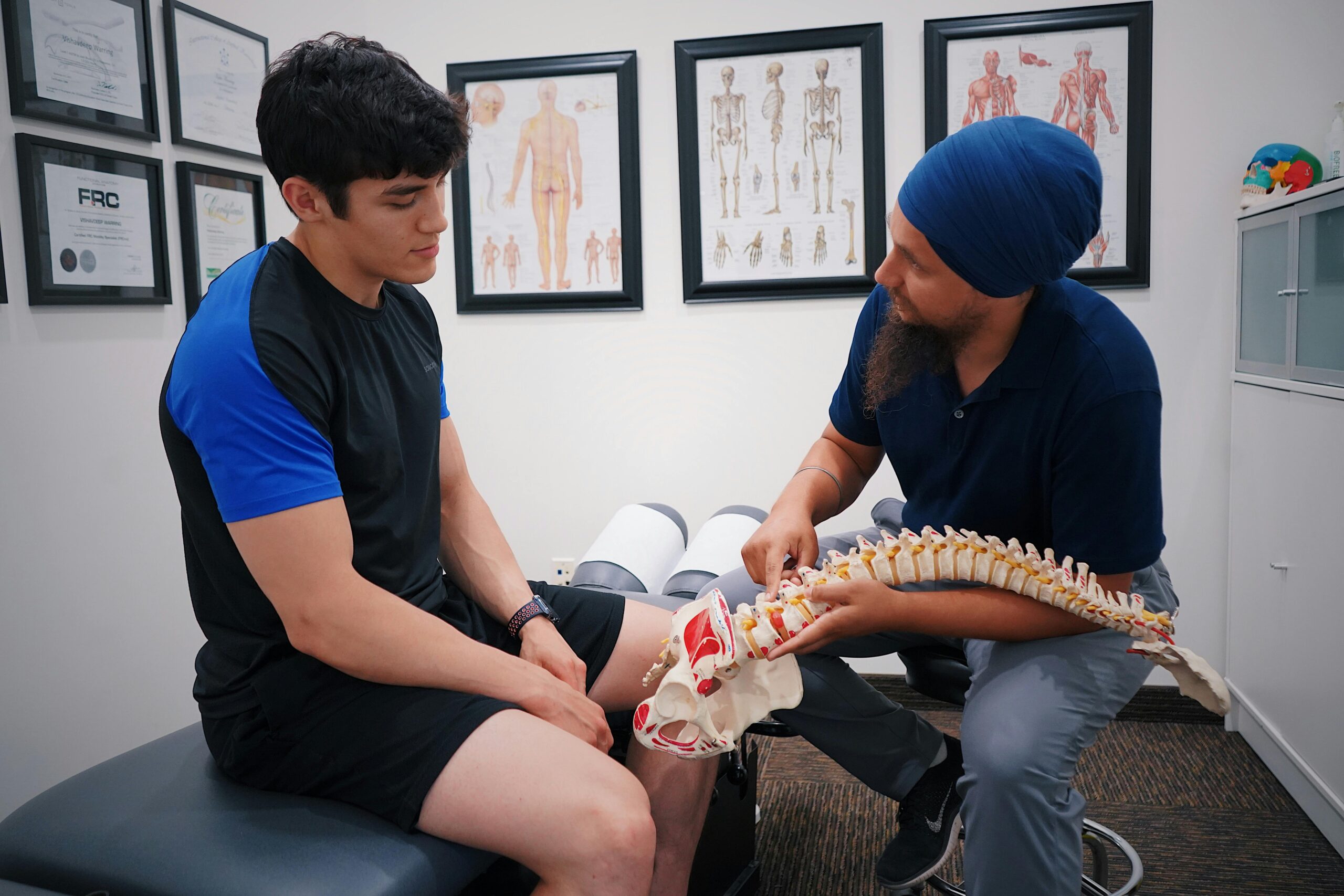
While some studies have suggested that range of motion is not a reliable measure of spinal function, the neutral zone and elastic zone in all axes of movement are still important to consider.
After surgery, you will have certain regions of your spine that can move freely in what we call a neutral zone. This is followed by an elastic zone where increasing resistance will stop further motion. After injury or surgical intervention, the body adapts and the size and elasticity of these postoperative zones can change. It is important to become familiar with these new limitations.
By tracking these changes, healthcare professionals can develop an effective rehabilitation program for their patient and assess correct bending and twisting range of motion. They can inform their patient of physical activity limitations that may put them at risk for injury. They can use this data to design safe progressive exercises and assess a patient’s ability to perform daily tasks.
Changes In Load Distribution
When a portion of the spine remains fixed in an abnormal position for an extended period of time, gravity and body weight are transferred and loaded unevenly upon other areas of the body, including the hips and lower back. Even activities like sitting for long periods of time can begin to feel unusual as a result.
Our body often subtly changes our centre of gravity by tilting of the pelvis or increased knee flexion in an attempt to stabilise. These changes can be un-aware to the individual even though the body is attempting to compensate.
- Keep your hips swinging out further than usual when walking to make it more fluid and natural.
- These shoes cause your lower back muscles to contract and help stabilize your torso.
- The head and body lean forward so that the upper back may be rounded.
It will take some time to get used to the new biomechanics, but with regular training the body and brain will adapt to the new movement patterns. At first you may have to pay a little more attention when walking on uneven surfaces, but with time and training you will get more control and be more efficient at co-ordinating the new way of moving.
Long-Term Effects On The Kinetic Chain
The kinetic chain represents the interconnected system linking the feet, legs, spine, and head, and any alteration in one part, particularly the lower back, can eventually influence other areas, including the shoulders and neck. This interconnectedness explains why localized changes can have widespread effects.
Staying active is the best way to keep the chain healthy. Low-impact exercises, such as swimming or walking, are particularly beneficial because they promote movement without excessive strain. At the same time, maintaining a healthy body weight helps reduce unnecessary pressure on both the spine and any surgical hardware.
It is common to experience mild discomfort or new sensations in different areas during the first year, as the body adapts and reorganizes its movement strategies; however, these issues often improve with appropriate stretching, strengthening, and mindful activity. Paying close attention to how your body responds to different movements can guide safer and more effective routines.
Preparing For Recovery Success
The recovery period from most spinal procedures is generally long and arduous. That’s why we stress to our patients that surgical recovery is a marathon, not a sprint. The bones take time to fuse together and heal. To have the best postoperative outcome and to most quickly return to normal activities, we advise patients to pay very close attention to their post operative instructions.
Avoid heavy lifting, bending, twisting or activity that may place abnormal stress on the healing incision for the first 4-6 weeks after surgery. Using assistive devices such as a cane, walker or crutches when appropriate will help to prevent unnecessary stress on the healing incision. Early and correct use of the right tissues will allow for long lasting benefit.
Nutrition is important in your recovery. Eating foods rich in calcium and vitamin D can help to strengthen your bones. Drinking plenty of water will keep your spinal discs healthy and paired with proper care and moderate activity a healthy diet can help you to recover faster and have the long-lasting results you desire.
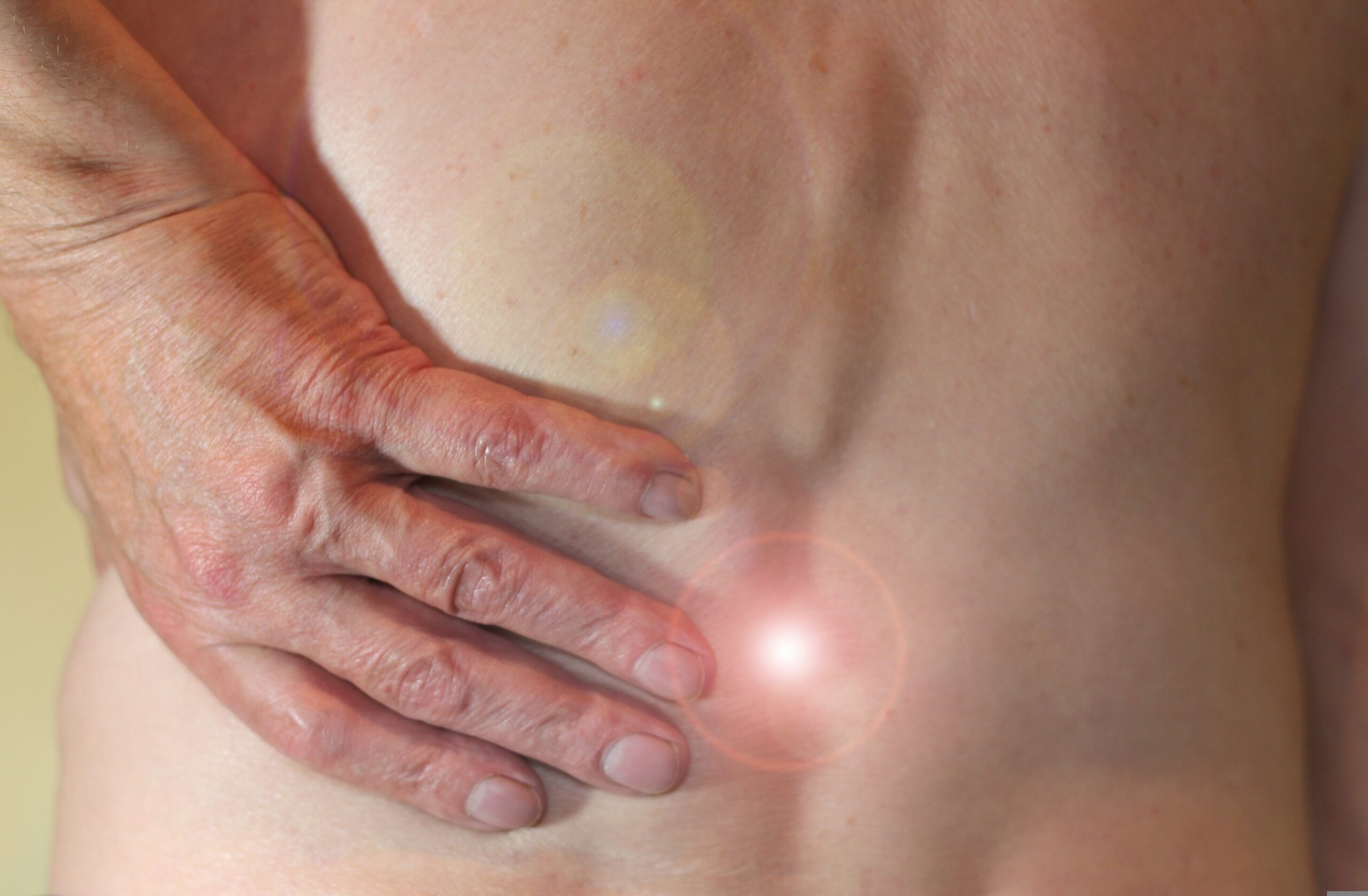
Your body is incredibly good at adapting to change. It will find new ways to help you move, play, and work. Staying informed about your biomechanics gives you the power to stay healthy.
Work closely with your physical therapist to master your new range of motion. They can teach you safe ways to perform daily tasks. With the right approach, you can enjoy a full and active life. Confidence in your movement is the final step of the healing journey.
Written by lea@sapurex.com