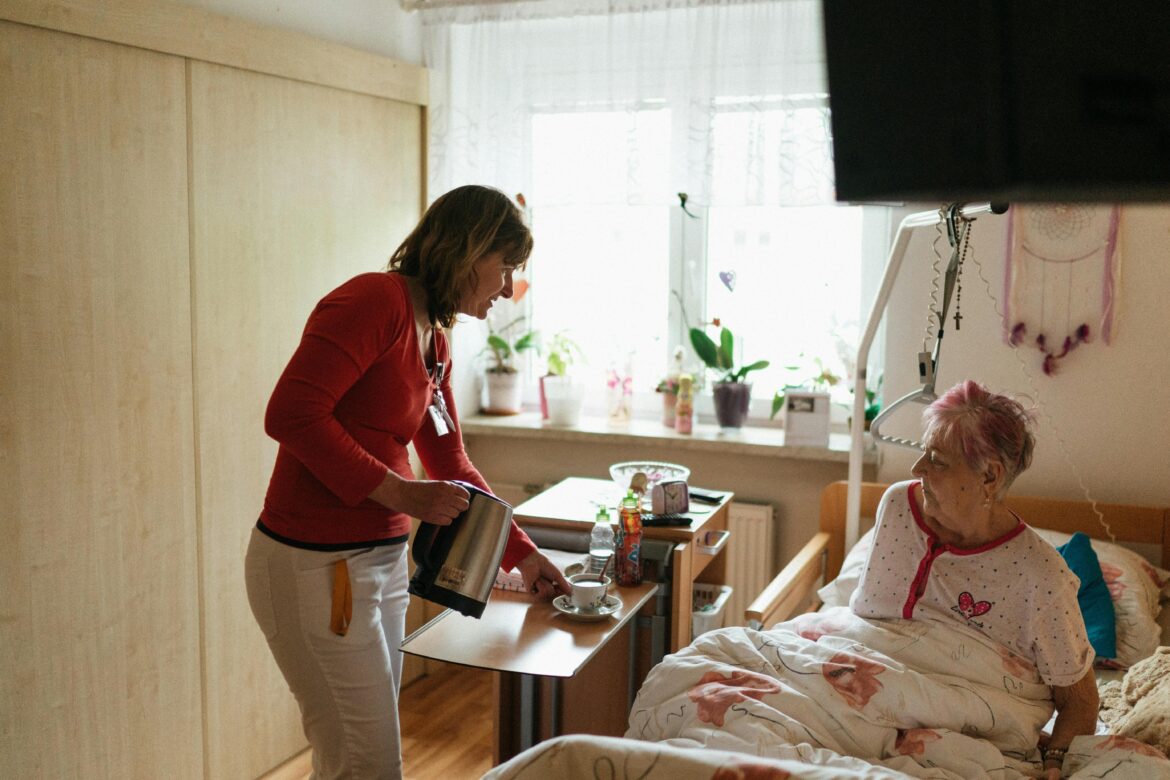
While caregiving is often thought of as a heart-wrenching and challenging process that demands love, patience and compassion, it can also weigh heavily on the body, taking a toll on your joints and putting strain on your back muscles. I get that feeling at times, often when sitting around in the evening watching TV after a long day.
Typically, when we think of caregiving we think of lists and lists of tasks and the emotional toll on caregivers. Often the body is treated as an afterthought and caregivers scramble to get enough sleep wondering if they will make it through the night. Like any form of exercise, your body will tell you if something is amiss. The challenge comes in listening to what your body is saying.
When working with patients who are having clinical massage and manual therapy, we are often presented with symptoms of pain that are non-localised and seemingly mysterious. The patient has not done any sport recently, has not been in any accident, and has not had any injury. Instead we see a pattern of deterioration of the body’s function due to poor position, repetitive activity, awkward movement, and tension caused by increased arousal when caring for someone who is less mobile than they are. This type of demand and stress on the body requires a specific approach to both treatment and prevention. It also memorises all the times your body tensed up to catch you from falling over.
The Biomechanics of Compassion
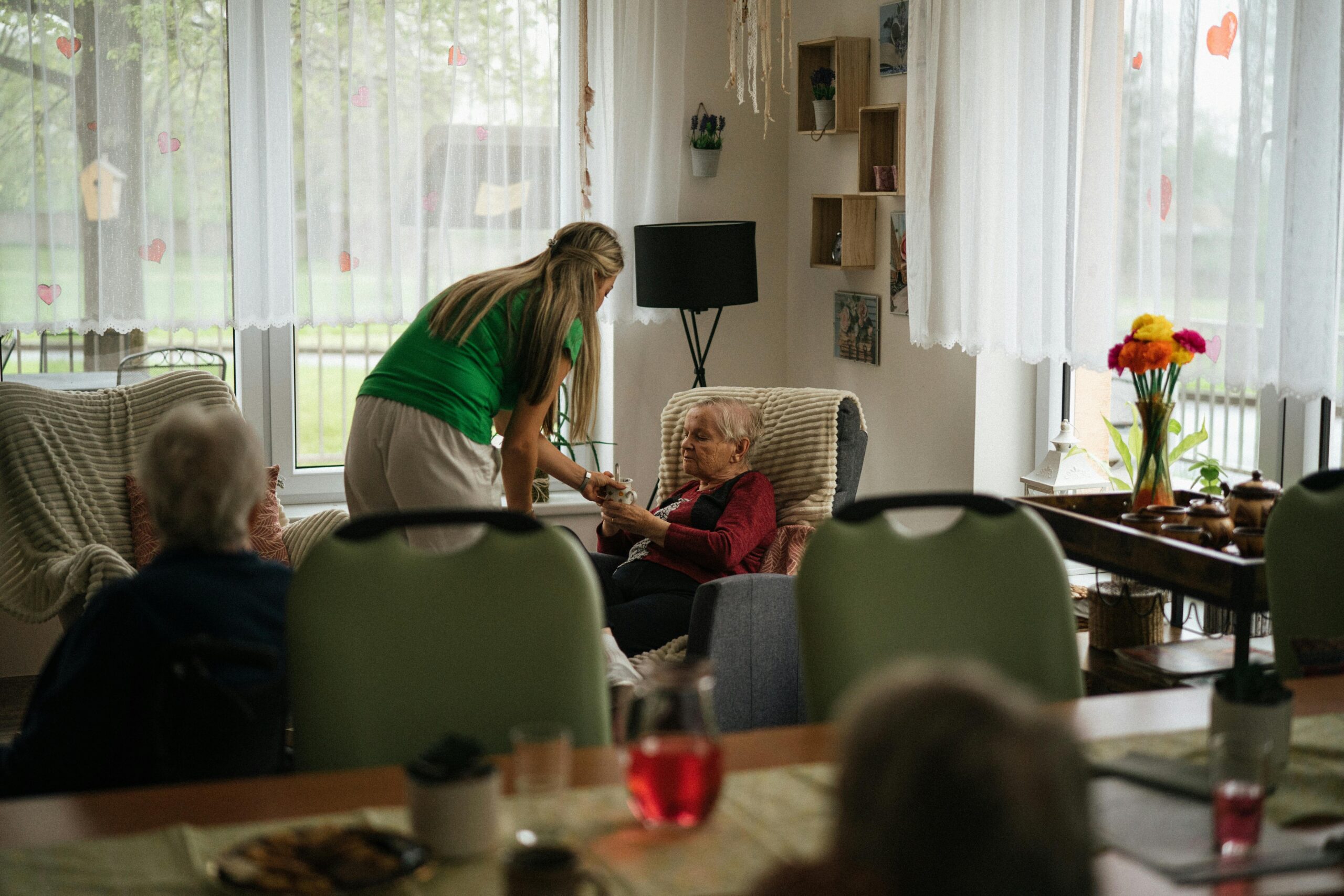
Neither Medicare nor Medicaid training programs teach caregivers how to safely lift or reposition a frail elder using ergonomic techniques. Typically, family members learn by trial and error, often without understanding the risk of injury to themselves as daughters, sons, or spouses to parents or spouses who are frail or elderly. Transfers from a bed to a wheelchair, or attempts to prevent a fall when someone grabs on for balance, often happen in cramped spaces such as a bathroom or hallway, where it is not possible to maintain safe body postures. Unstable loads often require stabilizer muscles to do more work than they would under stable loads.
This can put a person into a “holding on” pattern. Caregivers are often holding people up with injuries, and as the person is being held up, the head will often be held up towards their ears. As a result, the lower back does all the heavy lifting, leading to lumbar strain and myofascial pain – a condition known as “the caregiver’s back”. It’s not just about the heavy lifting. A few years worth of tics, habits, and general inabilities to ever fully relax into most fully repaired, most fully aligned position. Hundreds of contractions and releases every day. Hopefully it lasts for many more years.
The Nervous System and Muscle Tension
The physical effects of caregiving on the brain and body cannot be separated. Caregiving is a highly hypervigilant profession. You are on call at all times. Much of your time is spent listening for the sound of a person falling, watching for a change in breathing pattern at night, waiting for a call for help. Sure, you can be on computer all day until midnight and think that the main effect is just the amount of screen time. And yes, that is indeed bad for you. But the silence of an empty house at night can be as problematic as the bright screen. Both activate the sympathetic nervous system.
When in a “fight or flight” state the muscles remain partially contracted. For a caregiver, this can result in reduced blood supply to the tissues and pain producing “trigger points.” For the caregiver who gives and gives all day, this gentle massage is not a luxury, it is a necessity to calm the nervous system and release contracted muscle fibers from their grasp. Eventually, the physical fatigue will equal the emotional burnout and become hopeless unless helped to release. It’s a heavy cycle.
Practical Strategies for Physical Longevity
To continue providing care, you’ve got to remain physically capable. This starts with acknowledging that your body is a tool that requires maintenance. Incorporating simple mobility exercises into the daily routine can make a significant difference. Focusing on hip mobility and thoracic spine rotation helps distribute the mechanical load more evenly, taking the pressure off the vulnerable lumbar region. However, the most effective strategy for physical health is often the hardest to implement: asking for help.
Longevity in caregiving is rarely a solo feat.
Many families find that bringing in professional assistance is the only way to protect the primary caregiver’s health. For those navigating these challenges in urban environments, it’s helpful to find care helpers in San Francisco or your local area to share the physical workload. Honestly, it’s the best way to keep your own body from breaking down. So, why do we feel so much guilt when we finally decide to share the load? This transition allows the family member to return to the role of a loved one rather than acting as a full-time manual laborer, which is a vital distinction for long-term well-being.
The Path to Recovery
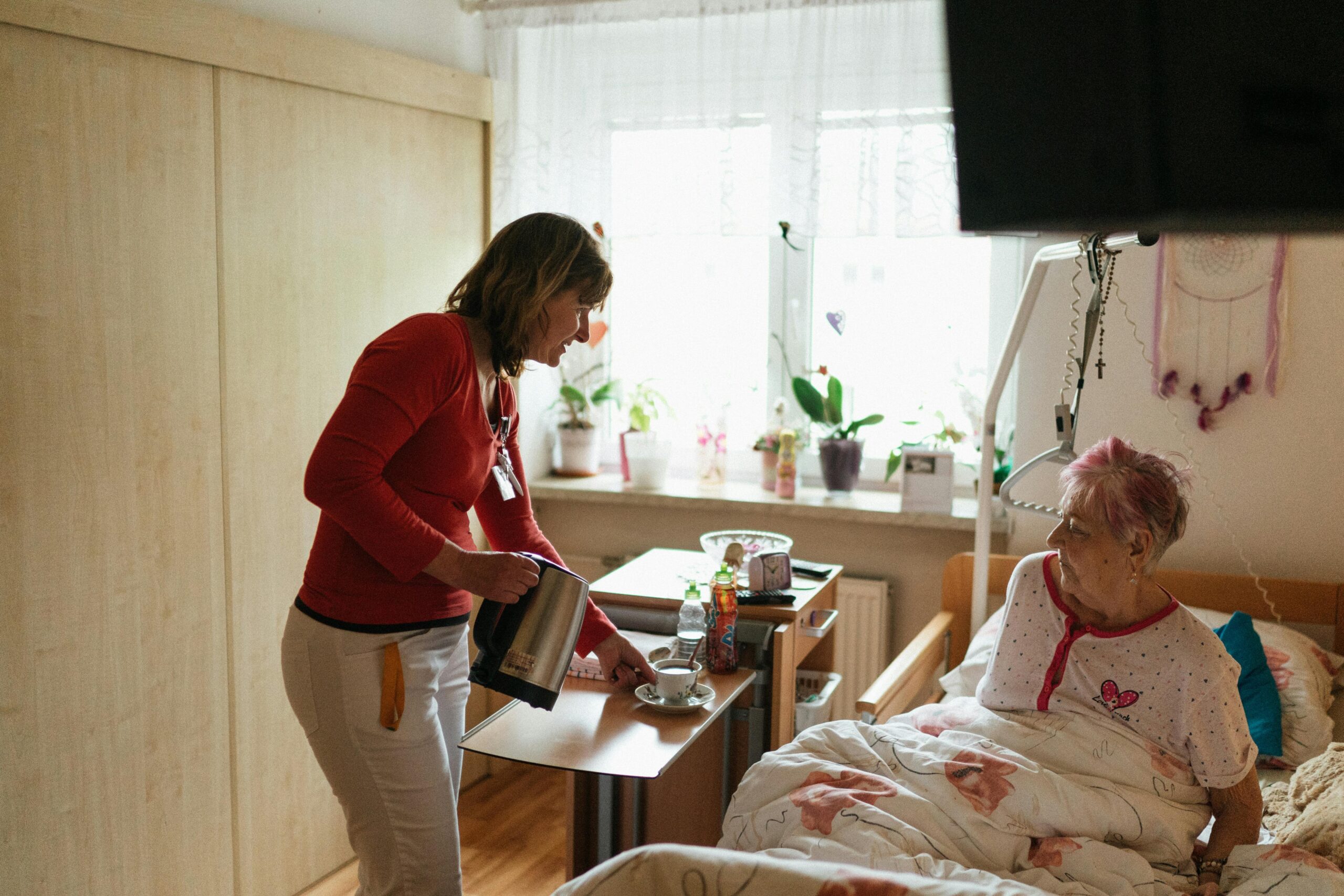
If you’re already feeling the effects of this work, it’s important to seek out manual therapy that understands these specific patterns. Clinical massage can help address the postural imbalances created by caregiving. Techniques that focus on the psoas, quadratus lumborum, and pectorals can help open the body back up, reversing the “closed” posture that often develops during high stress and physical labor.
Recovery also involves rest, which is often the scarcest resource for a caregiver. But even ten minutes of intentional diaphragmatic breathing can help shift the body out of its stressed state. It’s about finding those small pockets of time to reconnect with your own physical self, acknowledging the work your body has done, and permitting it to let go of the tension it’s been carrying on behalf of someone else.
Could a few minutes of quiet be the most important part of your care plan?
Ultimately, the goal is to create a sustainable environment for both the caregiver and the recipient of care. By treating the physical toll with the same seriousness as the emotional toll, we can ensure that compassion doesn’t come at the cost of your own physical health.
Written by media@blogmanagement.io