
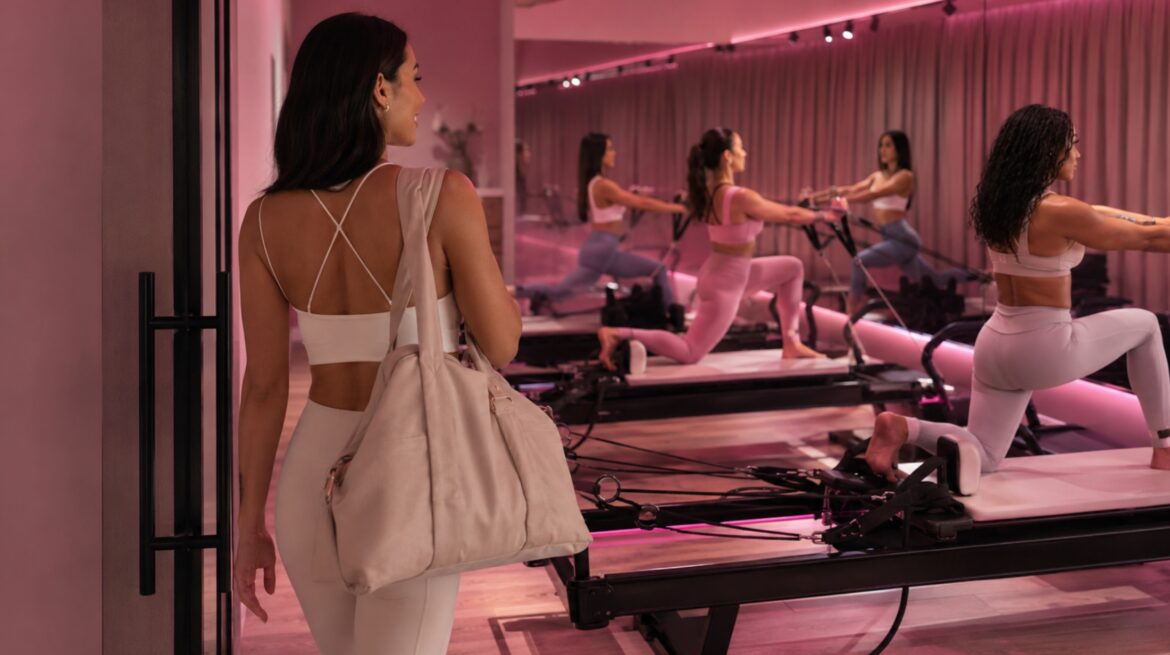
Boutique fitness has become its own category, distinct from big-box gyms and personal training. The premise is straightforward: smaller classes, specialized equipment, coach-led programming, and a price point that reflects all of it. The challenge for anyone evaluating options is that on paper, most boutique studios look alike. The differences show up in the details, which is why studios such as Form50 Fitness and similar operators in major cities have built loyal followings around specific operational choices rather than marketing.
Before signing up for a package, there are six factors worth checking. None of them requires a finance background or insider knowledge. They are visible from a single drop-in class and a quick look at the studio’s site.
Class Size
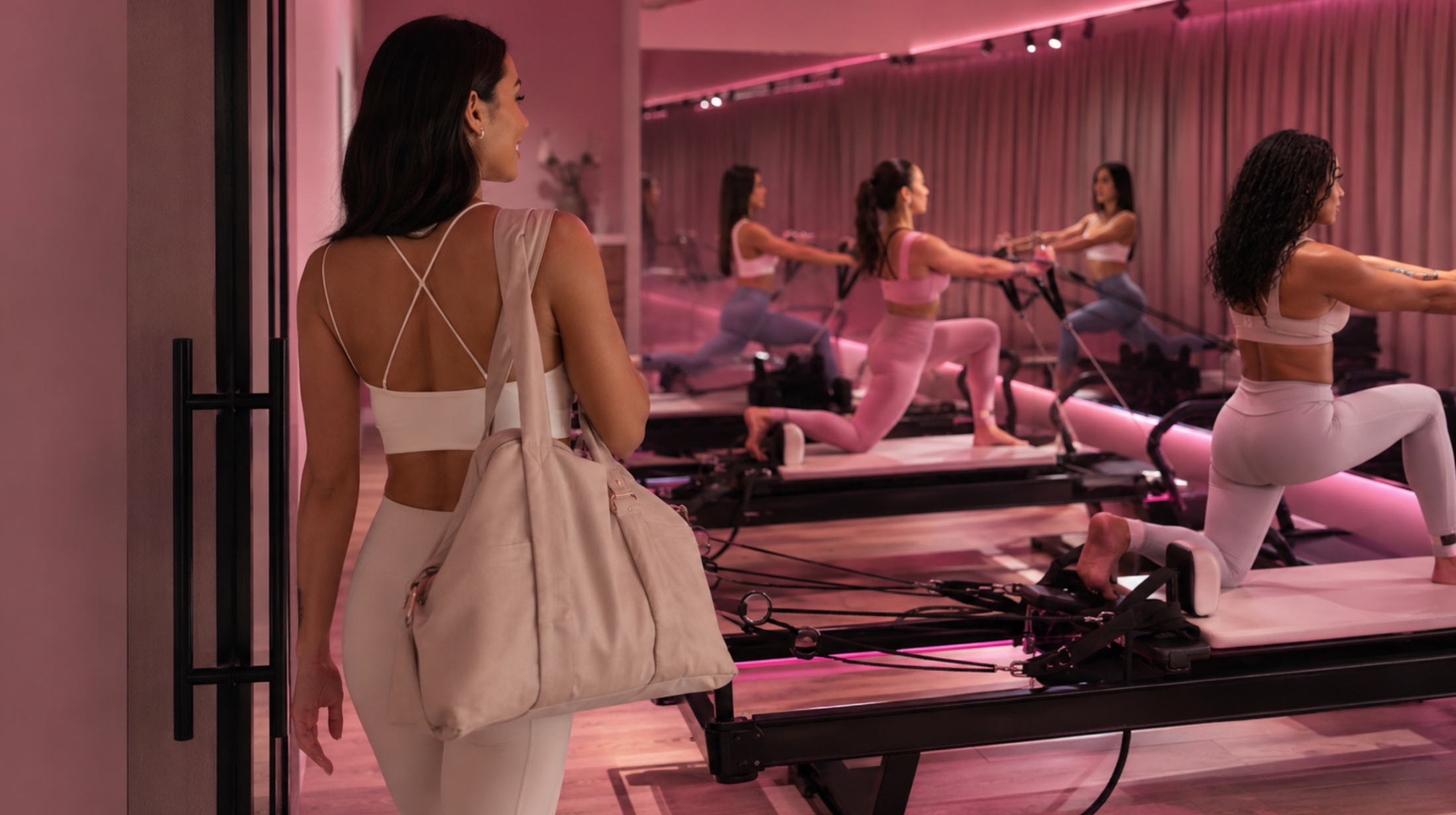
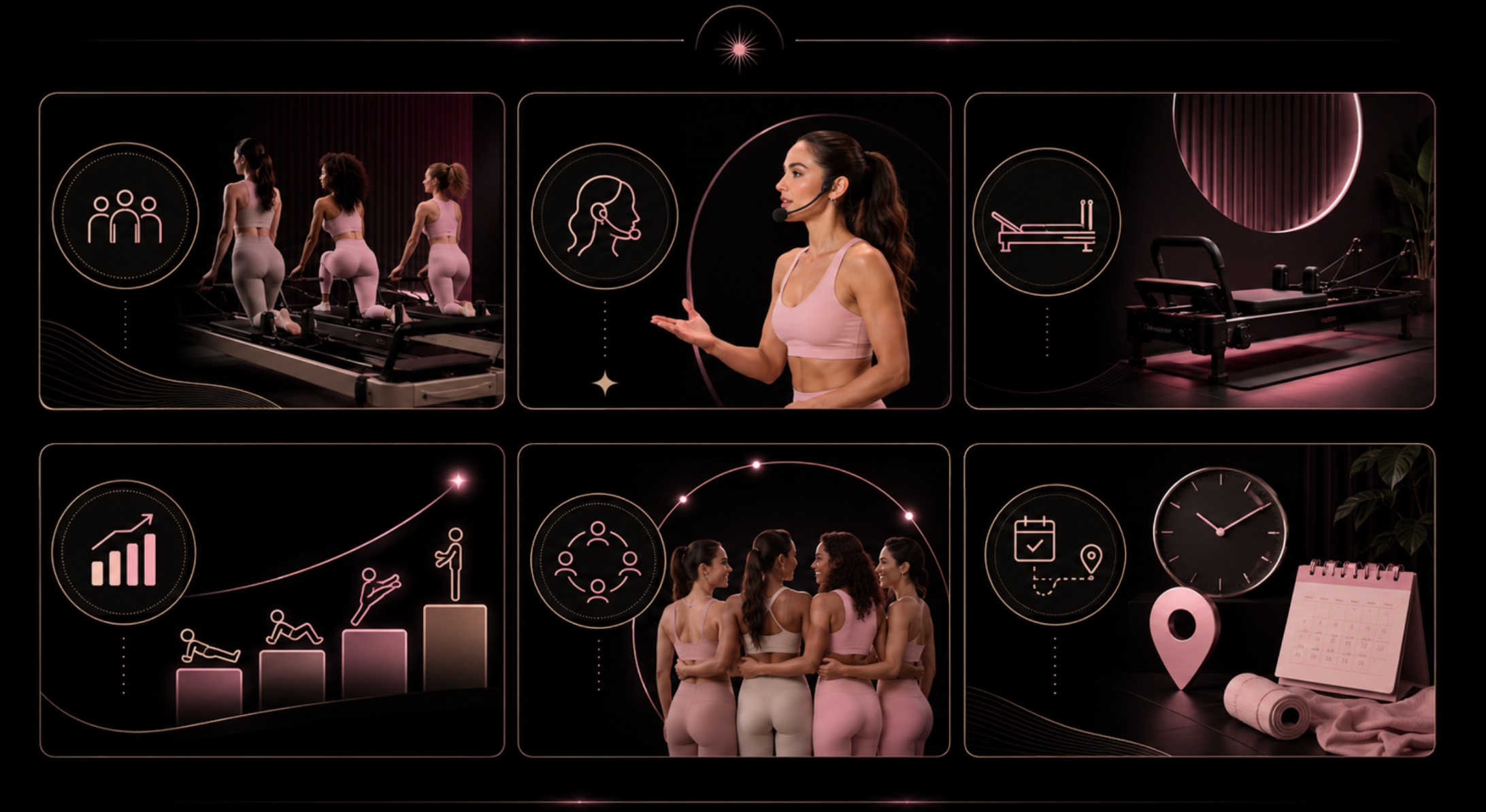
Class size is the variable that influences every other factor. A coach managing eight clients can correct form, adjust load, and notice when someone is fading. A coach managing 25 cannot. The boutique format depends on staying small enough that coaching is real. Studios that cap at 12 to 16 clients per session, including Form50 Williamsburg in Brooklyn, build their entire model around that ratio, which is also why drop-in rates tend to be higher than at larger gyms.
When evaluating a studio, count the equipment in the room. If there are 12 reformers, the class is capped at 12. If there are 30 spin bikes, the class is capped at 30. The number tells most of the story before the first session.
Coaching Quality
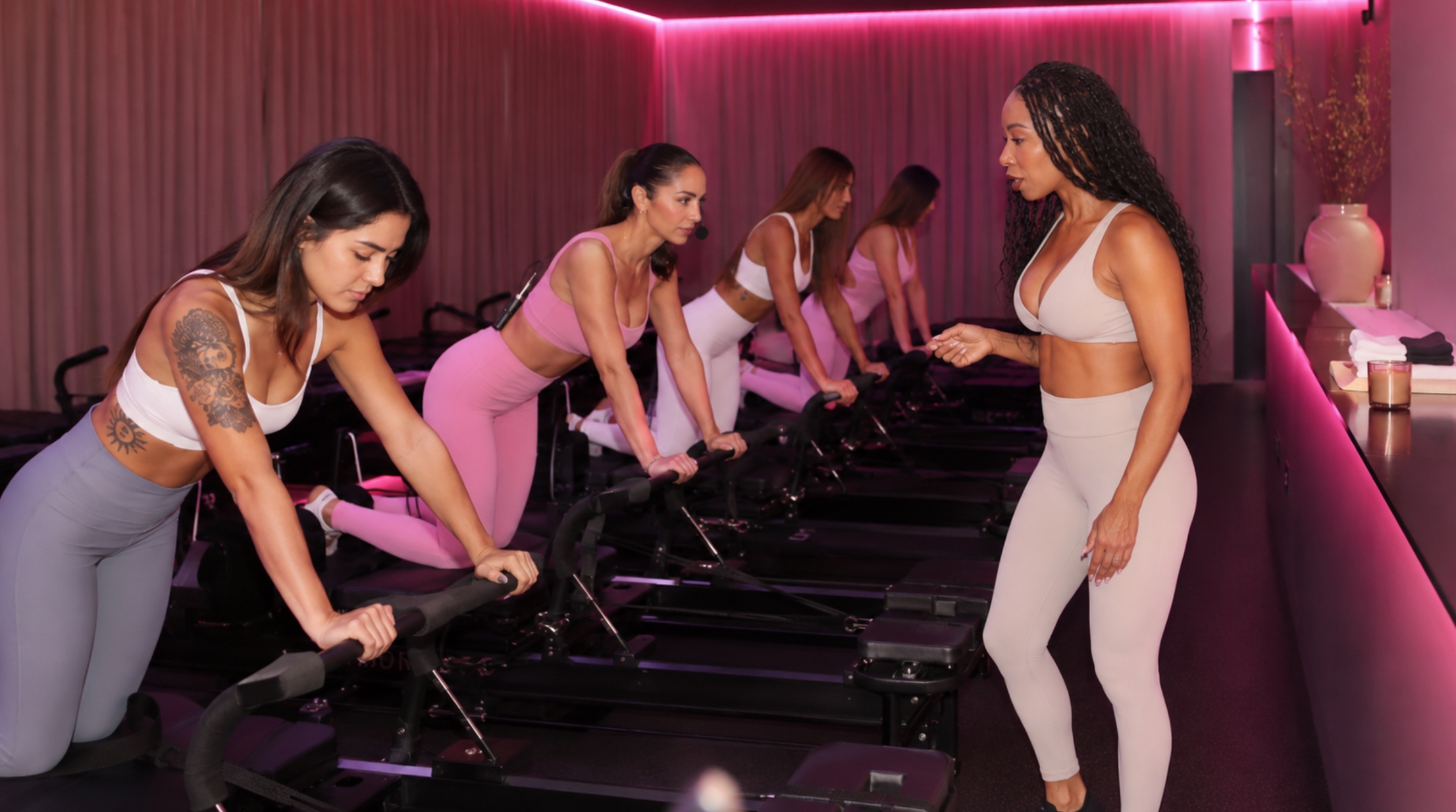
The single most-cited reason clients stay at a boutique studio is the coach. The right coach makes the format work; the wrong coach turns even the best programming into a generic workout. Coaching quality is hard to measure ahead of time, but a few signals are reliable.
Long-tenured coaches indicate a studio that invests in its team. Coaches who teach multiple formats well, who remember client names, and who watch the room rather than the clock are doing the job. Coaches who follow a script word-for-word, or who lead from the front without scanning the room, are not.
A drop-in class is the cleanest way to evaluate this. Most boutique studios offer a first-class deal specifically so prospective clients can run this test.
Equipment Specificity
Boutique studios are usually built around a specific piece of equipment or modality. Reformer-based studios use spring resistance and a moving carriage to load the body in ways free weights cannot replicate. Spin studios use a specific bike fit and class structure. Strength-focused studios use barbells, dumbbells, and structured programming.
The question is whether the equipment is being used to its full potential. A reformer used for slow, controlled Pilates work is doing something fundamentally different from a reformer used for high-intensity interval training, even though the machine is the same. Studios that explain the “why” behind their equipment choice tend to be the ones that use it well.
Progressive Programming
A class that produces results is a class that progresses over time. That can mean increasing load, increasing complexity, increasing density, or all three. Studios that run the same workout every Monday for two years are not programming; they are scheduling.
Look for studios that publish a class structure, that have multiple class levels, or that offer assessments to place new clients appropriately. The best boutique formats have a clear progression from beginner to advanced, with the intermediate level serving as the workhorse class that most clients return to week after week.
Studios that gate their advanced classes behind a number of completed sessions or a coach’s recommendation are usually the ones taking programming seriously. It signals that the advanced class is genuinely harder, not just a marketing label.
Community
Community is the soft factor that turns boutique fitness into a habit. A studio where clients know each other, where the front desk knows names, and where coaches notice when someone has not been in for two weeks, produces better retention than a studio where every visit feels anonymous.
This is also the factor that is hardest to fake. Either the community exists or it does not, and it shows in small things: the chatter before class, the lobby after class, the way clients react when a familiar coach walks in. A studio that feels social on a Tuesday at 7 PM is a studio that has built something real.
Logistics
Boutique fitness lives and dies on logistics. The booking app needs to work. The waitlist process needs to be clear. Cancellation policies need to be visible. Showers, towels, and products matter for clients’ training before work or during lunch. A great class undermined by a broken booking system is still a frustrating experience.
Check the booking process before signing up. Studios on Mariana Tek, MindBody, or similar platforms are usually well-organized; studios running their own bespoke systems sometimes are not. Read the cancellation policy. Look at the schedule density during the times when you would actually train.
Pricing as a Signal
Boutique fitness is expensive relative to commercial gyms because the unit economics demand it. A class of 12 with a tenured coach in a leased Manhattan or Miami space cannot match a $30-a-month gym’s pricing, and should not try to. The pricing usually reflects what the studio is delivering.
That said, packages and intro offers matter. Most boutique studios offer a first-class trial or a multi-class intro pack at a discount. Use these to evaluate two or three options before committing to a longer package. A studio confident in its offering will make this easy.
What the Studio’s Website Tells You
A boutique studio’s website is a faster filter than most people use it as. The class descriptions tell whether the studio has a clear point of view about what it teaches. The coach bios indicate whether the team is stable and credentialed. The schedule density at the times when you would actually train shows whether the studio has the foothold to keep good time slots available.
Pay attention to what the site does not say as much as what it does. Studios that lean heavily on lifestyle imagery without explaining their methodology are usually selling an aesthetic. Studios that explain their format, their coaching standards, and their progression structure are usually delivering something substantive.
Red Flags Worth Watching For
A few patterns reliably indicate a studio that has not invested in the fundamentals. High coach turnover, evident from social media or quick web searches, suggests internal issues that eventually affect class quality. Class sizes that creep upward over time, especially during peak slots, indicate a studio prioritizing revenue over coaching quality.
Aggressive sales pressure during or immediately after the intro class is another signal. The best boutique studios sell themselves through the quality of the session, not through closing tactics in the lobby. A polite explanation of pricing options at the front desk is normal; sustained pressure is not.
How Long to Give a Studio Before Deciding
A single class is enough to evaluate coaching quality and class structure, but not enough to evaluate progression or programming. Most boutique studios reveal their full programming over a four to six-week window, which is also the time horizon over which the body starts adapting to the stimulus.
Committing to an intro package and attending consistently for a month produces a much clearer signal than dropping in once. By week four, you know whether the format is producing the changes you came for, whether the schedule fits, and whether the community feels right. That decision point is far more useful than the first impression.
Closing Thought
The right boutique studio is the one where the format fits the body, the coaching fits the goals, and the community fits the schedule, which is why operators like FORM50 in Williamsburg and elsewhere have built their model around the operational details rather than the marketing.
Written by luxedtiana@gmail.com