
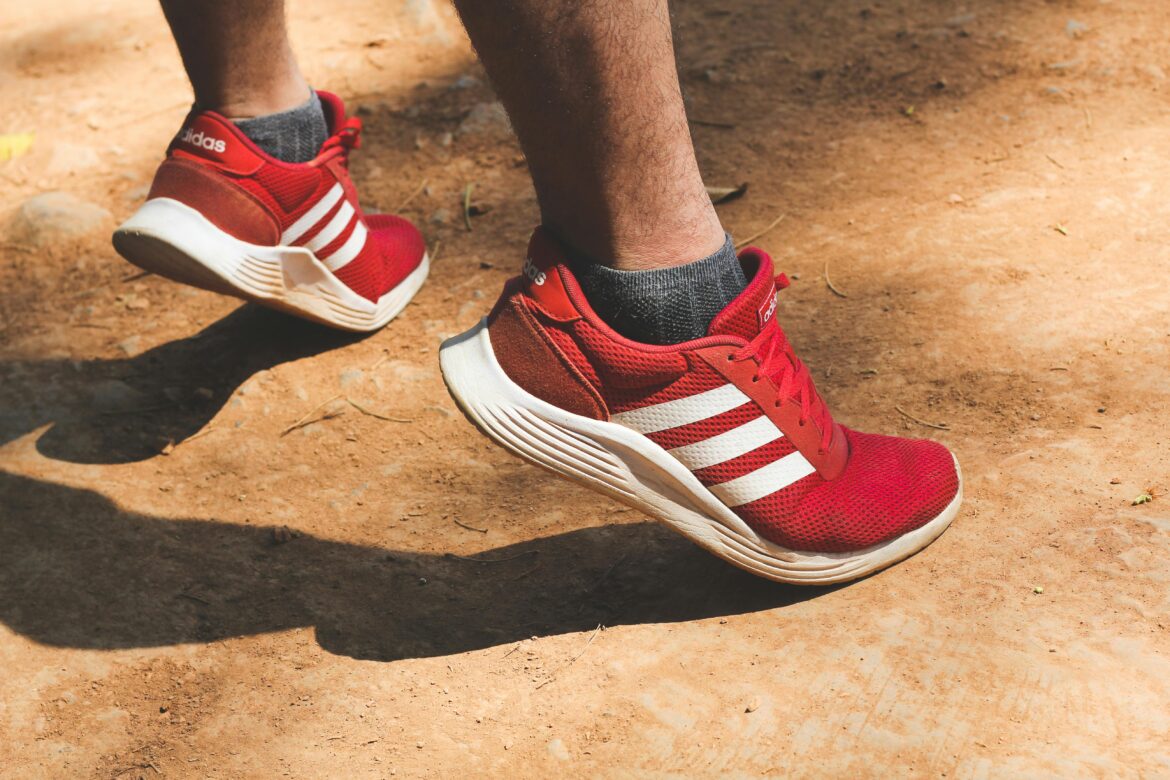
Peripheral neuropathy can affect sensation, balance, and walking confidence. Men with neuropathy may experience numbness, burning, tingling, or reduced foot awareness, which can make choosing the right footwear especially important. Because peripheral neuropathy breaks the loop of critical sensory feedback from the feet to the brain, footwear can influence gait mechanics, pressure distribution, stability, and fall risk. This article will discuss how footwear impacts daily movement and what structural features of shoes are ideal for men with neuropathy.
Why Neuropathy Makes Walking Less Stable
For individuals with neuropathy of the feet, their brain may have difficulty in rapidly reacting to changes in their walking surface, because neuropathy of the feet can decrease sensation and proprioception (your sense of where your feet are). These two components allow individuals to have a sense of their feet on the ground and to know exactly where their feet are at all times. In addition to these two components, there are many other subtle sensations felt by our feet while we are walking.
In order to maintain our balance while walking, these sensations allow our brain to process information regarding our walking surface and to make the necessary adjustments to our walking. In individuals with neuropathy of the feet, many report numbness and tingling in their feet as well as pain. Some individuals even report an increase in sensitivity to pain. However, because of a decrease in sensation, these individuals may stumble more during their activities. The instability caused by decreased sensation can result from neuropathy of the feet. As a man with symptoms between the toes, changes in your gait due to discomfort, numbness, tingling or even hypersensitivity will affect your ability to walk safely and could even lead to further problems. Your new gait will place increased amounts of pressure in certain parts of your foot and cause you to become less stable. This in turn could mean that you are less aware of uneven surfaces that could cause you to stumble.
How Footwear Affects Gait and Balance
Most people realize that the way in which we use our feet on a daily basis is affected by the type of footwear that we wear. In addition to the function of the foot being altered by shoes, the way in which the body weight of the person is distributed during gait (walking) is also affected. When looking for a good pair of walking shoes one of the first things to look at is the sole of the shoe. It should provide support for the foot and also plenty of cushioning to absorb the shock of walking. A wide sole with a firm sidewall and good heel support can help to provide stability and prevent excessive side to side movement. The shoe should also enable suitable pressure distribution over the foot. The amount of cushioning in a shoe is particularly important and this should be supportive for people with neuropathy but not too soft in other cases as excessive softness could mean that there is no ground feel and this could affect balance in some individuals.
In addition to how the foot functions while wearing shoes, how the shoes fit and distribute pressure also greatly impacts gait and balance. The soles of shoes must provide adequate cushioning and absorb shock while walking. Some individuals with sensitive feet will benefit from additional cushioning in the shoes to reduce pressure on sensitive areas of the foot. However, the type of cushioning is important. Supportive cushioning, as opposed to unstable or overly soft soles, will be most beneficial for individuals with neuropathy. Shoes with poor design can create additional pressure points, such as on the top of the foot or between the toes, which can cause increased discomfort and contribute to the sense of less stability while walking.
Key Footwear Features That Support Balance and Stability
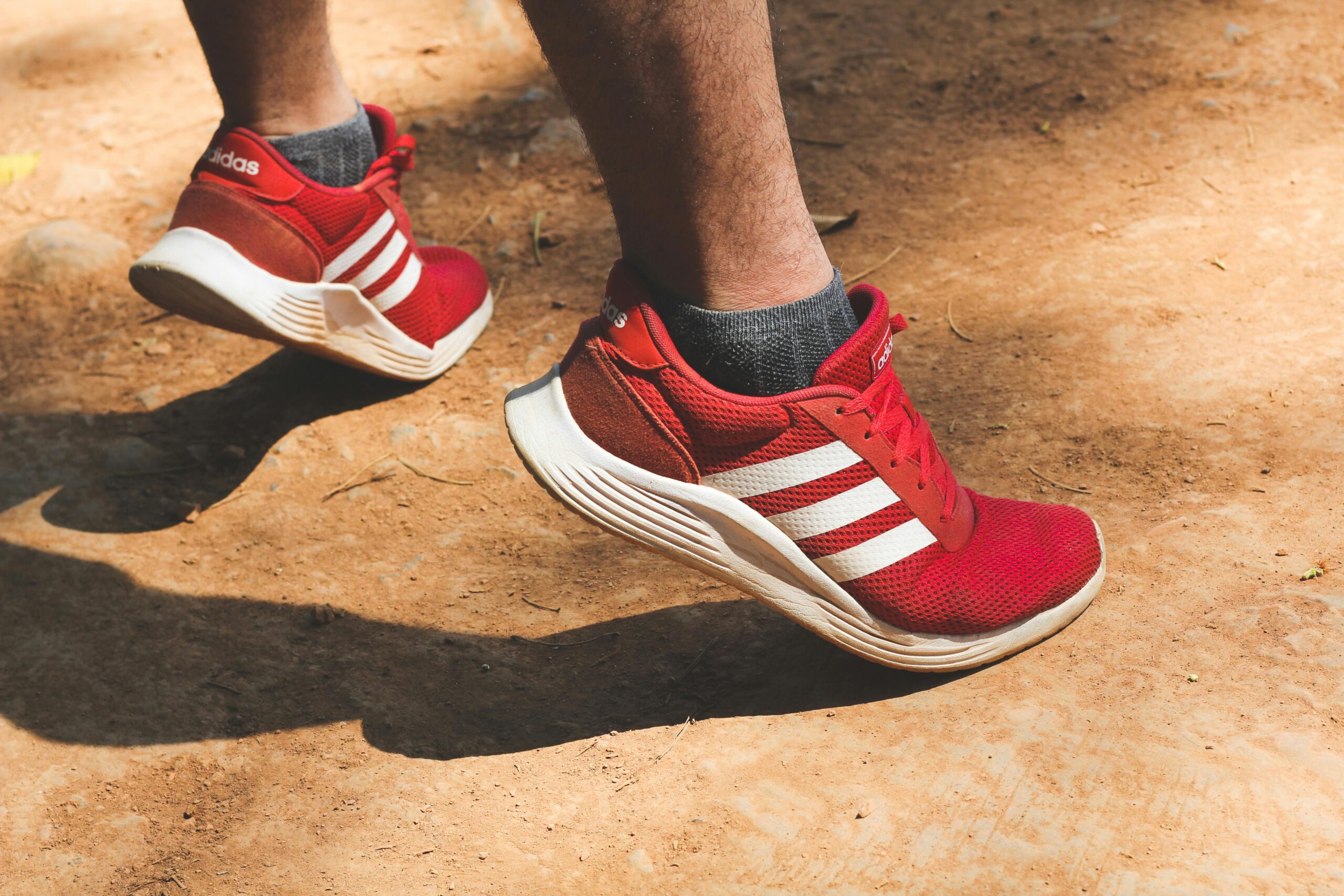
Neuropathy often requires more supportive footwear features to help compensate for reduced sensory feedback and protect sensitive feet. Choosing the best shoes for neuropathy can help reduce pressure points, improve support, and make walking feel more stable and comfortable.
Wide, anatomically shaped toe boxes help reduce toe compression while providing enough room to prevent pressure and rubbing. Extra depth can accommodate orthotic inserts and foot swelling that may vary throughout the day. Appropriate arch support can help distribute pressure more evenly, depending on the person’s foot shape and needs.
However, cushioning should be balanced with structure. A firm heel counter can help hold the rearfoot in place and improve overall stability. Footwear features slip-resistant soles that are wide and anatomical, increasing ground contact surface area. Adjustable closures, such as laces or hook-and-loop straps, help keep the foot secure and may reduce sliding and friction. Orthotic-friendly shoes should have smooth interiors with minimal seams to reduce rubbing and irritation. These and other critical structural features create a baseline protective footwear profile, balancing pressure peaks away from sensitive tissues while allowing smooth transitions in gait.
Footwear Features That Increase Instability
When it comes to picking out the right shoes for neuropathy of the feet, there are some types of shoes that can increase a man’s risk of discomfort and/or falls. Because many men with neuropathy of the feet have lost protective sensation in their feet, they may not be aware of discomfort or damage that is being done to their feet by shoes that do not fit properly.
The following types of shoes could potentially cause problems for men with neuropathy:
- Tight shoes;
- Tapered toe boxes;
- Shoes with shallow interiors;
- Slip-ons or backless shoes that allow the foot to slide forward.
One common misconception about footwear and neuropathy is that neuropathy is caused by certain types of shoes. As a general rule, footwear does not cause neuropathy, however neuropathy can be caused by a variety of medical conditions and events including diabetes, vitamin deficiencies, toxic exposures, and previous injuries or illnesses that have caused nerve damage. What men with neuropathy need to know is that certain types of poorly fitting shoes can increase their discomfort and even cause falls. Men with neuropathy need to avoid shoes that are tight with tapered toe boxes and shallow interiors as these cause pressure on the toes and bony prominences of the foot. Additionally, men with neuropathy need to avoid very loose slip-ons, backless shoes, and unsupportive flip-flop type of shoes as these cause the foot to slide about in the shoe.
As a result, the toes are forced into the toe box of the shoe in an attempt to grasp the interior of the shoe to keep the foot from slipping about. Just because a pair of shoes is sold in a store, does not mean that it is appropriate for a man with neuropathy. They must avoid shoes with features that increase fall risk such as high heels, unstable soles, narrow toe boxes and poor arch support. Men with neuropathy must also avoid very worn out sneakers, shoes with thin/shredded/missing cushioning soles, and other features that increase pressure and pain. Also, shoes with rough interiors, seams and other irritations can cause increased irritation of sensitive skin. They are best to wear protective, secure, stable shoes.
Movement Guidelines for Neuropathy Patients
Proper footwear is important, but it is only one part of fall prevention and foot protection. The walking environment and daily habits also matter. Men with neuropathy should consider the following practical movement guidelines to navigate daily life:
- Check inside shoes before putting them on.
- Inspect feet daily with handheld mirrors for redness, pressure marks, cuts, or blisters.
- Avoid walking barefoot, even indoors, to protect your feet from unnoticed hazards.
- Replace worn-out footwear before the soles, cushioning, or support break down.
- Walk using appropriate surfaces and use stair handrails for safety.
- Keep floors clear of tripping hazards.
- Engage in physical therapy and exercises to focus on sensory integration, balance, hip/calf strengthening, gait mechanics, and joint flexibility.
When to See a Healthcare Professional
Certain neuropathy symptoms require medical intervention. Men with neuropathy should seek guidance from a healthcare professional, such as a primary care provider, podiatrist, neurologist, or physical therapist, if any of the following occur:
- Rapidly increasing numbness, swelling, or pain affecting ambulation.
- Frequent falls or stumbling.
- Inability to find properly fitting footwear.
- Severe foot deformity.
- Limb or foot skin temperature changes.
- New wounds, sores, blisters, drainage, spreading redness, or signs of infection, especially if you have diabetes or poor circulation.
Summary
Appropriate footwear for the at risk neuropathic foot is not a treatment for the neuropathy but can assist in the protection of the foot from further damage. It can also enhance the user’s ability to move about safely and with confidence. It can also assist in reducing localized pressure points and assist in improving balance. Appropriate footwear is just one of the safety measures that should be used as part of an overall safety program for the at risk person. Other safety measures would include regular inspections of the feet, an assessment of the environment in which the person will be moving and medical treatment for any problems that may occur.
Written by Pam Masseria