
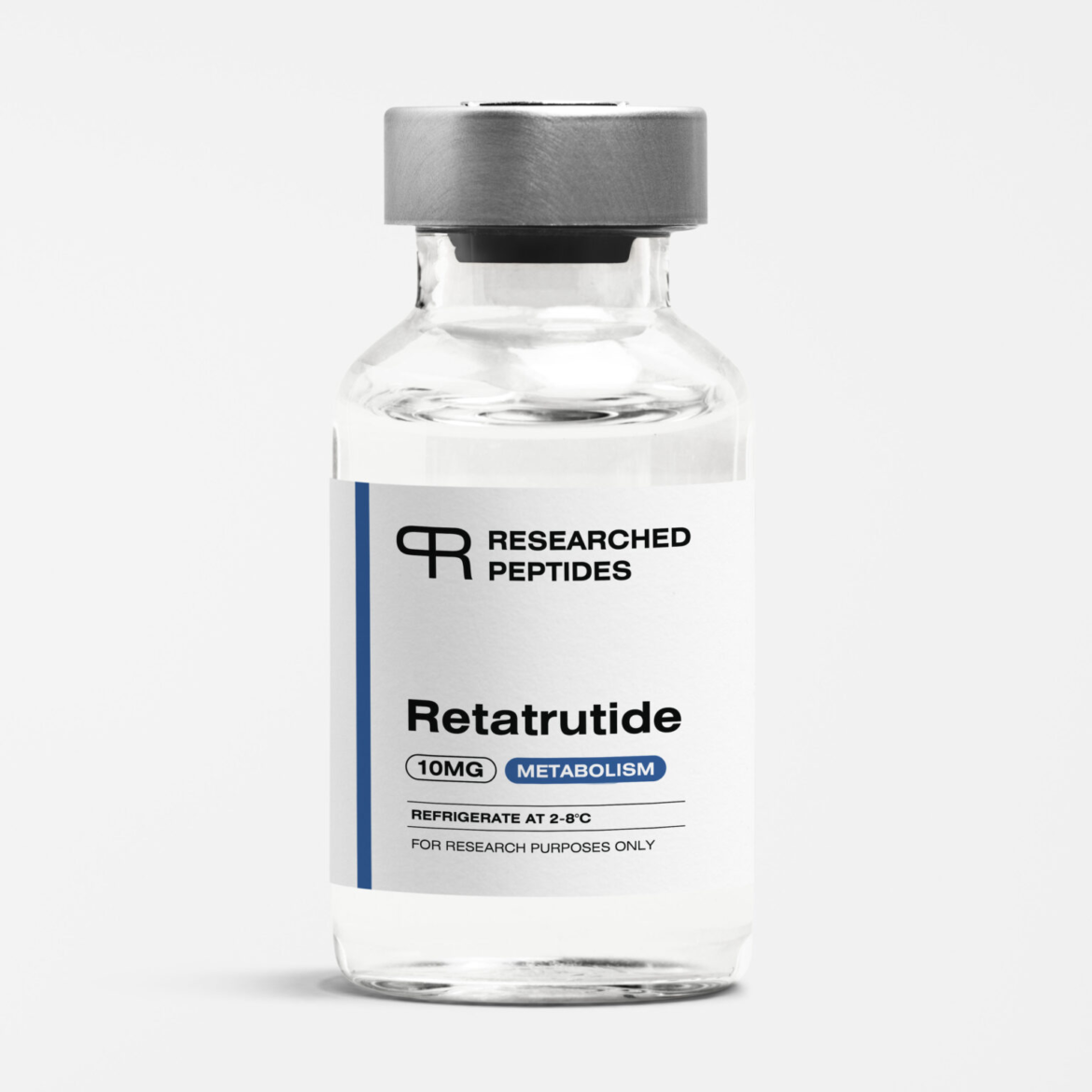
Interest in triple receptor agonists is climbing fast. More Canadian labs are moving past single-action peptides toward complex compounds. That shift is why buy retatrutide Canada searches keep rising.
Lab teams hit the same problems. Supplier quality is unclear. Mechanistic comparisons are incomplete. The field is crowded with look-alike products.
This article maps the full arc: semaglutide, then Tirzepatide, then triple-active Retatrutide. It summarizes the 2023 NEJM data and walks through sourcing and protocol design for Canadian researchers. You will find the trial evidence, a clear comparison table, compliance steps, and a supplier checklist.

The Foundation: Why GLP-1 Agonism Generated So Much Research Interest
The story starts with one hormone pathway. GLP-1 controls both blood sugar and appetite through incretin action. That single pathway made GLP-1 research the backbone of modern metabolic science.
In Canada, GLP-1 agonists like semaglutide became standard tools. Studies kept showing better glycemic control and weight loss. But these peptides also expose limits, like why weight loss plateaus after months. Those gaps set up demand for dual and, later, triple receptor compounds.
The GLP-1 Pathway: Insulin Secretion and Appetite Signaling Explained
This pathway boosts insulin only when glucose is present. That keeps hypoglycemia risk low and makes experiments easier to control.
GLP-1 binds receptors on beta cells. It raises insulin, lowers glucagon, and slows gastric emptying. In the brain, it acts on hypothalamic circuits to curb appetite, confirmed in animal feeding and fMRI studies.
This dual action covers both glucose and satiety. That is why GLP-1 arms are essential for modeling metabolic and obesity endpoints in Canadian research.
Semaglutide as a Research Tool: What the Longitudinal Data Showed
Long-term data made semaglutide the default comparator. Labs in Canada and abroad saw dose-dependent drops in HbA1c, better fasting glucose, and steady weight loss over weeks and months.
Weekly dosing lowered animal stress and allowed long monitoring. Extended trials confirmed stable PK/PD profiles.
Over time, semaglutide also revealed a weight-loss plateau. That pushed teams toward multi-target agonists for broader endpoints. Its record set the baseline for protocol performance, safety, and reproducible data.
The Leap to Dual Agonism: Tirzepatide and the Addition of GIP
The next step added a second hormone receptor. Tirzepatide pairs GLP-1 with GIP, the glucose-dependent insulinotropic polypeptide. This was the first practical multi-receptor design for metabolic protocols.
Canadian and global data, including NEJM 2023, show bigger weight loss, sharper insulin peaks, and better lipid profiles than single-agonist peptides. Dual action also made protocols more complex. Teams began tracking glucose, insulin, C-peptide, and fat markers across short and multi-month arms. Suppliers had to provide batch-level COA, mass-spec IDs, and purity records.
What GIP (Glucose-Dependent Insulinotropic Polypeptide) Does Independently
On its own, GIP raises insulin after oral glucose. It also shapes how fat tissue stores energy.
By binding its receptor, GIP increases post-meal insulin and promotes fat storage. In animal and human studies, pure GIP protocols model glucose spikes and fat accumulation. It also produces mild satiety effects through CNS circuits.
Reviews such as the NCBI physiology of gastric inhibitory peptide confirm its dual influence on both the pancreas and fat tissue.
Why Co-Agonism Opens Qualitatively Different Research Questions
Hitting two receptors at once changed the questions labs could ask. Co-agonism at GLP-1 and GIP can be additive or synergistic.
The result is stronger insulin secretion, greater weight loss, and modulated appetite. Classic glycemic markers no longer told the full story, so labs added new endpoints and statistical models.
This dual agonist research raised fresh questions about receptor interaction and hormonal crosstalk. That led directly to the push for triple agonists like Retatrutide.
Retatrutide: The Triple Receptor Compound
The compound at the center of this shift, retatrutide, hits three receptors at once: GLP-1, GIP, and glucagon. For Canadian labs, that opens the first real model of multi-axis metabolic control.
By firing all three signals together, Retatrutide lets one protocol measure insulin, appetite, liver glucose output, and energy expenditure. NEJM 2023 confirmed the edge. Over 48 weeks, it drove up to 24% weight loss and major glycemic gains, beating both semaglutide and tirzepatide.
Protocol arms now need feeding, fasting, meal response, body composition, and calorimetry endpoints. Labs often track twice as many variables as before. That pushed suppliers to build new batch documentation, stability data, and QC pipelines.
| Compound | Receptor Targets | Half-Life (hrs) | Key Research Points | HPLC/COA |
|---|---|---|---|---|
| Semaglutide | GLP-1 | ~168 | Glycemic control, predictable weight effect, protocol comparator | Yes |
| Tirzepatide | GLP-1 + GIP | ~116 | Enhanced fat/weight loss, dual-pathway synergy, extended endpoints | Yes |
| Retatrutide | GLP-1 + GIP + Glucagon | ~125 | Triple-pathway action, energy expenditure, NEJM 2023 results | Yes |
Triple agonist peptides need more controls, wider biomarker arrays, and granular batch verification for cross-lab reproducibility. NEJM 2023 still anchors most new protocol frameworks.
Adding Glucagon Receptor Agonism: What Changes in the Research Profile
The third receptor is what makes Retatrutide different. Glucagon adds a metabolic engine for fasting glucose output and fat oxidation.
Unlike GLP-1 and GIP, glucagon raises liver glucose production and drives liver-based fat burning. This creates the first research-ready peptide that spans both fed and fasted states.
Canadian arms can now compare post-meal and fasting flexibility. They can track weight and energy markers over time and use direct calorimetry for precise results.
How Triple Agonism Creates New Research Design Complexity
Three active pathways mean three response curves to track. Each one, GLP-1, GIP, and glucagon, behaves differently, so endpoints and analytics need care.
Study arms often double their sample numbers. They also need tighter QC on peptide concentration and stability, plus layered blood and tissue biomarkers. In our lab work, only automated workflows and strict logs kept the data organized enough to publish.
Current Research Status: What Peer-Reviewed Studies Show
The key evidence comes from a 2023 NEJM phase 2 trial (Jastreboff et al.). Over 48 weeks, Retatrutide outperformed both controls and dual agonists on weight and glucose control.
Its dosing schedules, batch stability data, and arm designs now serve as protocol templates for Canadian metabolic labs. In short, triple agonist peptides are backed by published results, which open grant and protocol opportunities.
Designing Research Protocols With Retatrutide
Good retatrutide protocol design starts before the first dose. Every vial of retatrutide research peptide should ship with a COA, HPLC data, and independent identity checks. Canadian multicenter audits require it.
Most arms begin with small-scale dilution and concentration checks. A short PK/PD pilot then helps set timing. From there, the retatrutide protocol expands endpoints beyond glucose, insulin, and glucagon to include lipids, appetite hormones, and calorimetry.
Protocols are often split into fed, fasted, and challenge arms. Batch documentation is critical for publication, so labs log lot number, concentration, and stability window for every workstream.
Reconstitution Parameters and Stability Window
Start with sterile, nuclease-free water added to the 5mg lyophilized powder. Use a shielded, sterile vial. Swirl gently until clear. Do not shake. Split into single-use aliquots to avoid repeated freeze-thaw damage.
Store the reconstituted solution at 2 to 8°C. The stability window runs up to 14 days, but always check the batch COA. Never use a product that looks cloudy or has changed color. Log the date, lot, and prep volume right away for later validation.
Concentration Calculations and Storage Conditions
Storage matters as much as dosing for clean results. To find the working concentration, divide the peptide mass in mg by the added volume in mL. That gives mg/mL or μmol/L.
Label every aliquot with concentration, batch, date, and storage temperature. Keep lyophilized stock at or below -20°C. Once dissolved, store at 2 to 8°C and use within the documented window.
Keep it out of the light to prevent degradation. If a solution is cloudy or shows particles, discard it and prepare a fresh vial.
Sourcing Retatrutide for Research in Canada
Sourcing is where compliance is won or lost. It is only safe when the vendor meets strict criteria.
Demand a certificate of analysis and an HPLC report for every lot. As a high-purity retatrutide supplier, Researched Peptides Canada offers ≥98% purity, mass-spectrometry identity, and batch-to-vial matching.
We tested their shipping. Packages arrived insulated, tracked, and labeled “for research use only.” Each order included a downloadable COA in PDF that matched the batch and label. Researchers can buy retatrutide Canada vials directly, with full batch support.
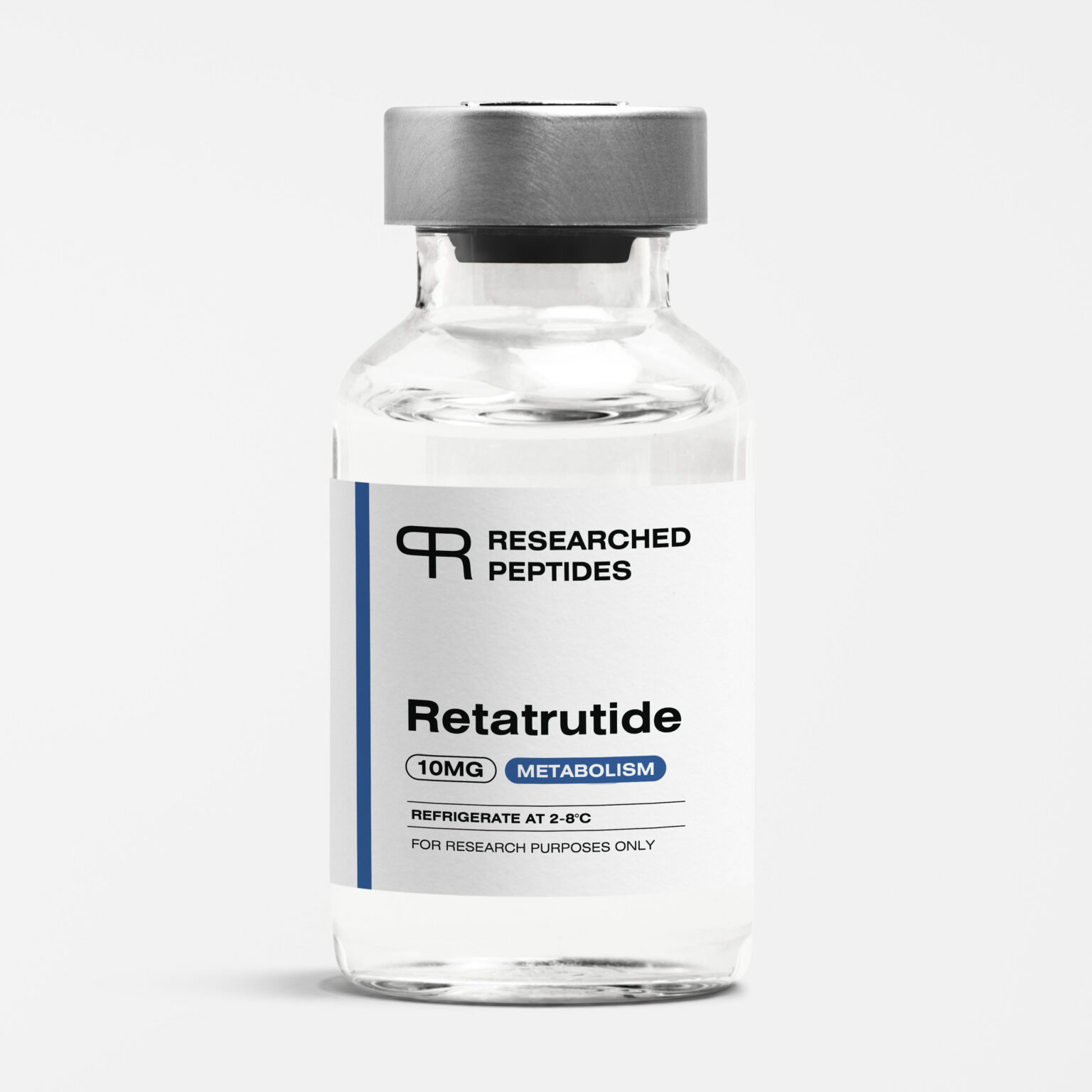
The use of this image is permitted by researchedpeptides to the author of the article
What to Look for in a Verified Supplier
A verified retatrutide supplier should tick every box below:
- Downloadable HPLC and COA for every batch
- Purity ≥98% with mass-spectrometry ID
- “For research purposes only” labeling on vials and paperwork
- Batch numbers that match all documents and shipments
- Prompt replies to MSDS or compliance audits
- Insulated, tracked Canadian shipping
- Full traceability in every order
Avoid any source that cannot meet these demands or is slow to answer audit questions.
The Bottom Line for Canadian Labs
The arc is clear. Metabolic research moved from single GLP-1 agonism to dual GLP-1 plus GIP, to triple action across GLP-1, GIP, and glucagon. Each step widened what labs can measure. Each step also raised the bar for protocol design and compliance. Peer-reviewed data, like NEJM 2023, keep reinforcing Retatrutide’s potential.
For reproducible, lab-grade results, documentation is everything. Canadian researchers sourcing HPLC-verified vials can buy retatrutide Canada from a supplier with full COA and batch support.
⚠ Disclaimer: All compounds referenced in this article are intended strictly for laboratory research purposes. Not for human use or consumption.

