
TMJ-related discomfort affects the area where the lower jaw connects with the skull. This joint helps with important movements such as chewing, speaking, and yawning. When problems develop in this area, people may experience discomfort, stiffness, or changes in how the jaw moves.
The condition is commonly associated with the temporomandibular joint TMJ, which works together with surrounding muscles, ligaments, and tissues to control jaw movement. Problems affecting this system are often grouped under the term temporomandibular disorder TMD.
Many people search for information about TMJ jaw pain because symptoms can interfere with daily activities. Discomfort may appear gradually or begin after an injury, increased stress, or habits that place extra pressure on the jaw.
A consultation with a qualified professional, such as a Dentist in Manhattan, can help identify the source of symptoms and determine the most appropriate next steps.
 Common Symptoms and Warning Signs
Symptoms can vary from mild irritation to persistent discomfort. Some people notice occasional problems, while others experience symptoms that affect eating, speaking, or normal jaw movement.
Common signs include:
- Tenderness around the jaw area, face, or temples
- Clicking, popping, or grinding sounds when moving the jaw
- Difficulty with opening your mouth fully or feeling that the jaw becomes stuck
Other possible symptoms include headaches, ear discomfort, changes in how the teeth fit together, and tiredness in the muscles used for chewing. Some people also develop habits such as teeth clenching, which can increase pressure on the surrounding structures.
What Causes TMJ Problems?
There are multiple causes of TMJ problems and it is not usually due to one cause alone. The Cleveland Clinic, NIDCR and Mayo Clinic all describe how the joint can become stressed due to muscle tension or from injury. The joint can also develop problems due to arthritis, or from repetitive movements of the jaw, or from wearing the teeth down due to grinding or clenching.
Factors that may increase the likelihood of symptoms include:
- Jaw injuries or direct trauma
- Long-term stress that creates muscle tension
- Grinding or clenching habits
- Inflammation or changes within the joint
In some cases, symptoms develop because the muscles surrounding the jaw become overworked. A muscle spasm can create additional discomfort and make normal movement more difficult.
Understanding the cause is important because treatment should focus on the specific factors affecting each person.
When to Seek Professional Evaluation
Persistent symptoms should not be ignored, especially when they affect normal activities. A professional evaluation can help determine whether the issue is related to the joint, muscles, or another condition.
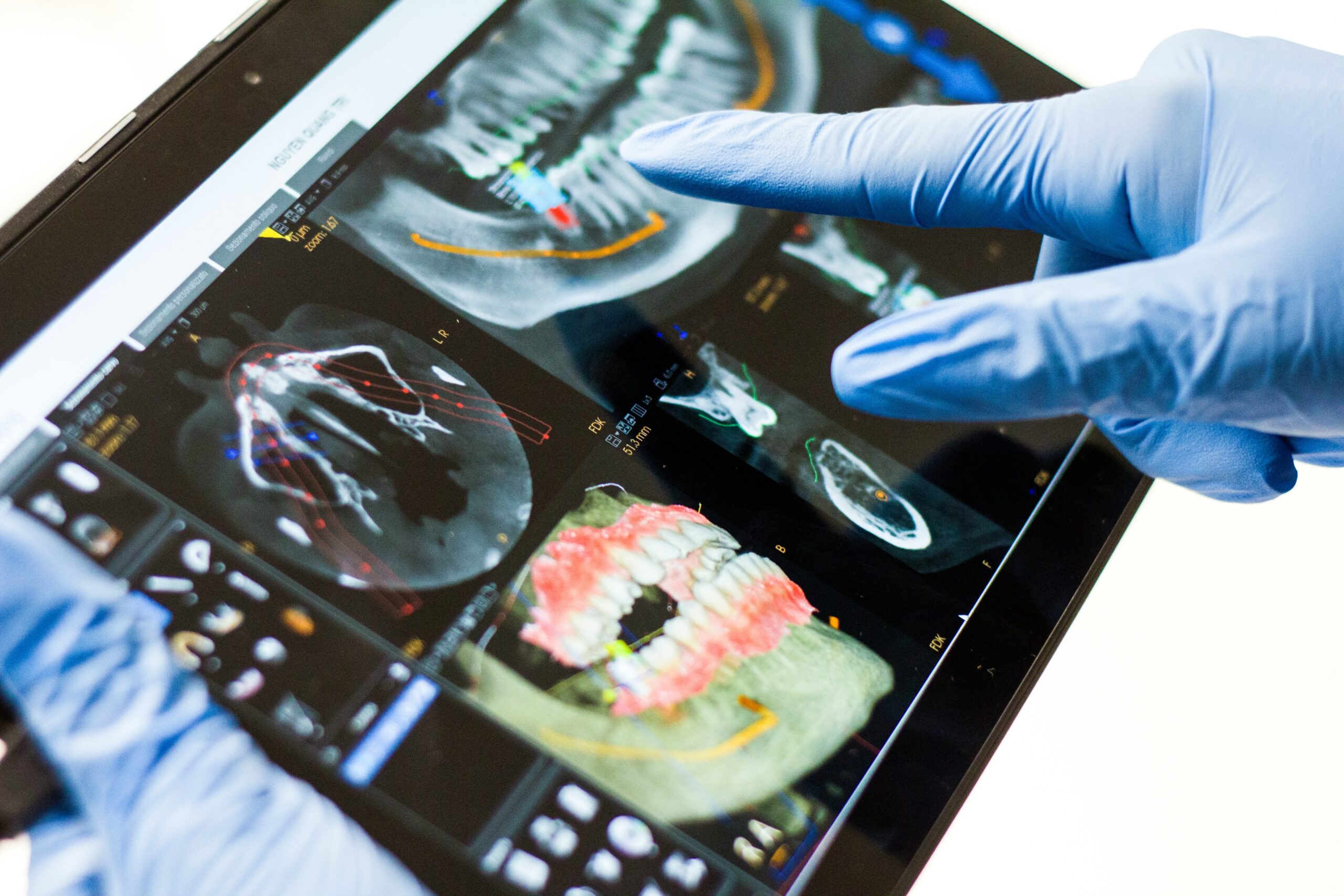
A Dentist in Manhattan can examine jaw movement, check for tenderness, review symptoms, and recommend additional testing if needed. Diagnosis may involve physical examination and imaging methods to better understand changes in the joint or surrounding structures.
A proper evaluation helps avoid unnecessary treatments and ensures that care is based on the actual cause of discomfort.

Treatment Options for TMJ Problems
There is no single ‘cure’ for TMJ problems. Because TMJ problems can be caused by so many different things, most people find that they can improve from their TMJ problems with conservative treatments that help to decrease stress on the jaw and help it to return to full, comfortable motion.
Common approaches include:
| Approach | Purpose |
| Self-care methods | Reduce pressure and support recovery through daily habits |
| Professional treatments | Address symptoms through targeted care and evaluation |
Effective TMJ treatment may include lifestyle changes, medications, exercises, or other therapies recommended by a healthcare professional. Some TMD therapies focus on improving jaw function while reducing irritation in the surrounding tissues.
Possible options include:
- Using anti inflammatory drugs when recommended to manage discomfort
- Applying heat or cold to support pain relief
- Working with a physical therapist to improve movement and coordination
- Using muscle relaxers in selected cases when muscle tension contributes to symptoms
Exercises may also help patients stretch and strengthen the muscles involved in jaw movement. These techniques can improve flexibility and support a healthier range of motion.
Daily Habits That May Help Reduce Symptoms
Small changes can reduce stress on the jaw and support recovery. Mayo Clinic and NIDCR recommend conservative approaches before considering more invasive options.
Helpful habits may include:
- Avoiding excessive chewing movements or hard foods
- Choosing to eat soft foods temporarily when symptoms increase
- Practicing relaxation techniques to reduce muscle tension
- Paying attention to habits such as jaw tightening during stressful moments
Reducing unnecessary pressure allows the jaw joint and surrounding structures to recover. It is also helpful to avoid forcing movements when symptoms are active.
Can TMJ Problems Be Prevented?
The TMJ is comprised of muscles and joints which are protected by the facial bones. In order to prevent TMJ problems, protection of these muscles and joints would be ideal. However, there are many causes of TMJ problems which cannot be prevented, and it is therefore useful to learn of habits which could prevent unnecessary strain on the jaw.
TMJ pain and TMJ problems are generally caused by the protective muscles of the jaw and how we use our jaw while we are chewing. Protecting these structures by keeping our head in a straight position and avoiding excessive stress as well as excessive use of our jaw in tasks that require repetitive use (chewing hard foods for example) can also decrease our chances of developing TMJ problems in the future.
Chronic TMJ problems can repeat themselves. The early evaluation and treatment for your jaw pain can help you find the best ways to manage your symptoms and to protect your jaw from future damage.

Frequently Asked Questions
Can TMJ problems improve without treatment?
For individuals with mild TMJ and TMJ symptoms, TMJ symptoms can disappear on their own. In addition to TMJ symptoms disappearing on their own, individuals with moderate TMJ and TMJ symptoms continue to do simple things to take care of your jaw. However, for individuals with severe TMJ pain or TMJ limited mouth opening, severe TMJ pain or TMJ limited mouth opening can require medical evaluation and treatment for TMJ.
Are exercises helpful?
Some simple jaw and facial release exercises can be very effective at relieving tension if done correctly. Some of these release exercises will allow the jaw to return to a closed position as naturally as possible. Other release exercises are designed to enhance the controlled movement of the jaw.
Is surgery always necessary?
Surgery for TMJ problems is rarely indicated and is usually reserved for the few cases where other treatment has failed to alleviate the pain and discomfort caused by TMJ problems, and there are significant structural problems that require repair.
What should I avoid during flare-ups?
Activities to avoid during TMJ flare-ups include excessive chewing, attempting to open your mouth too far, and trying to ignore the pain or difficulty you’re experiencing with your jaw.
The evaluation of the causes of your TMJ problems along with the TMJ treatment options can help you manage your symptoms. With proper evaluation and TMJ treatment most people are able to find relief from their TMJ pain and return to normal activities.
Written by seoanthony44@gmail.com