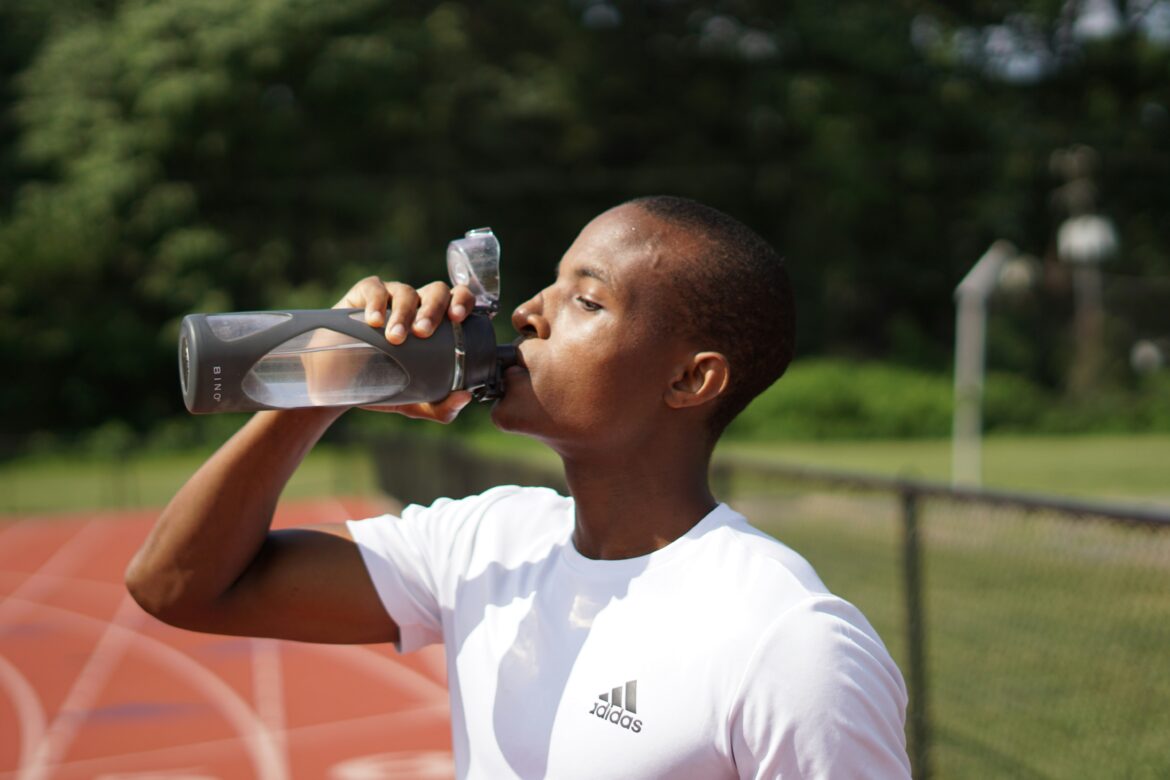
Dehydration is a common problem amongst many recreational athletes. Many only think about their hydration levels when they feel thirsty. By the time this feeling occurs, they are already have started to experience a decrease in performance.
There are many facets of a recreational athlete’s hydration strategy that can be controlled to enhance their highest potential. Here are 7 ways to improve your performance by simply paying attention to the following tips.
-
Start Every Session Pre-Hydrated
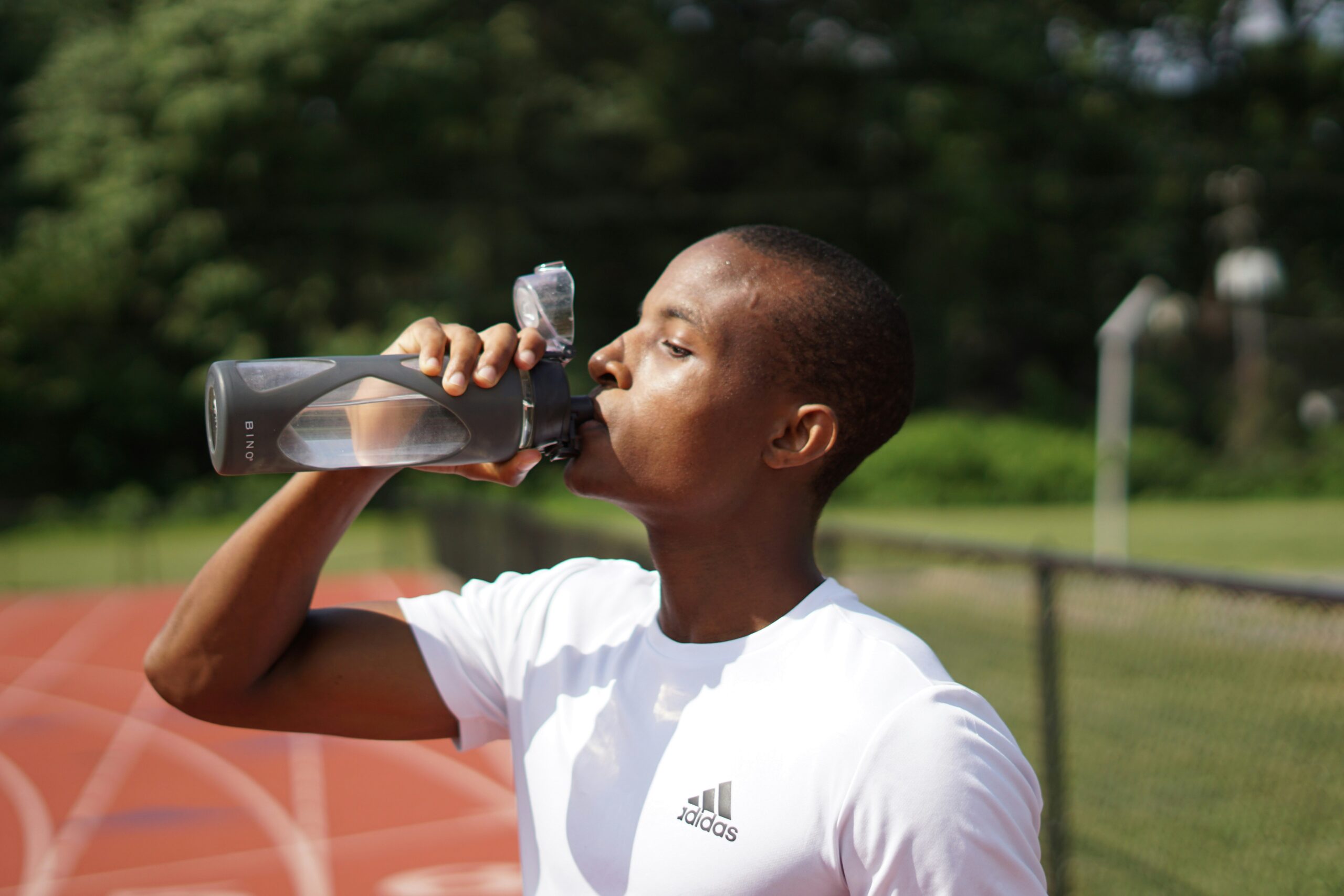
Pre-hydrating before exercise is the strategy most athletes skip, but it sets the whole session up for success. You can’t dig yourself out of a fluid deficit mid-workout. Getting ahead of it means you’re not scrambling to catch up once you’re already running low.
Drink 16 to 20 oz of water in the two hours before exercise. The American College of Sports Medicine recommends this range as a practical baseline for most recreational athletes. Check your urine color before you start, pale yellow means you’re good. Dark yellow or amber means you’re already behind.
A small amount of sodium in your pre-workout drink actually helps your body hold onto that fluid instead of flushing it out quickly. Plain water alone clears the kidneys faster. Getting sodium in early signals your cells to retain the water you’re taking in, which is exactly why reaching for one of the best hydration powder packets before you start can make the difference between staying ahead of your fluid needs and playing catch-up later.
-
Don’t Rely Only on Water During Long Sessions
Water does most of the heavy lifting for short workouts under 45 minutes. But stretch that to an hour or more, especially in the heat, and water alone stops being enough.
Sweat contains sodium, potassium, magnesium, and calcium. Your body loses all of them during exercise. The ACSM advises 500 to 700 mg of sodium per liter of fluid for activity lasting longer than an hour. That’s because replacing water without replacing sodium can dilute your blood sodium, which increases fatigue and, in more extreme cases, raises the risk of a condition called exercise-associated hyponatremia.
An electrolyte mix that includes sodium, potassium, calcium, and magnesium replaces what sweat actually costs you. That four-mineral combination supports the pumps and gradients your cells use to move water in and out efficiently.
-
Know Your Personal Sweat Rate
Fluid loss isn’t the same for every athlete. Sweat rates shift based on body size, fitness level, temperature, humidity, and individual biology. One person loses 1 liter per hour; another loses twice that.
There’s a simple field test worth doing. Weigh yourself without clothes before and after a one-hour workout where you drink nothing. Every pound lost equals roughly 16 oz of sweat. That gives you an actual target to replace, not a guess.
So if you lost 1.5 lbs in an hour, you need approximately 24 oz of fluid during a similar session to stay roughly even. Add electrolytes to that volume if the session runs long or your sweat is salty (white residue on your skin or clothing is a telltale sign).
-
Use Urine Color as Your Daily Gauge
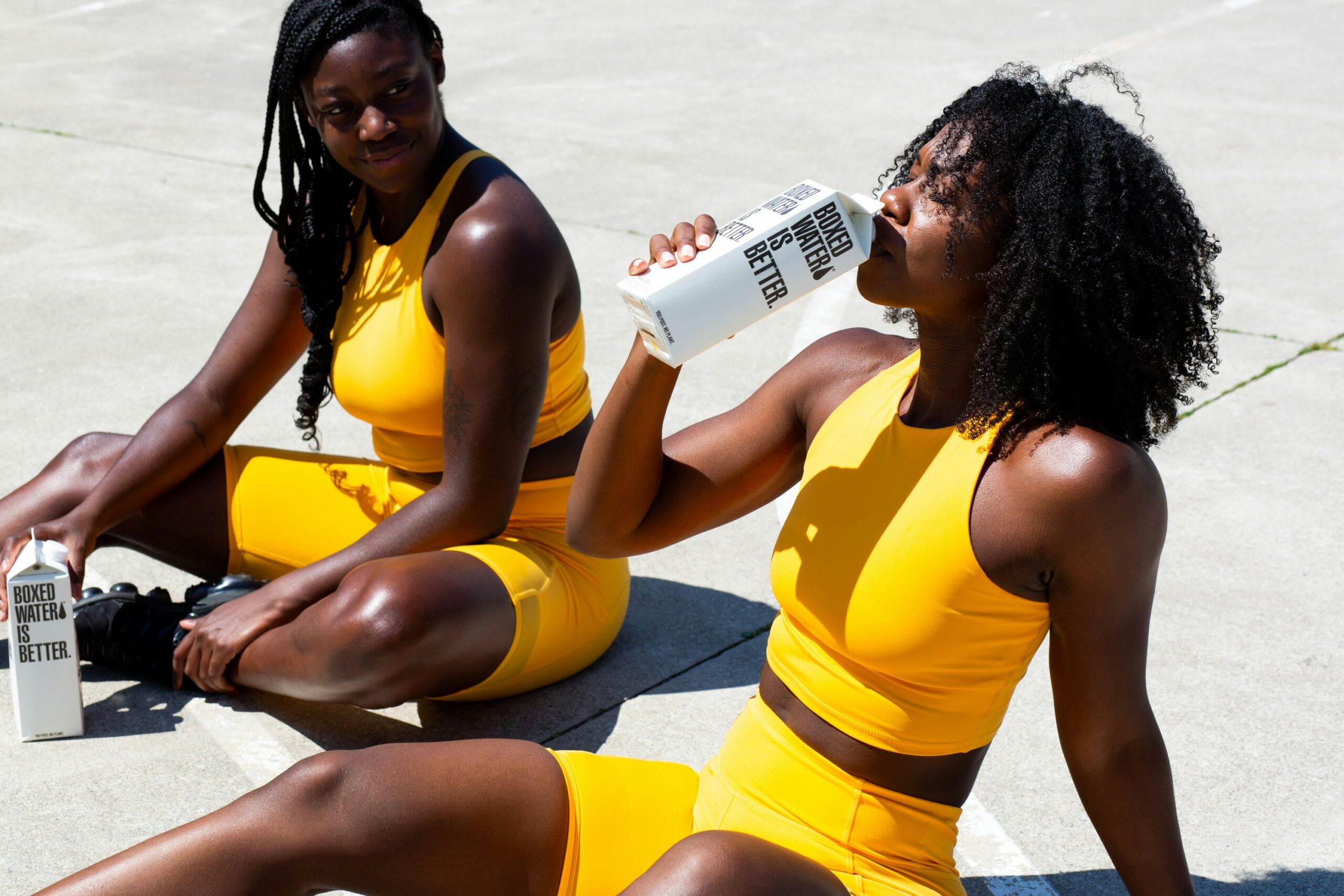
The simplest and most cost-effective way to monitor your level of hydration is to test the color of your urine. In general, light yellow or clear urine indicates proper hydration while pale yellow or colorless indicates over-hydration which is just as bad as dehydration. Dark yellow or orange-colored urine indicates under-hydration and you should increase your fluid intake. It is recommended to check your urine color first thing in the morning as it will give you an indication of how well you were able to rehydrate from the previous day’s physical activity.
It is also important to pay attention to your urine in the morning. The best indicator of proper hydration is the color of your urine. If your urine is pale yellow then you are good to go. Clear urine means you are over hydrated and dark yellow or orange means you are dehydrated. Check the color of your urine first thing in the morning. This will give you an idea of how much you rehydrated with your activities the day before. If you find that you are always a dark yellow in the morning, then you are likely to be dehydrated before your morning activities. And even though you may be drinking plenty of water, you can still be dehydrated if you are lacking in essential electrolytes, such as sodium and magnesium. These two minerals are crucial to helping your body to properly utilize all of the water that you drink.
Keep in mind that even though you may be drinking plenty of water, there is more to hydration than just drinking water. In fact, many sports drinks that are sugar free (e.g. gatorade zero, powerade zero) are primarily water. Thus, they will not provide the necessary electrolytes for optimal hydration, especially sodium and magnesium. As a result, you can become dehydrated even if you are ingesting plenty of plain water.
-
Adjust Your Strategy for Heat and Humidity
Just as an auto mechanic would change the oil in your car depending on the conditions under which you drive, as a recreational athlete, you need to alter your hydration strategy based on the heat and humidity of the conditions under which you exercise.
When training in the hot weather, it is recommended that athletes increase the amount of sodium in the fluids they consume to help their body deal with the large amounts of sweat that are lost during exercise. The American College of Sports Medicine recommends that 500-700 mg of sodium per liter of fluid is sufficient for most people participating in moderate-intensity activities. However, during hot weather, the large amounts of sweat lost by the athlete can decrease their ability to feel thirst, while at the same time increase the amount of fluid that is lost. Therefore, in order to replenish stores, athletes in hot weather training environments may need to increase the amount of sodium in the fluids that they consume. As with other forms of hydration, it is recommended that athletes take in their sodium-containing fluids before exercise (as a pre-hydrator) and during exercise (as a re-hydrator). In addition, after exercise, athletes should take in a sodium-containing fluid to help kick-start the re-hydrating process and to help the athlete’s body retain the fluid that is consumed in the first 30-60 minutes after exercise.
While in moderate weather, most recreational athletes will drink throughout their exercise in a similar manner to how they would be drinking in hot weather. However, in order to stay ahead of dehydration in hot weather, athletes must make changes in their hydration practices before and during their exercise. It is recommended that athletes begin to drink a fluid with electrolytes before participating in their exercise in hot weather, and then take in regular amounts of the fluid throughout their session (i.e. every 15-20 minutes).
-
Time Your Electrolyte Intake, Not Just Your Water
A majority of recreational athletes use water for rehydrating after exercise. Water is great for rehydrating when you’re thirsty, but don’t realize it until later. If you plan on being physically active for an extended period of time and will be sweating a lot, electrolytes will work much better for you if you take them before you need to and in small amounts while you’re exercising.
In addition to the fluid that you take with you to your workout, you should also make sure that you have taken an electrolyte drink or are carrying an electrolyte mix with you to your workout. Before your long or grueling workout, take an adequate dose of the electrolyte mix before you begin to work out. For the rest of your workout, take in small doses of the electrolyte drink throughout your session. After you have finished your workout, take a sodium containing drink to rehydrate. This will increase your thirst for more water, and will help to keep more of the fluid that you have just ingested. A study found that during the first 30 to 60 minutes after a workout, it is best to rehydrate with a drink that contains sodium instead of water.
Magnesium is a required cofactor for many ATP driven reactions and for the activity of the sodium-potassium pump which moves fluid across the cell membrane. Many sports drinks now include magnesium as well as sodium and potassium.
-
Rehydrate Deliberately After Exercise, Not Casually
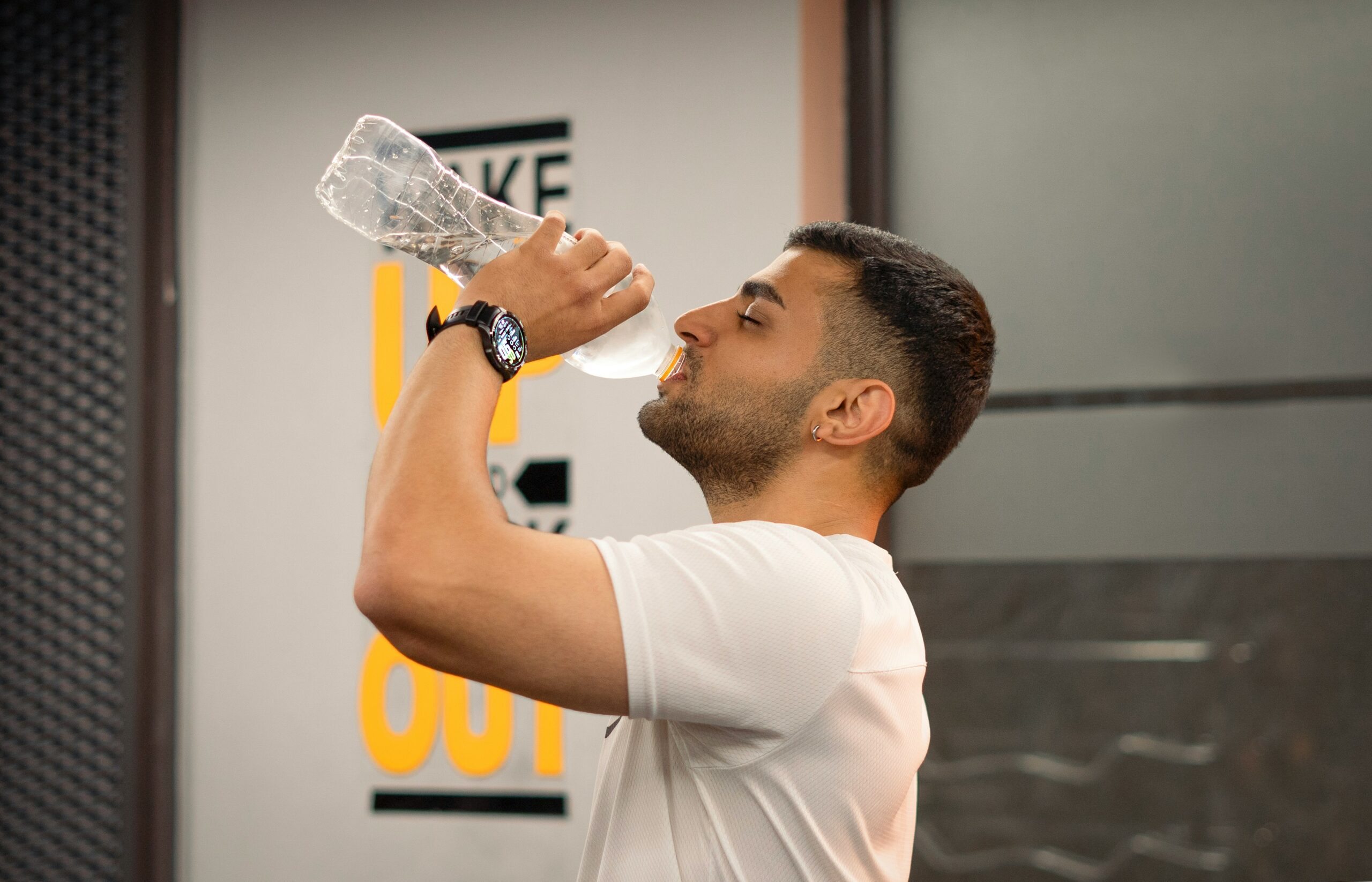
Many recreational athletes stop to rehydrate after their workout. The athlete who trains on consecutive days adopts a more deliberate post-workout rehydration strategy to optimize his or her recovery for the next day’s training. The vast majority of studies have found that rehydrating with a sports drink that contains electrolytes as opposed to plain water will aid in rehydration better than the counterpart of plain water.
In addition to replenishing the lost fluids, the best way to rehydrate after a workout is with a drink that contains electrolytes, especially sodium. A 2021 review of the research on post-exercise rehydration, published in the journal Nutrients, found that the most effective way to rehydrate after a workout is with a sports drink that contains electrolytes, especially sodium. The reason for this is that the presence of sodium in a rehydration drink helps to stimulate your thirst response and to decrease your urine output in the hours after your workout.
Aim to hit 150% of your estimated fluid loss within a two hour time frame following your exercise. For example, if you estimated that you lost 16 oz of fluid during your workout, you would need to hit 24 oz of fluid with electrolytes within a two hour time frame following your workout. It is best to pair your fluid intake with a small amount of food, as eating can help to stimulate thirst as well as help your body to absorb the fluid.
Conclusion
By following these tips, which share a common theme, of treating hydration as an active strategy as opposed to a passive activity, athletes and recreational exercisers of all levels can enhance their performance within weeks. They should treat their body’s rehydration as they would training or nutrition – with the serious thought and practice that they deserve.