
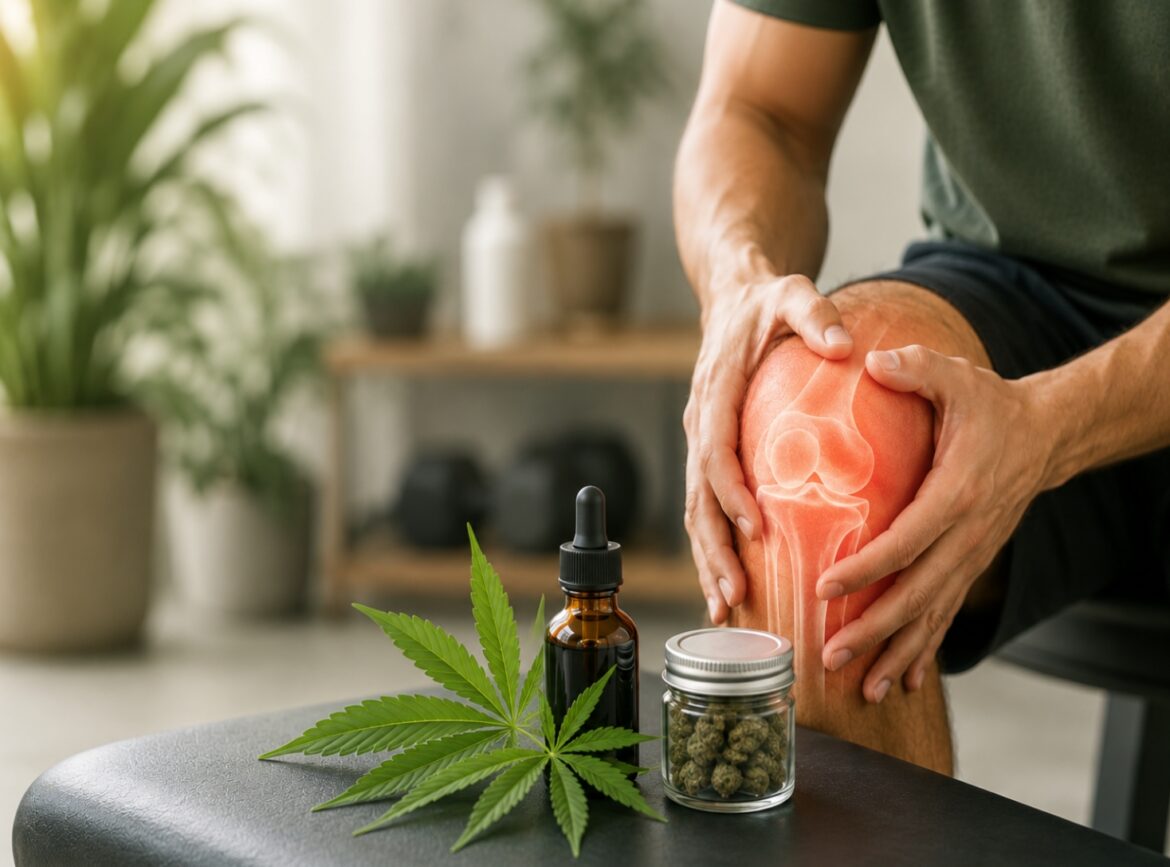
Many patients with persistent MSK discomfort from exercise also have symptoms that affect them in their daily activities and affect their sleep, work and physical function in other areas of life. For example, a person with back pain could have arthritis, a spinal problem or a series of recurring muscle spasms. People with joint problems on one side of their body also develop MSK problems on the opposite side of their body.
A number of strategies can be employed to manage persistent musculoskeletal discomfort including physical therapy with corrective exercise, improved mobility and even strengthening. Additionally, addressing such things as poor posture and other related issues through medical care can be warranted. Many individuals with chronic pain are seeking alternative methods to manage their symptoms. They should speak with their licensed healthcare practitioner to determine if medical cannabis could be a good option as part of their overall treatment plan.
When looking for medical cannabis in 2026 it will be a State-regulated medical treatment and the patients will have to go for a physician evaluation in order to be certified into the State’s medical cannabis program. The medical cannabis will be part of the patient’s rehabilitation program using physical therapy and corrective exercises in order to manage their musculoskeletal conditions in order to improve their mechanical function in daily activities in order to improve their function in daily living activities.
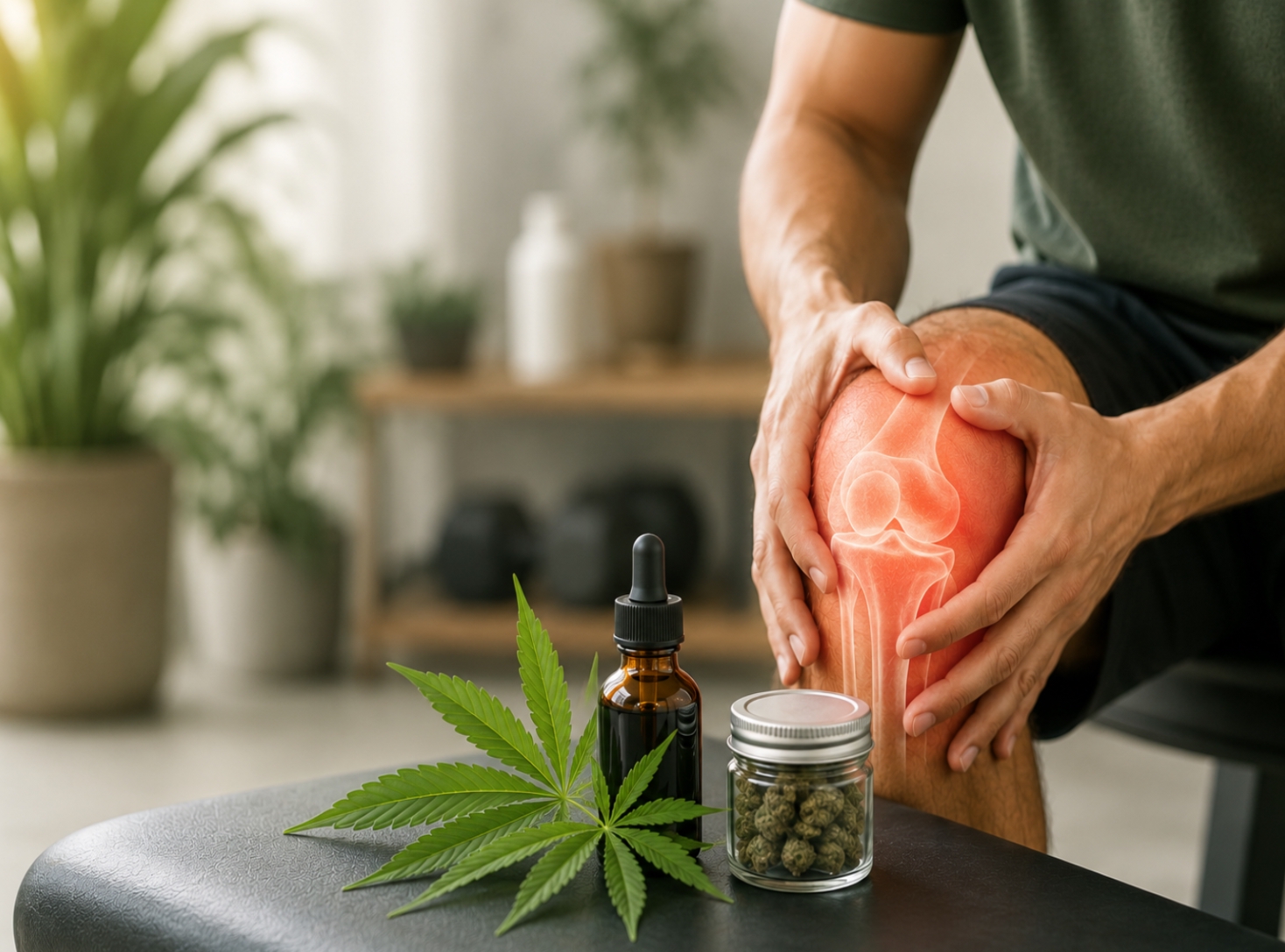
Medical cannabis may offer a physician-guided option for managing chronic musculoskeletal pain and improving quality of life.
Why Physician Guidance Matters
Cannabis isn’t simply another modality to add to a list of pain treatments. Most MSK complaints trace back to an injury or repetitive strain, and patients have often already been diagnosed, treated, and rehabilitated for that original damage. A physician needs a full picture of this history to judge whether medical cannabis is likely to help.
A licensed provider’s evaluation typically covers:
Medical history. The provider reviews prior and current diagnoses, treatments, and medications, along with the symptoms that prompted the evaluation and how the condition affects daily function.
Functional goals. The patient describes how their condition affects mobility, sleep, work, exercise, and daily activities, so the provider understands what the patient actually needs from treatment.
Safety considerations. Cannabis isn’t safe for everyone. The provider weighs potential interactions with current medications and any history that could raise the risk of adverse effects, and discusses how to minimize side effects that do occur.
State eligibility. Rules governing medical cannabis vary by state. A licensed provider confirms that the patient’s condition and documentation qualify under that state’s program.
A professional evaluation helps patients use cannabis safely and stay compliant with their state’s program and its terms.
Medical Marijuana Cards and State-Specific Programs
Medical cannabis rules are different in every state. Some states issue medical marijuana cards. Others use registry-based systems or specific prescription models. Qualifying conditions, registration steps, renewal timelines, possession limits, product types, and telehealth rules may all vary.
For example, patients reviewing requirements for Pennsylvania medical marijuana card can learn how certification, state registration, and medical cannabis access work under Pennsylvania’s program.
Texas follows a different structure through the Compassionate Use Program. Instead of a traditional medical marijuana card, eligible patients are entered into the Compassionate Use Registry of Texas after evaluation by a registered physician. Patients reviewing the Texas Compassionate Use Program and online evaluation guide can better understand how low-THC cannabis access works, which conditions may qualify, and how dispensary verification is handled.
Because state laws can change, patients should rely on licensed professionals and official state resources before making decisions.
Telehealth and Medical Cannabis Access
As healthcare delivery has shifted, so has long-term care for musculoskeletal and movement conditions. For patients with mobility limitations, chronic pain, busy schedules, or limited transportation, care can now often be managed from home.
Many states allow both initial certification and renewal to be completed via telehealth. In a secure virtual appointment, patients and providers can review the current treatment plan and discuss whether medical cannabis is a suitable addition.
Availability varies: some states permit fully virtual evaluation and renewal, while others require an in-person visit for one or both. Patients should confirm that their provider is licensed in their state of residence and registered in that state’s medical cannabis program.
How Medical Cannabis May Fit Into Musculoskeletal Care
From a musculoskeletal and movement perspective, long-term care usually works best when it supports function rather than simply focusing on discomfort.
A complete care plan may include:
- Physical therapy
- Corrective exercise
- Strength training appropriate for the condition
- Mobility and flexibility work
- Postural and ergonomic adjustments
- Sleep and recovery strategies
- Weight management when appropriate
- Medication review
- Orthopedic or specialist evaluation
- Lifestyle changes
- Medical cannabis discussion when appropriate under state law
Medical cannabis should not replace rehabilitation, diagnosis, or evidence-based care. Instead, it may be discussed with a licensed professional as one possible part of a broader plan.
Product Considerations for Patients
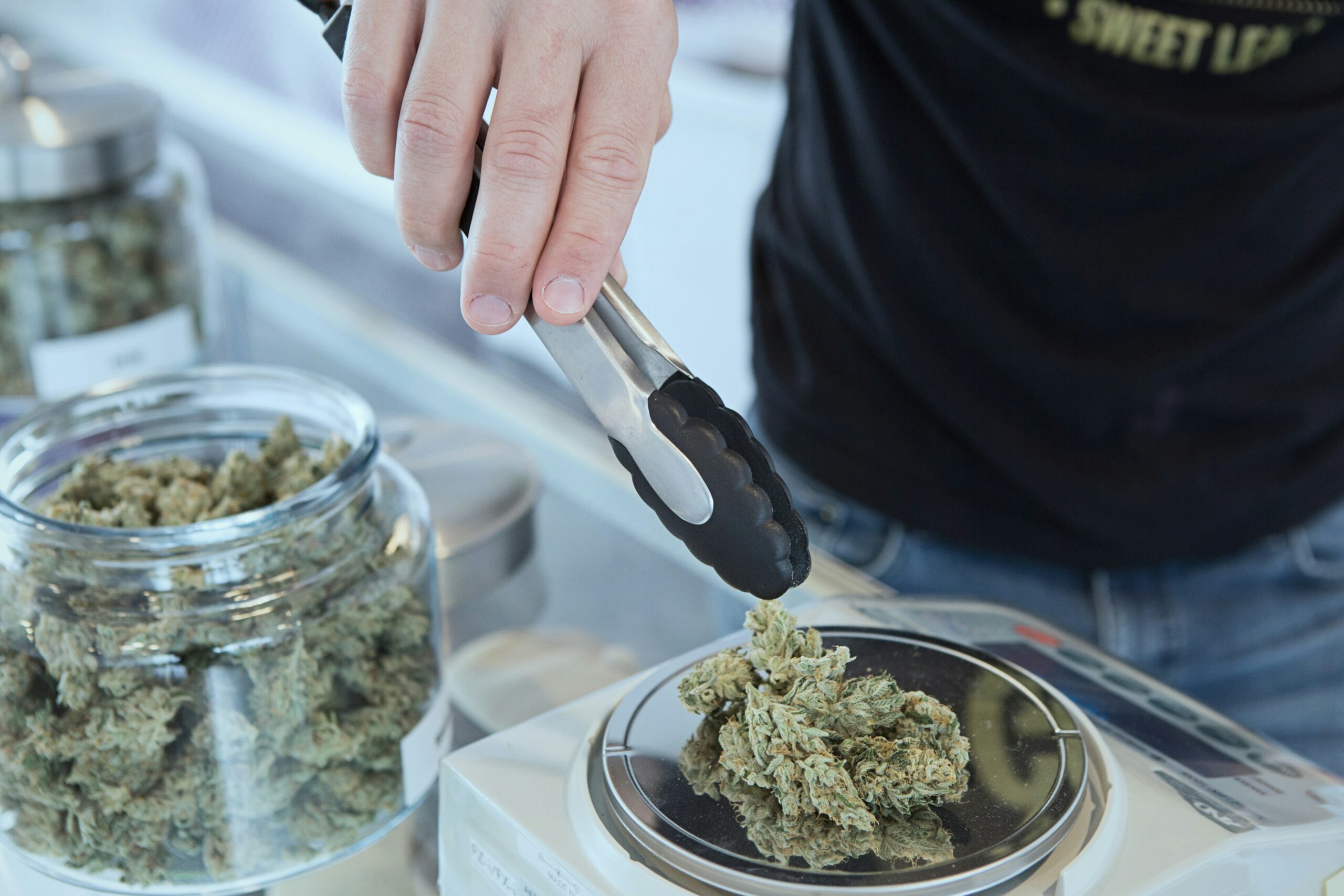
Patients selecting a cannabis product should weigh their healthcare provider’s recommendations, their state’s laws, the range of products a dispensary offers, product labeling, and the therapeutic effects associated with different active ingredients. Many patients also compare product formats ahead of time through dispensary weed delivery Rocklin before discussing specific options with their provider. Availability varies by state.
Topicals. Applied to specific sites for localized relief. Available in only a handful of states, with formulation and labeling varying widely.
Tinctures and oils. The most common products at dispensaries in states with medical cannabis programs. As with any medication, read the label and follow your provider’s instructions exactly.
Capsules. Convenient and familiar in form, but onset and duration of effects vary considerably depending on the cannabinoid profile, potency, and the patient’s individual tolerance.
Vaporized products. Available in some states. Patients with respiratory conditions should discuss the risks and benefits of inhaled products with their doctor.
No single product type or cannabinoid works uniformly well for everyone — effects vary significantly from patient to patient.
Questions to Ask Before Considering Medical Cannabis
- Does my condition qualify under my state’s program?
- Is telehealth allowed for certification in my state?
- What documentation is required?
- How could cannabis interact with my current medications?
- What product formats are permitted in my state?
- What safety considerations apply to my health history?
- How would you incorporate medical cannabis into a physical therapy or orthopedic rehabilitation plan, and what follow-up or monitoring would that require?
- What follow-up care will I need?
Rather than relying on general information found online, patients should come prepared with these questions to make an informed decision.
Medical Cannabis Is Not a Cure for Musculoskeletal Conditions
Medical cannabis does not repair structural injuries, rebuild cartilage, correct muscle imbalances, reverse spinal degeneration, or replace physical rehabilitation.
For musculoskeletal conditions, the foundation of long-term care often includes movement quality, strength, mobility, posture, recovery, and professional evaluation.
Patients should avoid viewing cannabis as a standalone solution. A physician-guided approach helps place cannabis within the right context: one potential option to discuss as part of a larger care strategy.
Questions Patients Should Ask Before Considering Medical Cannabis

Before pursuing medical cannabis certification, patients may want to ask:
- Does my condition qualify under my state’s program?
- Is telehealth allowed for certification in my state?
- What documentation may be required?
- How could cannabis interact with my current medications?
- What product formats are permitted in my state?
- What safety considerations apply to my health history?
- How should medical cannabis fit alongside physical therapy or rehabilitation?
- What follow-up care may be needed?
These questions help patients make informed decisions instead of relying on general online information.
Frequently Asked Questions
Can medical cannabis replace physical therapy? No. It shouldn’t replace physical therapy, orthopedic evaluation, or rehabilitation — but it can be a useful part of an overall treatment plan when appropriate.
Can patients complete medical cannabis evaluations online? Yes, in many states. Patients should confirm the provider is licensed to practice in their state and registered in that state’s medical cannabis program.
Does every musculoskeletal condition qualify? No. Qualifying conditions vary by state, though most programs include chronic pain. A licensed provider can assess a specific condition case by case.
Is medical cannabis scientifically proven for musculoskeletal pain? Research on cannabinoids for pain, including MSK pain, is growing but not yet conclusive. Patients considering cannabis for pain should talk to an experienced licensed provider about potential benefits, side effects, and a plan for safe use.
Should patients choose their own cannabis products? No more than they’d choose a prescription medication based on internet research alone. Many doctors aren’t deeply versed in the range of cannabis products on the market, so product selection is best made with a licensed provider and, where available, knowledgeable dispensary staff.
Final Thoughts
A large number of individuals suffering from Musculoskeletal or pain-related symptoms experience limitations in their life including but not limited to: difficulty with movement and/or activity, pain, sleep, work and daily living activities. For the patient with Musculoskeletal type symptoms and/or pain, Medical Cannabis could be something that they discuss with a licensed healthcare provider as part of their overall treatment plan in addition to physical therapy, etc.
In addition to making safe and effective choices for treating their musculoskeletal pain, individuals will need to use their medical cannabis within a responsible and evidence-based treatment plan while going through appropriate physical therapy and/or rehabilitation and other treatments for their specific musculoskeletal condition(s).
Used in a physician-managed plan for treating a patient’s musculoskeletal conditions, medical cannabis can be a positive option for a patient’s long-term physical health.
Written by Shahid Shahzad

