
Maintaining healthy hips is one of the most important aspects of staying active and independent throughout life. Whether someone enjoys daily walks, recreational sports, or simply wants to move comfortably without pain, strong and flexible hips play a central role in nearly every movement. For anyone experiencing ongoing discomfort, resources from a hip pain doctor in Atlanta can provide valuable information about common hip conditions, treatment options, and when professional evaluation may be necessary. Understanding how the hips function and how to protect them can help people remain active for years to come.

The Foundation of Everyday Movement
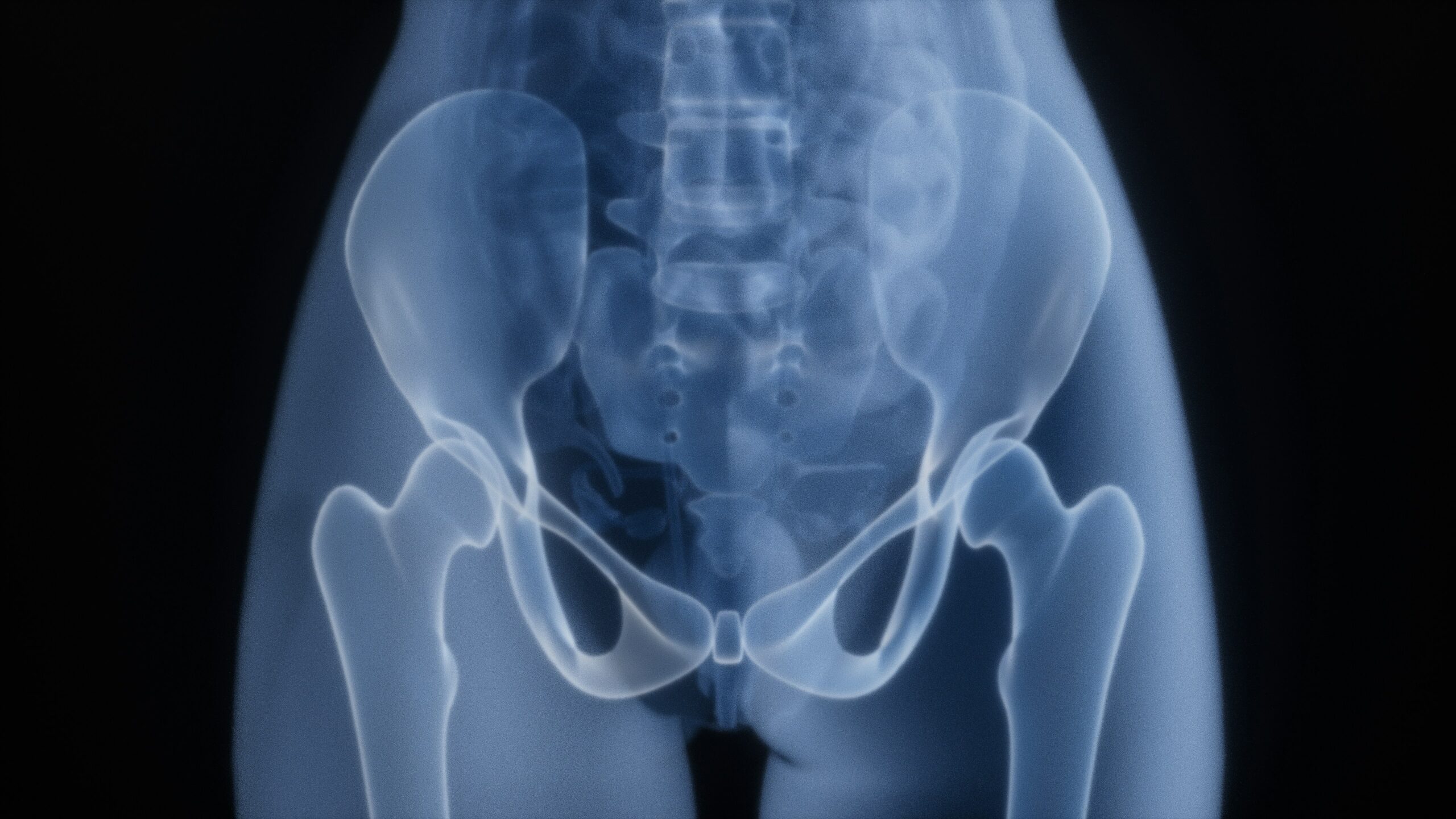
The hip joint is one of the body’s largest joints. It is a weight bearing joint, which means it supports the body’s weight and allows for movement of the body. The hips are made up of several components including bones, cartilage, ligaments, tendons and muscles. When these components are working properly, the hips allow for smooth and efficient movement of the body.
Healthy hips are critical to transferring force throughout the lower body and can even help take pressure off of your knees, ankles and lower back. Maintaining healthy joints throughout your life is important, and can help promote mobility as you get older and be able to active for longer.
Why Hip Health Matters at Every Age
Many people believe that hip problems only affect older adults. But the hips are one of the body’s largest and most important joints that allow us to move through life. So, when our hips are not functioning properly, it can cause us a lot of pain and hinder our daily lives. Ignoring hip problems when you are younger can lead to more serious issues as you get older.
As we age, our hips experience normal wear and tear of the cartilage in our joints. In addition, our muscles can lose strength and flexibility as we get older. However, this does not mean that our hips have to decline with age. We can maintain healthy hips by remaining active and taking care of our joints throughout life.
The Impact of Strong Supporting Muscles
All of the muscles around your hips are designed to stabilize your hips during physical activity. The muscles that surround your hips and help keep your hips stable are your glutes, your hip flexors, your hamstrings and your core muscles. These are the muscles around your lower back and abdominal area. In order to keep your hips healthy you should make sure all of these muscles are strong. If you have weak muscles in your hips then your hips will have to work so much harder to complete your daily activities. By putting your hips under so much stress, you put your self at risk for injury. In order to avoid injury to your hips from weak muscles around your hips, you should make strength training a regular part of your physical fitness routine. This can be as simple as doing bodyweight exercises to build up strength in the muscles around your hips. The most important thing is to make sure you are consistently doing exercises to strengthen up the muscles around your hips in order to keep your hips healthy and to avoid injury to your hips.
Strengthening up the muscles around your hips can improve your hip stability and reduce your risk of injury. Many bodyweight exercises can help strengthen up the muscles surrounding your hips, including squats, lunges, deadlifts and leg press. It is crucial that you stick to a consistent and gradual training regime as this will have a far greater effect than carrying out short, intense training sessions.
 Flexibility Keeps the Hips Moving
Healthy hips require both strength and flexibility to perform efficiently. Tight muscles around the pelvis and thighs can restrict movement, causing compensation in other parts of the body. This may eventually contribute to discomfort during everyday activities.
Gentle stretching and regular mobility exercises help maintain a comfortable range of motion. Activities such as walking, swimming, and yoga encourage joint movement while minimizing excessive impact. Consistency is often more beneficial than occasional intense stretching sessions.
Recognizing Early Signs of Hip Problems
Stiffness of the hips in the morning or decreased range of motion in the hip can be an early sign of hip problems that need to be treated early. Most hip problems will cause some degree of pain but there are a few conditions where the joint can become seriously damaged before symptoms even become apparent in the person. This is why it is very important that most hip problems are treated early with the most conservative methods possible and not to be ignored thinking that it will go away on its own.
A common misconception about aging and pain is that as we get older it is normal to start to feel some kind of pain. Just because you are getting older does not mean that you have to start to feel pain. Any amount of persistent or increasing pain needs to be addressed by a medical professional as soon as possible. Early detection and treatment of problems with the hips means that the majority of treatments are likely to be less invasive.
Building Habits That Protect Your Hips
All of the actions we perform on a daily basis have the potential to either aid or harm your hips. To help protect your hips the most obvious thing to do is to maintain a healthy body weight. By keeping your weight under control you can help reduce the strain and stress that your hips experience on a daily basis. In addition to keeping a healthy body weight it is also very important to complete regular amounts of physical activity in order to keep the muscles that surround your hip joints active and flexible. All of the habits that you complete on a daily basis may seem insignificant; however by completing the same habits on a consistent basis and for long periods of time you will start to see the positive results that they can produce in relation to your hips.
Wearing the right shoes, maintaining good posture, and incorporating a variety of physical activities into your routine can all help to keep your hips healthy. Alternating periods of physical activity with periods of rest for your joints and tissues can also help to ensure that your hips remain healthy throughout your life.
 Conclusion
Healthy hips provide the foundation for an active, independent, and enjoyable lifestyle at every age. By combining regular movement, strength training, flexibility exercises, and early attention to potential problems, individuals can reduce their risk of chronic discomfort while maintaining mobility for years to come. Prioritizing hip health today is an investment in future quality of life, making it easier to continue participating in the activities that bring purpose, confidence, and overall well-being.
Written by Lisa Moletto (lisa@blogoutreach.co.uk)