
Generic guidance such as “eat well, sleep more, and stay active” carries almost no clinical weight when the chronic pain client and the competitive athlete sitting in consecutive appointment slots have fundamentally different physiological needs, healing timelines, and compliance barriers. Effective integrated wellness support is not a philosophy; it is a matching exercise between population, tool, and context.
The five manual therapy client populations who most need calibrated wellness support- chronic pain, athletic performance, post-surgical, home modality users, and elderly clients- are routinely underserved when practitioners apply the same self-care recommendations across every presentation.
Why Generic Wellness Advice Falls Short in Clinical Practice
The practitioner’s role extends well beyond the treatment table. Our caseloads include people navigating complex home environments, demanding training schedules, and strict post-surgical limitations. Supplying population-specific guidance requires bridging the gap between clinical concepts and daily reality.
For example, a practitioner might recommend a red light sauna for relaxation to help a patient manage tissue repair between appointments. Hours later, that same clinician might suggest a tracking watch for seniors to a family navigating age-related cognitive decline. This framework covers five distinct groups and details how to integrate precise tools directly into the clinical relationship.
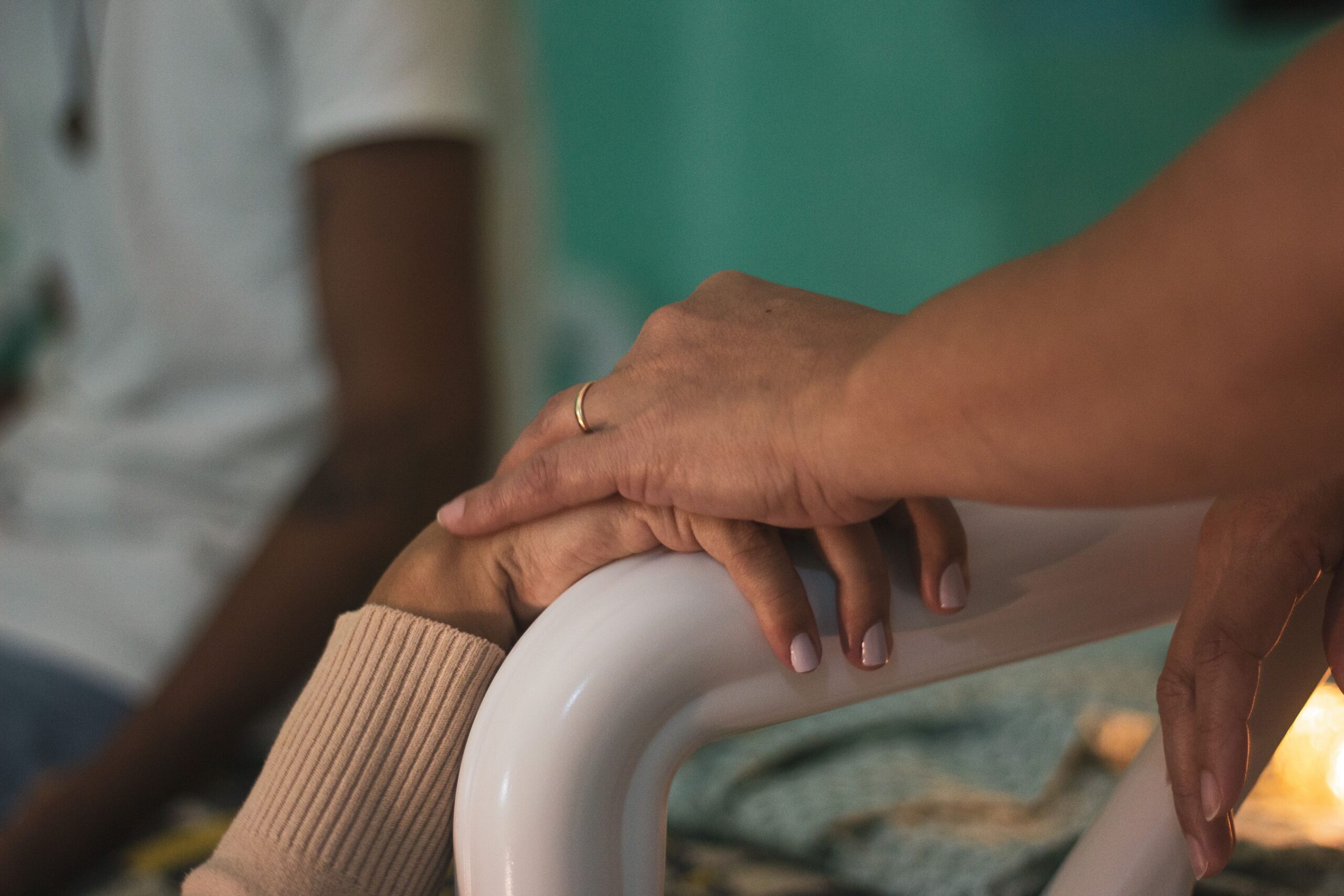 Image by Hannah Barata from Pexels
1. The Elderly Client Managing Independence and Safety
Geriatric massage therapy tools extend far beyond tissue work into the broader context of independent living and fall prevention. Over 14 million older adults report falling every year, making falls the leading cause of injury for adults ages 65 and older.
Balance and functional movement work ranks as the highest-priority physical intervention to combat this risk. Recommending specific proprioceptive exercises or chair yoga routines frames physical activity as a tool for maintaining independence rather than just general fitness.
Environmental safety planning pulls the clinician’s role directly into the patient’s daily routine. Discussing loose rugs, lighting gaps, and appropriate mobility aids identifies physical hazards that a standard clinic visit obscures.
Safety technology plays a crucial role in giving both the patient and their family caregivers peace of mind. A GPS watch for seniors provides real-time tracking, a dedicated SOS button, and a long-lasting battery that prevents the daily frustration of frequent charging.
For those looking to manage independence and safety simultaneously, Tranquil’s GPS-enabled tracking watch for seniors offers these essential features in a single, easy-to-use device. Presenting these devices as tools that expand freedom rather than monitoring systems that limit it encourages rapid adoption.
2. The Home Modality Bridge for Chronic and Post-Surgical Recovery
Photobiomodulation chronic pain research highlights cellular mechanisms that heavily benefit both chronic pain and post-surgical populations. Specific red light wavelengths in the 630 to 850 nanometer range support the body’s natural inflammatory response at the cellular level.
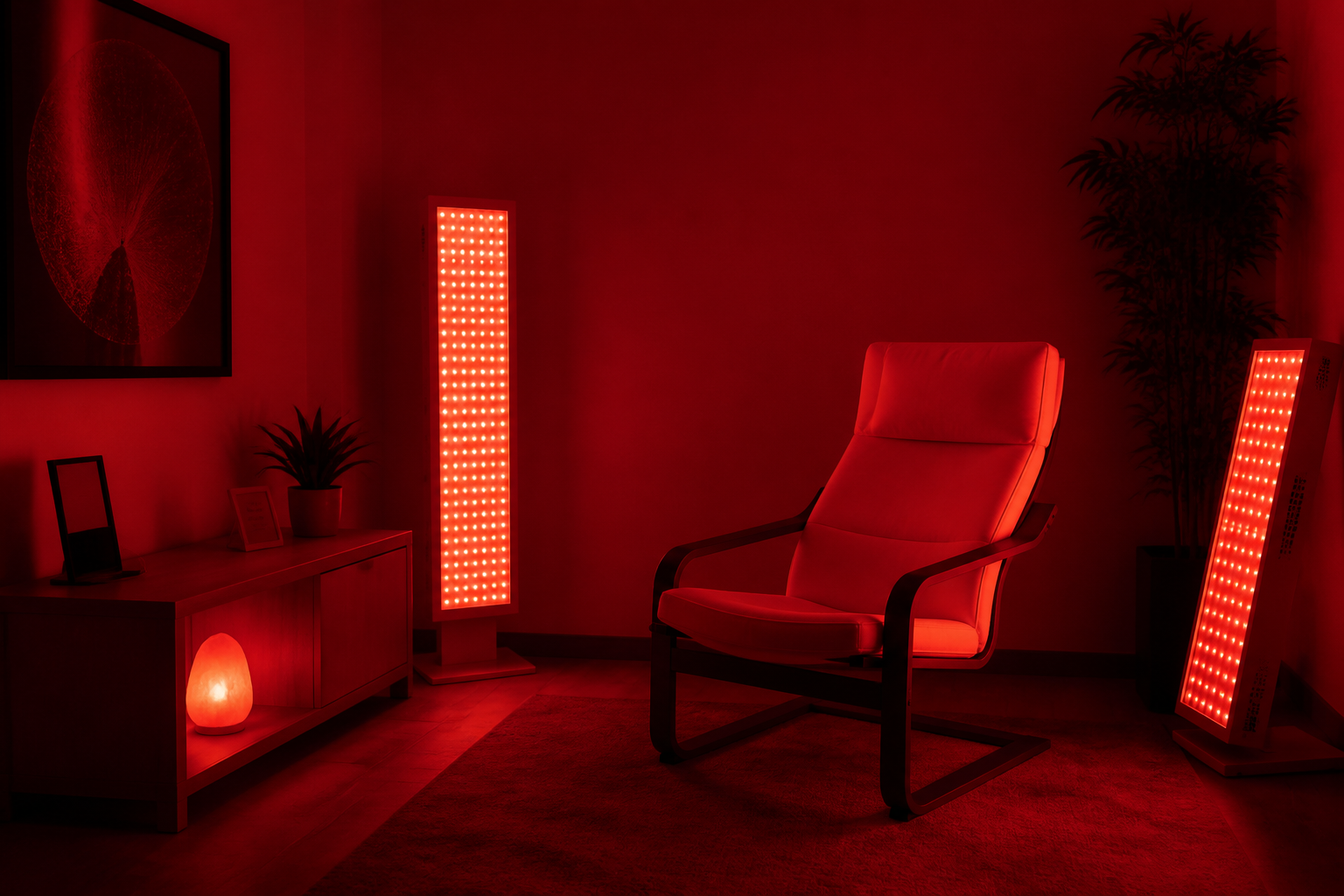
This addresses the persistent inflammation seen in long-term pain patients while managing the acute responses common in post-surgical tissue. Recommending a combined red light and infrared home sauna gives patients a single setup that delivers thermal vasodilation alongside targeted photobiomodulation.
The cellular repair mechanics explain why this combination yields strong clinical results. Photobiomodulation stimulates cytochrome c oxidase within the mitochondria, increasing the cellular energy available for connective tissue repair.
At the same time, infrared warmth dilates blood vessels to deliver necessary nutrients to those active healing sites. For those looking to recover at home, investing in a red light sauna for relaxation from Sun Home Saunas provides a practical way to access both modalities in one unit. Introducing these specific home modalities allows clients to sustain the biological benefits of their clinical sessions through regular, manageable daily use.
3. The Chronic Pain Client
Chronic pain wellness support requires actionable structure rather than broad lifestyle suggestions. Individuals experiencing this need concrete daily interventions to modulate their nervous systems.
Anti-inflammatory nutrition serves as the first intervention point, using omega-3 intake through oily fish or flaxseed while reducing ultra-processed foods to address the persistent low-grade inflammatory environment that amplifies physical discomfort.
Sleep functions as the body’s primary pain-modulation window. Poor sleep measurably lowers pain thresholds the following day, making sleep hygiene a clinical necessity rather than a passive suggestion. Recommending a fixed wake time and maintaining a bedroom temperature between 65 and 68 degrees provides patients with specific targets to control.
Structured stress management works alongside these rest protocols to address the central nervous system directly. Tools like box breathing and scheduled downtime lower cortisol levels, reducing central sensitization and helping the body break out of a sustained sympathetic state.
| Key Insight: Poor sleep lowers pain thresholds the following day, making sleep hygiene a clinical priority, not a soft recommendation. The bidirectional pain-sleep relationship means that improving sleep directly supports pain management between sessions. |
4. The Athletic Performance Client

The athletic performance client requires systematic recovery support that keeps pace with high physical output. Where other groups need careful load management, competitive athletes need interventions that accelerate structural repair.
Recommending sleep extension to a full eight or ten hours during active training blocks yields immediate physiological benefits. Muscle protein synthesis and motor learning consolidation both peak during deep sleep stages, meaning an athlete losing 90 minutes of rest per night sacrifices physical repair regardless of the work done in the clinic.
Post-session physical interventions manage training-related inflammation and accelerate circulation. Contrast therapy forces vascular flushing by alternating three minutes of heat with one minute of cold immersion over several cycles. Applying this protocol within an hour of intense exercise clears metabolic waste efficiently.
Nutritional timing ties this recovery process together perfectly. Consuming 20 to 40 grams of protein shortly after training supports tissue synthesis during the exact window when repair mechanisms are most active.
| Pro Tip: For optimal post-training recovery, alternate 3-4 minutes of heat with 1 minute of cold immersion, repeating 3-4 cycles within 30-60 minutes. This contrast therapy manages inflammation and accelerates circulation-driven recovery. |
5. The Post-Surgical Rehabilitation Client
Post-surgical massage therapy operates under strict constraints, including active tissue healing phases and surgeon-specific protocols. Wellness support for this demographic must remain staged and strictly coordinated with the broader medical team.
Clinical evidence shows that extra protein is required for wound healing and that a protein deficiency retards healing in both acute and chronic wounds. Stressed patients need in the range of 1.5 grams of protein per kilogram of body weight per day to support tissue remodeling and collagen synthesis effectively.
Gentle movement within surgical parameters prevents muscle atrophy and lymphatic stasis without risking the healing site. Passive range of motion fits early recovery phases, while active-assisted movements progress naturally as healing timelines permit. Thermal therapy becomes useful only in later healing stages once acute inflammation subsides.
Applying targeted heat supports circulation and tissue extensibility, but clinicians must always secure clearance to ensure it does not interfere with surgical hardware or lingering acute swelling.
| Important: Thermal therapy is contraindicated around acute inflammation and certain surgical hardware. Wait a minimum of 72 hours post-surgery and always obtain surgical team clearance before using heat with any post-surgical client. |
The Bottom Line on Population-Specific Care
Consistent patient evaluation ensures that no critical interventions are missed. The summary table below gives practitioners a ready-to-use intake framework that can be applied from the first session rather than built from scratch for each client.
| Population | Priority Wellness Tool | Practitioner Action |
|---|---|---|
| Chronic Pain | Anti-inflammatory nutrition, sleep optimization, stress management, movement consistency | Screen at intake; revisit as a self-management check-in each session |
| Athletic Performance | Sleep extension, contrast therapy, compression, nutrition timing | Align recommendations with current training load; adjust by competitive season |
| Post-Surgical | Protein timing, staged gentle movement, thermal therapy in later healing phases | Stage recommendations by healing phase; coordinate with surgical team throughout |
| Chronic Pain / Post-Surgical | Combined red light and full-spectrum infrared home sauna | Recommend as a between-session home modality once the client is ready for consistent use |
| Elderly | Balance work, daily routine, environmental safety planning, GPS safety wearable | Raise safety technology with family caregivers; frame as independence support |
Matching the exact wellness tool to the correct patient profile dictates how well a treatment holds between appointments. Applying a generic recovery strategy fails because a post-surgical patient requires different nutritional support than an athlete seeking to manage training inflammation.