
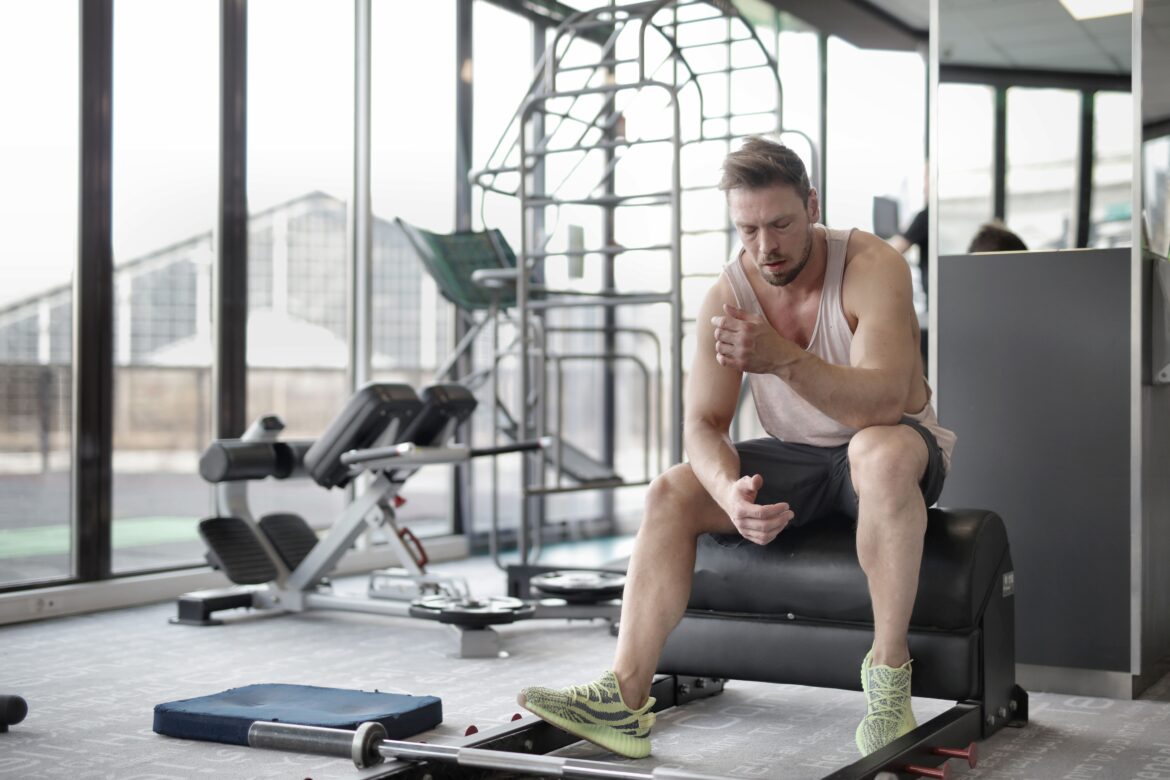
If you care about training, recovering from exercise and generally feeling good and strong, then your habits outside of the gym are more important than you think. Sure, you can train all you like, but it’s the products you use on a daily basis, your methods for eating a healthy diet and your daily habits and routines that will either support your training or hinder it. So, yes, adopting a cleaner lifestyle won’t instantaneously grant you six-pack abs, but it will most definitely have a positive effect on your efforts as a whole.
Your Environment Affects More Than You Think
While most are aware of the effects of sleep, hydration and protein on recovery, few recognize the negative effects of the laundry detergent, cleaning products, hand soap and air quality found in your average home. It’s easy to dismiss these products as ‘just somewhere in the background’, yet the bedding you sleep in, the strong smells of cleaning sprays and chemicals found in hand soaps can all greatly affect your recovery from the gym.
Many of us have been bitten by an irritable bed or woke up to itchy skin – little do we know that these physical discomforts have far-reaching effects. More threatening, however, is how chemically laced household products such as detergents, cleaning products and personal care items wreak havoc on our heads, stifle our focus and even cause headaches.
Removing “friction” from your daily life means removing things that make it harder for you to achieve your fitness goals. You might think of these things as “obstacles” but that word has too many negative connotations. Instead, just identify the things in your daily life that make it harder for you to go to the gym and recover from your workouts. Then, eliminate them.
Clean Products Can Fit Into a Performance Mindset
People often separate wellness from fitness as if they belong in different universes. In real life, they overlap all the time. If you are serious about performance, it makes sense to pay attention to the products you use regularly.
That is one reason some people look into brands like Melaleuca, which is known for household, personal care, and wellness products centered on a cleaner-living approach. If you are trying to build routines that support your training goals, using products that align with that mindset can feel less like a side quest and more like part of the same mission.
The point is not perfection. You do not need to inspect every label with detective-level intensity. It is more about noticing what you use every day and asking whether those choices support the way you want to live and train.
 Recovery Is Built Outside the Gym
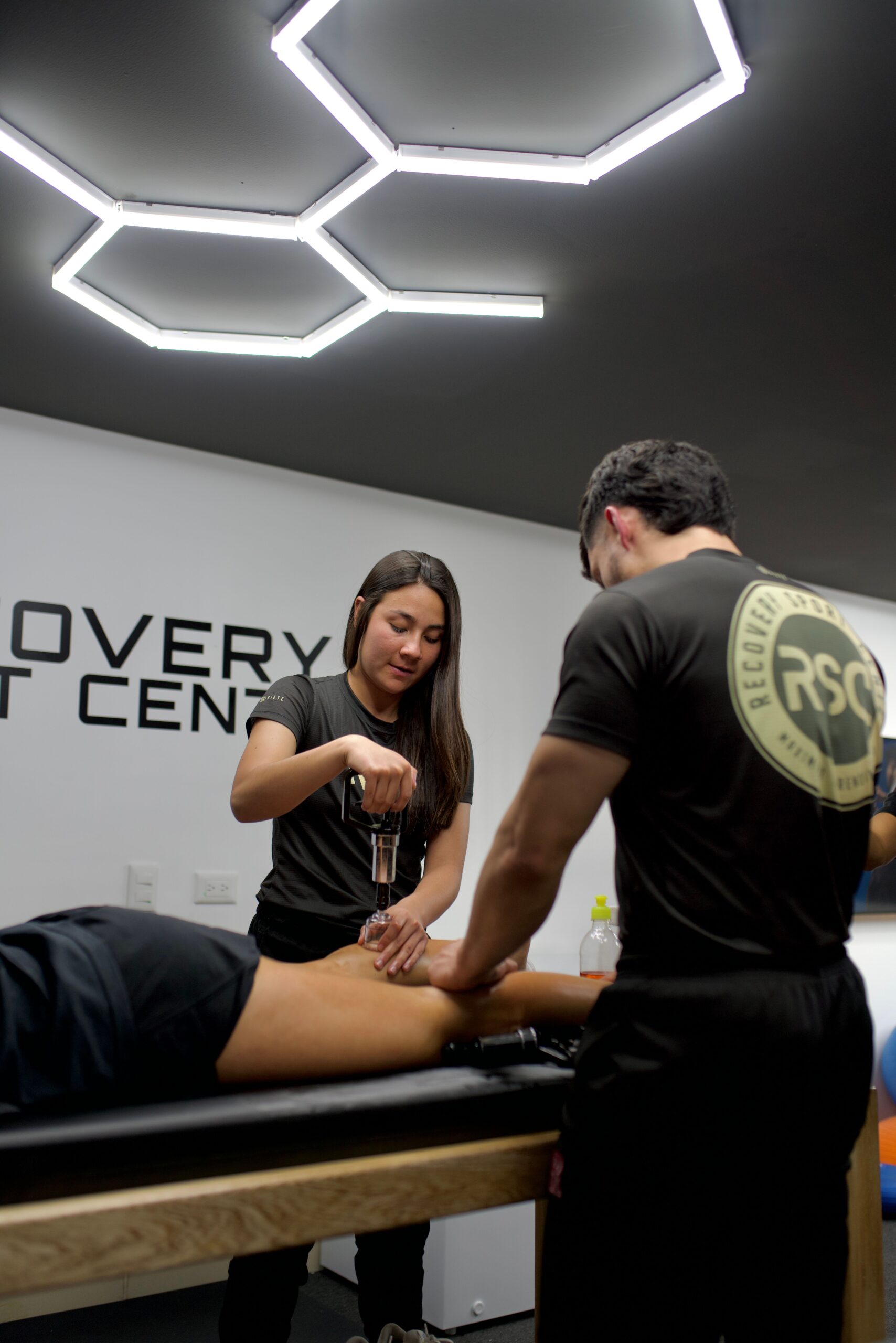
While you are contracting and lengthening your muscles in the gym, it is actually during your time spent recovering outside of the gym that your muscle actually grows. To train effectively, your body needs to be given time to recover from stress to repair and adapt your muscle tissue.
That includes practical basics:
– Clean bedding that helps you sleep well
– Personal care products that do not leave your skin dry or irritated
– A calm evening routine that helps you wind down
– Healthy meals that give you energy instead of causing you to go down!
Even a luxury biohacking lab isn’t equipped with all of the recovery aids that one would need in their day to day life, but there are plenty of small changes you can make in your routine that add up quickly. Incorporating better sleep, skin, and nutrition into your daily grind will have you feeling better faster than you can imagine.
When you are doing a lot to enhance recovery, your gym sessions start to take on a whole new level of effectiveness and will likely start to lead to progress in the gym faster as well.
Nutrition Habits Work Better When Your Routine Is Organized
A lot of fitness setbacks have nothing to do with motivation. They come from messy routines. You plan to eat well, then the fridge is empty, your counters are cluttered, and takeout starts sounding like a very reasonable life decision.
A clean, organized home setup can make healthy eating easier:
– Visible containers for fruit and ready-to-eat snacks
– Meal prep space that is actually usable
– A pantry stocked with simple staples
– Fewer distractions that push you toward random snacking
You are more likely to follow through when the good option is convenient. That matters for muscle gain, fat loss, and general energy levels.
Teen athletes and busy adults run into the same issue here. Discipline helps, but systems help more. If your environment nudges you toward better choices, you spend less mental energy trying to resist the less useful ones.
Skin, Comfort, and Training Go Together
Yeah, the skin. We look to train often but the skin will let us know immediately if we are just rushing around in lousy clothes and bad skin products that give us more discomfort after the workout. As you train more, your skin has to deal with lots of sweat, different levels of friction on different parts of the body, more frequent washing and more frequent laundry. We use lousy fabrics, rough clothes, bad soaps and harshest detergents that will actually cause problems superfast.
You might notice:
– Itchy skin after workouts
– Breakouts from sweaty clothing
– Dry hands from repeated washing
– General discomfort that makes training less pleasant
I didn’t make a big deal out of this as it is hardly groundbreaking information. Skin comfort on and off the training floor can affect your general comfort in your daily life. Things that cause you itchy skin or breakouts and discomfort can cause you an array of problems above and beyond what you would normally encounter on a daily basis.
You might not know about products that are gentler for your clothing, body care and your workout space, but believing in ‘less is better’ could be all you need to stop small irritations wearing you down and undermining your habits.
 Strong Routines Beat Short Bursts of Motivation
You do not need to overhaul your entire life in one dramatic weekend. In fact, that usually fails. What works better is building a routine that is easy enough to repeat.
Try a few practical upgrades:
– Wash workout clothes on a regular schedule
– Keep water, snacks, and recovery items where you can reach them
– Set up a simple bedtime routine
– Use household and personal care products you actually like using
– Prepare tomorrow’s gym gear the night before
These habits sound basic because they are. Basic does not mean ineffective. It means reliable.
The best training plans often fail because people ignore the everyday details that make consistency possible. You can have the perfect split, the perfect macro target, and the perfect playlist, but if your daily routine is chaos, results get delayed.
The Bigger Picture Is Sustainable Health
Looking fit is nice. Feeling strong is better. Building routines that support the health and development of your body for the long term is where the real interest lies.
There is a much more positive perspective when we look at the entire experience of fitness and health instead of the narrow band of physical activity. Fitness can be so much more than just hard work and punishment. In fact, when we support our bodies with the right training, excellent recovery techniques and healthy eating, we can be strong, fit and look great too.
This does not mean that you have to become a obsessive wellness freak or turn your home into a cold, autoclaved ‘showroom’. Just set up your daily habits in such a way that your body can function optimally. This includes better sleep, cleaner habits, better products and less daily irritation.
If your only focus is on training hours, that’s okay! It’s also important to recognize the value of outside of gym time too. The strongest part of your body is likely to be influenced greatly by the efforts outside of your workouts too. Give your body some routines that will help make strength easier to build, not harder.
Written by Eliza Jeffrey (elizagoodjeffrey@gmail.com)