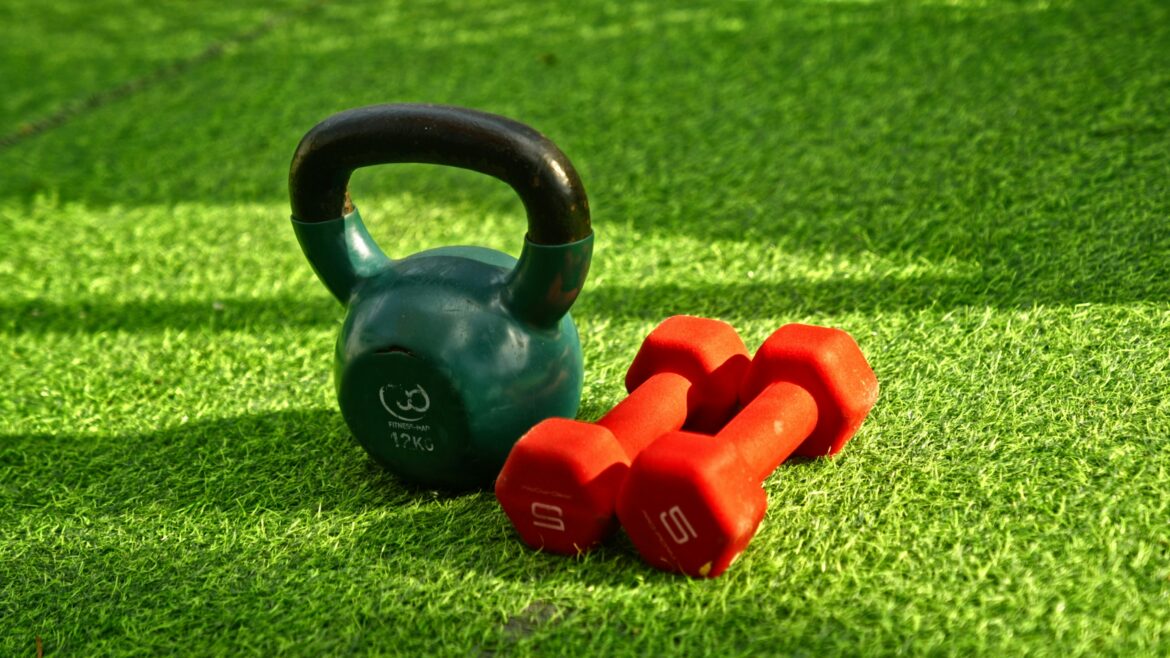
Dumbbell workouts remain one of the most effective methods for building muscle and improving overall fitness. Their versatility makes them suitable for everyone from beginners to seasoned athletes, with the ability to progressively increase resistance as strength develops.
The benefits extend well beyond muscle building. Dumbbells offer comprehensive fitness advantages that include:
- Versatility: A single pair of dumbbells can target virtually every major muscle group through dozens of different exercises.
- Accessibility: Relatively affordable and space-efficient, dumbbells are ideal for home gyms and small training spaces.
- Balance and Coordination: Unilateral training with dumbbells improves balance, corrects muscle imbalances, and engages stabilizer muscles throughout the core.
- Functional Strength: Dumbbell movements mimic real-world activities, building strength that translates to daily life.
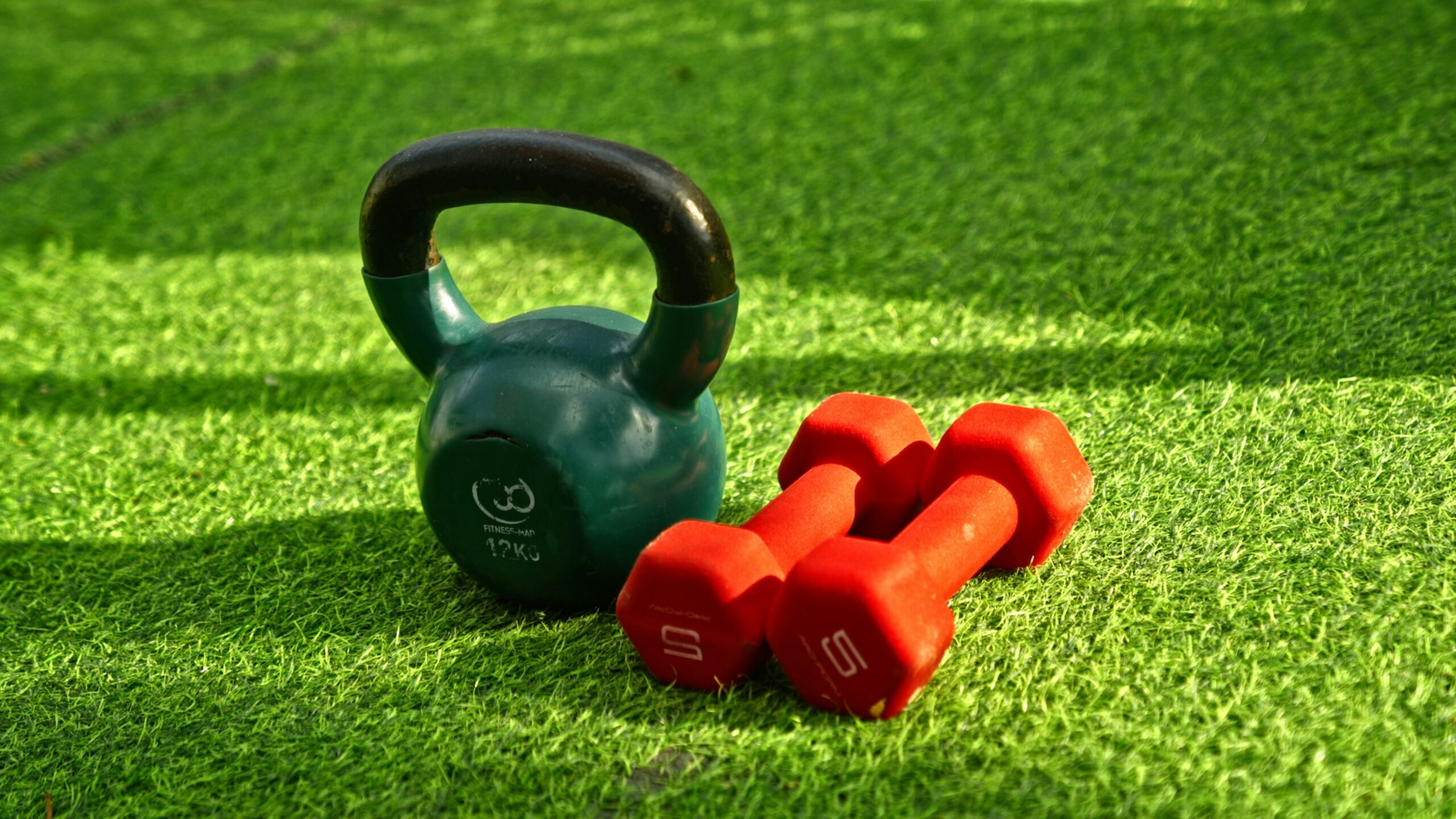
Benefits of Dumbbell Workouts
Incorporating dumbbell training into your routine delivers measurable health benefits. Research demonstrates that resistance training with free weights produces significant physiological improvements:
- Improved Cardiovascular Health: Regular strength training reduces blood pressure, improves cholesterol profiles, and lowers the risk of cardiovascular disease.
- Increased Bone Density: Weight-bearing exercises strengthen bones and help prevent osteoporosis, particularly important as we age.
- Enhanced Metabolic Rate: Building muscle mass increases your resting metabolic rate, meaning you burn more calories throughout the day, even during rest.
- Better Mental Health: Strength training has been shown to reduce symptoms of anxiety and depression while improving cognitive function.
By integrating dumbbell workouts into your exercise regimen, you work toward not just a stronger body but also improved overall health and longevity.
Total Body Dumbbell Workout
A full body dumbbell workout efficiently targets all major muscle groups in a single session. This approach saves time while promoting muscle balance and coordination. Here’s a comprehensive routine designed to maximize results:
- Warm-Up (5 minutes): Begin with dynamic movements like arm circles, leg swings, and light cardio to increase blood flow and prepare joints for loaded movement.
- Goblet Squats (3 sets of 10-12 reps): Hold a single dumbbell vertically at chest height, feet shoulder-width apart, and descend until thighs are parallel to the floor.
- Dumbbell Bench Press (3 sets of 10-12 reps): Lie on a bench with dumbbells at chest level, press upward until arms are extended, then lower with control.
- Romanian Deadlifts (3 sets of 10-12 reps): With feet hip-width apart and dumbbells in front of thighs, hinge at the hips while maintaining a neutral spine, lowering weights to mid-shin.
- Overhead Press (3 sets of 10-12 reps): Stand with dumbbells at shoulder height, press overhead until arms are fully extended, then lower with control.
- Bent-Over Rows (3 sets of 10-12 reps): Hinge forward at the hips, maintain a flat back, and pull dumbbells toward your ribcage, squeezing shoulder blades together.
- Plank (3 sets of 45 seconds): Maintain a straight line from head to heels while resting on forearms and toes, engaging the entire core.
Rest 60-90 seconds between sets to allow adequate recovery while maintaining workout intensity. As you progress, increase weight rather than rushing through repetitions.
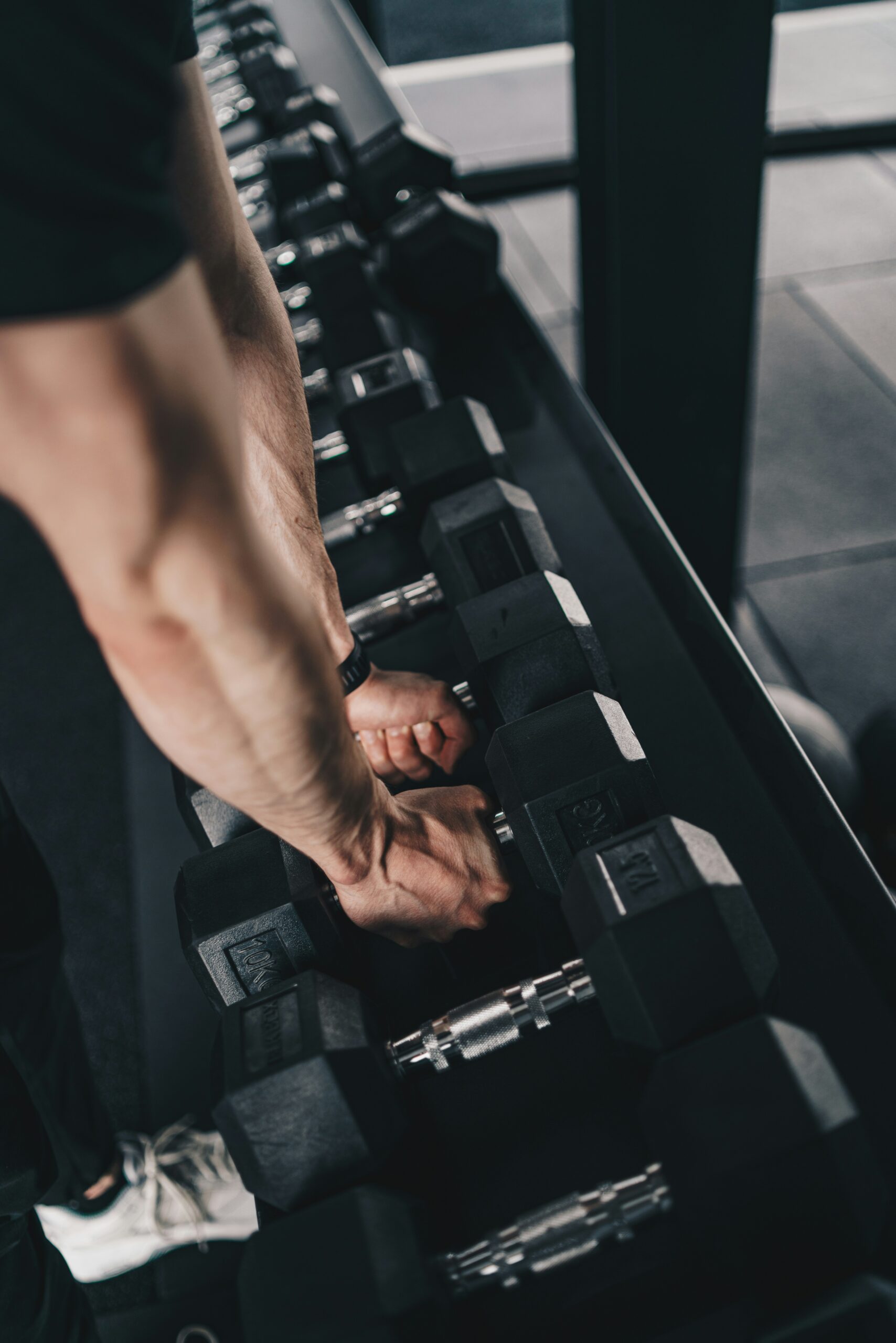 Dumbbell Exercises for Whole Body
To effectively target different muscle groups, incorporate these fundamental dumbbell exercises into your training. Proper form is essential for both safety and results:
- Bicep Curls: Stand with feet shoulder-width apart, dumbbells at your sides with palms facing forward. Curl weights toward shoulders while keeping elbows stationary and close to your torso.
- Overhead Tricep Extensions: Hold a single dumbbell with both hands overhead, lower it behind your head by bending at the elbows, then extend back to starting position.
- Walking Lunges: Step forward into a lunge position, lowering your back knee toward the floor. Push through the front heel to step forward into the next lunge, alternating legs.
- Chest Flyes: Lie on a bench with dumbbells extended above your chest, palms facing each other. Lower weights out to sides in a wide arc, then bring them back together.
- Russian Twists: Sit with knees bent and feet elevated, lean back slightly, and rotate your torso side to side while holding a dumbbell at chest height.
- Single-Leg Calf Raises: Hold a dumbbell in one hand, stand on the same-side leg, and raise your heel off the ground to engage the calf muscle.
20 Minute Full Body Dumbbell Workout
Time constraints shouldn’t prevent effective training. A focused 20-minute session can deliver significant results when structured properly. This efficient routine targets all major muscle groups while maintaining intensity:
- Dynamic Warm-up (3 minutes): Perform bodyweight squats, arm circles, and high knees to elevate heart rate and prepare muscles.
- Dumbbell Thrusters (3 minutes): Combine a front squat with an overhead press in one fluid movement. Complete as many quality reps as possible in 40-second intervals with 20 seconds rest.
- Renegade Rows (3 minutes): In a plank position with hands on dumbbells, alternate rowing each weight to your ribcage. Work for 40 seconds, rest for 20.
- Goblet Squats (3 minutes): Hold a dumbbell vertically at chest height and perform deep squats. Maintain the 40/20 work-to-rest ratio.
- Push Press (3 minutes): Use leg drive to help press dumbbells overhead, allowing for heavier loads than strict pressing. Continue the interval pattern.
- Alternating Lunges (3 minutes): Hold dumbbells at your sides and alternate forward lunges. Focus on depth and control during work intervals.
- Plank Hold (2 minutes): Finish with a sustained plank, breaking into shorter holds if needed to maintain proper form.
Adjustable sets from Bowflex, PowerBlock, and NÜOBELL all solve the same space problem differently, and for most home setups the adjustment mechanism matters more than the top-end weight. Dumbbells.com covers the category alongside sites like Garage Gym Reviews if you want to compare before committing.
Dumbbell Circuit Workout
Circuit training with dumbbells combines strength and cardiovascular conditioning into a single efficient workout. This training style elevates heart rate while building muscle, creating an effective stimulus for both fat loss and strength gains.
Here’s a challenging circuit to try:
- Dumbbell Swings: Similar to kettlebell swings, hinge at the hips and swing a dumbbell between your legs, then drive through your hips to swing it to chest height. Complete 15 reps.
- Renegade Rows: From a plank position with hands on dumbbells, alternate rowing each weight while maintaining a stable core. Perform 10 reps per side.
- Thrusters: Squat with dumbbells at shoulders, then explosively stand while pressing weights overhead. Complete 12 reps.
- Russian Twists: Seated with feet elevated, rotate torso side to side while holding a dumbbell. Perform 20 total rotations.
- Dumbbell Burpees: Hold dumbbells while performing burpees, adding a row at the bottom of each rep. Complete 10 reps.
Full Body Workout Routine Dumbbells Only
A complete training program using only dumbbells is both practical and effective. This equipment minimizes space requirements while maximizing training versatility. Here’s a structured weekly plan:
- Monday: Upper Body Emphasis
- Dumbbell Bench Press: 4 sets of 8-10 reps
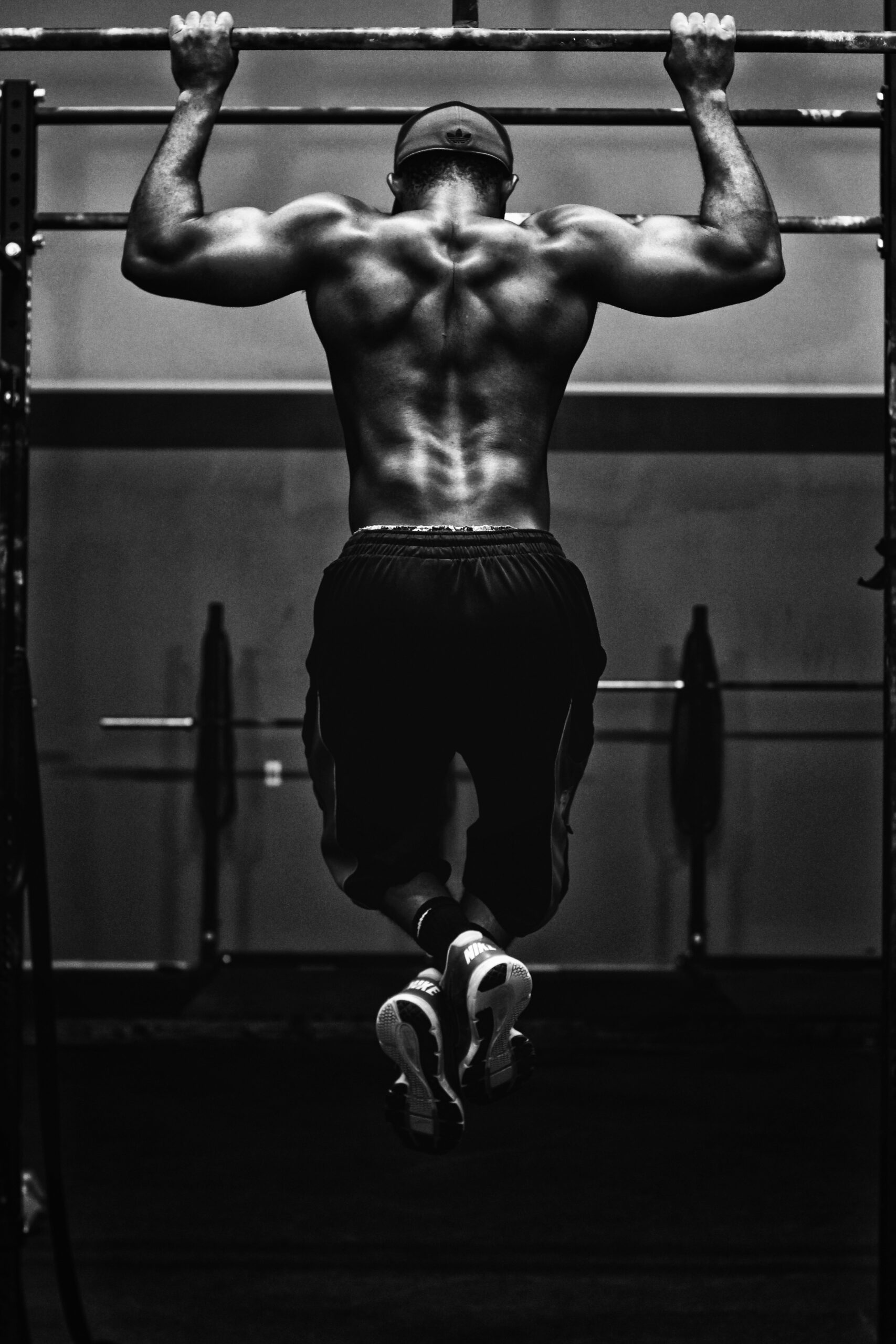
- Bent Over Rows: 4 sets of 8-10 reps
- Overhead Press: 3 sets of 10-12 reps
- Bicep Curls: 3 sets of 12-15 reps
- Overhead Tricep Extensions: 3 sets of 12-15 reps
- Wednesday: Lower Body Emphasis
- Goblet Squats: 4 sets of 10-12 reps
- Romanian Deadlifts: 4 sets of 10-12 reps
- Walking Lunges: 3 sets of 12 reps per leg
- Single-Leg Calf Raises: 3 sets of 15-20 reps
- Friday: Full Body Integration
- Thrusters: 4 sets of 10 reps
- Renegade Rows: 3 sets of 10 reps per side
- Russian Twists: 3 sets of 20 rotations
- Plank with Dumbbell Drag: 3 sets of 30 seconds
This structure allows for balanced development across all major muscle groups while providing adequate recovery between sessions. Adjust weights to stay within the prescribed rep ranges, and aim to progressively increase load over time.
Full Body Dumbbell Workout for Muscle Gain
Building significant muscle mass with dumbbells requires strategic programming focused on progressive overload and proper recovery. Here’s how to structure your training for maximum hypertrophy:
- Progressive Overload: Systematically increase training stress by adding weight, reps, or sets over time. Track your workouts to ensure consistent progression.
- Exercise Selection: Prioritize compound movements like presses, rows, and squats that recruit multiple muscle groups, then supplement with isolation exercises for specific muscle development.
- Volume and Intensity: For muscle growth, aim for 3-5 sets of 8-12 repetitions per exercise, using weights that bring you close to failure on the final reps.
- Time Under Tension: Control the eccentric (lowering) phase of each rep, taking 2-3 seconds to lower the weight and 1 second to lift it.
- Recovery and Nutrition: Muscle growth occurs during recovery, not training. Ensure adequate protein intake (0.7-1 gram per pound of bodyweight) and 7-9 hours of quality sleep.
Training volume is one of the primary drivers of muscle hypertrophy. Aim for 10-20 sets per muscle group per week, distributed across 2-3 training sessions.
By following these evidence-based principles and maintaining consistency in your training, dumbbell workouts can produce significant muscle gain and strength improvements. The key is patience, progressive overload, and proper recovery between sessions.
Written by managersharafat@gmail.com