Introduction: Why Storage Precision Matters
Research peptides can be damaged by heat, water, light, and being handled too much. Even when these come in a stable dry form, bad storage can slowly change what they are made of. This can make lab work less reliable and less accurate.
For people who want to try peptides australia, it is important to check how they store and handle their products, as well as their quality and documentation. If you want to buy research peptides from a trusted place, you should look at the product information and storage details before you decide to buy.

Understanding Molecular Stability
The stability of peptides changes based on what is around them. The way they act depends on both their physical and chemical settings. Temperature fluctuations are also known to affect the quality of the product in both cases—the product deteriorates if the temperature fluctuates in both directions, upwards and downwards. Moisture can also be a threat when the material is dried out.
Good storage is not just about keeping a vial cold. It means you have to keep the right conditions the whole time. This starts when you first get it and goes on to when you get it ready in the lab and use it.
Lyophilized vs. Reconstituted Peptides
Lyophilization takes out most of the water from a peptide mix. This makes a dry form. The dry form can be stored better than when it is in a water-based solution.
When the peptide is mixed again, it is in a liquid. This means it can break down faster. Because of this, you may have to store it in a different way than when it is dry. The rules for keeping it dry and after mixing can be very different.
Temperature Control and Cold Storage
The temperature is one of the most critical factors concerning the storage of peptides. There are no universal recommendations, and the right storage method depends on the type of product, manufacturing process, and guidelines regarding the storage of that particular product.
Avoid Temperature Fluctuations
Transition between warm and cold environments causes additional stress on the products. Repeated changes in temperature may also raise the risk of water drops forming when you open containers, especially if the air is wet.
It is better to keep things in the same storage place all the time. Moving them in and out of different temperature areas again and again is not a good idea.
Managing Freeze-Thaw Exposure
Try to minimize freezing and thawing cycles for those products that require freezing during the process of storage.
Properly sized portions can help cut down on the need to keep thawing and freezing the same mix again and again.
Moisture Protection for Lyophilized Materials
Moisture can really change the way dry peptide works and how long it stays good. When a dry sample takes in water, the things around it and how it acts both change.
Keep Containers Properly Sealed
Vials need to stay sealed up until you have to get them ready. If you open them when it is not needed, the air in the lab can bring in water. This can get into the dry stuff inside and may ruin it.
When you have a cold container, let it warm up to room temperature while it stays closed. This can help stop water drops from forming inside the vial.
Light and Environmental Exposure
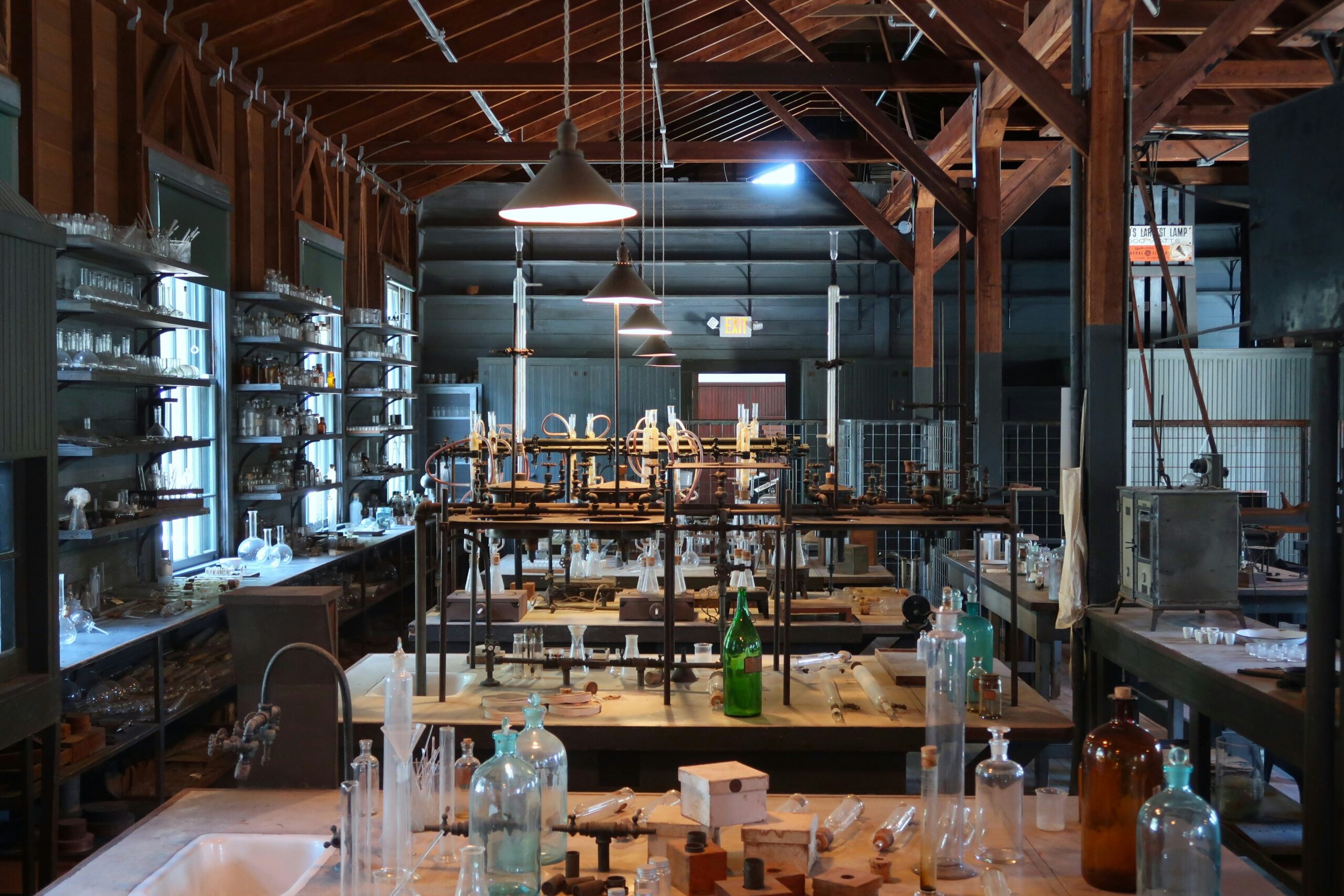
Not all peptides respond to light exposure in the same way but it is better to protect light-sensitive materials from excessive light.
You may need to use these storage areas based on what the document says about the item:
- Areas that do not let light in
- Extra packaging that keeps it safe
- Containers that block light
It’s important to follow what is needed for each item.
Storage areas need to be clean and tidy. This helps cut down on many things like accidental touching and getting items dirty. It also helps keep you from moving things you do not have to, especially items that can be changed by heat or cold.
Choosing Appropriate Containers
The storage container makes a strong wall between the place and the area around it.
Using the right lab-grade glass vials with good closures can help keep what is inside safe from water and things in the air. It is important to think about if the container is a good fit for your product. This should be checked along with how the chemicals in your product might react.
A well-sealed container is very important for lyophilized materials. This is because even a small amount of water can change the condition of the dry powder.
Handling Before Reconstitution
Preparation begins even before opening the vial. It is necessary to bring the vial to the required temperature without opening it. You need to follow the steps needed for the lab at this time.
Once this mix is ready to be used, you should handle it using safe lab steps. Easy ways to mix or break it down can help keep it safe and not harm the mix. Make sure you use clean tools and keep your work area clean. This helps cut down the chance of something else getting into it.
Building a Reliable Storage Protocol
A good storage system brings together control of the environment and clear records of everything.
| Storage Factor | Recommended Practice |
| Temperature | Maintain validated, consistent conditions |
| Humidity | Minimize exposure to moisture |
| Light | Protect sensitive materials from unnecessary exposure |
| Freeze-thaw cycles | Keep repeated cycling to a minimum |
| Containers | Use compatible, well-sealed laboratory containers |
| Inventory | Record batch and storage information |
| Monitoring | Use appropriate temperature tracking |
Digital temperature monitoring helps you keep track of any changes that may go unnoticed. Keeping inventory records is also important. You should link each batch with its storage history and the right paperwork.
Conclusion
Keeping the molecular structure safe needs more than just picking the right storage temperature. You also have to keep the temperature steady, manage moisture, pick good containers, keep out light, handle things with care, and keep good records. All of these steps help to make research peptide storage better.
For people looking at peptides australia sources, it is good to read about storage and learn about the quality and details before buying. Picking a supplier that gives clear papers and handling tips can help keep the quality of the product good when you get it and when you use it in the lab.
Written by Marie Colvin (mariecolvin21@gmail.com)