

While it may seem simple to lose weight by eating less and being more active, body weight is made up of more than just body fat. In addition to body fat, body weight includes muscle, water, glycogen, bone and other tissue. As you diet, you want to lose as much fat as possible and keep as much muscle, water, glycogen and bone as possible. If you lose weight too quickly or are not paying attention to your nutrition and training, you can end up losing too much muscle, which can be counterproductive to your goals for weight loss.
Muscle loss must be limited during any weight loss period in order to maintain strength, to enhance physical function and to maintain an acceptable body shape as one loses weight and becomes leaner. It also will aid in attempting to return to maintenance eating as well as in attempting to maintain an active life style.
Aim for a steady rate of weight loss
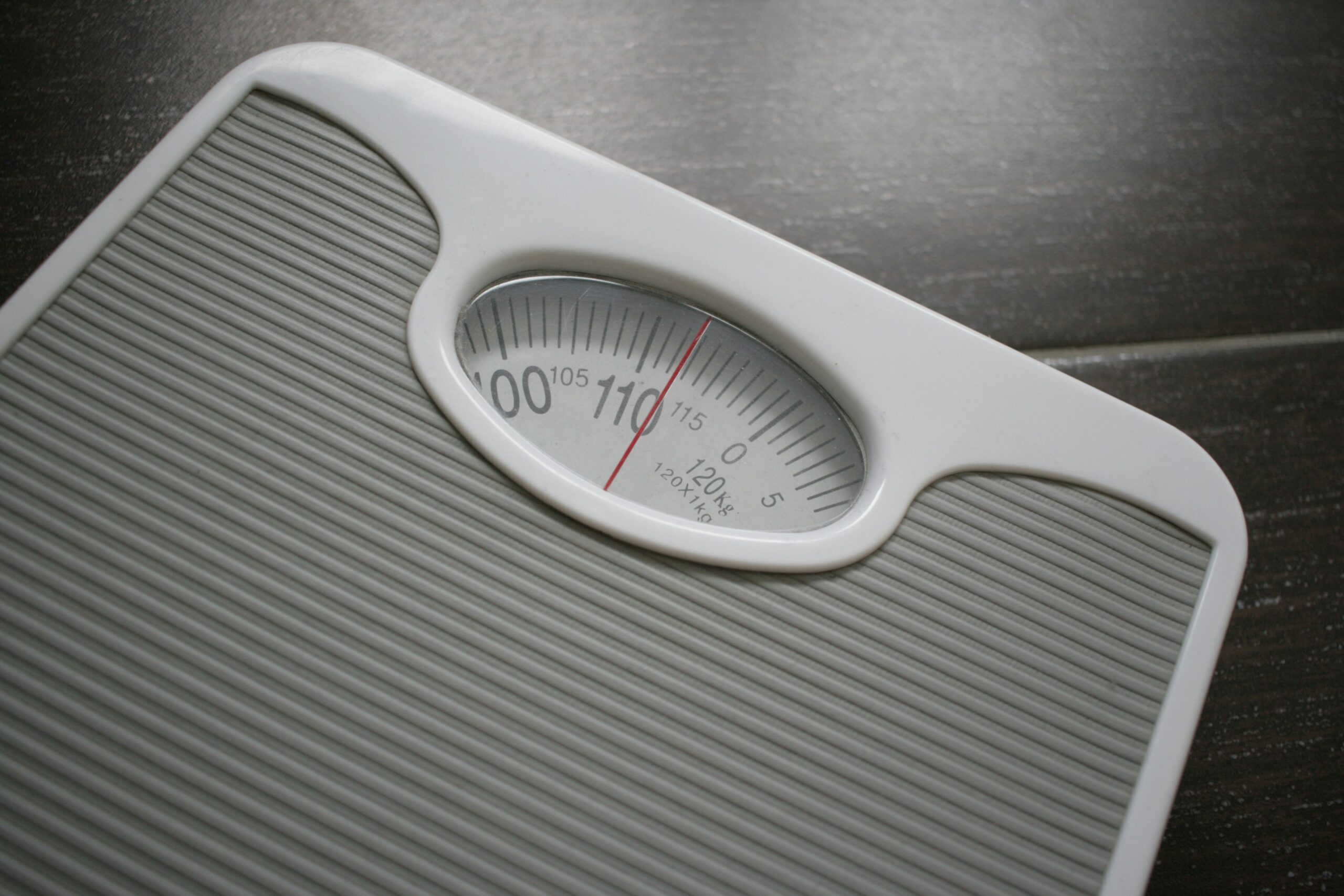
Dropping calories to create a large deficit of calories is counterproductive in the short and long term. At first it may deliver results but in the medium to long term you will find that you become increasingly tired, need to eat constantly and your performance in the gym will start to decrease dramatically. The best rate of weight loss is a slow and steady one. The rate at which one can lose weight depends on several factors: the initial weight of the person, how much physical activity they complete on a regular basis, their current state of health and how long they are dieting for.
Often people only look at the daily weigh-in to track their progress. Due to water intake and glycogen levels fluctuating from one day to the next, it is more reliable to look at the weekly average of weight loss over time. Other indicators of weight loss include waist measurements, how clothes fit, physical performance during exercise and overall energy levels throughout the day. As with any diet, if the weight is dropping too fast, then you need to re-evaluate the plan as the loss of muscle and poor mood and tiredness indicates that you are possibly losing too much weight too quickly.
A sustainable long-term diet is one that can be followed. Diets that are followed for only a short period of time with extreme calorie restriction followed by overeating are not good for long-term health.
Keep strength training in the routine
It does not have to be ‘going to the gym’ in order to maintain muscle when trying to lose weight, however maintaining familiarity with movements that require muscle to work, in order to challenge muscle in some way, is extremely important for keeping muscle when trying to lose weight. For example, focusing on fundamental movements such as pushing, pulling, squats/leg press, hip hinges and carry work can be a very balanced and appropriate program. In many cases, the exercises themselves are less important than choosing appropriate movements for the individual and structuring a training program that can be consistently implemented over time with progressive overload.
You don’t have to go for a ‘hard’ workout to include resistance training in your program. Also consider the quantity of workouts that you do. A good program for weight loss consists of sufficient volume to maintain muscle mass and good repetition to ensure that you can train for a long time and that you can also recover from your workouts.
Prioritize protein throughout the day
 Eating enough protein throughout the day allows the body to maintain and repair muscle tissue throughout the loss of fat for weight loss. Aim to get enough protein to meet your individual needs based off of your body size, age, activity level, and health status. A registered dietitian can help to determine an appropriate protein intake for your specific situation. The majority of your daily protein can be obtained from each meal rather than trying to get it all from one. Examples of high protein foods to include in your meals are eggs, dairy, fish and poultry, as well as tofu and a variety of beans and legumes.
Also, don’t forget to include fiber and many micronutrients found in a variety of fruits and vegetables. While protein powder is a part of a healthy diet, it is not needed and does create an added expense. It should only be used to fill a need in one’s diet, not as an addition to already consuming enough. People with kidney problems and other medical problems that affect protein metabolism need to seek advice from their doctor regarding their protein intake.
Build meals that are satisfying
A calorie deficit does not have to mean tiny meals. Vegetables, fruit, whole grains, beans, and other high-fiber foods can make meals more filling. Pairing these foods with a protein source and a reasonable amount of dietary fat can help create meals that are both satisfying and nutritionally varied.
Planning can make a difference during busy weeks. Preparing a few basic ingredients in advance, keeping convenient protein options available, and deciding on meals before hunger is intense can reduce reliance on last-minute choices. The plan should still include foods the person enjoys. A diet that feels punishing is harder to sustain, and flexibility can help people return to their routine after social events or an unusually busy day.
Hydration also affects how people feel during training and throughout the day. Drinking regularly and responding to thirst is a practical starting point. There is no need to force excessive amounts of water or use products that promise dramatic changes in body composition.
Keep everyday movement consistent
Your daily energy expenditure includes all of your exercise but also your normal way of life. That is to say that the amount of energy you expend walking to the shops or in your daily commute, or climbing stairs instead of using a lift can form a large portion of your calorie deficit. There is no need to convert all of your workouts into long periods of endurance exercise. In fact it is important to remember that your weight loss work will be undermined by your longer more endurance based workouts if you are dropping very rapidly in weight and also feeling weaker, feeling more fatigued and feeling less able to perform in terms of your daily energy.
Rapid increases in daily activity (such as step counts) or in long duration aerobic activity (such as long distance jogging) can also leave you feeling fatigued. Incorporate activities into your daily routine slowly. It’s also very important to monitor how your leg training is going. Long duration aerobic sessions can negatively impact your leg training.
It’s also worth taking note of your daily energy levels. If you are feeling tired all the time then your total workload (including daily activity) is likely to be too high. Recovery also includes getting enough sleep and trying to manage your stress. As we previously covered, sleep and stress can have a huge impact on hunger and exercise. Try to get to bed at the same time each night, and create a sleep-conducive environment. Keep your schedule for the day realistic, and remember that you are trying to create sustainable changes to your nutrition and exercise routine.
Track useful signals, not just body weight
Weekly averages of body weight and other measures (e.g. waist circumference, exercise performance and how clothing fits) are better indicators of progress than daily fluctuations of body weight. Avoid tracking too many measures and in a way that creates excessive stress. Strength is not an absolute measurement and will naturally drop from time to time. When training for weight loss it is reasonable to expect strength to remain relatively constant for several weeks at a time.
A fall in performance over a short period of time can be due to low glycogen, poor sleep, recent excessive stress or a single below par training session. Ultimately trends over time are more important than single measurements. Tracking weights can become an unhealthy pre-occupation for people already prone to an unhealthy relationship with food. It is best to monitor weights less frequently or work with a qualified health professional who can support a healthy weight loss plan. People with a history of eating disorders should seek specific advice before embarking on a weight loss plan.

Be cautious with products marketed for fat loss
The term “fat burner” covers products with very different ingredients, evidence, and regulatory status. Some may have little evidence of meaningful benefit; others can interact with medication or cause unwanted effects. A label, online testimonial, or seller description is not the same as independent evidence of safety and effectiveness. Check ingredients carefully and consult a pharmacist or clinician if you take medication, have a health condition, or are unsure whether a product is suitable.
Readers researching the market may encounter Dutch Sarms for Sarms Kopen, but SARMs should not be treated as ordinary dietary supplements or as an established method for preserving muscle during a diet. The Dutch Doping Authority has described SARMs as experimental substances and warned that products marketed online as supplements may not be appropriate for human use.
Likewise, Anabolen Store lists products in weight-management categories. A listing or marketing description does not establish that a product is safe, approved, or suitable for self-directed use. Prescription medicines and experimental compounds are not substitutes for a nutrition plan, and anyone considering a medicine for weight management should discuss it with a qualified healthcare professional.
Make the plan sustainable
The basics are not flashy, but they are the most useful place to start: use a moderate calorie deficit, eat enough protein, continue strength training, stay active, and allow time for recovery. Review progress over several weeks and make small adjustments when needed. If strength and energy are falling sharply, hunger feels unmanageable, or weight loss is unusually rapid, seek professional guidance and reconsider the size of the deficit.
Preserving lean muscle is not about finding a shortcut. It is about giving the body consistent reasons and resources to maintain strength while body fat gradually decreases. A steady, flexible routine is more likely to protect training quality and support lasting results than an extreme diet or an unverified product.
Written by seo247527@gmail.com