
Gel injections are the new buzzword in the world of orthopedics. People who have always been afraid of the word “surgery” often see gel injections for knee pain as a major relief, a treatment that offers pain reduction, better mobility, and a chance to delay or even avoid surgery.
However, it is important to understand that gel injections are not magic. They are highly effective in the right cases, but they may not work if the joint has already degenerated beyond repair and surgery becomes the only realistic solution.
That being said, the benefits of gel injections should never be ignored, especially when studies show that viscosupplementation can provide meaningful pain relief for nearly 60–70% of patients with mild to moderate knee osteoarthritis, depending on joint condition and patient response. This makes them one of the most trusted conservative orthopedic treatments available today.
In this article, you will find the science, history, purpose, and importance of gel injections for the knee, along with the reasons why the best orthopedic surgeons in Troy and specialists around the world often recommend them before considering surgery.
The use of these images is permitted to the author of the article
What Are Gel Injections?
Gel injections, medically known as viscosupplementation, are non-surgical orthopedic treatments used primarily for knee osteoarthritis and joint degeneration. These injections contain hyaluronic acid, a naturally occurring substance already present in healthy joints.
Hyaluronic acid works like a lubricant and shock absorber inside the knee joint. It helps the bones glide smoothly against each other and reduces the friction that causes pain, stiffness, and inflammation.
In patients with arthritis, this natural joint fluid becomes thinner and less effective. As the lubrication decreases, the cartilage wears down faster, pain increases, and movement becomes difficult.
This is where gel injections for knee become valuable. By injecting a gel-like substance directly into the joint, orthopedic specialists attempt to restore lubrication, improve cushioning, reduce inflammation, and slow down further degeneration.
Popular brands include Synvisc, Durolane, Hyalgan, Orthovisc, and Monovisc, depending on the patient’s condition and treatment plan.
How Do Gel Injections Work?
The science behind gel injections is simple but powerful: restore what the joint has lost before replacing the joint entirely.
Healthy knees depend on synovial fluid rich in hyaluronic acid. This fluid keeps the joint moving smoothly. In osteoarthritis, this fluid breaks down, becomes thinner, and loses its protective function.
As a result:
- Bone rubs against bone
- Cartilage damage increases
- Inflammation worsens
- Pain becomes chronic
- Mobility decreases significantly
Gel injections help by replacing or improving this lost lubrication.
Instead of immediately moving toward surgery, many orthopedic specialists use this treatment to preserve the natural joint for as long as possible.
The Procedure: Step-by-Step Working Mechanism
Step 1: Joint Evaluation and Diagnosis
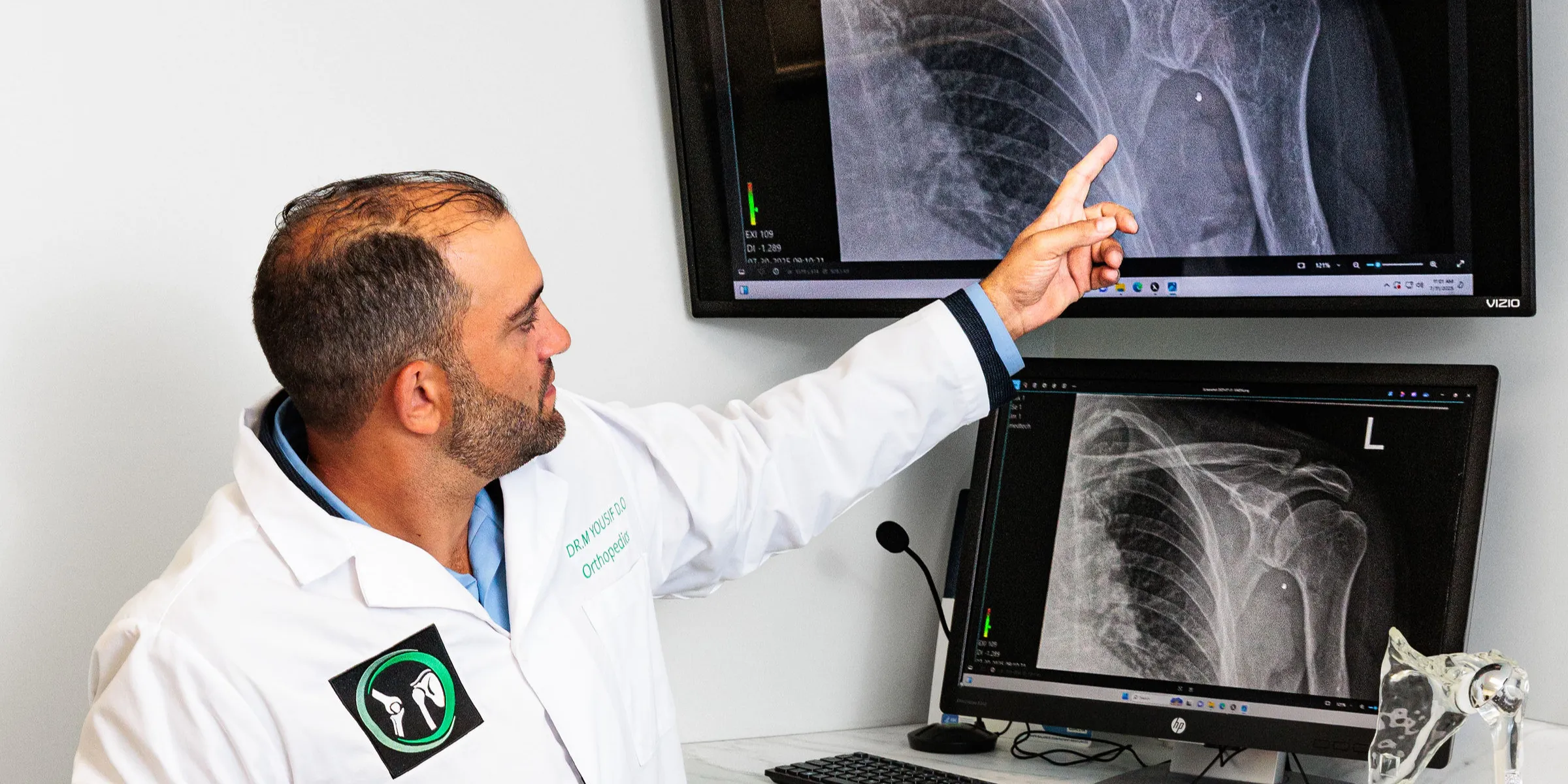
Before recommending gel injections, the orthopedic specialist carefully evaluates the knee using physical examination, patient history, X-rays, and sometimes MRI imaging.
This helps determine whether the patient is a good candidate. Gel injections work best for mild to moderate arthritis, not severe bone-on-bone joint collapse. This is why an experienced Orthopedic Surgeon in Detroit always prioritizes diagnosis before treatment.
Step 2: Preparing the Knee Joint
The injection site is cleaned carefully to maintain sterility and reduce infection risk. In some cases, if the knee has significant swelling, excess joint fluid may be removed first through aspiration. This improves the effectiveness of the gel injection and reduces pressure inside the joint.
Step 3: Injecting Hyaluronic Acid
The gel-like hyaluronic acid is injected directly into the knee joint space using a fine needle. Because the injection is placed precisely inside the joint, many specialists use ultrasound guidance for improved accuracy.
The procedure is quick, usually completed within minutes, and most patients return home the same day.
Step 4: Restoring Lubrication and Cushioning
Once injected, the gel improves the viscosity of the synovial fluid. This creates smoother movement between the bones, reduces joint friction, improves shock absorption, and decreases pressure on the damaged cartilage. The result is less pain and better movement over time.
Step 5: Reduced Inflammation and Delayed Degeneration
As friction decreases, inflammation inside the joint also reduces. This slows down the rate of cartilage damage and helps preserve the natural joint structure for longer. Many patients experience relief lasting anywhere from 4 months to 12 months depending on severity, lifestyle, and response to treatment.
Why Orthopedic Specialists Choose Gel Injections
There is a reason many orthopedic experts recommend gel injections before surgery, they offer real relief without the risks of major procedures. Here are the main reasons specialists prefer this treatment:
- They Delay Surgery
One of the biggest advantages of gel injections for knee is delaying joint replacement surgery. This is especially important for younger patients who are too young for knee replacement or patients who want to preserve their natural joint as long as possible. Surgery delayed smartly is often surgery done better later.
- They Reduce Pain Without Major Recovery
Unlike surgery, gel injections involve no hospital stay, no stitches, and almost no downtime. Patients can often resume normal activities quickly while still receiving meaningful pain relief. This makes them highly attractive for working professionals and older adults.
- They Improve Joint Function
Pain relief alone is not enough, mobility matters. Gel injections help improve walking, climbing stairs, standing, and daily movement by reducing stiffness and improving joint glide. This improves both quality of life and long-term independence.
- They Offer a Better Option for Diabetic Patients
Steroid injections can temporarily raise blood sugar levels, making them less ideal for diabetic patients. Gel injections do not have this issue, making them a safer long-term option for many people managing both arthritis and diabetes.
- They Support Conservative-First Orthopedic Care
Good orthopedic care always explores non-surgical treatment before surgery whenever medically possible. This is why every responsible Orthopedic Surgeon in Detroit will usually assess physical therapy, medications, bracing, and injections before recommending knee replacement.
- They Help Preserve Natural Joint Anatomy
Replacing a joint is a major decision. If pain can be controlled and function improved without replacing the knee, preserving the body’s natural anatomy is always the better first step. Gel injections help make that possible.
What Happens When Gel Injections Fail?
Gel injections are highly effective, but not for everyone. They may fail when arthritis is too advanced, cartilage is completely worn out, the knee is severely unstable, or the damage involves structural problems injections cannot fix. In these cases, the goal shifts from symptom control to definitive correction.
Failure does not mean bad treatment, it simply means the condition has progressed beyond conservative care.

When Gel Injections Don’t Work: Next Treatment Options
- Physical Therapy and Strength Rehabilitation
Sometimes the pain is not just from arthritis but also from weak surrounding muscles, poor joint mechanics, or instability. Targeted strengthening of the quadriceps, hamstrings, and hip muscles can significantly improve knee function and reduce pain.
- PRP or Advanced Injection Therapy
Platelet-Rich Plasma (PRP) may be considered in select patients depending on age, activity level, and the condition of the cartilage. These treatments aim to support healing and reduce inflammation, though they are chosen carefully based on medical suitability.
- Arthroscopic Surgery
If the issue involves meniscus tears, loose cartilage fragments, or mechanical locking, minimally invasive arthroscopy may be recommended. This helps correct structural problems that injections alone cannot solve.
- Partial or Total Knee Replacement
When the knee becomes bone-on-bone and daily life is heavily affected, knee replacement may become the best option. At this stage, delaying surgery too long can actually worsen mobility and quality of life.
This is why the best Orthopedic Surgeons in Detroit like those at DetroitOrthoDoc, focus not on avoiding surgery forever, but on choosing the right treatment at the right time.
Conclusion
Gel injections for knee are not just a trend, they are a proven orthopedic treatment that helps thousands of patients reduce pain, improve mobility, and delay surgery safely. They work best when used at the right stage, under the care of an experienced specialist who understands both conservative management and surgical timing.
The smartest orthopedic treatment is never about avoiding surgery at all costs, it is about choosing the method that protects your mobility for the long run.
Written by infotabseo@gmail.com