
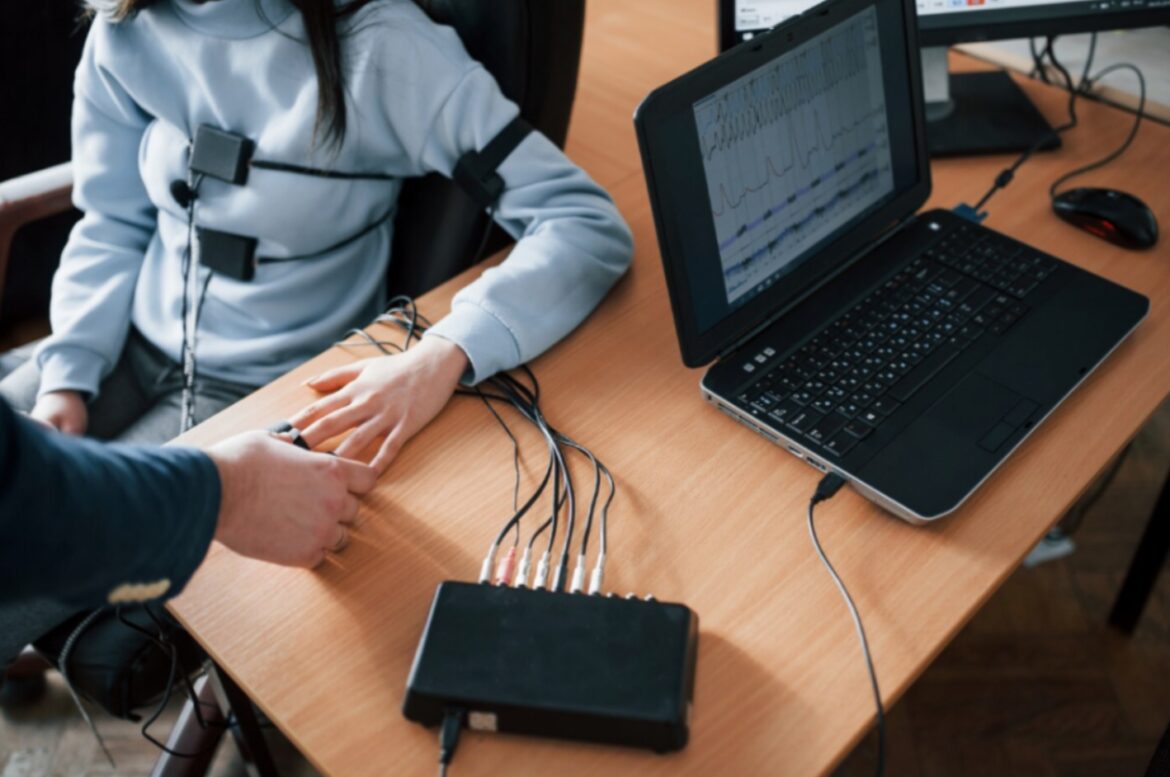
Sitting through a polygraph test can feel unsettling when you do not know what the examiner is truly looking for. Your pulse might race just from nerves, and you may worry that normal stress will be mistaken for deception. Without something to compare your reactions against, no examiner could ever tell the difference between simple worry and a real physical response to a question.
This is why it is important to have a baseline before the real questions are asked. That reference point is your own body, which is carefully calibrated through the process of creating questions, retesting questions, and careful design prior to the actual test. Once this point is established, each reaction that follows is judged in a fair comparison with it rather than judged individually or in isolation.
This article walks through exactly how a polygraph test establishes that baseline and uses it for comparison.
-
Body’s Self-Defense Reaction Creates the Physiological Signal Being Measured
Taking a polygraph test means having your body’s natural self-defense mechanism monitored from start to finish. It switches on whenever you feel threatened or placed in danger, working automatically no matter how calm you try to seem.
Adrenaline gets released into your bloodstream, extra blood moves toward your muscles, and your skin glands become more active as the reaction unfolds. Your digestion slows down too, and your breathing changes, since these are the signals your sympathetic and parasympathetic nervous systems send out during moments of stress. Even your pulse rate changes as a result of the same reaction.
These physical changes are all the raw data a polygraph machine captures during your polygraph test. The cognitive dissonance component is also important because whenever you lie, you have to suppress your body’s natural tendency to tell the truth, which translates to measurable changes as well.
-
The Acquaintance Exam Calibrates the Baseline Before Testing Begins
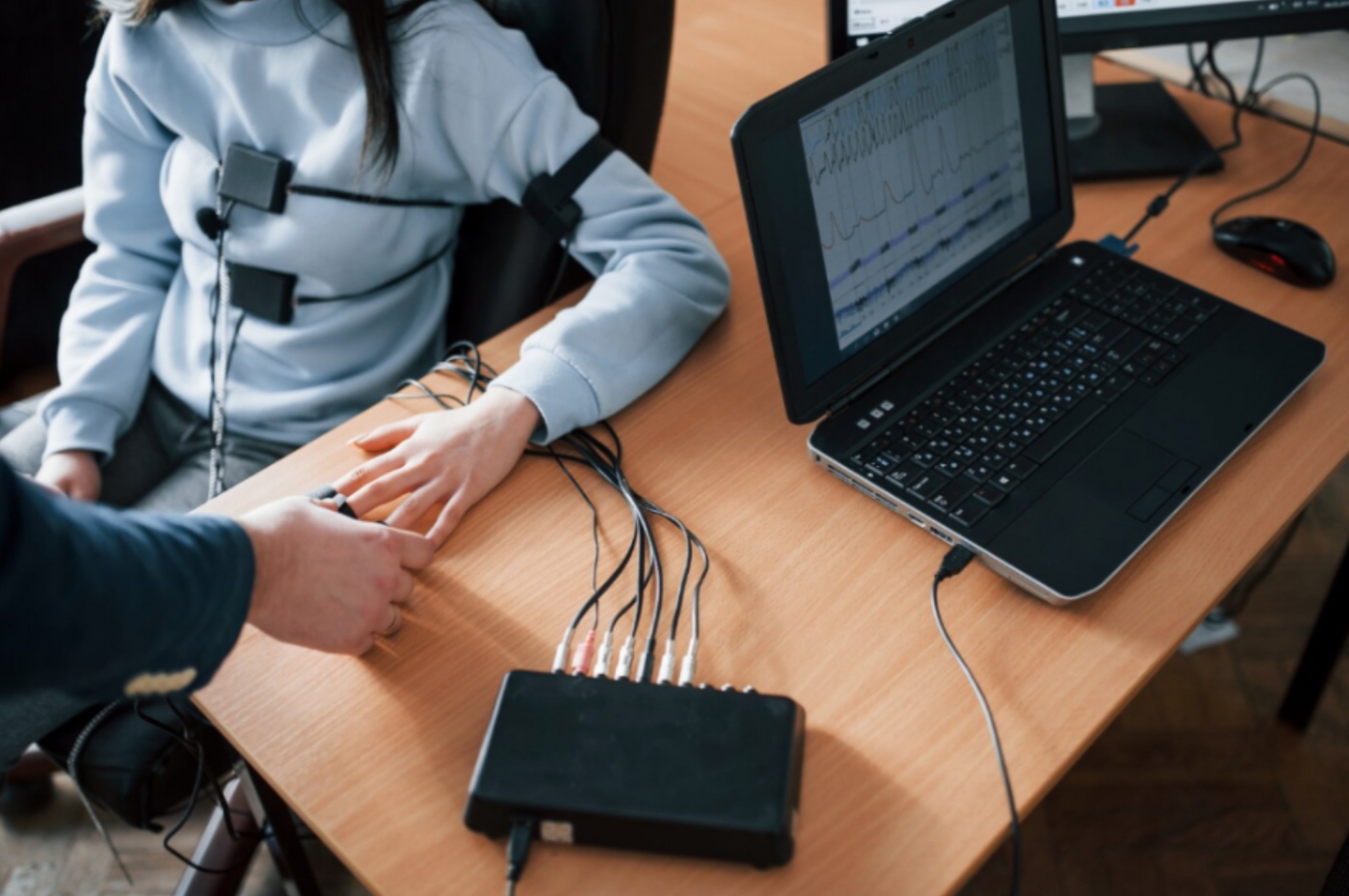
Before the real test questions ever begin, your examiner attaches you to the polygraph instrument and runs what is called an acquaintance exam. That step calibrates the equipment and helps you grow familiar with the methodology you are about to experience.
Calibration is important as it provides your examiner with a known starting point to work from. Without it, you wouldn’t know if it’s a strange reaction or just the normal way your body reacts after the attachment to the instrument. Once this reference point is established, even minor changes can be readily observed.
Finishing this stage, your examiner provides additional instructions before moving forward. This gives the baseline reading that any following question is measured against and makes the rest of the exam much more reliable and trustworthy.
-
Question Design Rules Ensure Reactions Can Be Fairly Compared
A baseline only holds up if every question compared against it follows the same structure. Each polygraph question must be answered with a simple yes or no, since narrative answers would make fair comparison impossible from the start.
Ambiguous, subjective, hypothetical, or compound questions are never allowed either, since they could be interpreted differently by different people. A question taking longer than six or seven seconds to ask is considered too long, and specific words get defined and agreed upon beforehand. Even a single unclear phrase can throw off the whole comparison.
Keeping every issue separate matters too, since examiners cannot mix topics like theft and drug use within a single exam. These strict rules keep every question on equal footing, so your reactions stay fair to compare against the baseline already set.

-
Differential Salience Compares Reactions Across Relevant and Comparison Questions
After your baseline is set, your examiner relies on a principle called differential salience to judge your reactions fairly. It measures the differences in your responses to different types of questions, rather than judging any single answer on its own.
In a specific issue test, only three types of questions are compared, which keeps the process simple and accurate. One of these is a neutral question, such as “Are you sitting down?”, which carries no emotional weight and lets your physiology settle back down to baseline before the next relevant question is asked. Your relevant question gets asked nine to twenty different times, each time with different wording, giving your examiner a large sample to study.
Repeating the relevant question at least three times, in a different order each round, with a short break between sets, lets your examiner watch how your reactions shift across several charts instead of trusting just one single reading.
-
Numerical Scoring Converts the Baseline Comparison into a Result
When all your charts have been collected, your examiner analyzes the data produced during each question and answer. Analysis continues across several charts until a single numerical score is determined, and that score alone decides your exam’s outcome.
Adding every individual question score together is known as grand total scoring, and it is used in a specific issue test. Scoring this way compares your reactions as a whole, rather than judging one single moment by itself, producing the most reliable result available. Even one weak score can no longer skew the whole picture.
Your results never come out in real time, unlike what television often shows, since scoring requires analyzing multiple question presentations together. That final stage takes the baseline comparison built throughout your exam and turns it into the written report you receive.
Conclusion
Every stage of a polygraph test builds toward one single goal: giving your examiner a fair way to compare your reactions. From the self-defense response inside your body to calibration, question design, and final scoring, nothing about this process happens by accident.
Understanding how this baseline gets built can help you feel steadier before your own exam. Knowing exactly what your examiner compares, and why, removes much of the mystery behind the instrument and helps you make sense of your own results with far more confidence than before.
Written by jeffery@healthybox.org