
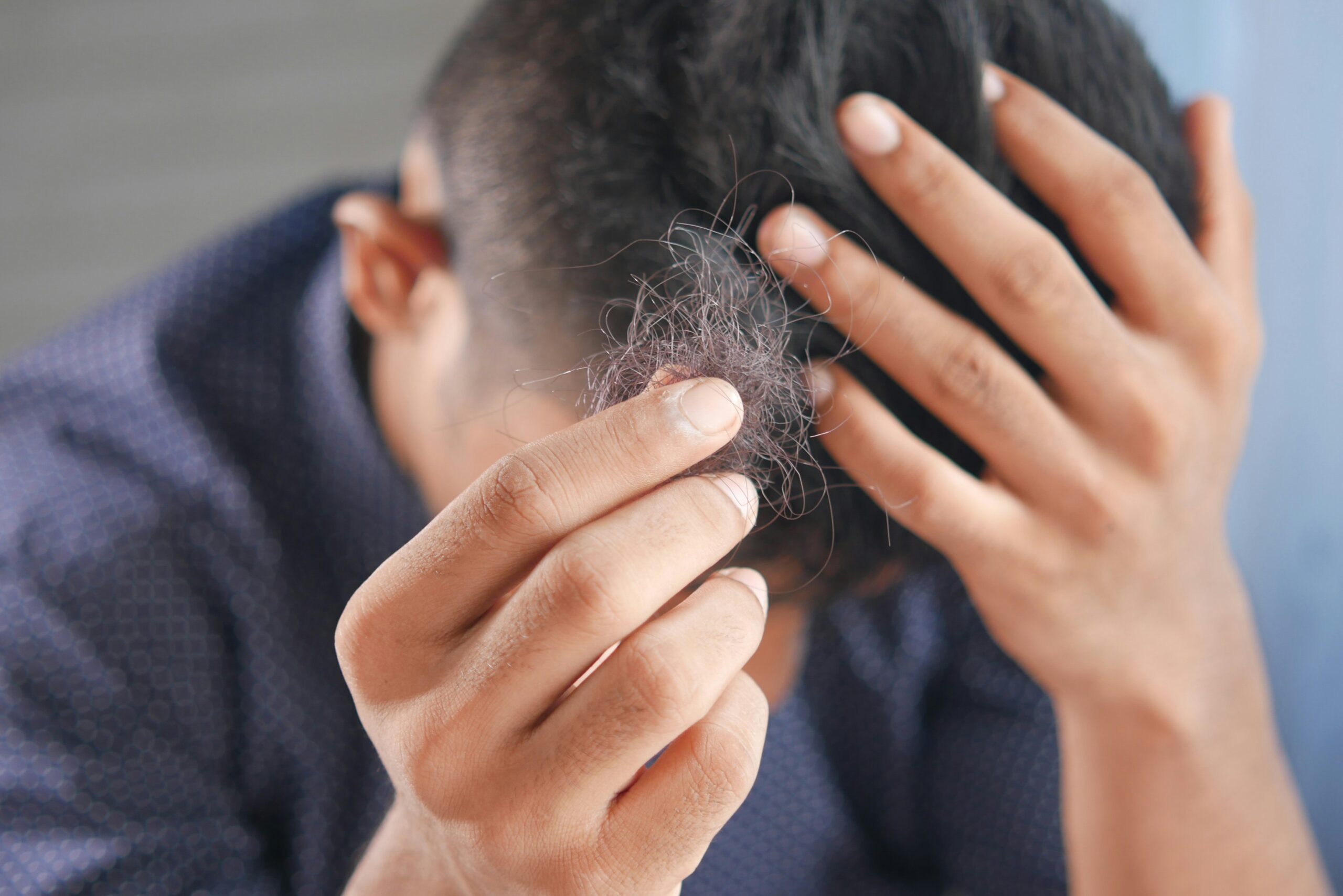
 Noticing thinning hair often leads straight to questions about transplants, yet many people in the early stages are not ready for surgery, and some may never need it. Among the non-surgical options, the PRP hair loss treatment Toronto patients are offered uses something unusual as its main ingredient: a small amount of their own blood. Knowing how the treatment works, who it tends to suit, and what a full course involves makes it easier to decide whether it belongs in a personal hair loss plan.
What PRP Is and How It Works
PRP stands for platelet-rich plasma. Platelets are tiny components of the blood that help the body repair itself, and they carry natural growth factors that support healing. The idea behind PRP is to collect those platelets, concentrate them, and place them in the scalp, where they may help weakened hair roots grow stronger, thicker hair.
The main ingredient comes from the patient’s own body, which is one of the key reasons people find PRP appealing, particularly those who would prefer to start with a gentle, low-risk approach before considering anything more involved.
Who Tends to Be a Good Fit
The PRP hair loss treatment Toronto patients ask about works best when the hair roots are still active, even if the hair they produce has become thinner or finer. In practical terms, this usually means people in the earlier stages of hair loss, or those whose hair is thinning across an area rather than completely gone from it. Once a part of the scalp has been smooth and bald for a long time, there is generally little left for PRP to work with.
The treatment is typically considered for non-scarring types of hair loss, including pattern hair loss in men and women and telogen effluvium, the temporary shedding that can follow stress, illness, or a major life change. It is less suitable for hair loss caused by scarring of the scalp, which is why the cause of the thinning should be confirmed before any treatment begins. A physician can usually work this out through a scalp examination and a review of health and family history.
PRP can suit both men and women. Women often experience thinning spread evenly across the top of the head rather than a receding hairline, and because this kind of thinning usually leaves many active hair roots in place, it is one of the patterns where PRP is often considered. Men with early thinning at the crown or temples may also be good candidates, particularly if they want to slow the process down before thinking about surgery.
What Happens during a Session
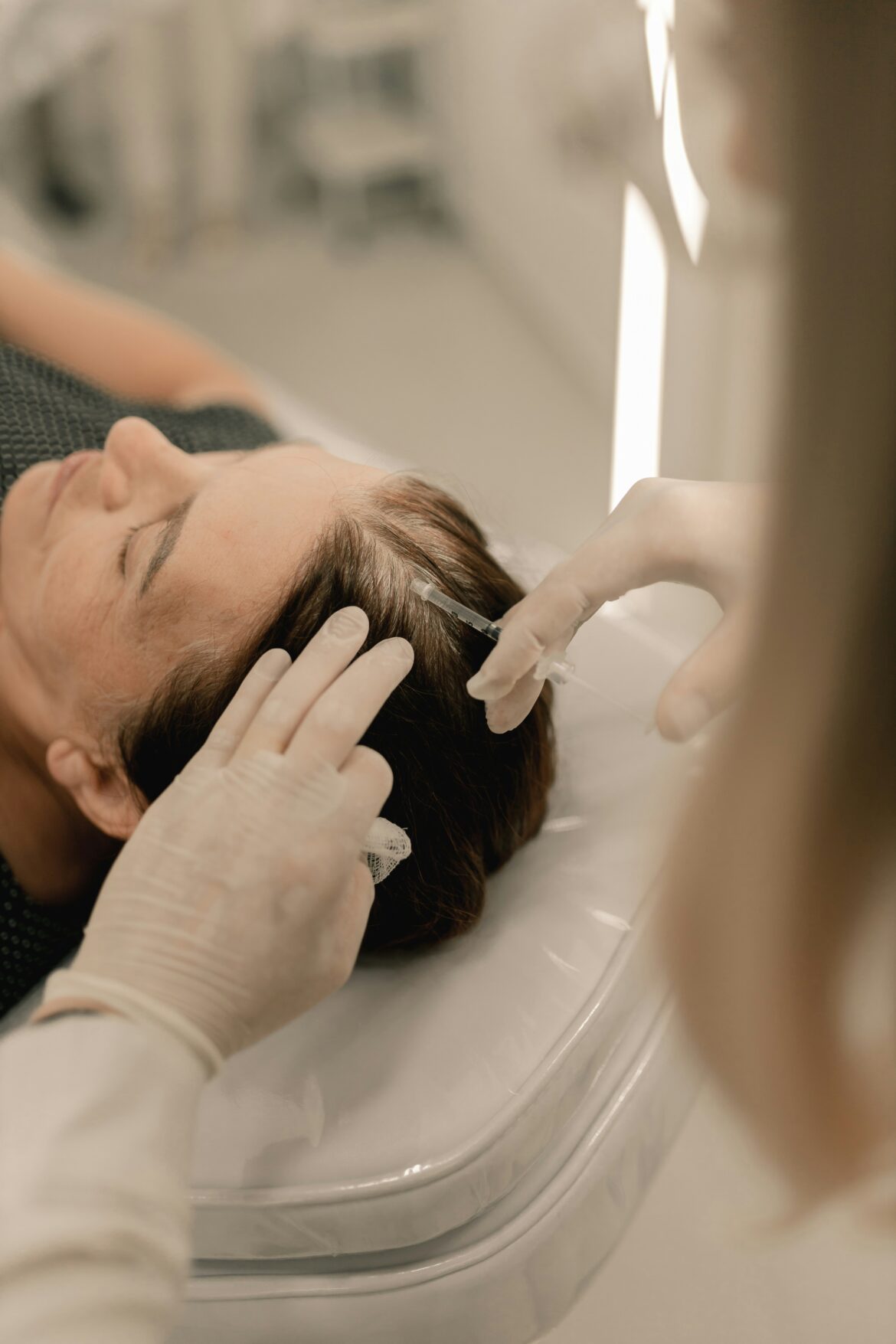
A PRP session starts much like a routine blood test. A small amount of blood is drawn from the arm and placed in a centrifuge, a machine that spins it quickly to separate the platelet-rich portion from the rest. That concentrated portion is then prepared for treatment while the scalp is cleaned and readied.
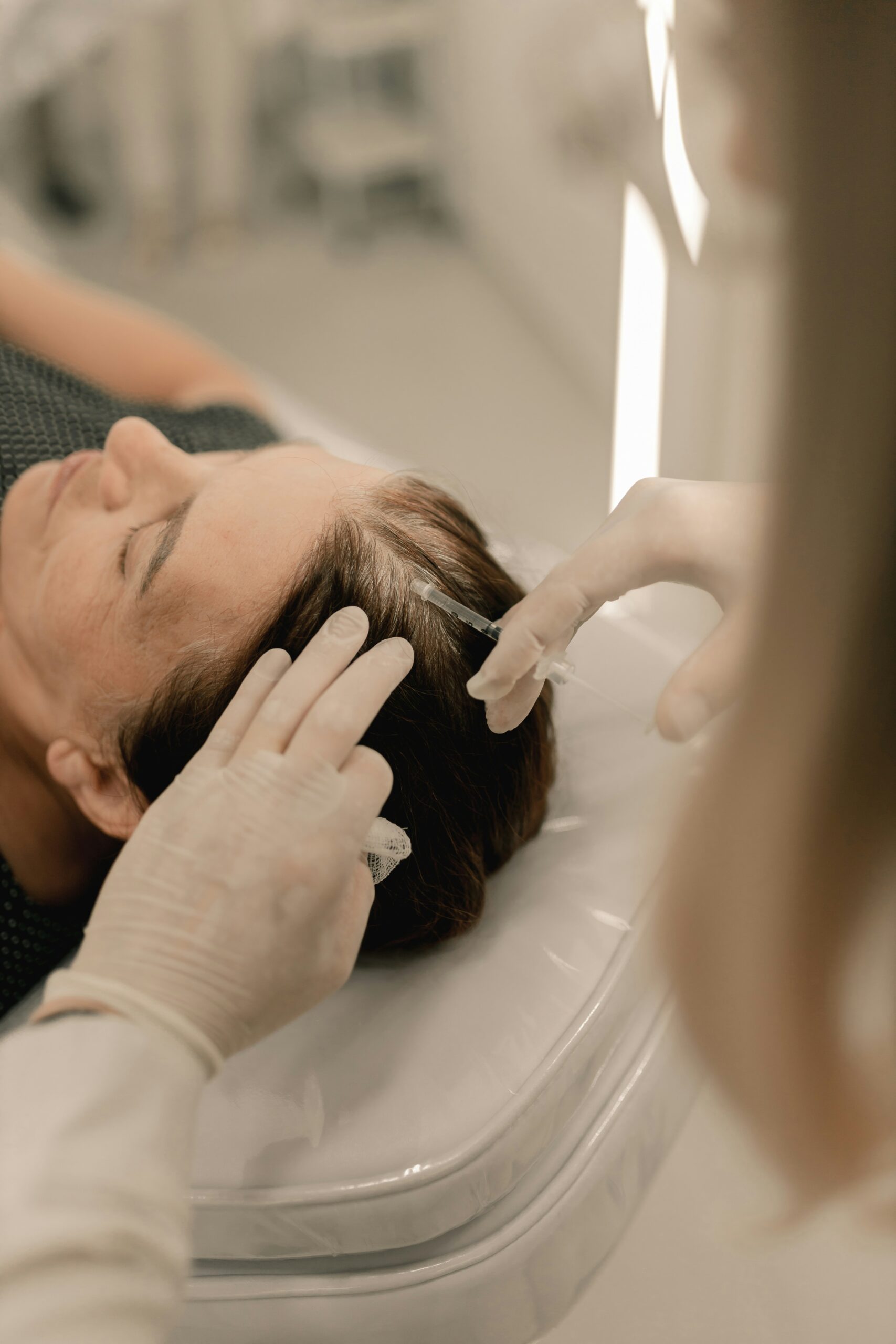
The PRP is placed into the scalp using a series of very small injections across the thinning areas. Many people describe the feeling as a brief stinging or pressure rather than sharp pain, and steps are usually taken to keep the scalp as comfortable as possible. A full appointment for the PRP hair loss treatment Toronto patients receive typically takes about forty-five minutes to an hour from start to finish.
There is little to no downtime to plan around afterward. Most people return to work and their usual routine the same day, though the scalp may feel slightly tender or look a little pink for a short time. Washing the hair and using styling products are often delayed until later that day or the next morning, depending on the aftercare instructions the physician gives.
How Many Sessions Are Needed
PRP is not a one-time treatment. Its effect builds gradually, so it is usually given as a series of sessions rather than a single appointment. At the Hair Transplant Centre Toronto, a minimum of six sessions spaced about four weeks apart is typically recommended, giving the scalp time to respond between visits.
Patience matters during this stage. Early changes, such as less shedding or hair that feels slightly thicker, often become easier to notice after the first three treatments, while a fuller picture tends to emerge toward the end of the course.
Keeping the Results Going
The results of any PRP hair loss treatment Toronto patients complete are not permanent on their own, because the underlying cause of pattern hair loss continues in the background. Once a course is finished, the improvement is usually maintained for six to twelve months, after which maintenance sessions once or twice a year help keep it in place. The exact schedule depends on how the hair responds, so it is usually reviewed at follow-up visits.
For many people, this makes PRP part of an ongoing routine rather than a single fix. Planning for occasional maintenance sessions from the start helps set realistic expectations and avoids disappointment if the hair begins to thin again after a long break from treatment.
How PRP and PRF Differ
 PRF, or platelet-rich fibrin, is a close relative of PRP. Both are made from the person’s own blood and both concentrate platelets, but PRF is spun at a lower speed. This gentler process may keep a broader mix of the body’s natural healing cells in the final preparation. The consultation is the right time to discuss which option suits a particular person, since both follow a similar session and maintenance pattern.
Combining PRP with Other Treatments
PRP does not have to be used alone. It is often combined with other non-surgical hair loss treatments, such as medication, to tackle thinning from more than one direction. For someone who is not yet ready for surgery, this combination can help hold on to existing hair for longer.
PRP can also be used alongside a hair transplant. Transplanted hair is moved from the back of the head and tends to last, but the existing hair around it may keep thinning over time. Treating that surrounding hair with PRP may help the overall result look fuller and more balanced. Anyone weighing the PRP hair loss treatment Toronto patients choose alongside surgery can discuss both options together during a single consultation, which makes it easier to plan the order and timing of each step.
Deciding Whether PRP Is the Right Starting Point
PRP suits people who want a low-downtime option, who still have active hair roots in the thinning areas, and who are comfortable committing to a course of sessions followed by occasional top-ups. It is not a replacement for a hair transplant where hair has already been lost completely, though it can be a useful first step or a helpful partner to surgery.
Searching for “PRP hair loss treatment Toronto” is a reasonable place to begin, but the most reliable way to know whether PRP makes sense for a specific case is a consultation that confirms the cause of the thinning, looks closely at the scalp, and maps out a realistic plan. With that foundation in place, PRP can be judged on what it is designed to do: support the hair that is still there and help it stay stronger for longer.
Written by media@blogmanagement.io