
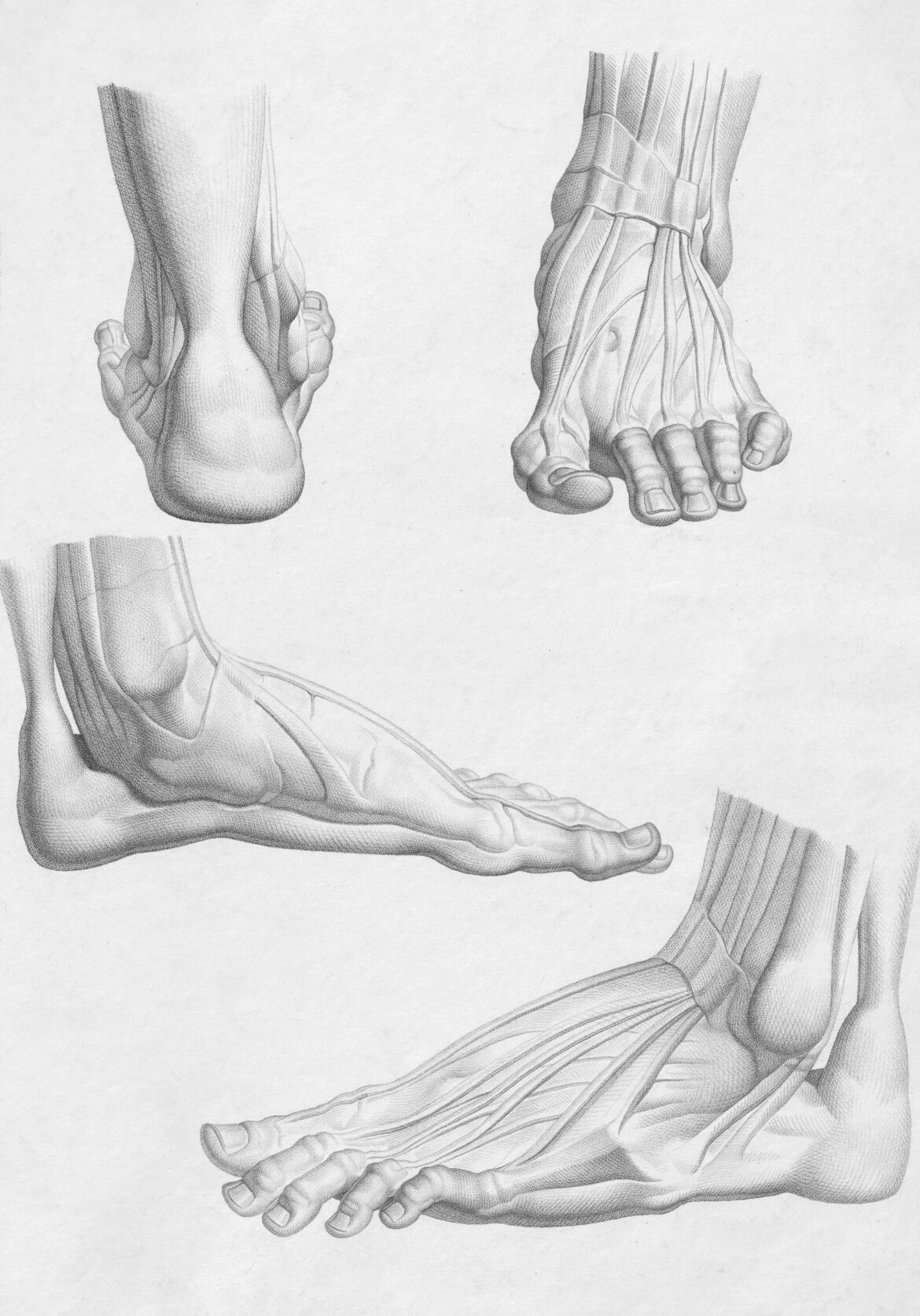
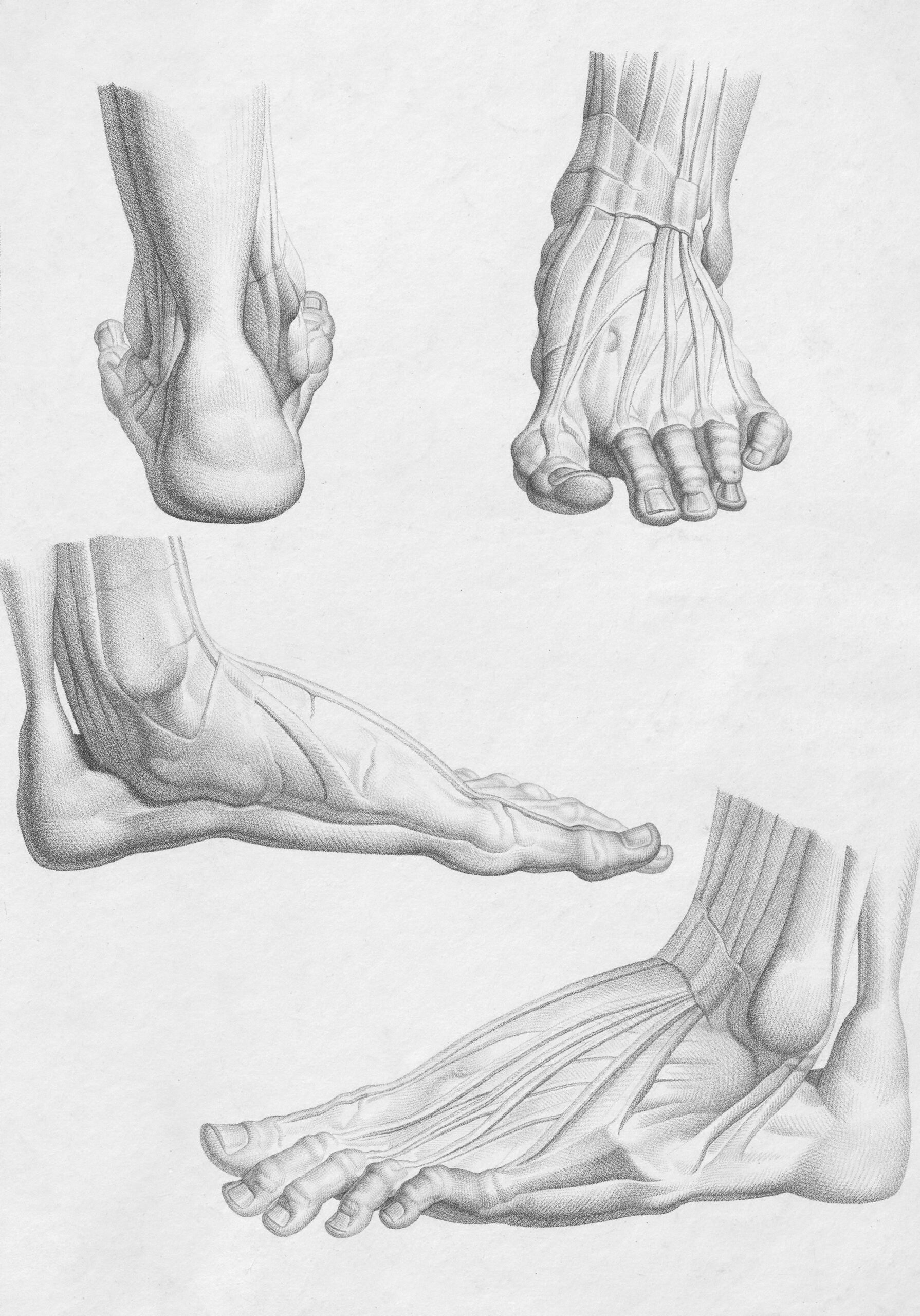
 Corns and calluses are the body’s way of protecting skin from repeated pressure and friction. The outer layer of skin thickens where force is concentrated, building a tough, protective pad. In small amounts this is harmless. But when the pressure continues, the thickened skin can become painful, crack or, in people with diabetes, lead to ulcers.
Understanding the mechanics behind them is the key to treating them well and keeping them from coming back.
Calluses vs. corns
Calluses are broad, flat areas of thickened skin, usually on the weight-bearing parts of the foot: the ball of the foot under the metatarsal heads, the heel, and the side of the big toe. They spread the load over a wider area.
Corns are smaller, deeper and more focused. A hard corn has a dense central core that presses into the deeper layers of skin, which is why it can feel like a stone in the shoe. Hard corns usually form on the tops of toes and the outside of the little toe. Soft corns form between the toes, where moisture keeps them rubbery.
The mechanics behind them
Every step loads the foot in a predictable pattern. When something changes that pattern, certain areas take more force than they should. Common causes include:
- Toe deformities: hammertoes and claw toes push the knuckles up into the shoe, creating corns on top of the toes.
- Bunions: a prominent big-toe joint rubs against footwear and shifts load across the forefoot.
- Dropped or prominent metatarsal heads: concentrate pressure under the ball of the foot.
- Tight calf muscles: limited ankle movement makes the forefoot work harder during push-off.
- High or flat arches: both change how pressure is spread across the sole.
- Thinning fat pad: with age, the natural cushioning under the forefoot and heel becomes thinner.
- Footwear: narrow toe boxes, high heels and thin soles concentrate pressure.
How clinicians treat them
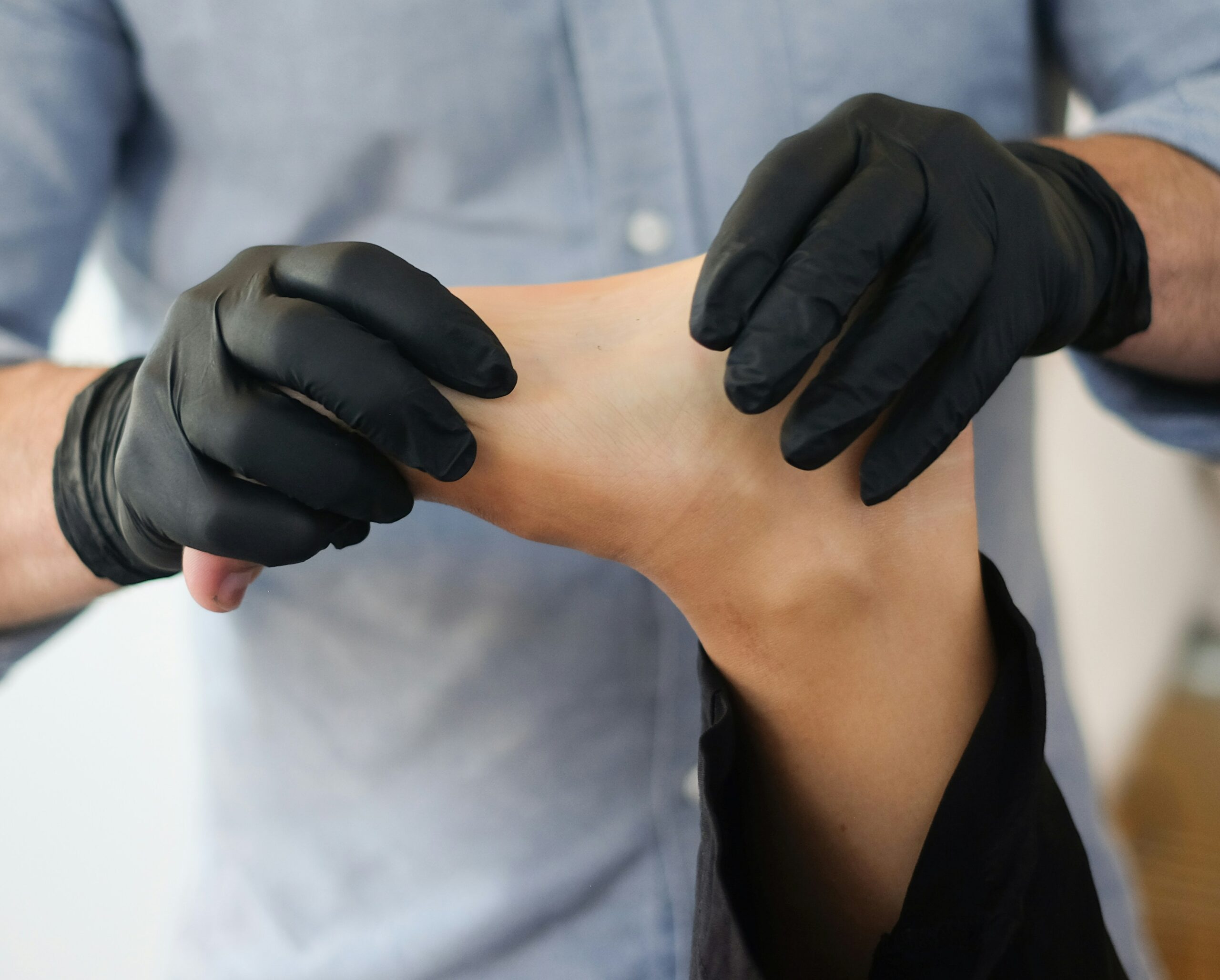 Treatment has two goals: relieve the pain now, and reduce the pressure that causes it.
A podiatrist first reduces the thickened skin. Calluses are pared down with a scalpel or smoothed with a rotary instrument. Corns are carefully enucleated, which means the hard central core is removed. Many clinicians finish with fine rotary instruments, using specialized callus and corn burs in coarse grits for reduction and fine grits to smooth the surface. Done well, the procedure is painless and the relief is often immediate.
The second part is mechanical. Padding, toe props and silicone separators take pressure off specific points. Custom or prefabricated insoles redistribute load across the sole. Stretching tight calf muscles and strengthening the small muscles of the foot can improve how the foot moves. Changing to shoes with a wide, deep toe box is often the single most effective change.
Why home remedies can be risky
Medicated corn plasters usually contain salicylic acid, which can burn healthy skin around the corn. They are not recommended for people with diabetes, poor circulation or fragile skin. Cutting corns at home with blades is also risky, because it is easy to cut too deep and cause an infection.
When to see a professional
See a podiatrist if a corn or callus is painful, keeps returning, bleeds or changes color, or if you have diabetes or circulation problems. In these cases, regular professional care and a look at the underlying mechanics will do far more than treating the skin alone.
Written by hassnainbusiness234@gmail.com