

The liver processes everything from pre-workout supplements to post-training meals, making it one of the most metabolically active organs in the body. For athletes and fitness enthusiasts pushing their physical limits, maintaining optimal liver function isn’t just about detoxification—it’s about sustaining performance, recovery, and long-term health.
Serrapeptase, a proteolytic enzyme originally isolated from silkworms, has emerged in recent years as a supplement of interest for those concerned with inflammation, tissue repair, and metabolic health. While research into its effects on liver function remains limited, preliminary evidence suggests this enzyme may offer benefits worth examining, particularly for individuals whose training demands place consistent stress on hepatic processes.
The Liver’s Role in Athletic Performance
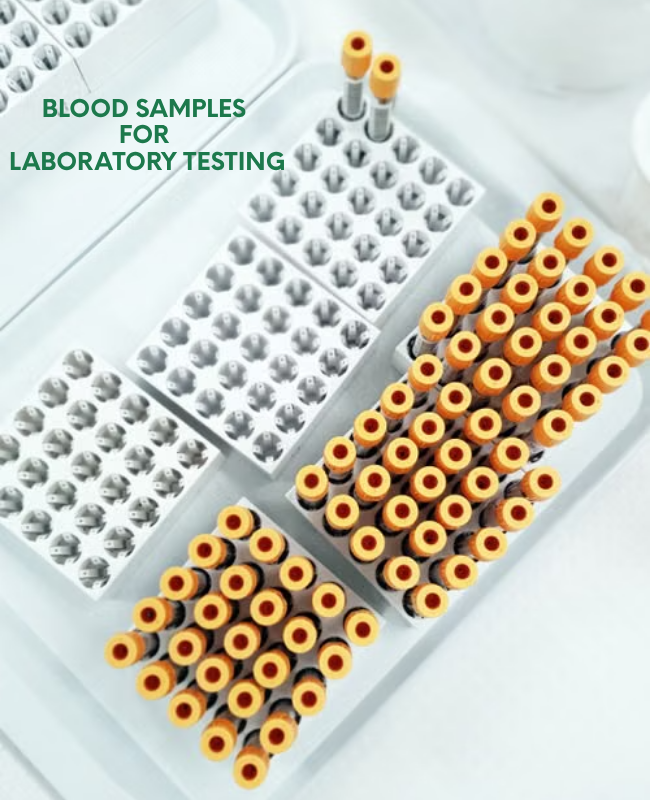
Understanding why liver health matters begins with recognizing what this organ actually does. The liver orchestrates hundreds of biochemical reactions daily, from glycogen storage and protein synthesis to hormone regulation and waste elimination. According to liver function testing protocols, clinicians assess hepatic health through several key biomarkers:
- Alanine aminotransferase (ALT): Elevated levels often signal hepatocellular injury
- Aspartate aminotransferase (AST): Measured alongside ALT to differentiate liver damage from muscle breakdown
- Alkaline phosphatase (ALP): Increases may indicate cholestasis or bone metabolism issues
- Bilirubin: Reflects the liver’s ability to process and excrete waste products
For athletes, these markers can fluctuate based on training intensity, supplement use, and dietary protein intake. Intense resistance training alone can temporarily elevate AST and ALT, making it crucial to distinguish between adaptive responses and genuine hepatic stress.
Biofilms, Candida, and Metabolic Health
Beyond direct liver effects, serrapeptase has attracted attention for its ability to disrupt biofilms—complex microbial communities that adhere to surfaces and resist conventional treatments. Research on bacterial biofilms in human physiology reveals how these structures can contribute to chronic infections and inflammatory conditions.
For athletes, gut health and microbial balance directly influence nutrient absorption, immune function, and systemic inflammation—all of which affect liver workload. Candida overgrowth, in particular, can produce metabolic byproducts that the liver must process, potentially adding to hepatic burden during periods of intense training.
Serrapeptase’s proposed ability to break down biofilm matrices may help address these microbial imbalances, though clinical evidence specific to Candida biofilms remains preliminary. The enzyme appears to work by degrading the extracellular polymeric substances that give biofilms their protective structure, potentially making pathogenic organisms more vulnerable to immune clearance.
Tissue Repair and Scar Management
Athletes frequently deal with soft tissue injuries, surgical interventions, and the accumulated microtrauma of repetitive training. Scar tissue formation, while a natural part of healing, can sometimes lead to adhesions, reduced range of motion, and chronic discomfort.
Serrapeptase’s proteolytic activity targets fibrin, a protein central to clot formation and scar development. By breaking down excess fibrin deposits, the enzyme may help:
- Reduce scar thickness and rigidity following injury or surgery
- Minimize adhesion formation in connective tissue
- Support more complete tissue remodeling during the healing process
- Decrease localized inflammation around injury sites
Safety Considerations and Potential Interactions
While serrapeptase generally demonstrates a favorable safety profile in clinical studies, several considerations warrant attention, particularly for individuals with existing liver concerns or those taking multiple supplements.
Reported side effects include:
- Gastrointestinal disturbances: Nausea, bloating, or loose stools in some users
- Allergic reactions: Rare but documented cases of hypersensitivity
- Bleeding risk: Theoretical concern due to fibrinolytic activity, particularly relevant for those on anticoagulants
- Immune modulation: Potential interactions with immunosuppressive medications
Anyone considering serrapeptase—especially those with diagnosed liver conditions, bleeding disorders, or upcoming surgical procedures—should consult with a healthcare provider before beginning supplementation. The enzyme’s effects on drug metabolism and potential interactions with common medications used by athletes (NSAIDs, blood thinners, certain antibiotics) require professional evaluation.

Practical Integration for Training and Recovery
For fitness enthusiasts interested in exploring serrapeptase as part of a comprehensive health strategy, whether through Liver Medic, PureHealth Research, or Amy Myers MD, several practical considerations can optimize potential benefits:
- Timing matters: Take serrapeptase on an empty stomach, typically 30-60 minutes before meals or two hours after, to maximize systemic absorption rather than digestive activity
- Start conservatively: Begin with lower doses to assess individual tolerance before increasing to therapeutic ranges
- Monitor response: Track subjective markers like recovery quality, inflammation levels, and digestive comfort
- Support with nutrition: Emphasize liver-supportive foods including cruciferous vegetables, sulfur-rich alliums, and adequate protein for hepatic repair
- Consider cycling: Some practitioners recommend periodic breaks from enzyme supplementation rather than continuous use
The Bigger Picture: Liver Health as Performance Foundation
Serrapeptase represents just one tool in a much larger framework of hepatic support. The liver’s resilience and regenerative capacity are remarkable, but they’re not unlimited. Athletes who prioritize liver health through multiple channels—adequate hydration, strategic supplementation, moderate alcohol intake, careful medication use, and regular monitoring—create a foundation for sustained performance.
The enzyme’s potential to reduce systemic inflammation, support tissue repair, and possibly assist with microbial balance aligns with these broader goals. However, it should complement, not replace, fundamental practices like adequate sleep, stress management, and periodized training that prevent excessive physiological burden in the first place.
As research into serrapeptase continues to evolve, athletes and coaches should maintain realistic expectations while remaining open to emerging evidence. The supplement landscape constantly shifts as new studies clarify mechanisms, optimal dosing, and specific populations most likely to benefit from particular interventions.
Written by Callum Smith ( info@rightranker.co.uk)