
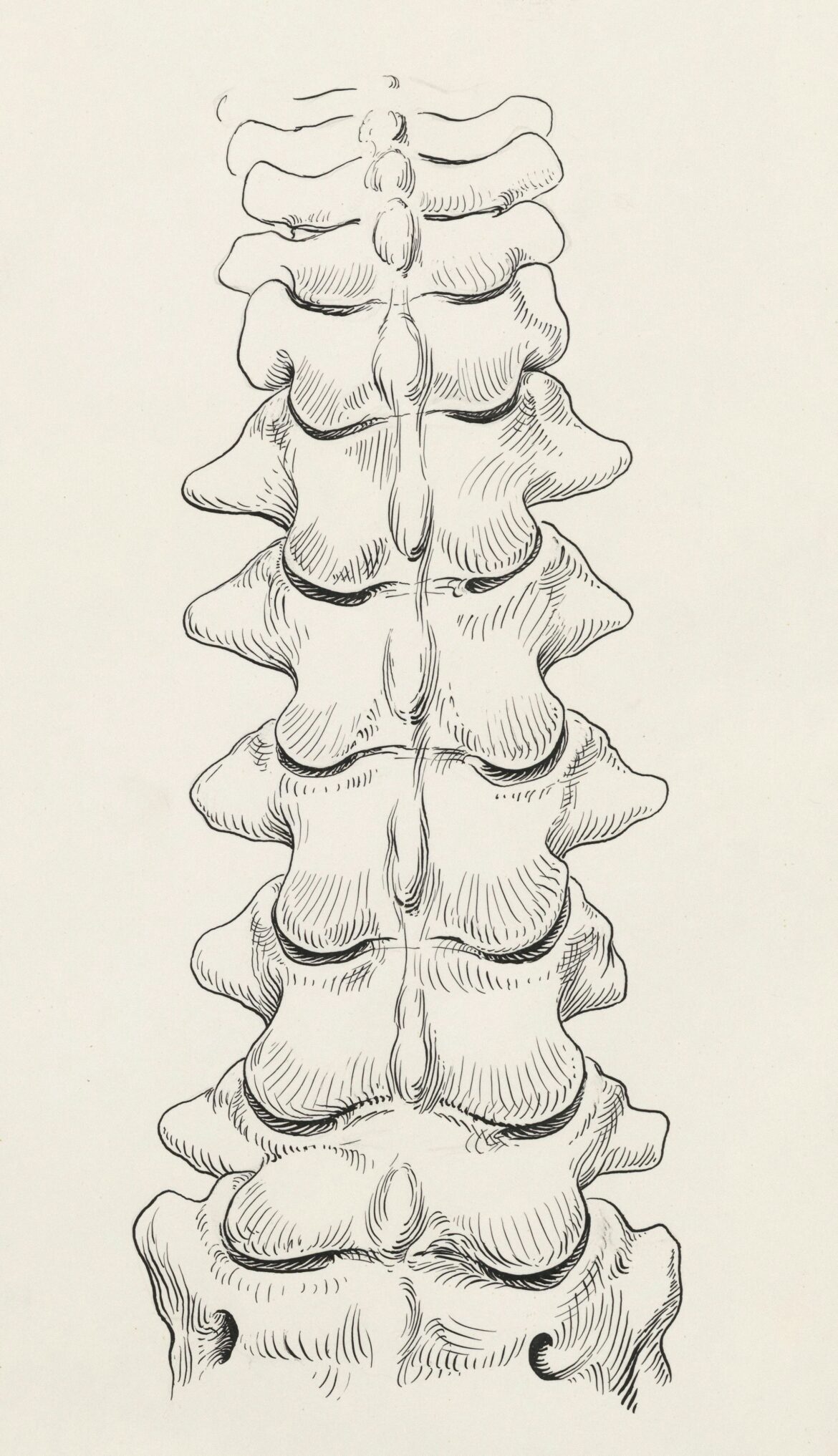
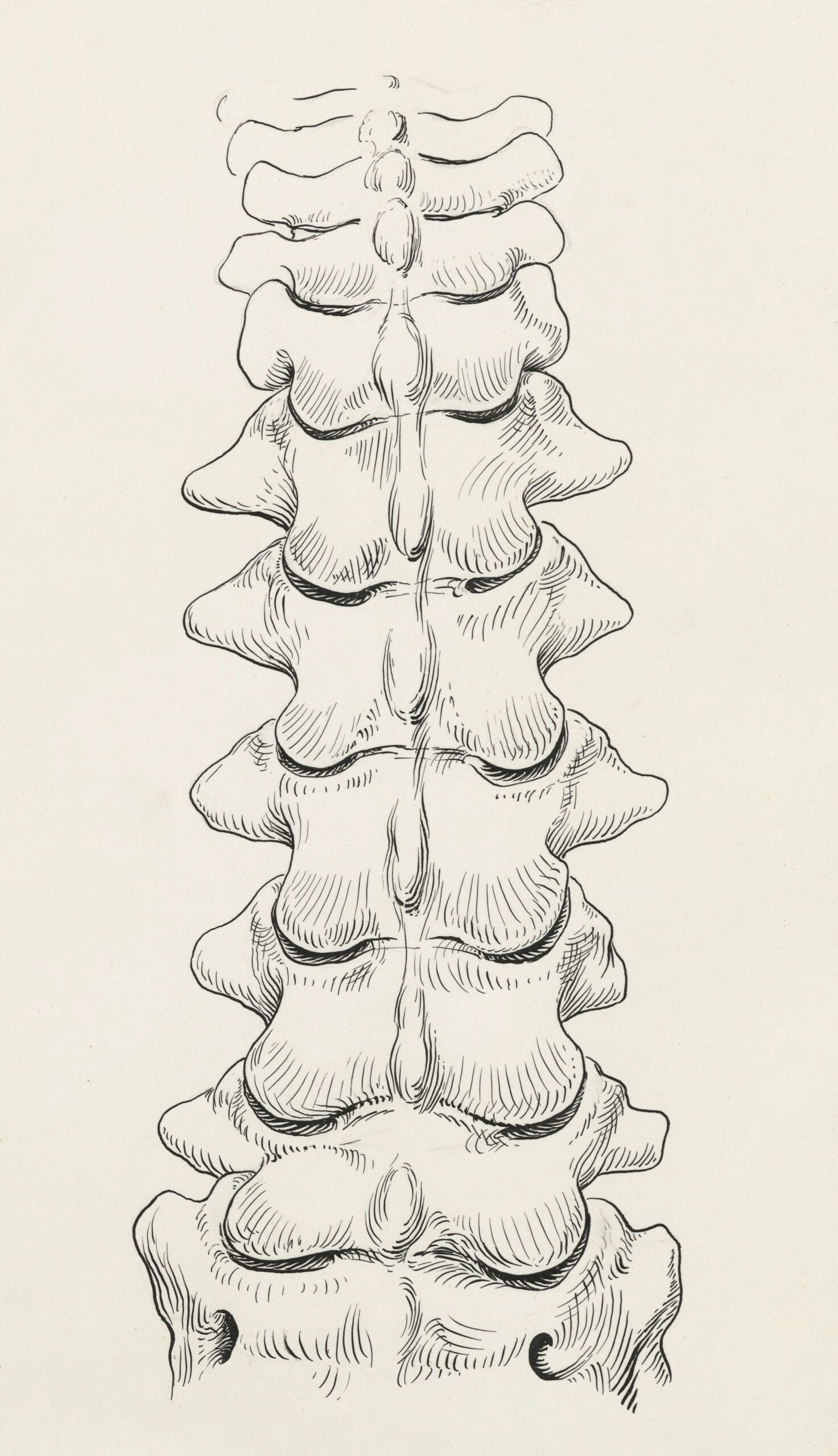
 The human spine is an intricate structure designed to balance two seemingly opposing requirements: stability and movement. It must support the weight of the body, protect the spinal cord and nerve roots, and accommodate everything from subtle changes in posture to the larger movements involved in walking, lifting and turning. Much of this flexibility comes from the coordinated interaction of the vertebrae, intervertebral discs, facet joints, ligaments and surrounding muscles.
When an intervertebral disc becomes damaged or degenerates, that balance can be disrupted. Some people experience persistent pain, restricted movement or symptoms associated with nerve compression, while others have visible degenerative changes on imaging without significant symptoms. For patients whose condition does not respond adequately to appropriate non-surgical treatment, surgery may eventually become a consideration.
Two procedures frequently discussed in this context are spinal fusion and artificial disc replacement. Although both can be used to treat selected spinal conditions, they approach the relationship between stability and movement in fundamentally different ways. Understanding those differences begins with the anatomy of a healthy spinal segment.
How Intervertebral Discs Support Spinal Movement
The intervertebral discs sit between most adjacent vertebrae, helping distribute mechanical loads and allowing controlled movement throughout the spine. Each disc consists of a fibrous outer structure, known as the annulus fibrosus, surrounding a hydrated central region called the nucleus pulposus. Together, these components contribute to the disc’s ability to accommodate compression, bending and other forces encountered during everyday activity.
Discs do not work independently. The facet joints help guide and limit movement, while ligaments and muscles provide additional support and control. The precise contribution of each structure varies between the cervical spine in the neck and the lumbar spine in the lower back, where the demands of mobility and weight-bearing are different.
As a disc degenerates, it may lose hydration, height or structural integrity. In some cases, this contributes to changes in how forces are distributed through the spinal segment. A damaged disc may also bulge or herniate, potentially irritating or compressing nearby nerves. However, degenerative changes are common with ageing and do not automatically indicate that surgery is necessary. Clinical symptoms, physical examination findings and imaging must be considered together before determining whether a disc is responsible for a patient’s condition.
When surgery is appropriate, the choice of procedure can have lasting implications for the way the treated spinal segment moves.
Spinal Fusion: Prioritising Stability
Spinal fusion is an established surgical approach designed to join two or more vertebrae into a stable bony structure. Depending on the condition being treated, a surgeon may remove a damaged disc, place a spacer or bone graft between the vertebrae, and use instrumentation to support the area while the bones heal together.
The defining characteristic of fusion is that movement at the treated level is intentionally eliminated once a solid fusion develops. This can be beneficial when abnormal movement, instability or particular structural problems contribute to the patient’s symptoms. Fusion may also be appropriate in situations where preserving motion would not provide a safe or reliable solution.
The effect on overall flexibility depends on the location and number of levels treated. A single-level fusion does not necessarily cause a dramatic loss of everyday mobility because neighbouring spinal segments can continue to move. Nevertheless, the distribution of movement across the spine changes when one segment becomes permanently immobile.
Researchers have examined whether these changes influence the development of problems at adjacent spinal levels. Following fusion, neighbouring discs and joints may experience altered movement or loading, although the relationship between these mechanical changes and subsequent degeneration is complex. Ageing, pre-existing disc disease and individual anatomy can also contribute to adjacent-segment problems.
These considerations helped drive interest in surgical approaches that could address a damaged disc without deliberately eliminating movement at the treated level.
Artificial Disc Replacement: Preserving Motion
Artificial disc replacement takes a different approach. Rather than encouraging two vertebrae to fuse, the surgeon removes the affected disc and implants a prosthetic device designed to maintain spacing and permit controlled movement between the adjacent vertebrae.
The objective is to preserve motion at the operated level while addressing the condition for which surgery is indicated. Depending on the device, the implant may incorporate different materials and mechanical designs intended to accommodate the movements and loads experienced in the cervical or lumbar spine.
For patients comparing these procedures, Dr. Todd Lanman’s guide to artificial disc replacement provides further information about the motion-preserving approach. The essential distinction from fusion is that one procedure is designed to maintain movement, while the other deliberately removes it at the treated segment. However, preserving motion does not guarantee restoration of normal spinal biomechanics, nor does it mean that disc replacement is appropriate for every patient.
The condition of the surrounding structures is particularly important. Healthy facet joints, suitable bone quality, appropriate spinal alignment and adequate stability may all influence whether an artificial disc can function as intended. Significant facet-joint degeneration, instability, osteoporosis or other anatomical factors may make disc replacement unsuitable.
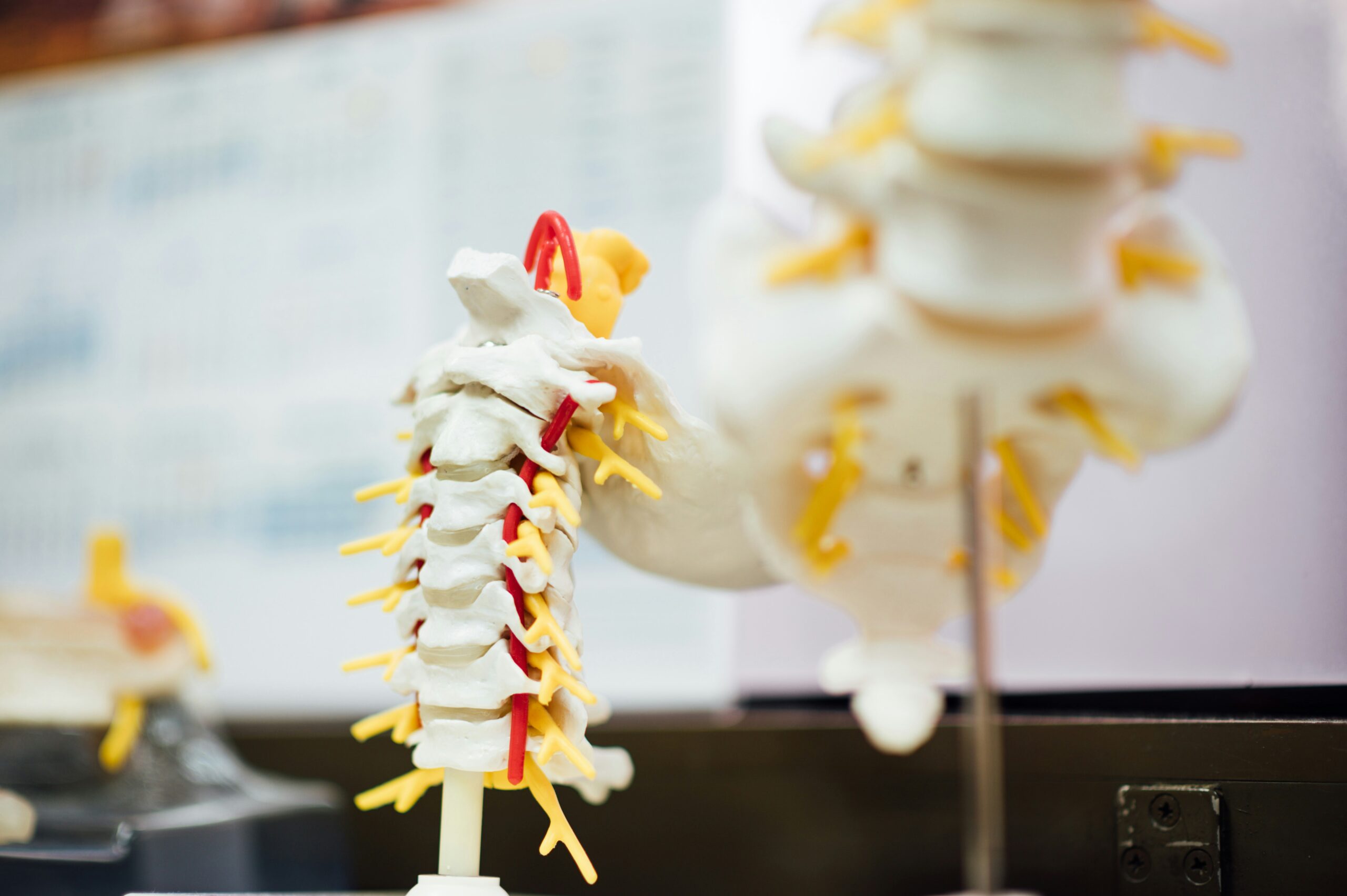
There are also important differences between cervical and lumbar artificial disc replacement. The cervical spine must accommodate a broad range of head and neck movements, whereas the lumbar spine carries substantial mechanical loads while contributing to trunk movement and stability. These differences affect implant design, surgical planning and patient-selection requirements.
What Motion Preservation Means for Long-Term Spinal Function
One of the main theoretical advantages of artificial disc replacement is the possibility of maintaining a more natural distribution of movement across the spine. By preserving motion at the operated level, the procedure may reduce some of the mechanical changes associated with fusion.
Clinical research has investigated whether this difference translates into meaningful benefits for patients. Studies involving selected cervical disc replacement devices and patient populations have reported favourable long-term outcomes, including preserved movement and, in some comparisons, lower rates of subsequent surgery than cervical fusion. However, these findings vary according to the implant, study design, treated levels and clinical circumstances.
It is also important to distinguish between adjacent-segment degeneration and adjacent-segment disease. Degeneration describes structural changes that may be visible on imaging, while adjacent-segment disease generally refers to clinically significant problems associated with neighbouring levels. Imaging changes do not always produce symptoms, and neither procedure can guarantee that future spinal problems will be avoided.
Evidence from cervical disc replacement should not automatically be applied to lumbar surgery. The anatomical demands, indications and available clinical evidence differ, and outcomes must be interpreted in the context of the specific procedure being considered.
Motion preservation is therefore best understood as one factor in surgical decision-making rather than an outcome that should be pursued at any cost.
Why Patient Selection Matters More Than the Technology
 Artificial disc replacement is sometimes discussed as a newer alternative to spinal fusion, but the age or sophistication of a surgical technique does not determine whether it is the right choice for an individual patient. The central question is which treatment most appropriately addresses the diagnosed condition while balancing potential benefits, risks and long-term considerations.
A patient with a damaged cervical disc causing nerve compression may be evaluated differently from someone with persistent lower back pain associated with lumbar disc degeneration. Similarly, a person with spinal instability or severe facet-joint arthritis may have different surgical requirements from someone whose surrounding spinal structures remain relatively healthy.
Before recommending an operation, a specialist may assess the relationship between symptoms and imaging findings, the condition of the facet joints, bone density, spinal alignment, previous treatment and the number of affected levels. The surgeon must also consider the specific implant’s approved indications and whether alternative treatments may be more appropriate.
Both procedures carry risks. Fusion may be associated with complications such as failure of the bones to unite, instrumentation problems or later symptomatic disease at adjacent levels. Artificial disc replacement introduces different considerations, including implant migration, subsidence, unwanted bone formation around the implant, persistent symptoms and the possibility of revision surgery. General surgical risks, including infection and neurological injury, also require discussion.
For some patients, fusion remains the more appropriate option because stability is the primary objective. For others, artificial disc replacement may offer a way to address the affected disc while retaining movement at the treated level. The best decision depends on the patient’s diagnosis and anatomy rather than a general preference for one procedure.
A More Individualised Approach to Spine Surgery
The development of motion-preserving spinal procedures reflects a broader interest in understanding how surgery affects the spine as a functioning mechanical system. Relieving symptoms remains essential, but surgeons also consider how a procedure may influence alignment, stability, movement and neighbouring structures over time.
This approach is particularly relevant to patients who want to understand the long-term implications of surgery. Someone considering treatment should feel comfortable asking why a particular procedure has been recommended, whether motion preservation is realistic in their case and what evidence supports the expected outcome.
It is equally important to recognise that many spinal conditions can be managed without surgery. An operation should be considered only when the diagnosis, symptoms, clinical findings and individual circumstances support it.
Ultimately, artificial disc replacement and spinal fusion are not competing solutions to every spinal problem. They are different techniques designed to achieve different mechanical and clinical objectives. Fusion prioritises stability by eliminating movement at the treated level, while artificial disc replacement seeks to preserve movement in appropriately selected patients.
Understanding that distinction provides a more useful foundation for treatment decisions than assuming that preserving motion is always preferable or that fusion is inherently outdated. The goal is not simply to maintain the greatest possible range of movement, but to choose the approach most likely to address the patient’s condition safely and effectively.
Written by Lea Collins (lea@sapurex.com)