

* This podcast is AI-generated. I offer it to you because it presents the content in a casual conversational way. I hope you enjoy listening to it… and learn. 😊
– Dr. Joe Muscolino .
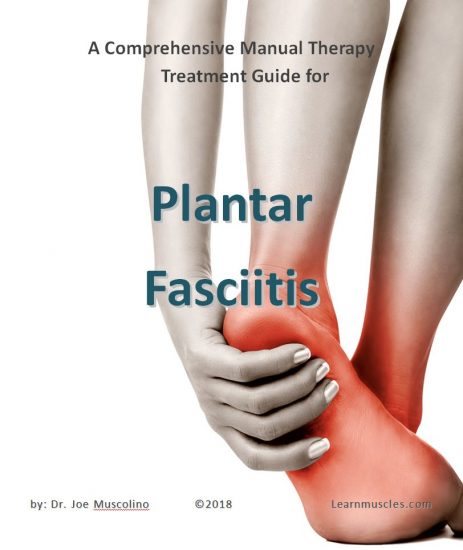
Purchase the E-booklet HERE.
To access complete education content on the Achilles Tendon Disorder
CLICK HERE!
Study Guide
Quiz
Instructions: Answer each question in 2-3 sentences.
- What is the primary function of the plantar fascia?
- Explain how excessive pronation contributes to plantar fasciitis.
- Besides overpronation, name three other factors that can increase the risk of developing plantar fasciitis.
- Describe the typical pain pattern experienced by individuals with plantar fasciitis.
- Why might the plantar fascia feel tight even though the condition is primarily caused by stretching forces?
- What are the key components of assessing a patient for plantar fasciitis?
- How can you differentiate plantar fasciitis pain from pain caused by other conditions?
- Outline the general manual therapy treatment approach for plantar fasciitis in the acute stage.
- How does the manual therapy approach change when treating chronic plantar fasciitis that has transitioned to collagen degeneration?
- What self-care measures can patients with plantar fasciitis implement to manage their condition?
Answer Key
- The plantar fascia supports the arch of the foot and helps to maintain its structure during weight-bearing activities. It acts like a spring, absorbing shock and propelling the foot forward during gait.
- Excessive pronation stretches the plantar fascia beyond its normal range, causing microtears and inflammation. This repeated stress leads to pain and the development of plantar fasciitis.
- Factors like high-impact activities, obesity, inappropriate footwear (high heels or shoes without arch support), prolonged standing, and tight calf muscles can increase the risk of plantar fasciitis.
- Pain is typically felt on the underside of the heel, especially in the morning or after periods of rest. The pain often worsens with weight-bearing activities like walking or running.
- The plantar fascia can feel tight due to the inflammation and the protective muscle guarding that occurs in response to pain. Additionally, fascial adhesions can develop over time, further restricting movement and contributing to the sensation of tightness.
- Assessment includes: taking a detailed history of the patient’s symptoms; visually inspecting the foot for signs of overpronation or other structural abnormalities; palpating the plantar fascia for tenderness, tightness, and trigger points; and assessing the range of motion and flexibility of the foot and ankle.
- Plantar fasciitis pain is typically localized to the heel and worsens with weight-bearing, particularly in the morning. Other conditions like nerve entrapment, stress fractures, or tendonitis can cause similar pain, so careful examination and differential diagnosis are crucial.
- In the acute stage, treatment focuses on reducing inflammation with RICE (rest, ice, compression, elevation) and gentle manual therapy techniques like effleurage to promote lymphatic drainage.
- Chronic cases with collagen degeneration require a shift towards deeper, more vigorous soft tissue manipulation, like cross-fiber friction, to stimulate tissue repair and break down adhesions. Heat therapy may also be applied to improve tissue extensibility.
- Patients can manage their condition with self-massage using a foam roller or ball, stretching the plantar fascia by dorsiflexing the foot and pulling the toes towards the shin, and wearing supportive footwear with good arch support.
Essay Questions
- Discuss the biomechanics of the foot and ankle during the gait cycle, explaining how these movements impact the plantar fascia.
- Explain the relationship between plantar fasciitis and heel spurs, and describe how both conditions are managed in manual therapy.
- Critically evaluate the role of manual therapy in addressing overpronation as a contributing factor to plantar fasciitis.
- Compare and contrast the medical and manual therapy approaches to treating plantar fasciitis, discussing the advantages and disadvantages of each.
- Develop a comprehensive treatment plan for a patient with chronic plantar fasciitis, incorporating both manual therapy techniques and self-care recommendations.