
Healthcare is constantly evolving, with new treatments, medical technologies, and research findings emerging regularly. Nurses and other healthcare professionals must stay informed to provide effective, safe patient care. Keeping up with advancements ensures that medical practices remain up to date, ultimately improving outcomes.
Ongoing education plays a crucial role in professional development. It helps healthcare workers refine their skills, adapt to new challenges, and enhance their ability to make informed clinical decisions.
This article explains why continuous education is essential for healthcare professionals.

Keeping Pace with Rapid Medical Advancements
The medical field is progressing rapidly, constantly introducing new discoveries and treatment methods. Healthcare professionals must be aware of the latest changes, from updated medication guidelines to advanced surgical techniques, to provide high-quality care. Continuous education allows nurses to learn about innovative procedures, breakthrough medications, and emerging healthcare practices. This ongoing development ensures that they can apply the best available knowledge when treating patients, leading to improved outcomes and enhanced safety. Staying informed about new research and evidence-based treatments is essential for maintaining a high standard of care.
Understanding Emerging Issues and Trends in Nursing
The nursing profession is changing, with new challenges and responsibilities shaping the way care is delivered. Factors such as the increasing demand for telehealth, a growing focus on mental health support, and advancements in specialized nursing fields require nurses to remain knowledgeable about current industry trends. Nurses must also be aware of issues and trends in nursing to better address patient needs and industry shifts. The rise of remote monitoring, personalized medicine, and the need for improved workplace conditions are all critical topics. Rockhurst University’s blog discusses that nurses who expand their expertise in gerontology, leadership, and advanced practice nursing can enhance their career prospects and contribute to higher-quality care.
Improving Safety and Reducing Errors
One of the most important aspects of healthcare is ensuring patient safety. Medical errors, including medication mistakes, misdiagnoses, and procedural complications, can have severe consequences. Continuous education helps healthcare workers stay up to date with safety protocols, proper medication administration, and standardized procedures designed to minimize risks. By learning about new guidelines and best practices, nurses can prevent avoidable mistakes and provide more reliable care. Hospitals and healthcare institutions often implement updated safety measures based on research findings, making it necessary for medical professionals to stay informed. Keeping skills sharp and knowledge current plays a significant role in maintaining a safe environment for both patients and staff.
The Growing Role of Technology in Healthcare
Technology has transformed healthcare in many ways, from digital patient records to artificial intelligence-assisted diagnostics. Nurses and doctors increasingly rely on electronic health records (EHRs), telemedicine platforms, and automated medication dispensing systems to provide efficient care. To use these tools effectively, healthcare professionals must understand their functionality and potential benefits. Ongoing education helps nurses adapt and integrate new technologies into daily patient care.
Meeting the Needs of a Diverse Population
Modern healthcare settings serve patients from various cultural, ethnic, and socioeconomic backgrounds. Each patient brings unique perspectives, beliefs, and medical concerns that must be considered when providing treatment. Nurses can offer more personalized and inclusive care by continuously updating their knowledge of cultural competency and healthcare disparities. Understanding different health traditions, dietary restrictions, and language barriers allows medical professionals to build trust and improve communication.
Career Growth and Professional Development Opportunities
Expanding knowledge in the healthcare field opens doors to career advancement. Nurses and other medical professionals who invest in ongoing education can qualify for higher positions, such as nurse practitioners, clinical specialists, or healthcare administrators. Many advanced roles require additional certifications or degrees, which are only possible through continuous education. Employers often prefer professionals who stay updated on industry changes, as it demonstrates a commitment to providing high-quality care. Improving expertise in specialized areas like critical care, pediatrics, or gerontology can also lead to better job opportunities and increased job satisfaction. Developing new skills allows healthcare workers to expand their roles, take on leadership positions, and contribute more effectively to patient care.
Compliance with Regulatory and Certification Requirements
Healthcare professionals must meet strict regulatory and licensing requirements to ensure safe and effective medical care. Laws, guidelines, and best practices frequently change, requiring professionals to stay updated with the latest standards. Regular training and certification programs help healthcare workers remain compliant with industry regulations and avoid legal or ethical issues. By keeping up with mandatory requirements, medical professionals can continue working without interruptions while maintaining high standards in patient care.
Enhancing Soft Skills for Better Communication
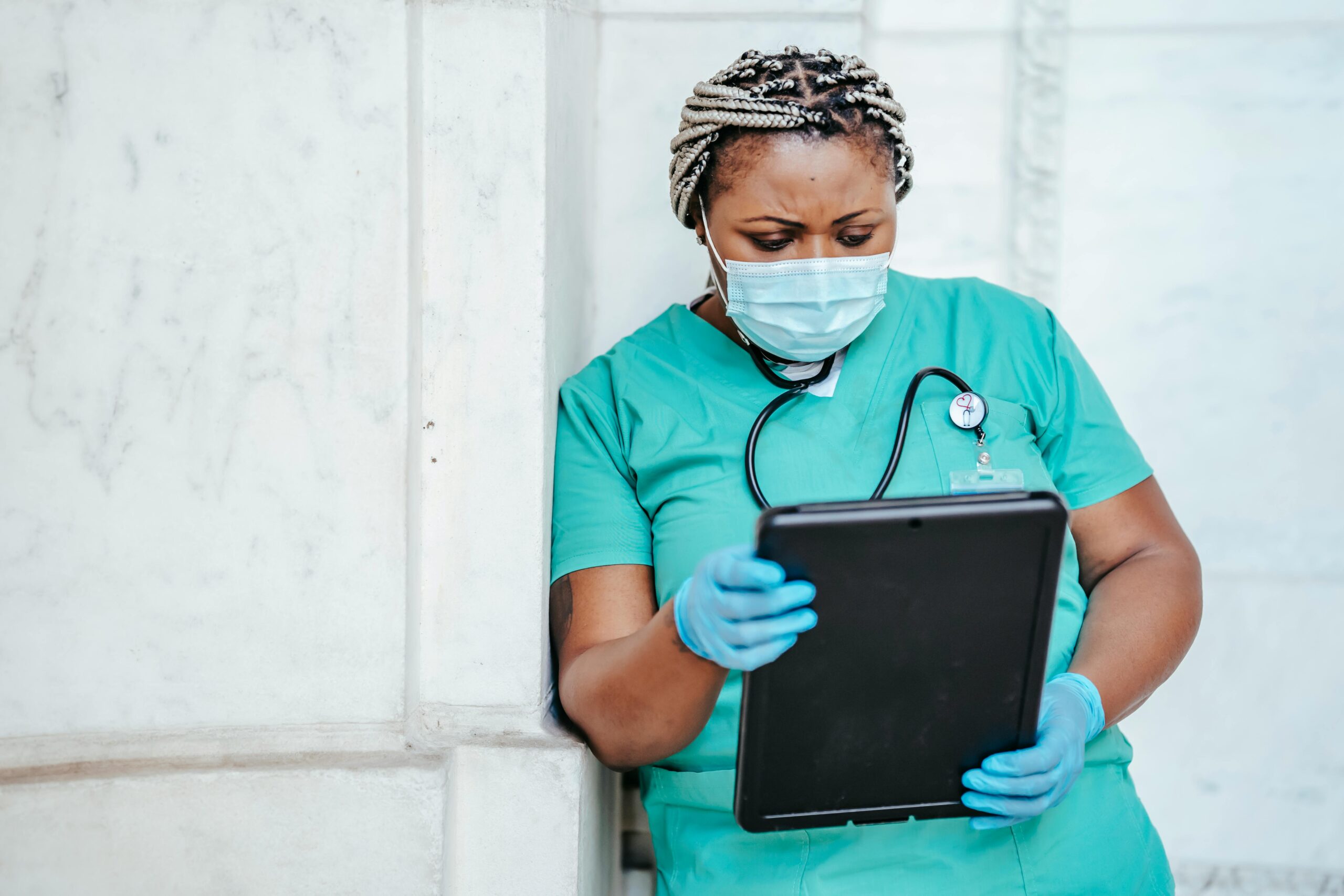
Effective communication is an essential part of providing quality healthcare. Patients need to feel heard, understood, and respected during their medical visits. Continuous training in soft skills such as active listening, empathy, and teamwork helps healthcare professionals interact more effectively with patients and colleagues. Good communication also reduces misunderstandings and improves patient satisfaction. Nurses who are skilled in explaining medical conditions and treatment options can help patients make informed decisions about their health. Additionally, strong interpersonal skills create a positive work environment, leading to better collaboration among healthcare teams.
Evidence-Based Practice and Its Impact on Healthcare
Healthcare decisions should always be based on the latest research and scientific evidence. Evidence-based practice (EBP) ensures that medical professionals use proven methods to diagnose and treat patients. New studies constantly provide updated information on diseases, treatments, and care strategies. By staying informed about current research, nurses and doctors can improve treatment outcomes and avoid outdated or ineffective practices. Keeping up with medical research allows healthcare providers to make informed clinical decisions, ultimately leading to better health and safety.
Combating Burnout and Boosting Job Satisfaction
Burnout is a significant issue in the healthcare industry, affecting nurses, doctors, and other professionals. Long working hours, high patient loads, and emotional stress contribute to fatigue and job dissatisfaction. Continuous professional development can help combat burnout by keeping medical professionals engaged and motivated. Learning new skills or advancing in a career can bring a sense of accomplishment and purpose. Healthcare workers who actively seek opportunities for growth are more likely to stay passionate about their work, leading to better care and a healthier work-life balance.
Continuous improvement is essential for delivering high-quality patient care. Healthcare professionals must stay updated on medical advancements, new technologies, and best practices to provide the best possible treatment. By prioritizing continuous education, healthcare workers can maintain high standards and deliver exceptional care to every patient they serve.
Written by elizagoodjeffrey@gmail.com