
Recovery is a crucial yet often overlooked component of athletic performance. While training and competition push the body to its limits, proper recovery ensures that athletes can maintain peak performance and avoid long-term injuries. Traditional methods like rest, stretching, and ice baths have long been staples of recovery, but many athletes are now turning to alternative techniques to enhance healing, reduce soreness, and improve overall well-being.
With advancements in sports science and holistic health, a variety of unconventional recovery methods have gained popularity. From cryotherapy to natural supplements and compression therapy, these approaches offer promising benefits that go beyond conventional recovery practices. Whether an athlete is looking to speed up muscle repair, reduce inflammation, or simply optimize their body’s recovery process, exploring alternative methods can be a game-changer.
In this article, we’ll take a closer look at some of these alternative recovery methods, their potential benefits, and how they fit into a well-rounded recovery plan.
The Need for Effective Recovery
Athletes push their bodies to extreme limits, which can result in muscle fatigue, inflammation, and even injury if not properly managed. Intense training sessions create microscopic tears in muscle fibers, and while this is a natural part of the strengthening process, recovery is essential to allow the body to rebuild and grow stronger.
Without adequate recovery, athletes may experience decreased performance, chronic soreness, and a higher risk of overuse injuries. Over time, neglecting proper recovery can lead to burnout, extended downtime, and setbacks in progress. This is why professional and amateur athletes alike are now prioritizing innovative recovery techniques to keep their bodies in top condition.
By incorporating alternative recovery methods, athletes can optimize their physical and mental well-being, ultimately improving performance and longevity in their sport.
Alternative Recovery Methods Worth Considering
Cryotherapy
Cryotherapy, or cold therapy, has become increasingly popular among athletes seeking faster recovery. This treatment involves exposing the body to extremely low temperatures—typically through whole-body cryotherapy chambers or localized cryotherapy sessions—to reduce inflammation and promote muscle healing.
One of the key benefits of cryotherapy is its ability to constrict blood vessels, which helps decrease swelling and soreness after intense workouts. Once the body warms up post-treatment, blood flow increases, delivering oxygen and nutrients to the muscles more efficiently. Many athletes report feeling rejuvenated and experiencing a noticeable reduction in muscle pain after cryotherapy sessions.
While cryotherapy can be an effective tool, it’s important to use it safely. Sessions should be kept short (typically under three minutes), and individuals with certain health conditions, such as cardiovascular issues, should consult a professional before trying it.
Compression Therapy
Compression therapy is another effective recovery tool, widely used by athletes to enhance circulation and reduce muscle fatigue. This method involves wearing compression garments, such as socks, sleeves, or full-leg compression systems, to apply controlled pressure on specific muscle groups.
The main advantage of compression therapy is its ability to improve blood flow and lymphatic drainage, which helps flush out metabolic waste from muscles. This can lead to reduced swelling, faster recovery times, and even improved endurance. Some athletes also use advanced compression devices that provide intermittent pressure, further stimulating circulation and aiding in muscle repair.
To maximize benefits, athletes should choose high-quality compression gear designed for recovery purposes rather than generic tight-fitting clothing. Wearing compression garments after intense exercise, especially during travel or prolonged periods of inactivity, can also help prevent stiffness and soreness.
CBD and Natural Supplements
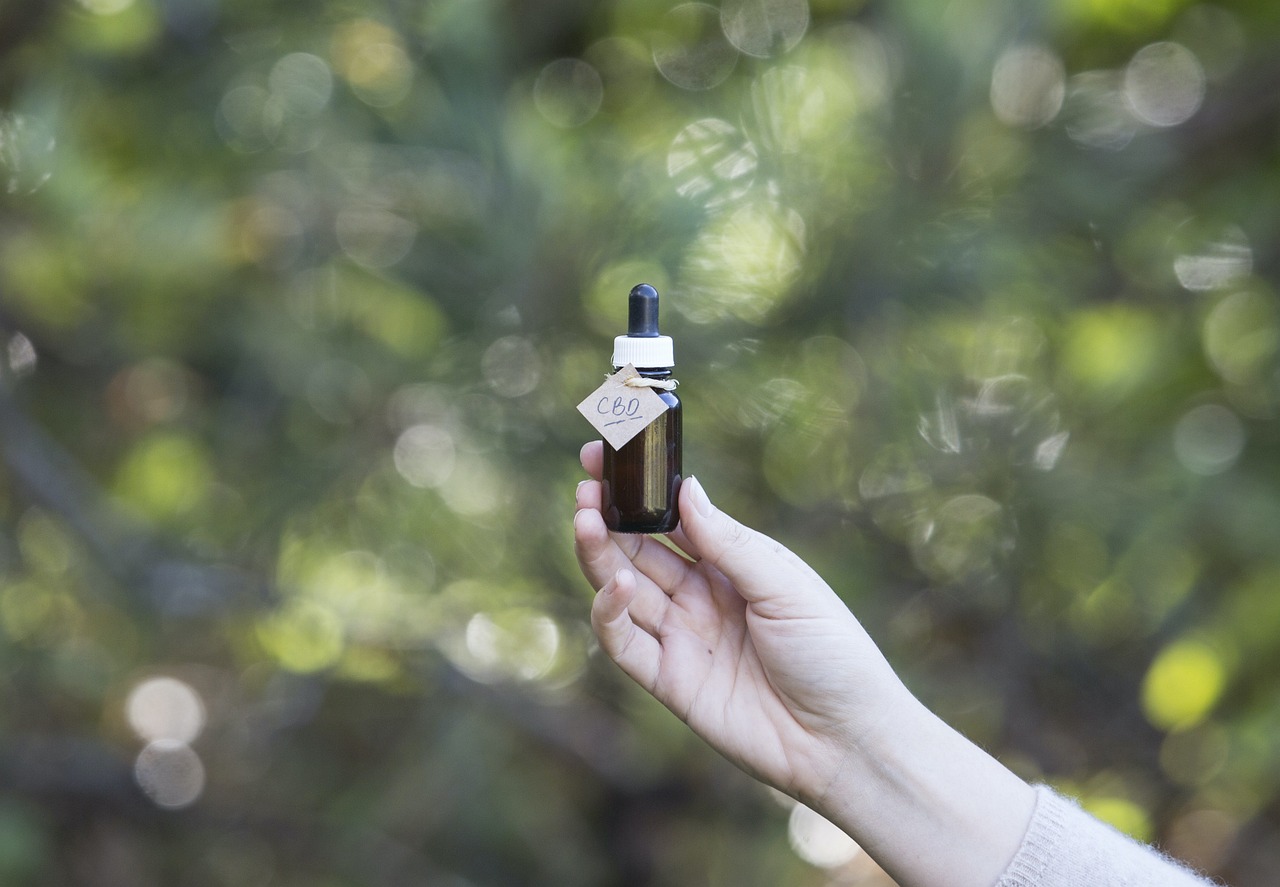
Natural supplements have gained significant attention in the athletic community for their potential role in recovery. Among them, CBD (cannabidiol) has become particularly popular for its reported ability to support muscle relaxation, alleviate discomfort, and promote overall recovery.
CBD is known for its interaction with the body’s endocannabinoid system, which plays a role in regulating pain, inflammation, and stress responses. Many athletes integrate CBD into their post-workout routine to help with muscle soreness, joint discomfort, and relaxation. Some also find that CBD supports better sleep quality, which is essential for muscle repair and overall recovery.
Beyond CBD, some athletes also turn to other natural supplements to support recovery. Ingredients like turmeric, magnesium, and omega-3 fatty acids are often used for their potential anti-inflammatory and muscle-relaxing properties. Adaptogenic herbs such as ashwagandha and Rhodiola may help with stress management and overall resilience, while collagen and amino acids contribute to muscle repair and joint health. While these supplements can complement a recovery routine, many athletes prioritize CBD for its versatility and targeted benefits in promoting relaxation, reducing discomfort, and enhancing post-workout recovery.
When exploring natural recovery options, some athletes turn to Primary Jane for their needs.
Although natural supplements can be beneficial, it’s important for athletes to research product quality, check for third-party testing, and ensure compliance with competition regulations. Consulting with a healthcare professional before adding new supplements to a recovery routine is also recommended.
Acupuncture and Traditional Chinese Medicine
Acupuncture, a key component of Traditional Chinese Medicine (TCM), has been used for centuries to promote healing and relieve pain. This technique involves inserting thin needles into specific points on the body to stimulate energy flow (Qi) and encourage natural healing processes.
For athletes, acupuncture can help reduce muscle tension, improve circulation, and accelerate recovery from injuries. Many also find it beneficial for alleviating chronic pain and enhancing relaxation. Some research suggests that acupuncture may influence the nervous system, triggering the release of endorphins and reducing inflammation, which can be particularly helpful after intense training sessions.
Mind-Body Techniques
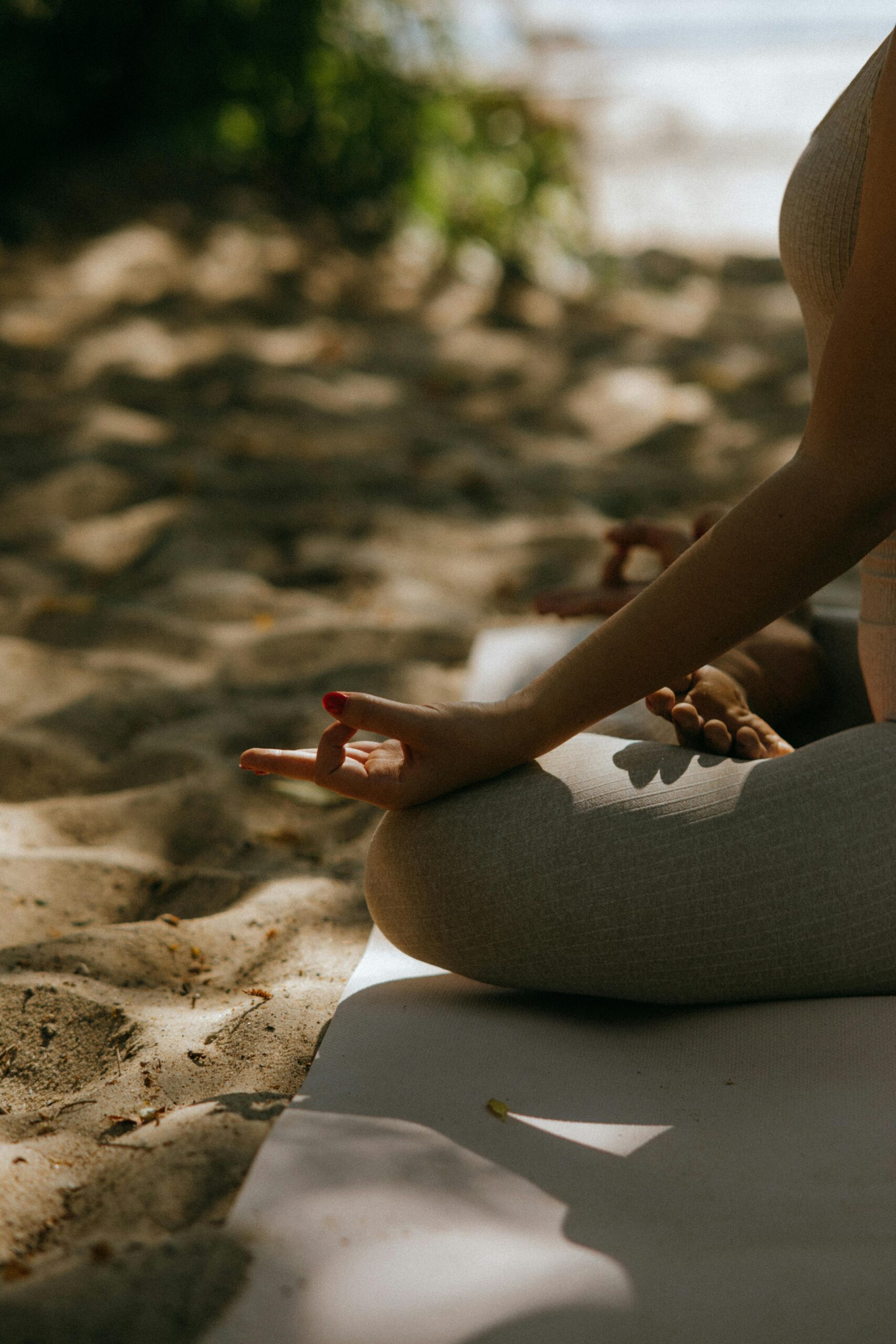
Recovery isn’t just about physical healing—it also involves mental and emotional well-being. Mind-body techniques such as meditation, breathwork, and mindfulness are becoming increasingly recognized for their role in athletic recovery.

Yoga is another effective mind-body recovery tool. It not only improves flexibility and mobility but also promotes relaxation and muscle recovery by increasing blood flow and reducing tension. Many elite athletes incorporate mindfulness practices into their daily routines to manage anxiety, improve sleep quality, and enhance their ability to stay present during competition.
Sleep Optimization
Sleep is one of the most powerful and natural recovery tools available to athletes. During deep sleep, the body releases growth hormones that aid in muscle repair, tissue regeneration, and overall recovery. Despite its importance, many athletes struggle with poor sleep due to training schedules, travel, or stress.
To optimize sleep quality, athletes should focus on establishing a consistent sleep routine, creating a sleep-friendly environment (cool, dark, and quiet), and avoiding stimulants like caffeine before bedtime. Some also use wearable sleep trackers to monitor their sleep cycles and make adjustments accordingly.
Choosing the Right Recovery Approach
With so many recovery methods available, it’s important for athletes to find what works best for their individual needs. Factors such as training intensity, sport type, and personal preferences all play a role in determining the most effective recovery strategy.
A well-rounded recovery plan often includes a combination of methods rather than relying on just one approach. For instance, an athlete may use cryotherapy to reduce inflammation after intense training, compression therapy to improve circulation, and CBD or natural supplements to support muscle recovery and relaxation. Similarly, incorporating mind-body techniques like meditation and breathwork can further enhance mental and emotional well-being, which is just as crucial as physical recovery.
While self-experimentation is key, consulting with sports professionals, trainers, or medical experts can help athletes tailor their recovery plan for maximum effectiveness. Understanding individual responses to different methods and making adjustments accordingly ensures a sustainable and optimized approach to recovery.
Conclusion
Recovery is a fundamental part of athletic performance, and exploring alternative methods can provide athletes with new ways to heal, recharge, and optimize their bodies. Whether it’s through cold therapy, natural supplements, acupuncture, or sleep optimization, incorporating diverse recovery strategies can lead to better long-term results.
By prioritizing proper recovery, athletes can enhance their performance, extend their careers, and maintain overall well-being.
Written by amy@amybartlett.com