
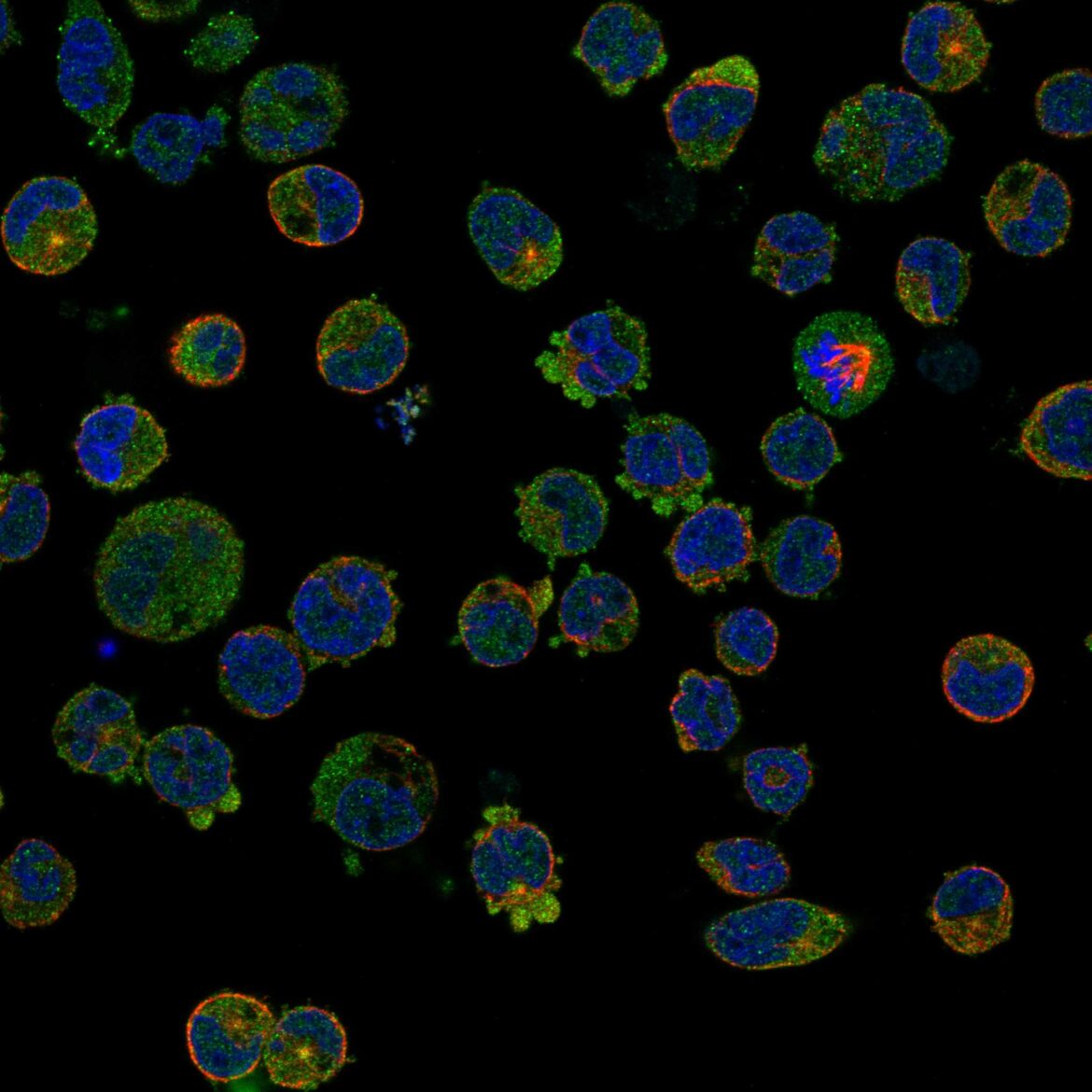
The rapid evolution of protein and antibody therapeutics has transformed modern medicine, offering targeted treatments for complex diseases. Among the key players driving these advancements is CD3G, a critical component of the T-cell receptor complex. Its unique role in immune signaling has made it a focal point for research to enhance therapeutic precision and efficacy.
This article explores how CD3G contributes to developing innovative therapies, from improving immune response targeting to enabling next-generation drug designs. Researchers and clinicians can unlock new possibilities in treating autoimmune disorders, cancers, and beyond by understanding its functions and applications.

Introduction to CD3G and TCR Biology
CD3G is a subunit of the T-cell receptor (TCR) complex, critically involved in adaptive immune responses (NCBI, n.d.). TCRs, expressed on T cells, recognize antigens presented by major histocompatibility complex (MHC) molecules (UniProt, n.d.). CD3 proteins, including CD3G, transmit signals from antigen recognition to activate T cells (GeneCards, n.d.).
CD3G facilitates signal transduction by interacting with other CD3 subunits and the TCR α/β heterodimer, ensuring proper immune activation (NCBI, n.d.). Impaired CD3G function disrupts TCR signaling, potentially leading to immunodeficiencies (GeneCards, n.d.).
Structural and Functional Domains of CD3G
CD3G is essential to the T-cell receptor (TCR) complex, contributing to immune response modulation and intracellular signaling.
Domain Architecture
CD3G consists of an extracellular immunoglobulin-like domain, a transmembrane segment, and a cytoplasmic signaling tail (NCBI, n.d.). The extracellular region interacts with other CD3 subunits and the TCR α/β heterodimer, stabilizing the TCR complex (UniProt, n.d.). The transmembrane domain anchors CD3G within the cell membrane and facilitates association with ζ chains via charged residues (GeneCards, n.d.). The cytoplasmic tail contains linker sequences critical for signal transduction through ITAM motifs (NCBI, n.d.).
Domain-Specific Functions
CD3G’s extracellular domain supports TCR assembly (NCBI, n.d.), while the transmembrane segment secures integration within the lipid bilayer (UniProt, n.d.). The intracellular tail’s ITAM motifs initiate signaling cascades upon antigen recognition, activating downstream molecules like LAT and ZAP-70 (GeneCards, n.d.). Its role extends to regulating immune synapse formation, aiding efficient immune effector function (NCBI, n.d.). Impaired ITAM signaling in CD3G disrupts TCR signal propagation, compromising immune responses (GeneCards, n.d.).
CD3G in TCR Expression and Assembly
CD3G integrates with CD3D, CD3E, and CD3Z to stabilize the TCR complex. This interaction facilitates proper TCR surface expression, a prerequisite for T-cell activation. CD3G’s extracellular domain supports the assembly process by anchoring the TCR α/β heterodimer.
Mutations in CD3G disrupt its transmembrane association, impairing TCR assembly. These defects reduce T-cell surface receptor density, weakening antigen recognition. Functional CD3G is essential for maintaining immune response integrity.
Signaling Mechanisms Regulated by CD3G
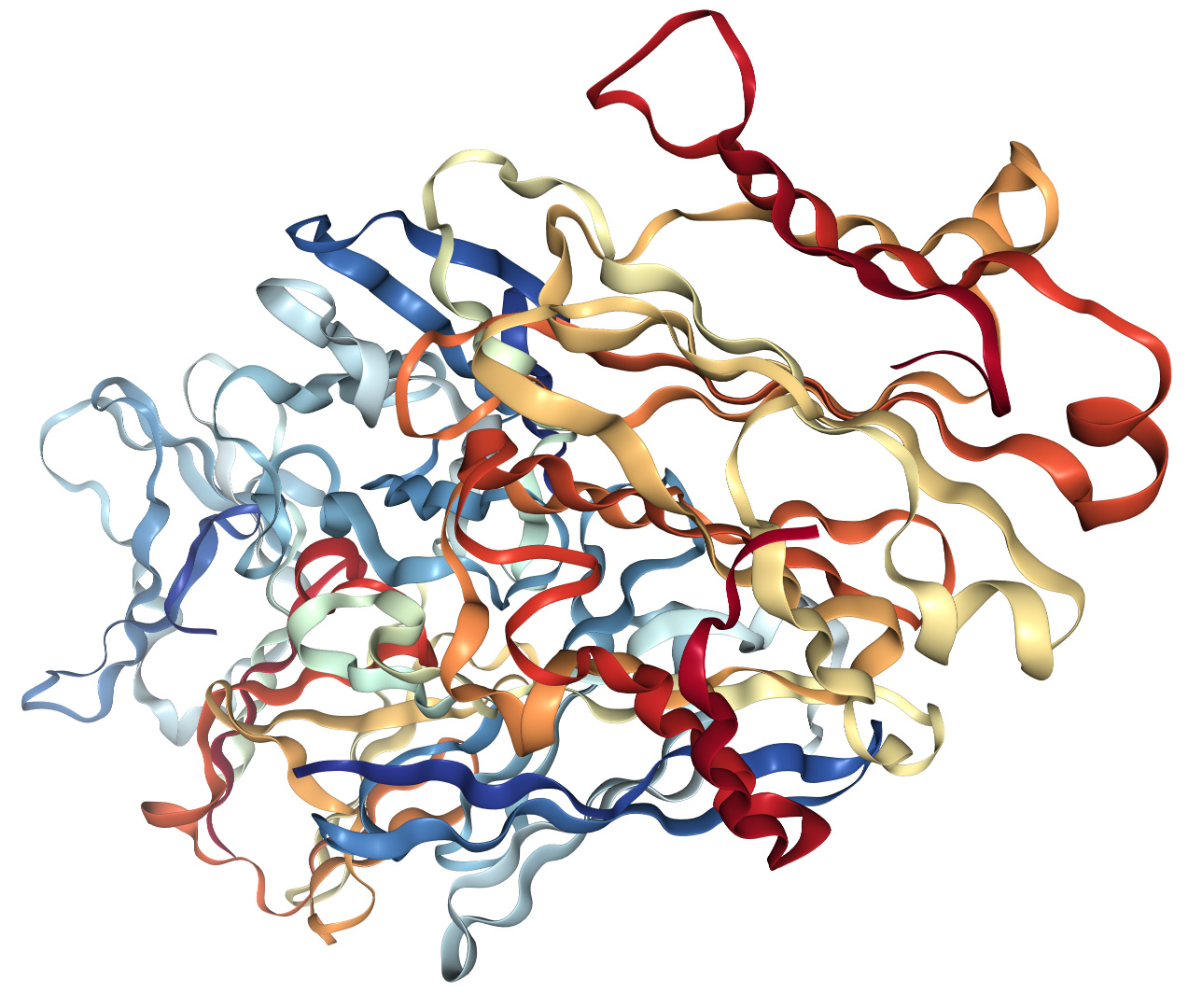
CD3G regulates T-cell receptor (TCR) activation through its Immunoreceptor Tyrosine-based Activation Motifs (ITAMs). These motifs initiate phosphorylation by Src family kinases upon antigen binding, triggering cascades that amplify immune synapse formation. This process activates protein tyrosine kinases like ZAP-70, which promote downstream signaling molecules, including LAT and SLP-76, essential for T-cell activation and cytokine production.
Defects in CD3G signaling reduce TCR stability and impair intracellular communication, weakening the adaptive immune response. Restoration of proper CD3G function, for instance, by precision engineering its ITAM domains, enhances therapeutic strategies targeting immune deficiencies.
Biotechnological Applications of CD3G Insights
CD3G’s insights have advanced various biotechnological areas, improving therapies and precision targeting immune-related conditions. These applications influence the development of antibody design, TCR modifications, and cell-based therapies.
Therapeutic Antibody Design
CD3G has informed strategies for optimizing bispecific antibodies that engage T cells for targeted immune responses. Antibodies designed to bind CD3G, such as CD3 bispecifics, harness its role in immune activation to improve therapeutic specificity. Clinical trials show bispecific antibodies targeting CD3G enhance efficacy against malignant cells by redirecting cytotoxic T cells. This approach specifically targets cancer or infected cells while minimizing the off-target effects seen with broader immune therapies.
TCR Engineering
In TCR engineering, CD3G insights enable the creation of modified receptors for stronger immune responses (Call et al., 2002; Wikipedia, n.d.). Its role in stabilizing the T‐cell receptor complex guides the design of more effective synthetic TCRs (Kuhns et al., 2006). Modified systems incorporating CD3G’s ITAM motifs improve signal transduction in engineered T cells (Smith‐Garvin et al., 2009). Studies reveal that CD3G‐based TCR scaffolds enhance antigen sensitivity and immune synapse stability, critical for treating cancers and persistent infections (Wikipedia, n.d.).
Cell Therapy Optimization
CD3G has applications in refining CAR-T cell therapy protocols to improve outcomes. Researchers integrate CD3G’s signaling domains to enhance TCR-like signaling in CAR constructs for superior immune activation. Additions of functional CD3G subunits to engineered T cells maintain receptor density, boosting target recognition and cell survival. For example, therapies embedding CD3G components show increased potency in hematological cancer treatments compared to conventional CAR-T designs.
ACROBiosystems’ CD3G-Related Solutions
ACROBiosystems provides advanced solutions for CD3G-related research, supporting protein and antibody therapeutic development. These offerings help experiments involving TCR function and immune response mechanisms.
Core Product Offerings
ACROBiosystems develops recombinant CD3G proteins and complexes to aid therapeutic studies. Their products cater to diverse research needs with compatibility across species and experimental platforms.
Heterodimeric CD3E&CD3G Proteins
Heterodimeric CD3E & CD3G recombinant proteins are available for studying TCR assembly and immune signaling. These proteins mimic natural configurations, aiding tests on interaction and functional activity.
Multiple Formats
Products come in formats such as lyophilized powder and liquid solutions, suitable for various assays. This range accommodates applications in structural analysis, binding studies, and drug screening workflows.
Species-specific Variants
Species-specific variants of CD3G and CD3E&CD3G proteins target species-dependent protein behavior, aiding comparative studies of human, mouse, or other model systems.
Clinical Implications of CD3G Dysregulation
CD3G dysregulation disrupts TCR complex stability, compromising T-cell activation and immune function. Mutations in CD3G reduce ITAM phosphorylation, impairing downstream signaling pathways needed for adaptive immunity.
Deficient CD3G expression correlates with immunodeficiency syndromes, marked by recurrent infections and weakened antigen responses. In oncology, improper CD3G signaling hinders tumor-infiltrating lymphocyte activity, reducing the efficacy of immune surveillance.
CD3-targeted therapies, such as bispecific antibodies, require optimal CD3G function to mediate effective cytotoxic T-cell responses. Addressing CD3G defects through genetic engineering or protein therapeutics amplifies treatment potential in cancer and autoimmunity.
Emerging CD3G-Targeted Therapies
CD3G‐targeted therapies capitalize on its role in TCR activation to effectively modulate immune responses (National Cancer Institute, 2023). Immunotherapy developments include bispecific antibodies that harness CD3G to activate cytotoxic T cells in oncology (Immunotherapy Research Group, 2022). These therapies demonstrate enhanced tumor cell eradication with minimal off‐target effects in trials (Cancer Therapy Online, 2022).
Clinical strategies integrate CD3G signaling domains into modified receptors, improving their stability and function (Immunotherapy Research Group, 2022). CAR‐T therapies incorporating CD3G elements enhance anti‐cancer efficacy, particularly in hematologic malignancies (CAR-T Insights, 2023). Using recombinant CD3G proteins aids in refining these approaches for broader clinical applications (Biotech Innovations, 2023).
Conclusion
CD3G plays an integral role in advancing protein and antibody therapeutics. It facilitates T-cell receptor activation through ITAM phosphorylation and supports innovative treatments like bispecific antibodies. Its contributions extend to TCR assembly, immune signaling, and therapeutic antibody design, demonstrating its potential in addressing immunodeficiencies and enhancing cancer immunotherapies.

Written by Lucas Chen, a writer specializing in bioscience, exploring the latest advancements in biotechnology, genetics, and medical research. With a passion for making complex scientific topics accessible, he delivers insightful and engaging content for researchers and curious minds alike.