

Every second counts in critical care. Lives hinge on split-second decisions and the tools within reach. Medical teams face relentless pressure; their readiness determines survival. Preparedness demands more than skill. It requires immediate access to equipment that bridges the gap between crisis and control. Without the right resources, even expertise falters.
Chaos thrives in emergencies. Precision crumbles without structure. Trusted tools transform panic into action, offering clarity when stakes soar. Teams rely on devices that deliver accuracy, speed, and reliability. Equip wisely, act decisively. The difference between tragedy and triumph lies in what’s prepared before the storm hits.

Medical ventilator being monitored by anaesthetist. surgeon using monitor in operating room.
Essential Emergency Equipment: The Backbone of Rapid Response
Critical care thrives on speed. When crises erupt, hesitation costs lives. Teams need tools to deliver timely medical care as quickly as their instincts. Defibrillators restart faltering hearts. Airway kits secure oxygen flow. Vascular access devices deliver life-sustaining fluids. Each tool must function flawlessly—no exceptions. Delays in equipment retrieval or failures in performance amplify risks.
Portability ensures readiness. Suction units clear airways in seconds. Pressure bags stabilize bleeding. Backup oxygen tanks sustain ventilation during transport. These devices bridge gaps between emergency rooms, ICUs, and ambulances. Standardization matters. Identical layouts across departments let muscle memory take over during chaos. Teams shouldn’t waste time relearning where supplies are stored.
Reliability hinges on maintenance. Expired medications or drained batteries sabotage care. Routine audits prevent oversights. A well-stocked crash cart exemplifies preparedness—centralized, organized, and instantly deployable. Its presence alone transforms panic into protocol. Without it, even skilled teams falter. Equipment saves lives only when it’s accessible, functional, and trusted.
Advanced Monitoring Systems: Real-Time Data for Informed Decisions
Silent threats kill quietly. Arrhythmias flicker. Oxygen levels plummet. Without constant vigilance, a crisis escalates undetected. Advanced monitors act as relentless sentinels, tracking heart rhythms, blood pressure, and respiratory rates. These devices scream warnings before collapse—a jagged EKG line, a sinking SpO2.
Capnography reveals hidden dangers. It measures exhaled carbon dioxide, unmasking inadequate ventilation or tube displacement. Cerebral oximeters guard brain perfusion during cardiac surgery. Each metric sharpens clinical judgment. Data streams to centralized dashboards, giving teams shared situational awareness. No one works blind.
Technology falters without human interpretation. Alarms fatigue ears. Teams must discern critical trends from noise. Pairing cutting-edge tools with trained intuition turns raw data into life-saving action. Monitor wisely. Trust but verify. In critical care, what you see determines what you survive.
Pharmacological Readiness: Curated Medications and Supplies
Medications are weapons against collapse. Seconds determine outcomes. Vasopressors combat crashing blood pressure. Antidotes reverse toxins. Anticoagulants dissolve deadly clots. Each drug must be accessible instantly—no searching through cluttered drawers. Dosing errors or delays turn lifelines into liabilities.
Storage dictates efficacy. Some drugs demand refrigeration. Others degrade in light. Expired vials lose potency; unlabeled syringes invite mistakes. Automated dispensing cabinets reduce human error. Pre-mixed epinephrine syringes save time during codes. Rapid transfusion systems counter hemorrhagic shock. Every shelf must reflect urgency and order.
Precision demands meticulous organization. Labeled, date-checked vials erase guesswork. Teams grab what they need without pause. Medications mean nothing if misplaced or expired. Curate ruthlessly. Audit relentlessly. In pharmacology, readiness is a lifeline, not a mere checklist.
Communication Tools: Bridging Gaps in High-Pressure Scenarios
Miscommunication kills. Teams fracture under stress. A nurse’s urgent request drowns in background noise. A resident misinterprets a dosage order. Seconds blur into irreversible consequences. Tools that streamline dialogue aren’t luxuries—they’re survival mechanisms.
Encrypted messaging apps deliver lab results to surgeons mid-operation. EHRs update in real time, erasing guesswork about allergies or prior treatments. Hands-free headsets let clinicians coordinate without breaking sterile fields. Structured frameworks like Situation, Background, Assessment, Recommendation (SBAR) force clarity: “65-year-old, septic, unresponsive—start norepinephrine now.” Brevity saves time; precision saves lives.
Yet technology amplifies chaos without discipline. Alerts ping nonstop. Notifications overwhelm. Train to prioritize. Speak in bullet points. Confirm understanding. Silence gaps breed errors. In critical care, every word is a thread in a safety net. Cut one, and the entire system unravels.
Training and Simulation: Sharpening Skills Before Crisis Strikes
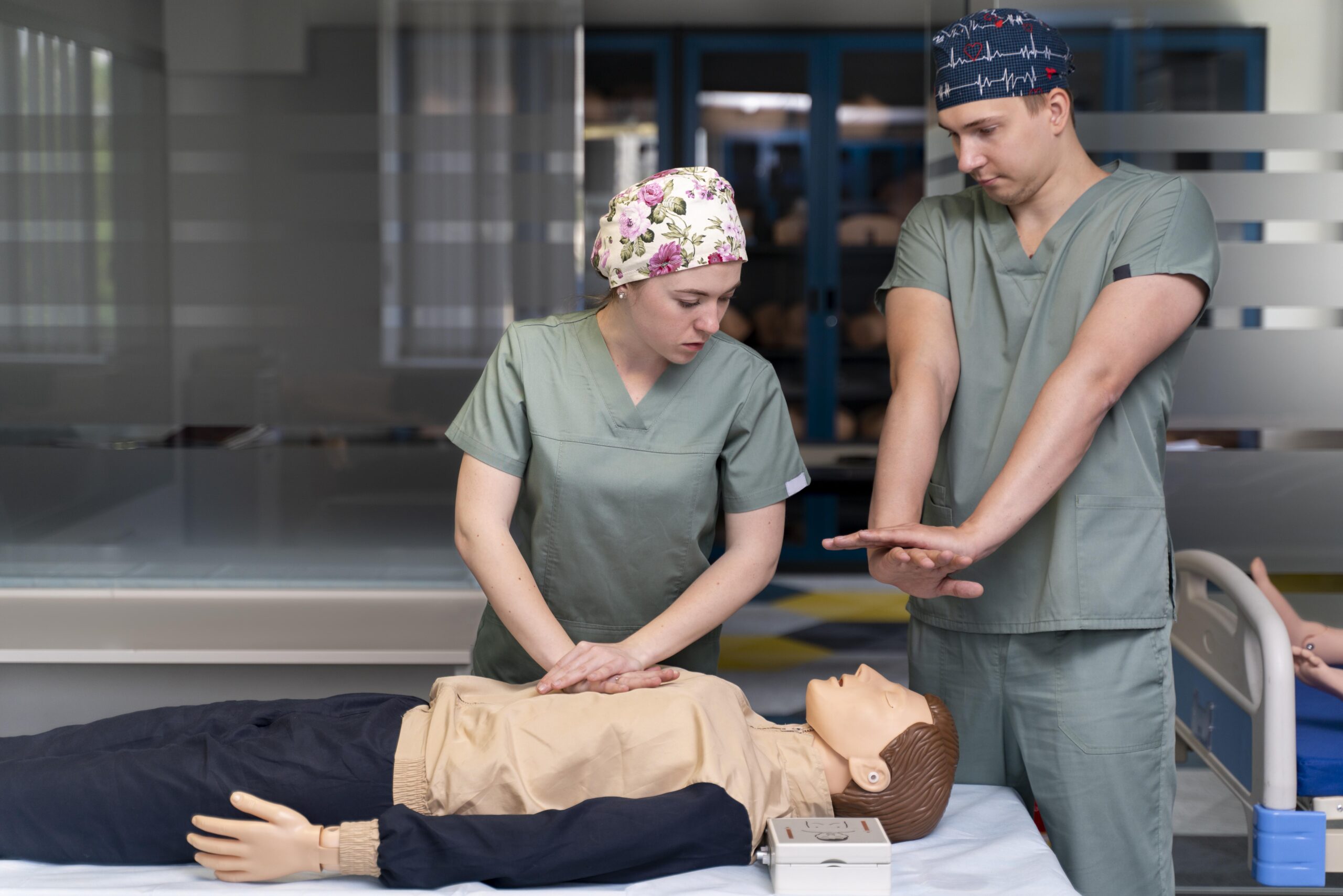
Simulations don’t simulate stakes—they replicate them. A mannequin’s ashen face, a monitor’s piercing alarm, sweat on gloves: these details forge instinct. Teams drill intubations on swaying ambulance floors. They rehearse massive transfusions in crowded ER bays. Repetition breeds preparedness. Hesitation evaporates when muscle memory takes over.
High-fidelity simulations mimic seizures, cardiac tamponade, and pneumothorax. Virtual reality drops clinicians into trauma bays with limited resources. Debriefs dissect every decision. Why delay defibrillation? Who forgot to confirm tube placement? Blame-free analysis exposes gaps in tool accessibility or teamwork. Flaws surface safely here, not during a child’s coding.
Competency fades without continuous learning. Quarterly drills keep skills razor-sharp. Certifications expire; real-world readiness doesn’t. Test ventilator troubleshooting under time pressure. Practice ultrasound-guided IVs on unstable “patients.” Training is the rehearsal that makes survival routine. Master the tools before the storm demands mastery.
Wrapping Up
Lives pivot on preparedness. Cutting-edge tools and relentless training build readiness that withstands chaos. Audit resources relentlessly. Refine protocols without complacency. Drill scenarios until muscle memory overrides panic. Hesitation kills momentum; mastery of equipment and trust in teams forge certainty. When crisis erupts, the difference between chaos and control lies in the tools within reach and the instincts honed to use them.
Written by amy@amybartlett.com