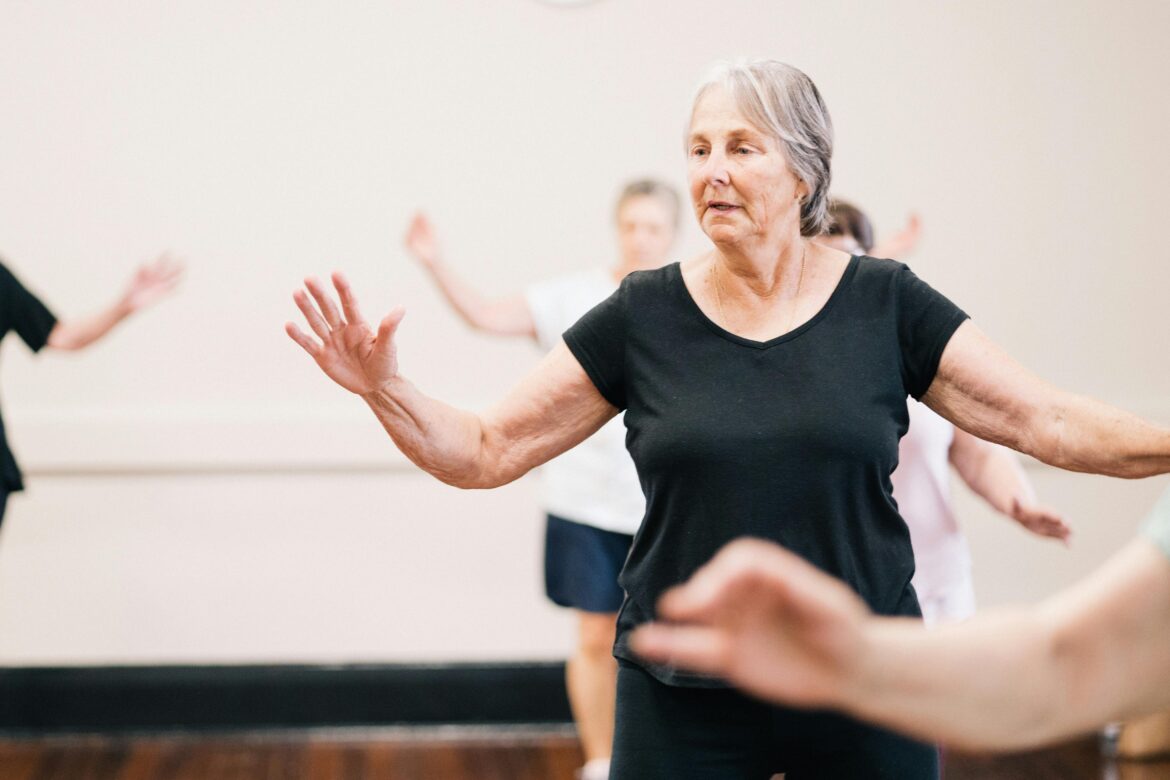
Maintaining muscle health is vital for older adults, as it directly influences mobility, cognitive function, and overall quality of life. This article delves into the natural muscle loss associated with aging and offers practical strategies to preserve strength and independence.
Our bodies naturally change as we age—some more noticeable than others. You might find it takes a little longer to get up from your favorite recliner or that carrying a basket of laundry upstairs feels like more of a workout than it used to. What many people don’t realize, though, is how much of that is tied to our muscle health.
Muscle loss is a natural part of aging, but that doesn’t mean we’re helpless against it. Keeping your muscles strong and healthy can greatly impact your quality of life—everything from how well you move to how sharp your mind feels to how often you see your doctor.
Let’s look at what’s happening inside your body and why muscles matter more than you might think.
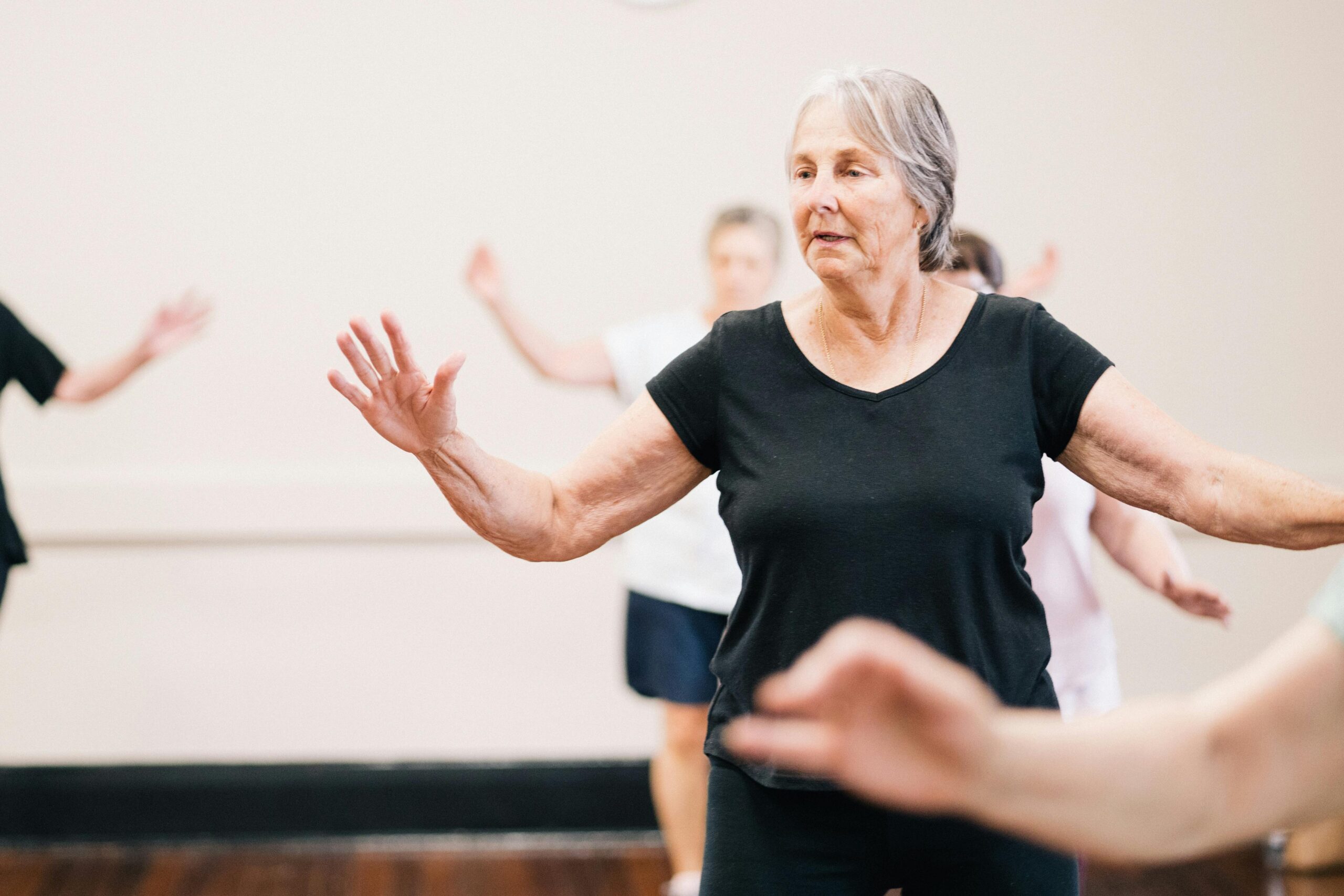
Why Muscle Health Declines with Age
Starting around age 30, we begin to lose muscle mass slowly, and after 60, that loss tends to speed up if we’re not actively doing something to slow it down. This condition, called sarcopenia, isn’t just about muscle shrinking—it’s also about muscle strength and how efficiently our muscles work.
Hormonal changes, lower physical activity, and even changes in how our bodies process protein all play a role. But the good news is, this process isn’t set in stone. You can protect and even rebuild muscle with the right habits, no matter your age.
The Bigger Picture: How Muscles Affect Your Whole Body
Many people think of muscles mainly in terms of lifting things or staying toned. But muscles do so much more. They help regulate blood sugar, support your immune system, and even play a role in brain health.
Strong muscles can help prevent falls and injuries—something that becomes more important with each passing year. They help you move around more easily, whether that’s taking a walk with friends, climbing stairs, or even getting out of bed. And because movement keeps your joints lubricated and your circulation flowing, strong muscles can actually help reduce aches and stiffness, too.
It’s not just about the body, either. There’s a strong connection between physical activity and mental health. Studies show that regular movement, especially strength-based activity, can lower your risk of depression and improve memory. When you move your body, you’re also increasing blood flow to your brain. That’s a win-win.
Everyday Signs That Muscle Health Might Be Declining
You don’t need a fancy fitness tracker or gym membership to know something’s off. If you’ve noticed that it takes more effort to do things that used to be easy—getting up from a low chair, carrying groceries, or walking longer distances—it might be a sign that your muscle strength is decreasing.
Fatigue, slower walking, and poor balance can all be tied to declining muscle mass. The important thing is to listen to your body and not brush off these signs as “just getting older.” You’re not doomed to feel weaker over time.
What You Can Do to Protect Your Muscle Health
You might be surprised to hear that even a few simple changes can make a big difference. Resistance exercises—using hand weights, resistance bands, or body-weight moves like squats or wall push-ups—are incredibly effective. You don’t need to do them every day; they don’t have to be intense. Consistency is what matters most.
Protein is another key part of the puzzle. Our bodies don’t process protein as efficiently as we age, so we need more of it. That doesn’t mean you have to start eating steak every night, but adding more protein at each meal—things like eggs, beans, chicken, or Greek yogurt—can help.
Don’t underestimate the value of staying active in general. Gardening, walking, and even dancing around the kitchen count. Anything that gets you moving regularly helps preserve muscle and keep your body working as it should.
How Medicare Can Help
As an older adult, you might not think of Medicare when it comes to muscle health, but some helpful benefits are available. Many Medicare plans, especially Medicare Advantage plans, offer free or low-cost gym memberships through programs like SilverSneakers or Renew Active. These programs are designed specifically for older adults and often include strength training classes, fitness consultations, and even virtual workouts you can do from home.
Some plans may also cover physical therapy if you’re recovering from an injury or struggling with balance. You can learn more about what Medicare covers from Medicare experts, Boomer Benefits. But if you’re unsure about your specific plan, it’s always a good idea to check in with your provider or a Medicare agent.
Final Thoughts: Your Muscles Are Worth the Effort
The older we get, the more important it becomes to treat our bodies with care and confidence. Losing strength doesn’t have to be part of your story. With a few thoughtful choices and a little bit of effort, you can maintain strong, healthy muscles well into your 70s, 80s, and beyond.
Remember, it’s not about becoming a bodybuilder. It’s about staying active, independent, and feeling good in your own skin. So whether you’re starting fresh or need a gentle reminder, know it’s never too late to make a change.
Your muscles are with you every step of the way—literally. Take care of them, and they’ll take care of you.
Written by diginerpro@gmail.com