

Healthcare interactions often begin with necessary formalities: the exchange of insurance information, the recitation of symptoms, and perhaps a bit of polite conversation. These initial steps, while crucial for logistical and basic diagnostic purposes, often skim the surface of a patient’s true experience and needs.
Real care, however, blossoms in the quieter spaces, in the moments before a prescription is written or after the initial pleasantries fade. It’s within these often-unseen interactions that the foundation for effective healing and genuine support is laid. The most profound aspects of healthcare are rooted in the subtle art of human connection, where observation, empathy, and a deep understanding of the individual take precedence.

The Art of Attentive Observation
Moving beyond the standardized questions and medical checklists requires a conscious effort to truly see the patient. It involves more than just noting vital signs; it encompasses a keen awareness of nonverbal cues. How does the patient enter the room? Is their gait labored, their posture tense? Are they making consistent eye contact, or do their eyes dart nervously around the room? Even seemingly insignificant details can offer valuable insights.
For instance, a doctor at Osprey Polyclinic might observe a patient repeatedly touching their abdomen or wincing slightly during conversation, suggesting a level of discomfort they haven’t explicitly mentioned. This attentive observation forms the bedrock of a more comprehensive understanding, allowing healthcare providers to delve deeper than the stated symptoms and uncover underlying issues that might otherwise go unnoticed. It’s about piecing together the unspoken narrative through careful visual and behavioral assessment.
Cultivating Empathetic Listening
True listening in healthcare transcends the mere processing of words. It demands a genuine attempt to understand the patient’s emotional landscape. This involves paying close attention not only to what is being said but also how it is being said. The tone of voice, the hesitations, the moments of silence – all carry significant weight. An empathetic listener seeks to discern the feelings and anxieties that may lie beneath the surface of the patient’s narrative. At Sarasota Primary Care, a nurse might notice a tremor in a patient’s voice as they describe their symptoms, indicating fear or uncertainty. Acknowledging these underlying emotions, validating their concerns, and creating a space where the patient feels safe to express their vulnerabilities are crucial components of empathetic listening. This deeper level of engagement fosters trust and allows for a more holistic understanding of the patient’s experience, paving the way for more effective and compassionate care.
Building Trust Through Presence
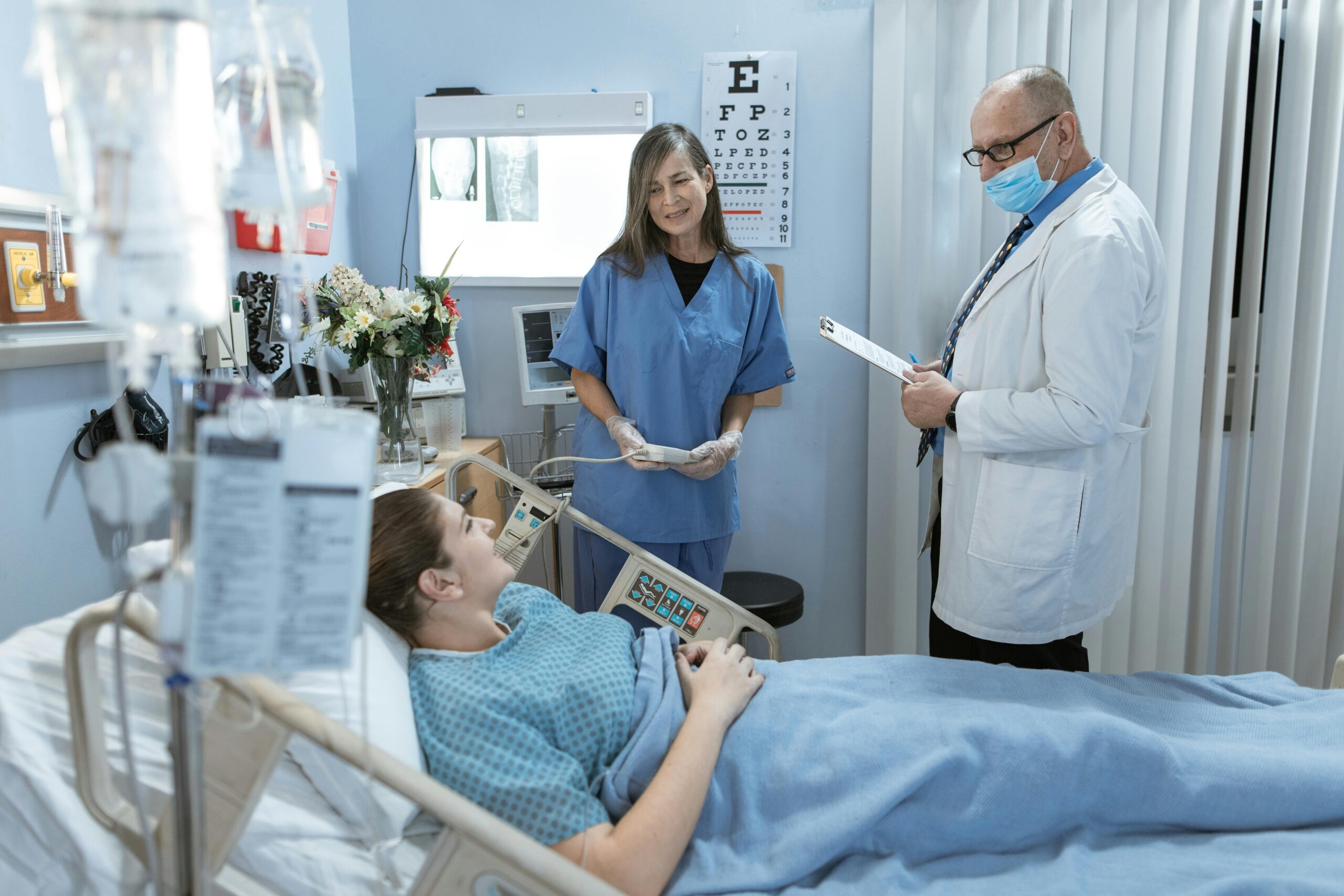
Amidst the whirlwind of healthcare, offering a patient your complete presence can be remarkably powerful. This means consciously letting go of internal thoughts and external interruptions to focus solely on the person before you. When a healthcare provider dedicates their undivided attention, it sends a clear message of care and respect, significantly increasing the patient’s comfort and openness. This involves more than just hearing words; it’s about actively listening, meeting their gaze, and genuinely showing interest in their experience.
For instance, a podiatrist in Sarasota who takes a seat and makes direct eye contact while explaining a treatment approach can ease a patient’s worries. Crafting this secure and focused environment ensures that patients feel truly acknowledged and understood, strengthening the therapeutic bond through trust and mutual regard. It communicates unequivocally that their concerns matter and that the provider is fully invested in their health.
Short Guide: Cultivating Presence in Patient Interactions
- Minimize Distractions: Before entering the consultation room, silence your phone and mentally set aside other tasks.
- Make Eye Contact: Maintain comfortable and consistent eye contact (while being mindful of cultural norms) to show engagement.
- Practice Active Listening: Focus intently on what the patient is saying, both verbally and nonverbally. Nod, offer verbal affirmations (“I understand”), and ask clarifying questions.
- Be Mindful of Body Language: Adopt an open and relaxed posture. Sit down if appropriate, to be at the patient’s level.
- Dedicate Your Attention: Avoid multitasking or glancing at computer screens excessively while the patient is speaking.
- Create a Focused Space: Ensure the consultation environment is as private and free from interruptions as possible.
- Show Genuine Interest: Ask thoughtful follow-up questions that demonstrate you are truly listening and care about their experience.
- Take a Moment Before Responding: After the patient has spoken, pause briefly before offering your response. This shows you’ve considered their words.

The Power of Interdisciplinary Collaboration
The quiet moments of understanding can also extend beyond the individual patient-provider interaction. Effective healthcare often involves collaboration among different specialists and healthcare professionals. When a team works together, sharing insights and perspectives, it can lead to a more comprehensive understanding of the patient’s needs. For instance, at Sarasota Primary Care, a primary care physician might collaborate with a physical therapist or a mental health professional to develop a holistic care plan. These interdisciplinary discussions, even if they occur outside of the patient’s direct presence, contribute to a deeper understanding of their overall well-being. By sharing observations and insights, healthcare teams can ensure that all aspects of a patient’s health are being addressed, fostering a more coordinated and effective approach to care. This collaborative spirit enhances the quality of care and reinforces the commitment to the patient’s overall well-being.
Sustaining Compassion in a Demanding Profession
The demands of the healthcare profession can sometimes make it challenging to provide the kind of quiet, compassionate care described consistently. Factors such as heavy workloads, time constraints, and emotional toll can impact a provider’s ability to fully engage with each patient. However, cultivating and sustaining compassion is essential for maintaining the human element in healthcare.
Organizations and individual practitioners, including those at a podiatrist Sarasota practice, can implement strategies to support well-being and prevent burnout. This might include mindfulness practices, peer support programs, or opportunities for reflection. By prioritizing the well-being of healthcare professionals, the healthcare system can better ensure that providers have the emotional capacity and resilience to offer the empathetic and attentive care that truly makes a difference in the lives of their patients.
Conclusion
In the intricate tapestry of healthcare, the most profound threads are often woven in the quiet moments, away from the clamor of procedures and the superficiality of initial exchanges. These are the instances where a healthcare provider’s focused observation transcends the stated symptoms, where empathetic listening delves into the unspoken anxieties, and where genuine presence fosters an unshakeable sense of trust. The ability to understand a patient within the broader context of their life, beyond the immediate complaint, forms the bedrock of truly holistic care.
Written by mariecolvin21@gmail.com