
Most people who work out regularly are no strangers to soreness. That slow, aching stiffness that sets in a day or two after a tough session? That’s just your muscles adapting. But what if it’s something more—something sharper, longer-lasting, or suspiciously sudden?
When you’re dealing with physical pain, especially on the Gold Coast where fitness is a way of life, it’s easy to chalk things up to “pushing too hard.” But not every strain or sprain should be written off. Sometimes, pain is the result of someone else’s negligence—and you might have more than a fitness issue on your hands.
Whether you’re a gym junkie, a weekend warrior, or a casual yoga-goer, knowing the difference between common muscle soreness and a potential personal injury claim can save you a lot of frustration (and money).
Let’s break it down.
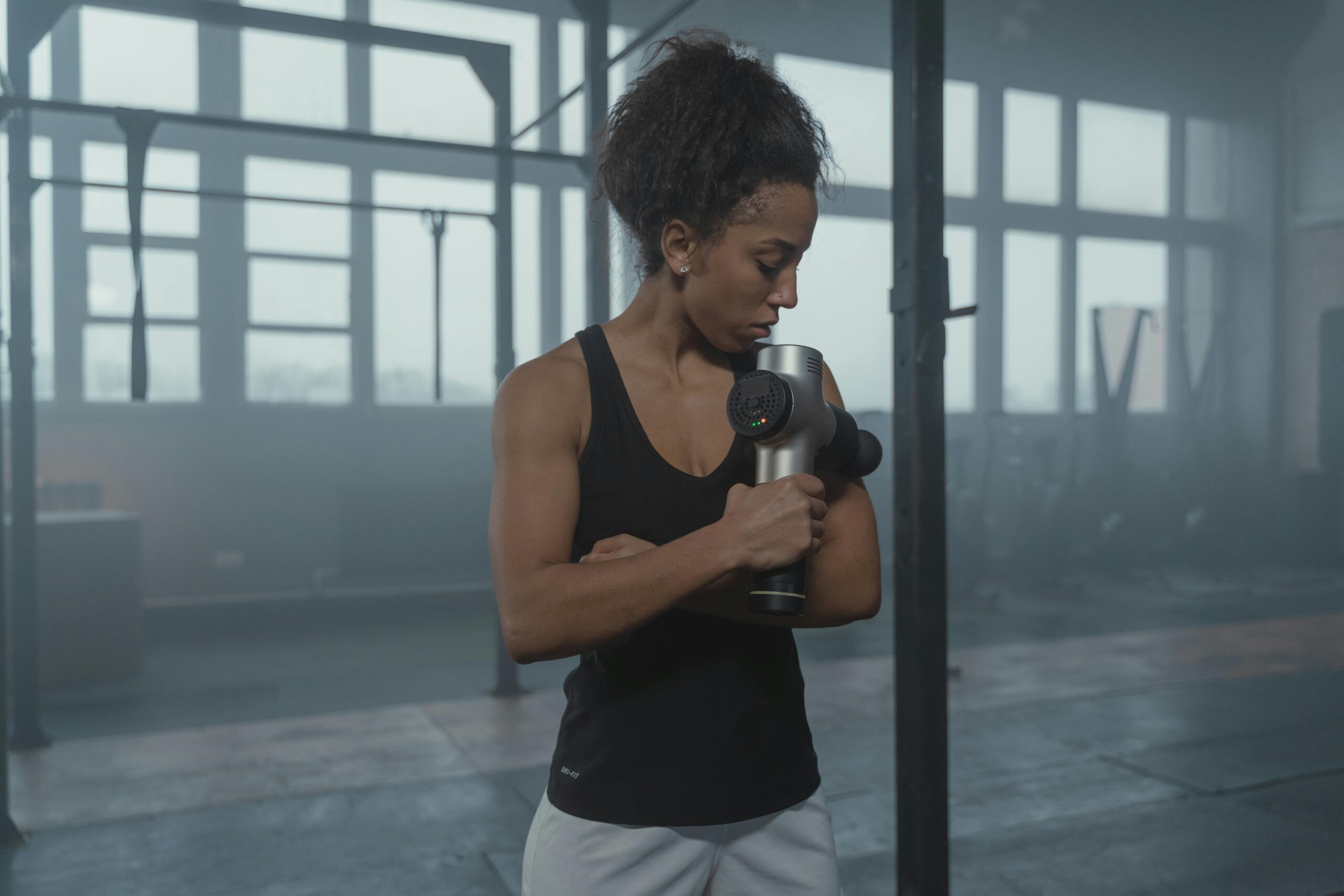 Photo by Tima Miroshnichenko from Pexels
Muscle Soreness vs. Injury: The Key Differences
You finish a great workout. The next day, your legs feel tight, your arms ache, and your back is a little stiff. That’s normal. What you’re experiencing is Delayed Onset Muscle Soreness (DOMS)—a natural response to muscle breakdown and repair.
But when that pain goes from “tight and tired” to “can’t move without wincing,” it’s time to pause.
Here are some red flags that the pain might not be routine:
- Sudden, sharp onset during exercise (think: pop, snap, or stab)
- Swelling or bruising that wasn’t there before
- Inability to bear weight or move a joint normally
- Persistent pain that doesn’t improve after 72 hours
- Numbness or tingling—especially after a fall or awkward movement
If your pain includes any of the above, it might not just be soreness. And if the injury happened at a gym, bootcamp, or other public or commercial space, there could be a legal dimension to it too.
That’s where the personal injury lawyers at Attwood Marshall often step in. Many Gold Coast residents don’t realise that injuries from faulty gym equipment, unsafe flooring, or negligent supervision can fall under personal injury law—meaning you may be entitled to compensation.
Common Fitness-Related Injuries That May Involve Liability
Not every injury that happens during exercise is actionable. But plenty are—especially when they result from someone else’s oversight or a failure to maintain a safe environment. Let’s look at a few examples:
1. Faulty Equipment
If a treadmill malfunctions mid-run or a cable machine snaps unexpectedly, that’s not user error—it’s a failure in maintenance or inspection. Fitness facilities are responsible for keeping their gear in safe working order.
2. Slippery or Uneven Floors
Spilled water, sweat puddles, or poor surfacing (like cracked concrete at outdoor classes) can create trip hazards. If a facility doesn’t take care of these issues, they may be liable if someone gets hurt.
3. Inadequate Supervision or Instruction
Trainers and instructors have a duty to teach exercises properly and correct dangerous form. If they push a client into something beyond their capability or fail to spot risky technique, they could be held accountable for the injury.
4. Lack of Warning Signs
If a gym doesn’t post signs about broken equipment, slippery surfaces, or renovation hazards, and someone gets injured, that’s a problem. Clear warnings are part of maintaining a safe space.
When Is an Injury Legally Actionable?
So how do you know if your sprained ankle or torn shoulder deserves legal attention? Here’s a quick checklist to help you assess:
- Did the injury happen due to a condition or action someone else was responsible for?
- Could the injury have been avoided with better safety measures?
- Did the facility or instructor fail to uphold basic duty-of-care standards?
- Are you facing medical bills, time off work, or long-term pain?
If you’ve answered yes to two or more, it’s worth having a conversation with a lawyer. Even if you’re unsure whether someone else was truly at fault, a legal professional can help you find clarity—and make sure you’re not bearing the full weight of someone else’s mistake.
The Gold Coast Factor: Fitness Culture and Legal Overlap
Let’s be honest—Gold Coasters love their active lifestyles. From sunrise Pilates on the beach to gym culture in Broadbeach, the fitness industry is booming. But with that boom comes risk.
When exercise culture ramps up, so do injury rates. And unfortunately, not all gyms and wellness centres rise to the occasion when it comes to safety protocols.
In a region this active, legal protections for injury victims aren’t just useful—they’re essential. Whether you’re injured at a surf school, cycling tour, or HIIT class, you have rights under Queensland’s personal injury laws.
What to Do If You Think You Have a Case
If you suspect your injury wasn’t just bad luck, here’s what you should do ASAP:
1. Document Everything
Take photos of the injury, the equipment, the site—anything that might later support your story. Write down names of staff or witnesses. Keep receipts for treatment and note dates of missed work.
2. See a Doctor
Even if it doesn’t feel “serious,” get checked out. Your GP’s notes may become key evidence in establishing the cause and severity of the injury.
3. Don’t Sign Anything from the Gym or Studio
Sometimes facilities will ask injured patrons to sign waivers or statements to “resolve” the matter. Don’t agree to anything until you’ve gotten legal advice.
4. Speak to a Lawyer
A quick consultation can go a long way. Many law firms, like Attwood Marshall, offer free initial advice to help you understand your options.
Myths That Stop People from Seeking Help
Let’s bust a few common excuses people use to avoid pursuing personal injury claims:
- “I signed a waiver.” Most waivers don’t protect businesses from negligence. If they didn’t maintain safety standards, they can still be held responsible.
- “It’s not worth the hassle.” Legal firms often handle the paperwork. And if you’re entitled to compensation, it could cover thousands in costs.
- “It was partly my fault.” Queensland uses a “contributory negligence” approach, which means you may still receive partial compensation even if you were somewhat responsible.
- “I’ll just push through it.” Toughing it out might feel noble, but untreated injuries can worsen—and compensation can support your recovery, not hinder it.
What Compensation Might Cover
If your case qualifies as personal injury, you could claim for:
- Medical expenses (past and future)
- Rehabilitation and physio costs
- Loss of income or earning capacity
- Pain and suffering
- Travel and medication expenses
It’s not just about “suing for money”—it’s about restoring stability after your injury upends your daily life.
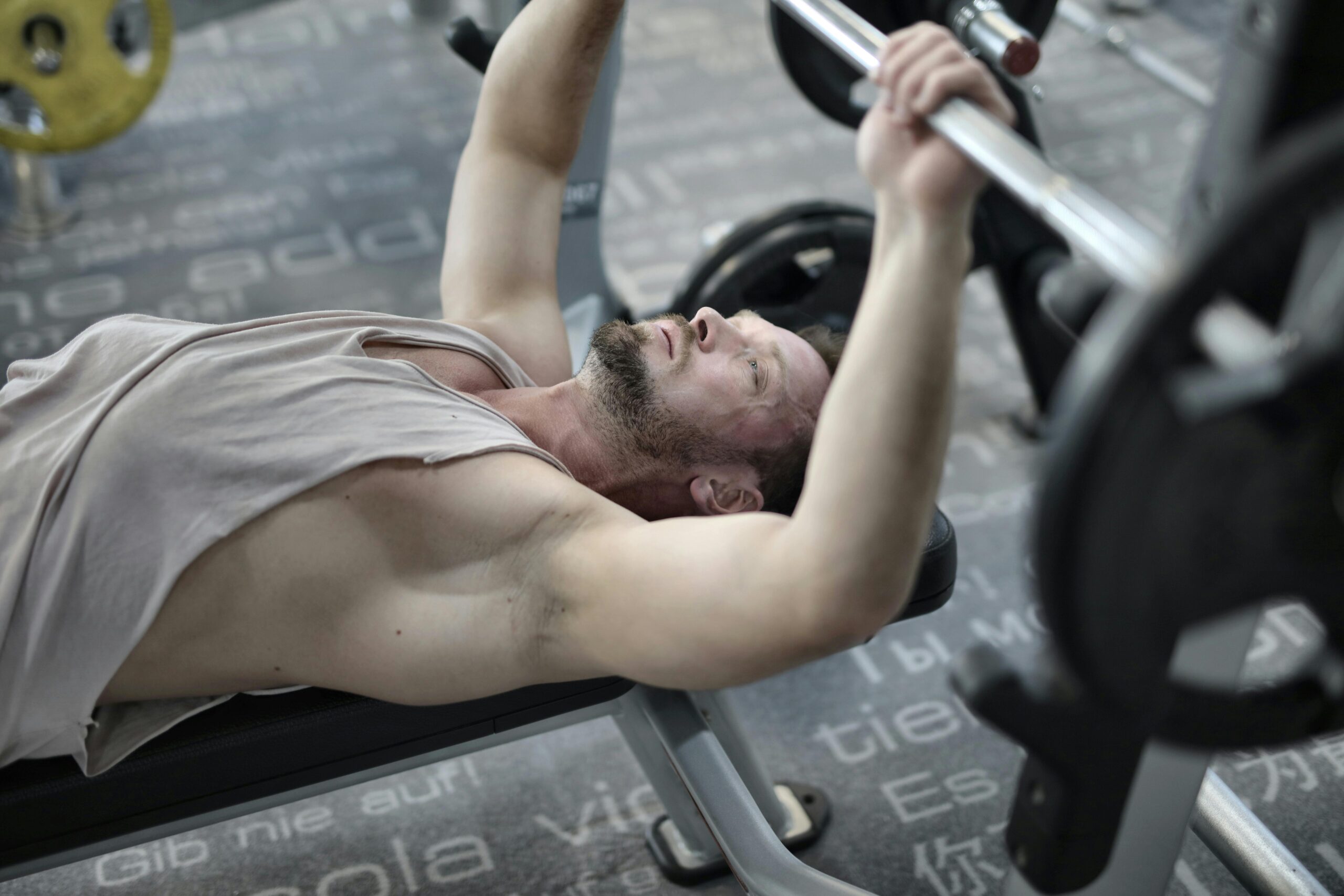 Photo by Andrea Piacquadio from Pexels
Final Thoughts: Listen to Your Body—and Your Gut
If your pain feels wrong, trust that instinct. And if your gut says the injury wasn’t entirely your fault, don’t dismiss it.
Muscle soreness is part of the fitness journey. But a torn rotator cuff from a misassembled weight bench? That’s not just a workout hazard—it’s a legal one.
You don’t have to know all the answers. But you do deserve to know your options.
FAQ
Can I make a claim if I signed a waiver at my gym?
Yes, possibly. A waiver doesn’t automatically absolve a business from their duty of care, especially in cases of negligence or unsafe practices.
How long do I have to file a personal injury claim in Queensland?
Typically, you have three years from the date of the injury to file a claim. But it’s best to speak to a lawyer well before that window closes.
Can I claim even if I kept going to the gym after the injury?
Yes—especially if the injury worsened over time. But keep in mind that continued activity may impact how liability and recovery are assessed.
What if I was partly at fault?
You may still be eligible for compensation under contributory negligence. The amount awarded could be reduced based on your level of responsibility.
Do I need to go to court?
Not usually. Many personal injury claims are settled out of court through negotiation, especially when the evidence is clear.
Written by wilsonseowork1992@gmail.com