Watch any professional athlete at their best, and it’s easy to focus on the skill, the intensity, or the game-day drama. But beneath that highlight reel is something much more intricate: the body doing exactly what it was trained to do, powered by years of anatomical conditioning. Whether it’s a forward breaking into a sprint, a goalkeeper diving for a save, or a fighter ducking a punch with split-second precision, every movement reflects functional anatomy in action.
If you’ve been following recent ข่าวกีฬา thsport updates, you’ll notice how often commentators reference explosive speed, sharp pivots, or stamina in late-game moments. These aren’t just flashy traits—they’re indicators of how specific muscles, joints, and neuromuscular patterns are performing under pressure. Let’s peel back the jersey and get into the anatomy that drives athletic greatness.
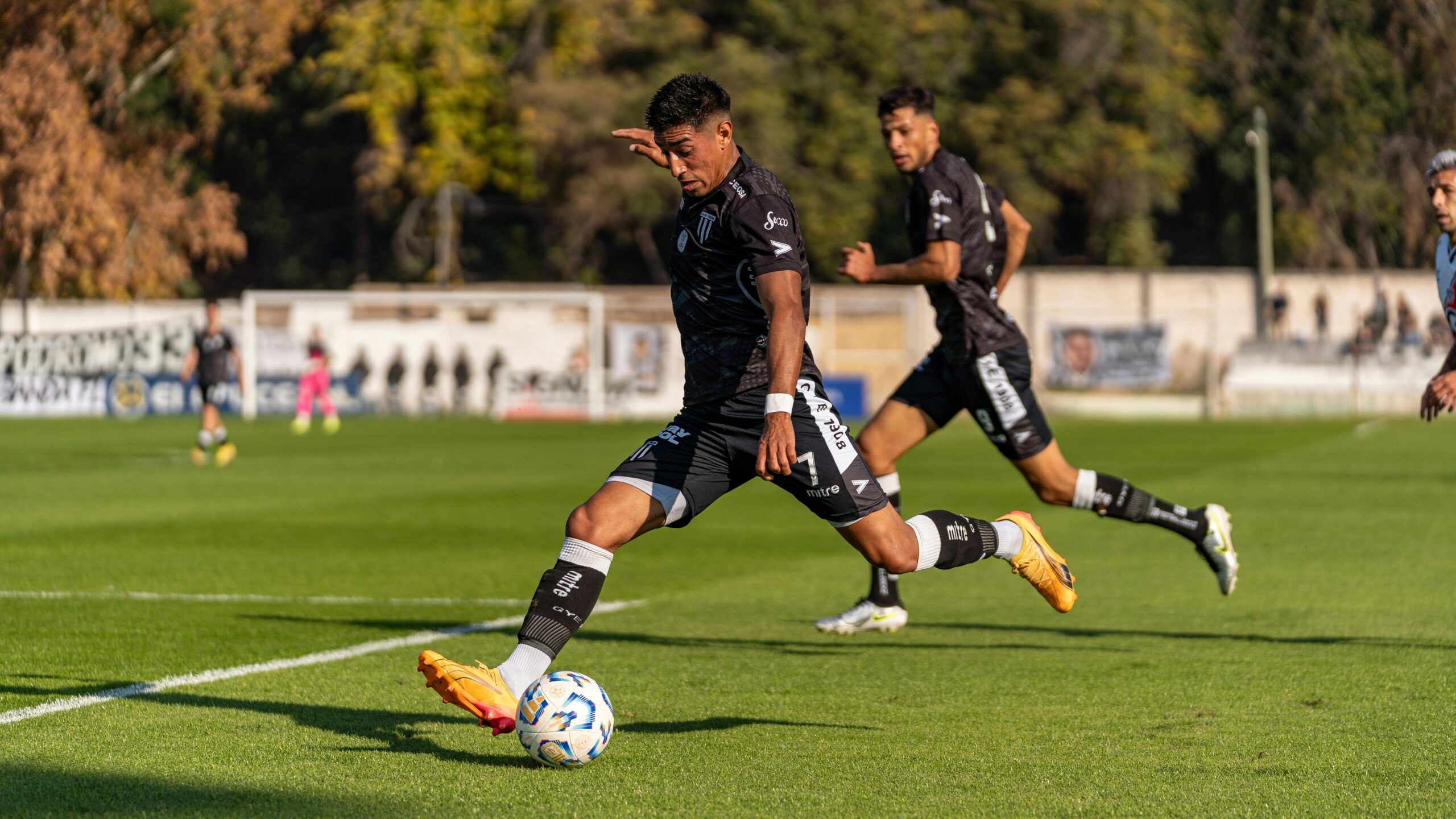 Photo by Franco Monsalvo from Pexels
The Science Behind Acceleration: Hip Extensors and Sprint Mechanics
Let’s start with a forward’s acceleration on the pitch. That quick burst from zero to top speed isn’t just about willpower—it’s about hip extensors, gluteal activation, and efficient stride mechanics.
Key muscles involved:
- Gluteus maximus: the prime mover for hip extension.
- Hamstrings (especially the biceps femoris): key for propelling the leg backward and stabilizing the knee.
- Calves and Achilles complex: for push-off and explosive launch.
When a footballer like Kylian Mbappé or Erling Haaland accelerates, it’s not just impressive—it’s biomechanically fascinating. The glutes fire first, extending the hip. Hamstrings then engage for a strong backward pull while the contralateral leg cycles forward in rhythm. Over time, strength and mobility in these areas determine not just speed but resistance to injury, especially during deceleration or change of direction.
Core Control and Precision: The Midline Matters
Ever wonder how a striker stays balanced while being jostled mid-run or how a gymnast sticks a landing with pinpoint accuracy? That’s core control at play—far beyond just abs.
Core musculature includes:
- Transversus abdominis and internal obliques: for deep trunk stability.
- Multifidus and spinal erectors: for upright posture and spinal control.
- Pelvic floor and diaphragm: often forgotten, but essential for intra-abdominal pressure and control.
Core stability is what allows athletes to transmit force between the upper and lower body. Think of it like the gearbox between the engine and the wheels. Without it, power leaks. That’s why so many sports injury prevention programs now include core strengthening—not just to build a six-pack, but to stabilize and synchronize movement.
The Rotator Cuff and Shoulder Resilience in Overhead Athletes
Now switch to a different sport. Baseball pitchers, volleyball attackers, and javelin throwers all put enormous stress on their shoulders. Their performance and longevity often hinge on one thing: the rotator cuff.
Key rotator cuff muscles:
- Supraspinatus: abducts the shoulder.
- Infraspinatus and teres minor: externally rotate the humerus.
- Subscapularis: internally rotates and stabilizes.
High-velocity shoulder movement without proper control often leads to labral tears or impingement syndromes. This is why performance coaches focus heavily on scapular control, eccentric strengthening, and balanced training across the posterior chain to offset repetitive strain.
Agile Footwork: The Hidden Power of the Lower Leg
Shuffling side to side, cutting hard, or absorbing impact from a jump—all require strong and responsive lower leg musculature. It’s not just about quads and hamstrings.
Underrated but essential muscles:
- Tibialis anterior: controls dorsiflexion and deceleration.
- Peroneals: prevent ankle sprains by stabilizing the foot laterally.
- Intrinsic foot muscles: crucial for ground contact and proprioception.
Take Muay Thai fighters as an example. Their ability to pivot, kick, or check an incoming strike depends on split-second responsiveness from the foot and ankle complex. Functional anatomy training often involves barefoot drills, balance boards, or agility ladders to strengthen these tiny stabilizers.
Oxygen Efficiency and the Diaphragm’s Role in Endurance
Cardio fitness is often boiled down to heart rate zones and VO₂ max numbers. But behind every controlled breath is a muscle that’s pulling a lot of weight: the diaphragm.
Why it matters:
- The diaphragm is the primary respiratory muscle.
- Proper diaphragmatic breathing enhances oxygen uptake and reduces fatigue.
- It works in sync with core musculature for trunk stability during exertion.
Distance runners, cyclists, and even martial artists are now incorporating breath training into their routines—not just to calm nerves but to improve performance. Shallow chest breathing can trigger early fatigue, while trained diaphragmatic control supports prolonged exertion.
Reactive Power: The Role of the Stretch-Shortening Cycle
A vertical jump. A basketball rebound. A goalkeeper’s dive. All of these showcase the stretch-shortening cycle (SSC)—a powerful physiological mechanism where a muscle quickly lengthens before forcefully shortening.
Mechanics in play:
- Eccentric loading (stretching under tension)
- Amortization phase (brief transition)
- Concentric contraction (explosive shortening)
Well-trained athletes optimize this cycle through plyometrics and explosive drills. But poor SSC control can lead to excessive strain on joints and tendons, particularly the Achilles tendon or patellar ligament. News outlets like THSport often mention “explosiveness” or “vertical lift”—this is the anatomy behind those buzzwords.
Game-Day Stress and Its Neuromuscular Impact
Beyond muscles and joints, match performance is influenced by something less visible but just as critical: the nervous system. Mental stress, crowd noise, and high-stakes moments activate the sympathetic nervous system, which can either enhance or sabotage motor control.
What this means for athletes:
- Increased muscle tone (sometimes beneficial, sometimes stiffening)
- Altered motor patterning (compensations under pressure)
- Faster reflexes—but at the cost of fine motor control
This is why recovery routines now go beyond ice baths. Breathwork, mindfulness, and HRV (heart rate variability) monitoring are gaining traction as part of performance recovery protocols.
Why This Matters for Coaches, Therapists, and Weekend Warriors
Understanding the anatomy behind performance isn’t just for professionals. Whether you’re a coach trying to reduce injury risk, a physio aiming for smarter rehab, or a weekend footballer who wants to last longer without tweaks and strains—functional anatomy provides a roadmap.
- Want to run faster? Start with the hips.
- Want fewer ankle injuries? Strengthen your feet.
- Want better stamina? Learn to breathe with your diaphragm.
And here’s where staying informed really helps. Reading updates not only from local leagues but also from ข่าวกีฬา ต่างประเทศ gives valuable insights into how global athletes train, recover, and adjust to demanding match schedules. It’s not just news—it’s a free anatomy case study, delivered daily.
It’s not about working harder. It’s about working smarter—with your anatomy as your guide.
 Photo by Franco Monsalvo from Pexels
Final Thoughts: Performance Is More Than Just Practice
When athletes shine under pressure, it’s not just because they’ve rehearsed the play. It’s because their bodies are tuned to execute it efficiently and safely. Match performance is the outcome of anatomy functioning at its best—muscles firing in the right order, joints moving in harmony, and the nervous system supporting it all.
So next time you read a match recap on THSport or cheer during a last-minute goal, know that behind that moment is a symphony of functional anatomy working in peak form.
Written by media@blogmanagement.io