For years, the dental front desk has been the heart of a clinic’s patient experience. It’s where nervous new clients first call in, where follow-ups are booked, and where last-minute changes can make or break a schedule. But recently, something’s shifted. Technology, once a background player, is now stepping into the spotlight—and surprisingly, it’s making the experience more human.
That might sound backward. Isn’t AI supposed to replace people? Isn’t automation all about speed over empathy? Not quite. In today’s forward-thinking clinics, artificial intelligence is being used to do something refreshingly thoughtful: free up real people to be more present, more personal, and more effective where it really matters.
Take the rise of the AI Dental Receptionist, for example. This isn’t a cold script-reader. It’s a smart tool that handles repetitive, time-consuming tasks so human staff can focus on what humans do best—connecting.
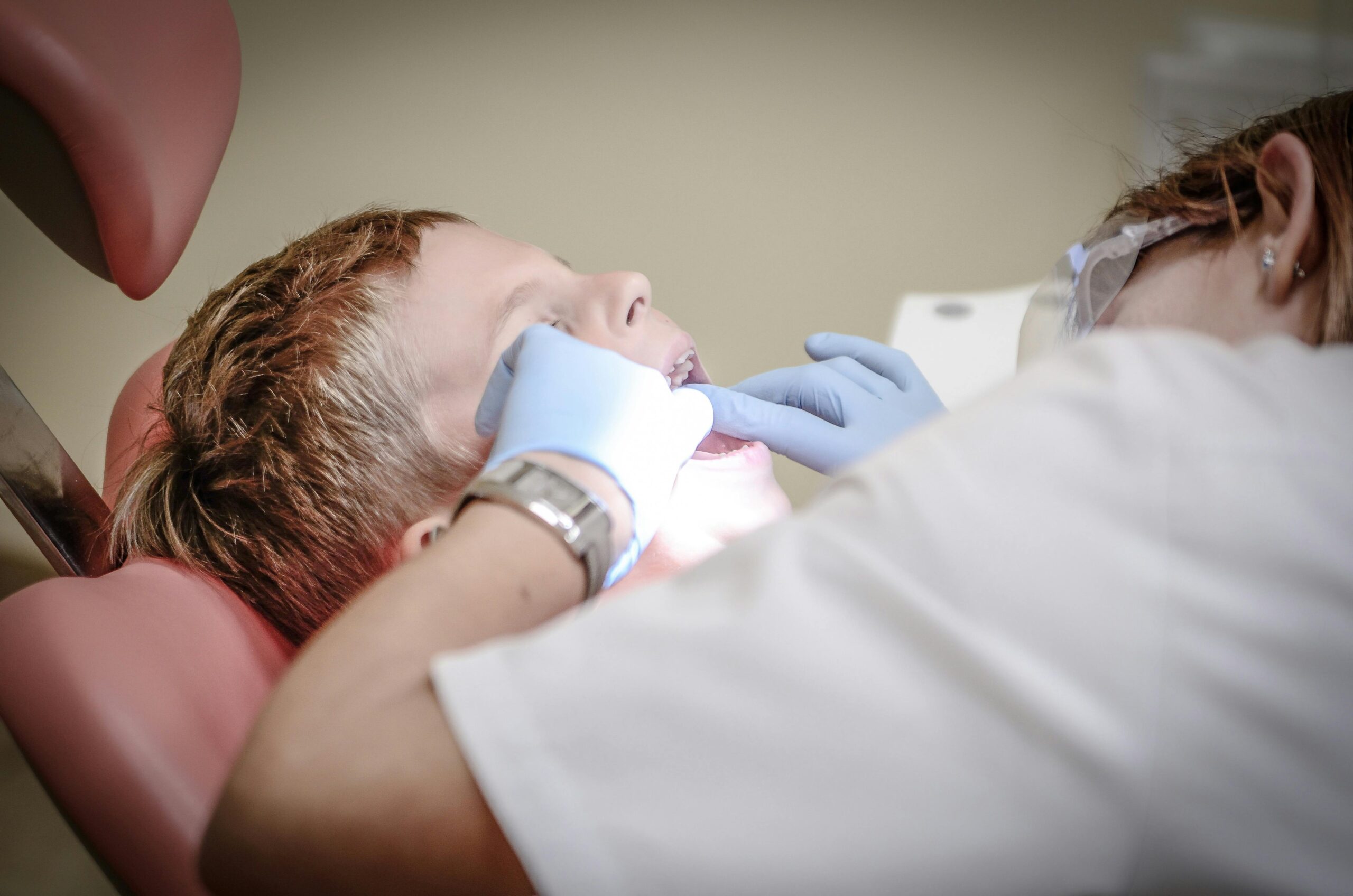 Photo by Pixabay from Pexels
Why the Front Desk Still Matters More Than Ever
Let’s be honest: first impressions in a dental clinic aren’t just about the dentist. They start the second a patient calls in or clicks on the website. A friendly, fast, and responsive front desk sets the tone for everything that follows.
But front desks are under pressure. Between incoming calls, scheduling changes, insurance questions, and greeting in-person patients, even the best receptionists are juggling too much. The result? Longer hold times, miscommunications, and occasional burnout.
Here’s where AI comes in—not to replace your team, but to lift some of the load off their shoulders.
Automation Without Losing the Personal Touch
One of the biggest myths about AI in healthcare is that it turns patient care into a robotic transaction. That’s just not true when the tech is done right.
An AI dental receptionist can handle:
- 24/7 appointment scheduling and reminders
- Basic FAQs (like office hours, location, or payment types)
- Rescheduling requests via text, email, or voice
- Intake form coordination before the visit
But it doesn’t do this with robotic replies. The best systems are built to mirror the tone of your practice—whether warm and casual or more formal and clinical. So patients still feel heard and cared for, even when a human isn’t the one responding.
Supporting—Not Replacing—Your Front Desk Team
This isn’t about removing people from the equation. It’s about putting them in a better one.
Think of it like this: when an AI system handles the repetitive stuff—like confirming tomorrow’s appointments or collecting insurance info—your front desk staff can do the real work. They can actually look a walk-in patient in the eye. They can spend five focused minutes calming a nervous parent. They can handle an upset caller with empathy and patience.
That’s the hybrid approach clinics are moving toward. It’s not man versus machine. It’s machine handling the mundane so humans can handle the meaningful.
Real Benefits Patients Actually Notice
It’s easy to think patients won’t care how the phone gets answered—as long as someone answers. But studies and anecdotal feedback say otherwise.
Here’s what improves when AI supports your front desk:
- Response Time: No more endless ringing or voicemail jail. AI can answer instantly.
- Consistency: Every patient gets the same accurate information—no more misquoted hours or confused directions.
- Availability: New patients browsing at 10 p.m.? AI can book them on the spot without making them wait until morning.
- Accessibility: Multilingual options, text-based communication, and voice recognition make things easier for more people.
It’s not just efficient—it’s inclusive.
Making Clinics More Scalable (Without Burnout)
Dental clinics, like any business, want to grow. More patients, more services, more appointments. But that growth often slams into a hard limit: people. You can’t expect one receptionist to manage triple the workload without consequences. That’s how errors creep in and staff morale drops. AI offers a way to scale without breaking your people.
Imagine being able to add 30% more patient bookings without hiring another full-time admin. Or handling a lunchtime rush without anyone being put on hold. That’s what AI makes possible. And let’s not forget: receptionists deserve better too. Offloading repetitive work improves their job satisfaction. It allows them to stay present and calm, rather than rushed and reactive.
But Is It Too Impersonal?
Some clinics still hesitate. “We don’t want patients feeling like they’re talking to a robot,” they say. Fair point—but a smart AI tool doesn’t feel like that. When it’s designed well, it mimics human language and behavior while sticking to your clinic’s tone.
Many patients don’t even realize they’re interacting with a bot. And when a conversation does need human nuance? The AI can hand it off. For example, if someone is upset about a billing issue, the system can flag it for a staff member and even route the call directly. It’s not trying to handle what it shouldn’t.
The Hidden Wins Behind the Scenes
While patients benefit on the surface, the back-end improvements are equally game-changing:
- Data Collection: Intake forms can be auto-filled and filed without paper or manual entry.
- Reminder Systems: Automated texts and confirmations reduce no-shows dramatically.
- Analytics: AI tools can track common questions, peak booking times, and patient behavior to help you make smarter decisions.
This means fewer surprises, more predictability, and a smoother workflow for everyone involved.
A New Definition of Human-Centered Care
Human-centered doesn’t mean anti-tech. It means using the right tools to make human interactions better, not worse. When AI handles the grunt work, your team is freed up to do what people are uniquely good at: making connections, building trust, and showing empathy.
Receptionists aren’t “replaced.” They’re empowered. And patients don’t get less service—they get more personalized, timely, and accurate experiences. That’s not cold automation. That’s modern care done right.
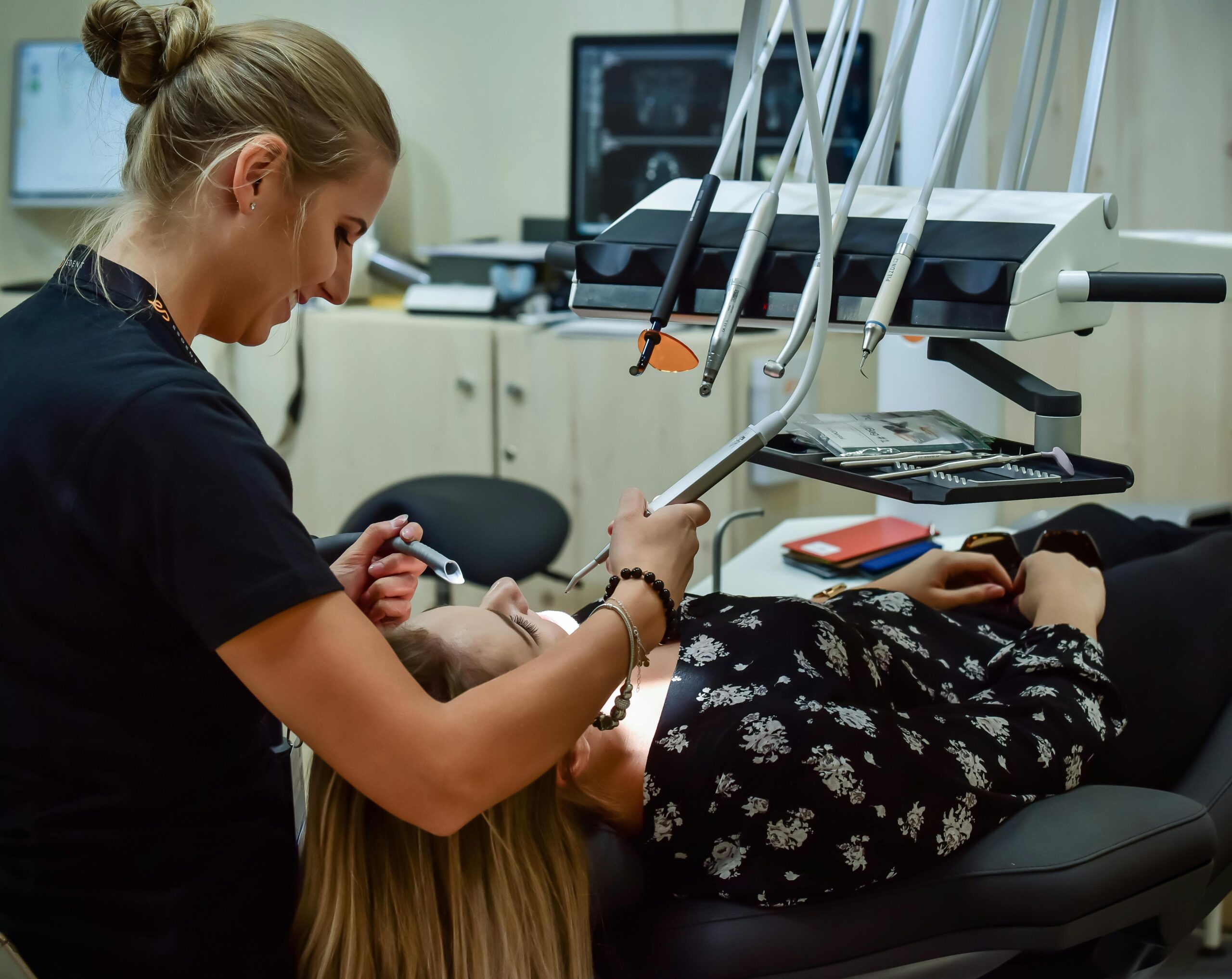 Photo by Robert Golebiewski from Pexels
Final Thoughts: The Front Desk of the Future Feels More Human, Not Less
AI is here to stay—but the way it’s being used in dental clinics like yours is anything but dehumanizing. It’s enhancing the heart of the practice: the patient experience. By offloading the mechanical tasks, your team can focus on what truly matters. And by embracing tools like an AI dental receptionist, you’re not trading warmth for wires. You’re actually doubling down on patient-centered care.
The goal isn’t to sound like a human. It’s to make sure the humans at your clinic can actually act like humans again—calm, present, and capable of giving each patient the full attention they deserve. That’s the kind of tech-forward progress everyone can feel good about.
Written by wilsonseowork1992@gmail.com